





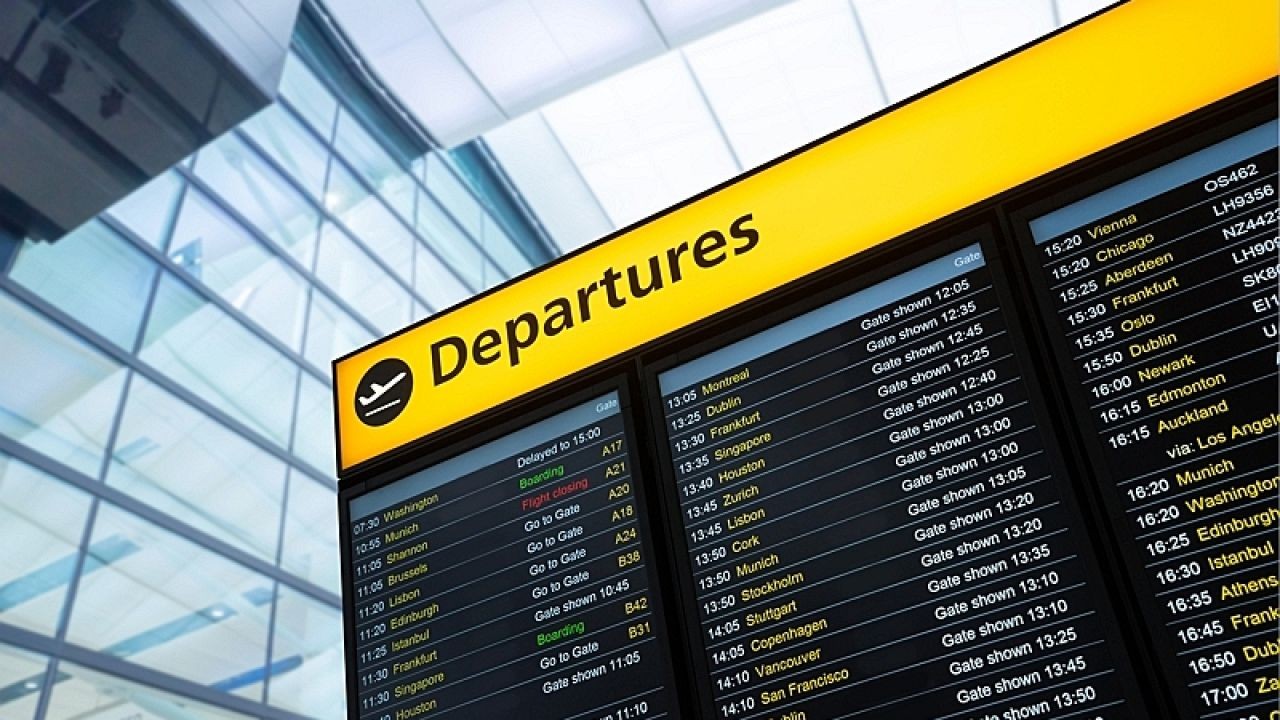
Air travel in Australia is an essential part of daily life, linking metropolitan hubs like Sydney, Melbourne, and Brisbane with regional centres and remote communities. Yet for many passengers, delays and cancellations are becoming increasingly common, sparking frustration and raising questions about airline reliability. While media headlines often attribute on-time performance issues to weather or air traffic control, the underlying causes are more complex—and uniquely tied to Australia’s aviation landscape.
In 2025, the problem of poor punctuality has intensified due to a combination of operational pressures, labour shortages, and shifting travel patterns. Understanding why some Australian airlines consistently struggle to maintain schedules offers insight not only into airline management but also into broader infrastructure, policy, and economic dynamics affecting the sector.
The rise in domestic air travel and its pressures
Australia’s domestic aviation market has expanded rapidly over the past decade, driven by population growth, regional tourism, and pent-up demand following COVID-19 restrictions. Cities such as Perth, Cairns, and Hobart have seen significant increases in passenger numbers, while international travel patterns remain unpredictable.
This surge has placed pressure on airline scheduling and fleet utilisation. Aircraft are flying more frequently with tighter turnaround times, leaving little margin for delays. Even minor operational disruptions—late arrivals from previous sectors, maintenance issues, or airport congestion—can cascade through the day, creating widespread schedule disruptions.
Labour shortages and workforce constraints
Labour shortages are a persistent factor behind delays. Pilots, cabin crew, ground staff, and air traffic controllers are all experiencing strain, a trend noted by Australian aviation unions and industry reports. Airlines face difficulty recruiting and retaining qualified staff, particularly in regional centres where pay scales and career progression may be less competitive.
For airlines, understaffing or high turnover can lead to delayed departures, slower boarding, and extended turnaround times. Passengers often experience the visible effects of these shortages without understanding the structural staffing challenges that drive them.
Regional airport limitations
Australia’s vast geography means many routes connect smaller airports with limited infrastructure. Regional airfields often have fewer gates, less ground support, and limited ability to accommodate multiple aircraft simultaneously.
These constraints can amplify the impact of minor disruptions. For example, a delayed incoming flight at a regional airport may block the gate for another aircraft, creating a chain reaction of delays across the network. Unlike major international hubs with redundancy and multiple runways, regional airports lack flexibility, and airlines operating these routes are more exposed to punctuality challenges.
Aircraft utilisation and maintenance scheduling
Australian airlines are under commercial pressure to maximise aircraft utilisation to remain competitive. Tight scheduling reduces downtime but increases vulnerability to unforeseen disruptions. Even routine maintenance issues can cause significant delays when schedules allow minimal buffer time.
The trade-off between operational efficiency and on-time reliability is an ongoing challenge. Airlines that prioritise high utilisation rates may inadvertently compromise punctuality, whereas those that incorporate more generous buffer times risk lower revenue per aircraft.
Weather and environmental factors
Weather remains a genuine and sometimes underestimated contributor to delays. Australia’s diverse climate—from tropical storms in northern Queensland to fog in Victoria and snow in Tasmania—can disrupt scheduled flights. While weather alone does not explain consistent poor performance, airlines must contend with unpredictable conditions more frequently than in many other developed markets.
Operational planning that fails to account for local environmental variability can exacerbate delays. Airlines that operate nationally without region-specific contingency strategies are more vulnerable to cascading disruptions.
Scheduling complexity and hub congestion
Airlines operating hub-and-spoke networks face intrinsic complexity. Coordinating connecting flights, crew rotations, and maintenance across multiple cities requires precise timing. In Australia, major hubs like Sydney Kingsford Smith and Melbourne Tullamarine are already operating near capacity during peak periods, increasing the risk of bottlenecks.
Delays in one sector can ripple through multiple connecting flights. Passengers transferring to regional or domestic services may experience knock-on delays even when weather or mechanical issues are confined to a single location.
Misconceptions about airline performance
Public perception often misattributes delays to “lazy staff” or poor management. In reality, on-time performance reflects a combination of structural pressures, geographic challenges, and operational decisions. Airlines with consistently poor punctuality are often grappling with a combination of high utilisation, limited staffing, and exposure to regional bottlenecks.
Another misconception is that low-cost carriers are inherently less reliable than full-service airlines. Data shows that while low-cost airlines sometimes operate tighter schedules, punctuality depends on a range of factors including fleet age, route complexity, and airport infrastructure rather than business model alone.
The cost of poor punctuality
Delayed flights have economic and social consequences. For business travellers, missed connections can mean lost meetings or delayed project timelines. Tourists experience disruption to carefully planned itineraries, affecting regional tourism economies. Airlines themselves face reputational damage and potential financial penalties under Australia’s Aviation Consumer Protection regulations.
On a systemic level, repeated delays can reduce confidence in air travel as a reliable mode of transport, prompting passengers to return to car or rail alternatives for shorter journeys—altering broader transport patterns and economic activity.
Addressing the underlying causes
Improving on-time performance requires coordinated action across multiple fronts. Airlines must balance fleet utilisation with buffer time, invest in staff retention and training, and implement region-specific operational strategies. Infrastructure upgrades at congested airports, enhanced digital scheduling systems, and contingency planning for weather events can further reduce delays.
Policymakers also play a role. Investment in regional airport facilities, improved air traffic management, and incentives for workforce development can mitigate structural constraints that contribute to chronic delays.
Looking ahead: the future of punctuality in Australian aviation
Over the next three to five years, on-time performance in Australia will likely continue to be shaped by a combination of workforce pressures, network expansion, and infrastructure investment. Airlines investing in predictive scheduling, digital operations management, and targeted workforce strategies are more likely to see measurable improvements.
For passengers, understanding the underlying causes of delays can reduce frustration and help manage expectations. Meanwhile, industry stakeholders must continue to address systemic pressures that go beyond simple operational adjustments.
Ultimately, poor punctuality in Australian aviation is not merely an inconvenience—it reflects a deeper interplay of geography, workforce dynamics, infrastructure, and operational decision-making. Recognising these factors is the first step toward sustainable improvement, ensuring air travel remains a reliable cornerstone of Australia’s interconnected economy.
For the full context and strategies on Why Some Australian Airlines Have the Worst On-Time Performance – The Real Reason It’s Exploding in Australia, see our main guide: Australian Tech Startups.