





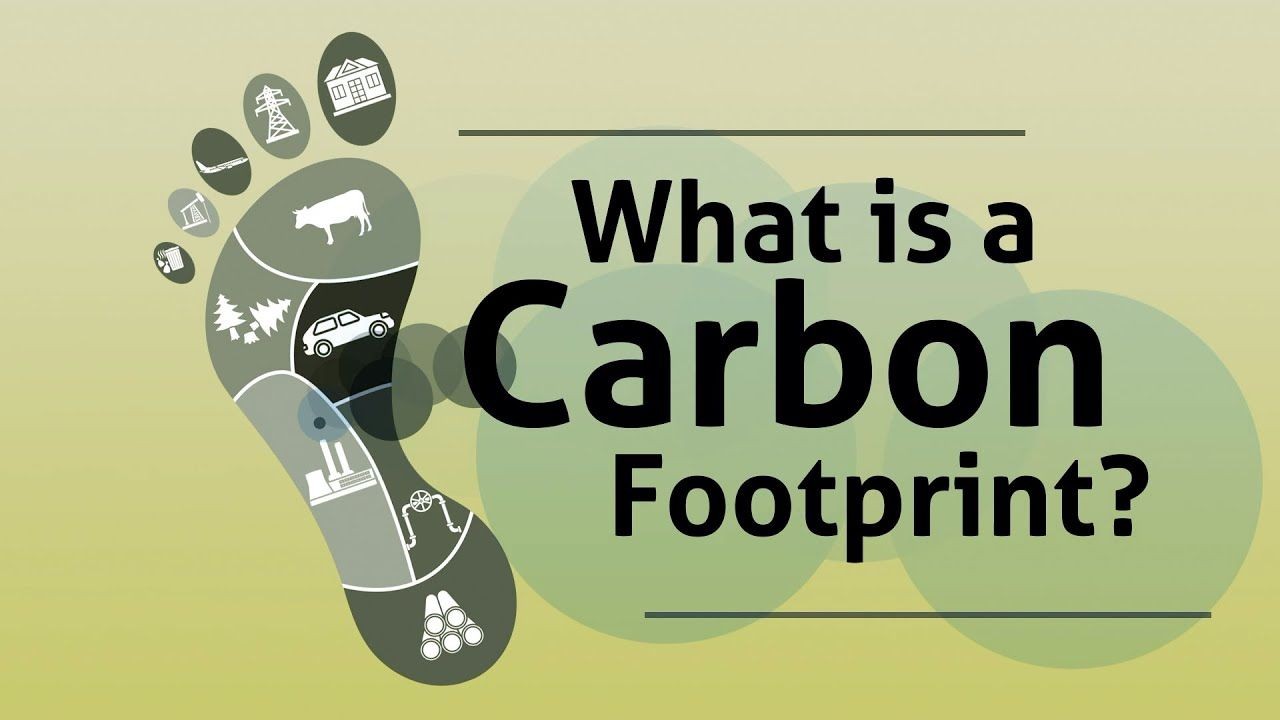
When we discuss the carbon footprint of the technology sector, the conversation often defaults to the energy-hungry data centres powering our digital lives. While significant, this focus obscures a more pervasive and complex environmental ledger. For Australia's burgeoning tech industry, the true carbon cost is a sprawling, often unaccounted-for supply chain that extends from the mining of rare earths in Western Australia to the e-waste processing facilities in Sydney's outer suburbs. The industry's rapid growth, a key driver of economic diversification, is on a collision course with national climate commitments. A nuanced, data-driven analysis reveals that without a systemic shift in how we measure and manage this embedded carbon, the sector's green credentials risk becoming a dangerous facade.
Deconstructing the Full Lifecycle: Beyond the Data Centre
The operational emissions from data centres and corporate offices—the so-called Scope 1 and 2 emissions—are the most visible and, consequently, the most managed. Many Australian tech firms proudly report progress here, powered by Power Purchase Agreements (PPAs) for renewable energy. However, this is merely the tip of the iceberg. The Greenhouse Gas Protocol's Scope 3 emissions—encompassing everything from purchased goods and services to end-of-life treatment of sold products—often constitute over 70% of a tech company's total footprint. For a hardware manufacturer like a laptop producer, or a service provider reliant on globally sourced infrastructure, this upstream and downstream carbon is both immense and largely opaque.
Consider the journey of a standard office server deployed in Melbourne. Its carbon debt begins with the extraction and refinement of metals like lithium, cobalt, and neodymium. From my experience consulting with local businesses across Australia, few have visibility into the emissions intensity of their hardware supply chains, which are predominantly offshore. The manufacturing process, often in regions with carbon-intensive grids, adds another substantial layer. Transportation—shipping, air freight, and last-mile logistics—further inflates the footprint before the device ever draws its first watt of Australian electricity. Finally, its end-of-life, whether through landfill, informal recycling, or hopefully, certified e-waste processing, releases further emissions and represents a loss of critical materials.
The Australian Data Point: A Growing Contradiction
The scale of this challenge is magnified by the sector's economic trajectory. According to the Australian Bureau of Statistics (ABS), the Information Media and Telecommunications sector's Gross Value Added (GVA) grew by 6.4% in 2022-23, significantly outpacing the national average. This growth is coupled with an accelerated digital transformation across all industries, fuelling demand for cloud services, devices, and connectivity. However, Australia's National Greenhouse Accounts reveal a concerning trend: while emissions from electricity have begun to decline, emissions from the "Industrial Processes and Product Use" category, which includes emissions from the manufacture of industrial products, remain stubbornly high. The tech industry's reliance on precisely these imported manufactured goods creates a critical carbon leakage, where Australia's reported emissions decrease slightly, while its consumption-based footprint—the total emissions generated to produce the goods and services it uses—continues to climb.
Assumptions That Don’t Hold Up
Several pervasive misconceptions allow this hidden footprint to persist, delaying meaningful action.
- Myth: "Our cloud provider's renewable energy covers our footprint." Reality: While migrating to AWS, Google Cloud, or Microsoft Azure—all of whom have made significant renewable investments—reduces operational (Scope 2) emissions, it does nothing to address the embodied carbon in the physical infrastructure you are renting. The emissions from manufacturing the servers, network gear, and data centre buildings themselves are still attributable to the end-user's Scope 3 footprint and are rarely accounted for.
- Myth: "Software is inherently green." Reality: Inefficient code has a direct carbon cost. A bloated, resource-intensive application demands more processing power, which in turn requires more energy and potentially more hardware provisioning. Drawing on my experience in the Australian market, I've observed that performance optimisation is almost always framed as a user experience or cost issue, rarely as a sustainability imperative. The carbon intensity of the electricity powering the device running the software completes this overlooked equation.
- Myth: "E-waste recycling solves the end-of-life problem." Reality: Australia's e-waste recovery rate remains inadequate. The National Waste Report indicates that while progress has been made, a significant portion of electronic waste is not captured by formal recycling streams. Even when recycled, the process is often energy-intensive and recovers only a fraction of the materials. The most effective strategy is radical extension of device lifespans through design for repairability and modularity, a principle at odds with the prevailing business models of planned obsolescence.
The Hardware Conundrum: A Case Study in Embedded Carbon
To ground this analysis, let's examine a global leader that has faced intense scrutiny, offering lessons for Australian hardware distributors and manufacturers.
Case Study: Apple – Navigating the Supply Chain Carbon Labyrinth
Problem: Apple, as one of the world's largest consumer electronics companies, has a monumental carbon footprint overwhelmingly concentrated in its supply chain. For years, its environmental reporting, while advanced, highlighted a stark reality: over 70% of its total carbon emissions were classified as Scope 3, stemming from manufacturing, raw materials, and product transportation. The company faced pressure from investors, regulators, and consumers to take responsibility for this vast, distributed network of emissions.
Action: Apple's strategy evolved from focusing solely on its corporate operations to aggressively engaging its supply chain. Key actions included:
- Supplier Clean Energy Programme: Compelling its manufacturing partners to transition to 100% renewable energy for Apple production. This directly attacked the carbon intensity of the manufacturing phase.
- Material Innovation and Recycling: Investing heavily in recycled aluminium, rare earths, and cobalt for its products, reducing the demand for virgin, emissions-intensive mining.
- Product Lifecycle Design: Introducing robots like "Daisy" to disassemble iPhones for material recovery and designing newer models with improved repairability (e.g., easier battery replacement).
- Transparent Reporting: Publishing detailed annual Environmental Progress Reports, breaking down footprint by lifecycle stage and product category.
Result: Apple's 2023 Environmental Progress Report claims the company is carbon neutral for its global corporate operations. More importantly, it reports that over 300 suppliers have committed to 100% clean energy for Apple production, avoiding over 20 million metric tons of Scope 3 emissions annually. The use of recycled materials has increased significantly, with all new iPhone batteries now using 100% certified recycled cobalt. The company aims to be carbon neutral across its entire footprint, including all products and supply chain, by 2030.
Takeaway for Australia: For Australian tech companies, especially those importing or distributing hardware, Apple's journey underscores that supply chain engagement is non-negotiable. The lesson isn't that every firm can replicate Apple's scale, but that procurement policies must evolve. In practice, with Australia-based teams I’ve advised, this means moving beyond simple cost-based procurement to include carbon disclosure requirements in supplier tenders, prioritising vendors with credible sustainability certifications, and designing product lifecycle strategies before purchase, not at the point of disposal. Australian businesses can leverage frameworks from the Australian Competition & Consumer Commission (ACCC) on green marketing claims to ensure their own sustainability assertions are accurate and verifiable, avoiding accusations of "greenwashing."
A Strategic Evaluation: The Pros and Cons of Radical Transparency
Confronting the hidden carbon footprint requires a commitment to radical transparency and lifecycle assessment. This strategic shift presents a complex balance of advantages and challenges.
✅ The Compelling Advantages:
- Future-Proofing Against Regulation: Australia is steadily moving towards mandatory climate-related financial disclosures. Early adoption of comprehensive carbon accounting positions a company ahead of potential mandates from regulators like ASIC, mitigating future compliance risk and cost.
- Unlocking Green Investment and Customer Loyalty: Institutional investors are increasingly applying ESG (Environmental, Social, and Governance) screens. Robust, verified carbon data makes a company more attractive. Similarly, B2B clients and consumers are demanding greener supply chains; transparency becomes a powerful competitive differentiator.
- Identifying Efficiency & Cost Savings: Mapping the carbon footprint often reveals parallel inefficiencies in logistics, material use, and energy consumption. Addressing these can lead to direct operational cost reductions, improving the bottom line.
- Driving Innovation: The constraint of reducing embedded carbon can spur innovation in product design (e.g., modular devices), service models (e.g., device-as-a-service), and software efficiency, opening new market opportunities.
❌ The Formidable Challenges:
- Data Acquisition and Complexity: Obtaining accurate carbon data from a global, multi-tiered supply chain is notoriously difficult and expensive. Many smaller suppliers lack the capability to measure their own footprints, creating a significant data gap.
- Increased Short-Term Costs: Transitioning to lower-carbon materials, renewable energy in manufacturing, and sophisticated take-back schemes typically involves higher upfront costs, which can be challenging for SMEs to absorb.
- Competitive Disadvantage Risk: If a company unilaterally adopts stringent carbon standards while competitors do not, it may face short-term cost disadvantages, especially in price-sensitive markets.
- Greenwashing Accusations: If transparency efforts are perceived as incomplete, selective, or unverified, a company risks severe reputational damage and scrutiny from the ACCC for misleading environmental claims.
The Path Forward: Actionable Insights for Australian Decision-Makers
For broadcast media analysts and industry leaders, understanding this hidden footprint is the first step. The next is actionable strategy. Based on my work with Australian SMEs and enterprises in the tech space, here is a pragmatic framework.
- Conduct a Scoping Exercise: Don't attempt a full lifecycle analysis immediately. Start by mapping your highest-value or highest-volume products/services. Identify the phases (raw material, manufacturing, transport, use, end-of-life) likely to be most carbon-intensive. This prioritises effort.
- Integrate Carbon into Procurement: Revise your vendor assessment criteria. Include questions about the supplier's carbon footprint, use of renewables, and recycling policies. Start with your top five suppliers. Even simple requests signal demand and start the conversation.
- Embrace the Circular Economy: Shift from a linear (buy-use-dispose) to a circular model. For businesses, this means:
- Extending IT asset lifespans through certified refurbishment programs.
- Partnering with certified Australian e-waste recyclers like ANZRP or MobileMuster to ensure responsible end-of-life processing.
- Exploring product-as-a-service or leasing models where the manufacturer retains ownership and responsibility for the hardware's entire lifecycle.
- Advocate for Supportive Policy: The current policy landscape is fragmented. Industry bodies should collectively advocate for:
- Standardised carbon accounting methodologies for digital products and services.
- Tax incentives or grants to offset the cost of supply chain carbon audits and transitioning to low-carbon alternatives.
- Strengthened and harmonised e-waste regulations across all Australian states and territories.
Future Trends & Predictions
The trajectory is clear: carbon opacity will become a liability. By 2028, we predict that:
- Carbon-Premium Hardware Will Emerge: We will see a distinct market segment for IT hardware sold with a verified, low embedded carbon footprint, appealing to corporates with net-zero targets, even at a price premium.
- Software Carbon Intensity (SCI) Becomes a KPI: Inspired by initiatives like the Green Software Foundation, measuring the grams of CO2 per unit of work (e.g., per API call, per user session) will become a standard performance metric for software development teams in Australia.
- Mandatory Digital Product Passports in the EU Will Affect AU: The EU's proposed Digital Product Passport, detailing a product's environmental footprint, will become a de-facto standard for any Australian tech company wishing to export to or compete with European firms globally, forcing upstream supply chain disclosure.
People Also Ask (PAA)
How can a small Australian tech startup measure its carbon footprint? Startups should focus on pragmatic estimation using industry-average data (e.g., from databases like GHG Protocol) for their key activities. Prioritise measuring direct operations (electricity, travel) and a few key purchased services (cloud hosting, major software subscriptions). Tools like Normative or local consultants specialising in SME sustainability can provide a cost-effective baseline.
What is the single most impactful action an Australian tech company can take? Extend the lifespan of all hardware assets. Delaying the purchase of new laptops, servers, and phones by even one year dramatically reduces the annualised embodied carbon footprint. Implement a formal IT asset management policy focused on repair, refurbishment, and responsible leasing.
Are Australia's data centres becoming greener? Yes, but progress is uneven. Major hyperscale operators (AWS, Azure, Google) are aggressively pursuing renewables for their Australian regions. However, smaller, co-location data centres vary widely in their green energy procurement and Power Usage Effectiveness (PUE). Customers must specifically inquire about energy sources and efficiency metrics when selecting a provider.
Final Takeaway & Call to Action
The hidden carbon footprint of Australia's tech industry is not an insurmountable problem, but it is a systemic one. It cannot be solved by renewable energy credits alone. It demands a fundamental re-evaluation of value chains, from design and procurement to disposal. For broadcast media analysts, the story is not just about environmental risk, but about business resilience, innovation, and future competitiveness. The companies that begin to illuminate and manage this hidden ledger today will be the leaders of a genuinely sustainable digital economy tomorrow.
Your move: Audit your next major IT procurement. Before signing the contract, ask the vendor for disclosure on the product's embodied carbon and their own supply chain emissions. Their response will tell you everything you need to know about their—and your own—preparedness for the future.
Related Search Queries
- Scope 3 emissions Australia tech
- Embedded carbon in electronics
- Australian e-waste recycling statistics 2024
- Green cloud computing Australia
- ACCC greenwashing guidelines tech
- Circular economy IT hardware Australia
- Software carbon footprint measurement
- Australian tech industry net zero roadmap
- Procurement sustainable IT policy
- Data centre PUE Australia
For the full context and strategies on The Hidden Carbon Footprint of Australia’s Tech Industry – (And How It Impacts Aussie Consumers), see our main guide: Gym Fitness Videos Australia.