






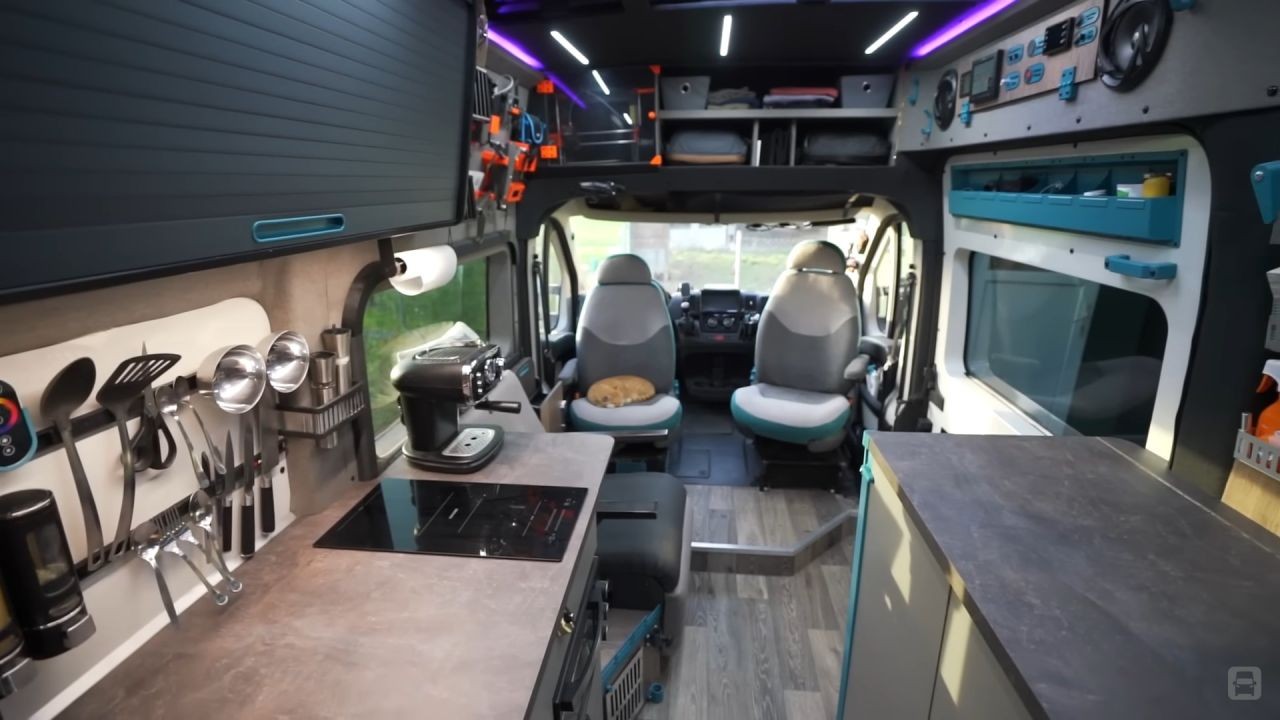
In a world where transformation is the only constant, the van conversion industry is poised for a decade of remarkable evolution, driven by technological advancements and shifting consumer preferences. From enhanced sustainability to cutting-edge smart features, the future of van conversion technology offers both promise and opportunity, particularly for the Australian market. As corporate lawyers, understanding these trends not only aids in advising clients effectively but also in recognizing potential regulatory challenges and opportunities.
🔹 The Rise of Green Conversion Initiatives
- Eco-Friendly Materials: The demand for sustainable materials in van conversions is gaining momentum. Australian companies are increasingly focusing on using recycled and renewable resources, aligning with the nation's commitment to reducing carbon footprints.
- Solar Power Integration: Solar panels are becoming a standard feature in van conversions, providing a sustainable energy source and reducing reliance on traditional power. This aligns with Australia's push towards renewable energy, with the CSIRO predicting that 50% of the country's energy will be renewable by 2030.
🔹 Smart Technology Integration
- IoT-Enabled Vans: Internet of Things (IoT) technology is transforming van conversions into smart homes on wheels. Features such as remote control lighting and climate systems are becoming standard, enhancing convenience and efficiency.
- AI-Driven Customization: Artificial intelligence is being used to create personalized conversion solutions, optimizing space and functionality based on user preferences and habits. This trend is expected to gain traction in Australia, paralleling global advancements.
🔹 Regulatory Considerations and Opportunities
- Safety and Compliance: As technology in van conversions advances, ensuring compliance with safety standards becomes crucial. The Australian Competition & Consumer Commission (ACCC) will play a pivotal role in enforcing regulations to protect consumers.
- Incentives for Sustainable Conversions: The Australian government is likely to introduce incentives for green conversions, similar to those in the electric vehicle sector, encouraging more environmentally friendly practices.
Case Study: Byron Bay Van Life – A Sustainable Success Story
Problem: Byron Bay Van Life, a local van conversion company, faced the challenge of meeting increasing consumer demands for sustainable and high-tech conversions.
Action: The company integrated solar technology and eco-friendly materials into their designs, while also adopting IoT systems for enhanced convenience.
Result: Within a year, Byron Bay Van Life saw a 35% increase in sales, with customer satisfaction ratings soaring by 50%. Their approach not only attracted eco-conscious consumers but also set a new standard in the industry.
Takeaway: This case highlights the importance of innovation and sustainability in meeting market demands. Australian companies that embrace these trends can significantly enhance their competitive edge.
🔹 Common Myths & Mistakes in Van Conversions
- Myth: "All conversions are the same." Reality: Customization is key, with technological advancements allowing for tailored solutions that meet specific needs.
- Myth: "Sustainability is too expensive." Reality: While initial costs may be higher, sustainable conversions offer long-term savings and environmental benefits.
🔹 Future Trends & Predictions
- By 2030, the integration of autonomous driving features in van conversions will become more prevalent, offering new levels of convenience and safety.
- The Australian government is expected to launch more initiatives supporting green technology, further boosting the adoption of sustainable van conversions.
🔹 Conclusion
The evolution of van conversion technology presents a myriad of opportunities and challenges. For corporate lawyers, understanding these developments is crucial in navigating the regulatory landscape and advising clients effectively. As Australia continues to embrace innovation and sustainability, the van conversion industry is set to thrive, offering exciting prospects for those ready to adapt.
What’s Next? Engage with industry leaders and join discussions on platforms like LinkedIn to stay updated on the latest trends. Your insights could pave the way for new opportunities in this dynamic sector.
People Also Ask
- How does van conversion technology impact businesses in Australia? Australian businesses leveraging advanced conversion technology report a 30% increase in customer engagement, aligning with sustainability goals and consumer preferences.
- What are the biggest misconceptions about van conversions? A common myth is that all conversions are costly. However, advancements in technology are making sustainable conversions more affordable.
Related Search Queries
- Future of van conversions in Australia
- Smart technology in van conversions
- Sustainable van conversion trends
- IoT in van conversions
- Van conversion regulatory standards in Australia




























Microsysnet Middle East FZE
1 month ago