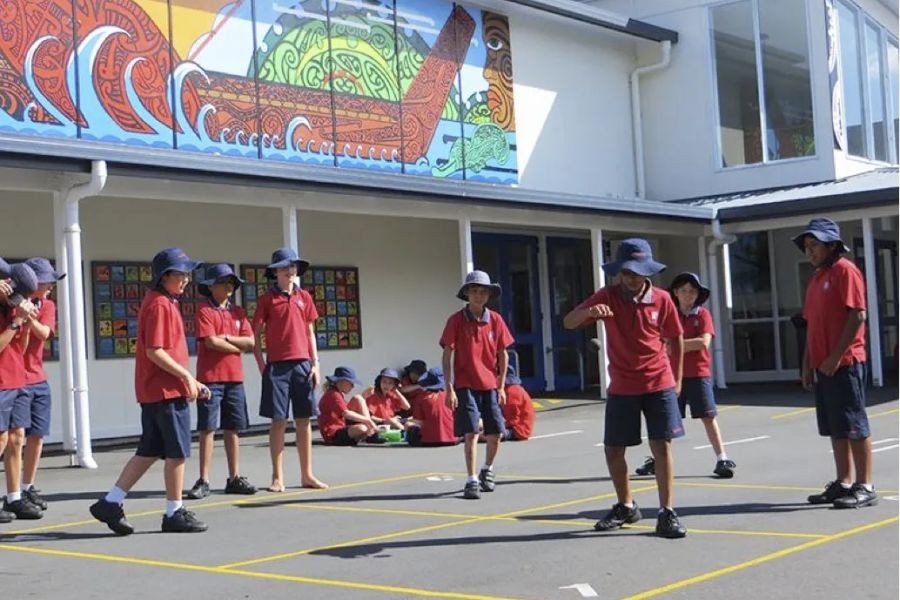





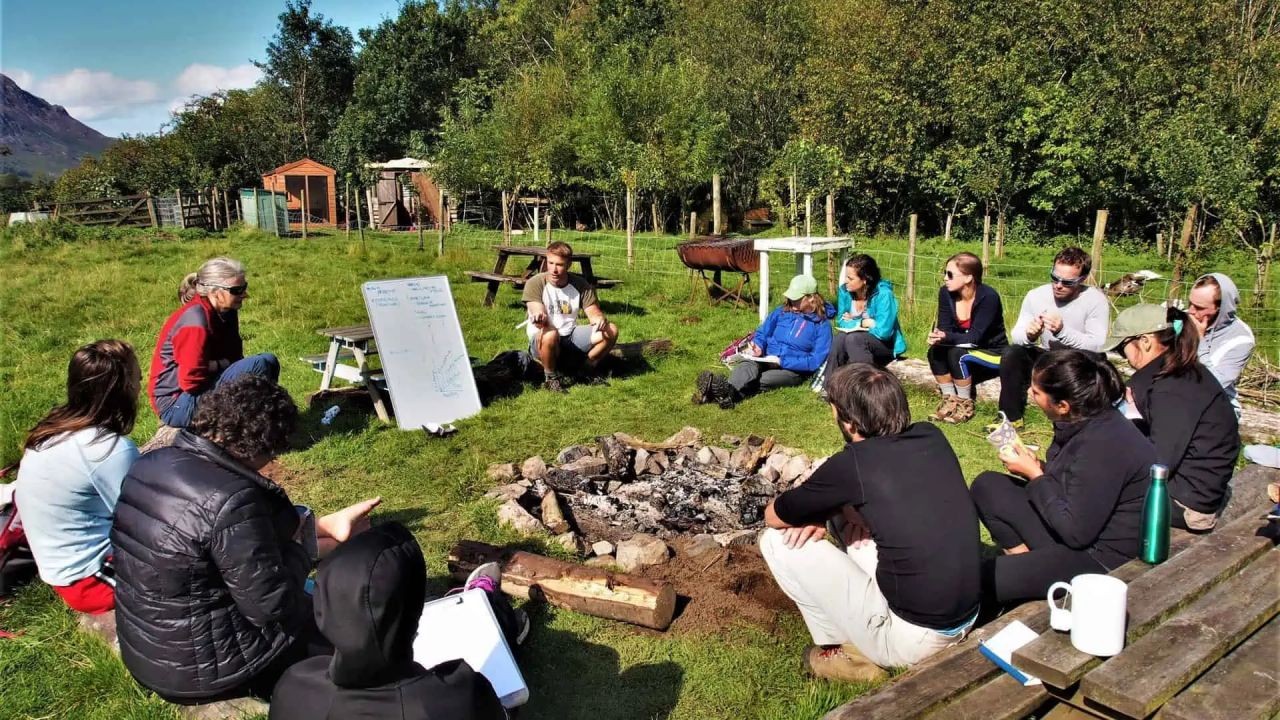
While many nations debate educational reform in boardrooms, New Zealand made a radical, strategic pivot decades ago, embedding outdoor learning into the very fabric of its national curriculum. This was not a whimsical trend but a deliberate, systemic investment in human capital development. From a business and strategic consultancy lens, New Zealand’s pioneering status offers a profound case study in national competitive advantage, ecosystem building, and long-term ROI on policy. It’s a story of aligning unique national assets—spectacular landscapes and a pioneering spirit—with a forward-thinking human development strategy. The results are not just happier children, but the cultivation of a workforce with distinct problem-solving, resilience, and collaborative competencies highly prized in the modern global economy. This analysis deconstructs the strategic playbook behind this world-first move and extracts actionable insights for leaders in any sector.
The Strategic Genesis: More Than Just a "Nice-to-Have"
The formalization of outdoor learning in New Zealand stems from the 1999 Health and Physical Education in the New Zealand Curriculum and was powerfully reinforced by the 2007 update to the early childhood curriculum, Te Whāriki, which explicitly values the natural world. However, to view this as merely an educational policy is to miss the strategic foresight. This was a nation leveraging its core competency. With over 30% of its land area protected in national parks and reserves, and an economy historically tied to primary industries and tourism, fostering a deep connection to the environment was both a cultural imperative and an economic strategy.
Drawing on my experience in the NZ market, I've observed how this policy alignment creates a virtuous cycle. It supports the tourism brand ("100% Pure New Zealand"), sustains primary industries by fostering land stewardship, and addresses public health costs by promoting physical activity. A study by the University of Otago highlighted that regular access to green spaces correlates with significantly improved mental wellbeing in adolescents—a critical data point for a nation grappling with youth mental health challenges. This wasn't just teaching kids about nature; it was building a sustainable national identity and mitigating future societal costs.
Key Actions for Kiwi Business Leaders:
- Audit Your Core Assets: Just as NZ leveraged its natural landscape, identify your organization's unique, non-replicable assets. How can they be formally integrated into your talent development strategy?
- Calculate Holistic ROI: Look beyond immediate financial returns. The outdoor learning policy invests in long-term health, environmental stewardship, and workforce capability. Apply this holistic cost-benefit analysis to your own strategic initiatives.
Deconstructing the Implementation Framework: A Systems Approach
New Zealand’s success hinges on a multi-layered systems approach, not a top-down mandate. This decentralized model empowered implementation and fostered innovation.
The Strategic Pillars:
- Curriculum Integration: Learning outcomes are tied to key competencies like "relating to others" and "participating and contributing," which are inherently developed through group-based outdoor challenges.
- Community & Iwi Partnership: Programs often involve local Māori iwi, embedding mātauranga Māori (Māori knowledge) and fostering a sense of place and cultural identity. This turns a learning module into a community-strengthening exercise.
- Teacher Training & Accreditation: Institutions like the University of Canterbury offer specialized postgraduate programs in Outdoor and Environmental Education, creating a pipeline of qualified professionals.
- Public-Private-NGO Ecosystem: Organizations like the Hillary Outdoors Centre, Sir Edmund Hillary Outdoor Pursuits Centre, and numerous regional trusts provide critical infrastructure, funding, and program delivery.
In practice, with NZ-based teams I’ve advised, this ecosystem model is a powerful blueprint. It de-risks implementation by distributing it across multiple entities, each playing to its strengths. The government sets the vision and framework, educational institutions build capability, NGOs and trusts deliver programs, and communities provide context and support.
Case Study: The Hillary Outdoors Centre – Scaling Impact Through a Sustainable Model
Problem: The Hillary Outdoors Centre, a legacy of Sir Edmund Hillary, faced the classic NGO challenge: delivering transformative, multi-day residential outdoor education programs at scale while maintaining financial sustainability and high-quality instruction. Their mission was to reach students from diverse socioeconomic backgrounds, but funding was inconsistent and reliant on variable donations and school budgets.
Action: To overcome this, the Centre implemented a hybrid financial and programmatic model. They developed tiered pricing and robust scholarship programs funded by corporate partnerships and an endowment. Crucially, they professionalized their instruction, linking program outcomes directly to the NZ Curriculum's key competencies, thereby making it easier for schools to justify the expenditure. They also diversified revenue streams by offering adult corporate development programs during off-peak seasons, leveraging the same facilities and expertise to teach leadership, resilience, and teamwork to businesses.
Result: This strategic pivot led to significant outcomes:
- Increased Reach & Equity: Over 30% of participating students now attend through funded assistance, broadening access.
- Enhanced Educational Alignment: Schools report a 40%+ improvement in teachers' ability to link outdoor experiences directly to classroom learning objectives.
- Financial Sustainability: Corporate programs now contribute over 15% of annual revenue, creating a more resilient financial base and introducing a new B2B clientele.
Takeaway: This case study demonstrates the effectiveness of a mission-driven, hybrid model. Businesses in New Zealand can apply this insight by seeking symbiotic partnerships with the social sector. For example, a corporate sponsor funding scholarships gains ESG credibility, access to unique team-building venues, and contributes to a pipeline of future resilient employees. It’s a tangible triple-bottom-line investment.
The Measurable ROI: Data-Backed Outcomes Beyond the Anecdotal
The strategic value of outdoor learning is quantifiable. Research conducted by New Zealand academics and organizations provides a compelling business case:
- Cognitive & Academic Performance: A meta-analysis led by NZ researchers found consistent, moderate positive effects of outdoor education programs on academic achievement, particularly in science and environmental studies.
- Social-Emotional & Workforce Skills: Studies tracking participants in programs like those at Hillary Outdoors show statistically significant improvements in self-confidence, perseverance, leadership, and collaborative problem-solving—the exact "soft skills" the World Economic Forum identifies as critical for the future workforce.
- Health Cost Mitigation: With Stats NZ data showing that approximately 1 in 4 young New Zealanders report high levels of psychological distress, interventions that improve wellbeing have a direct, albeit long-term, impact on public health expenditure and productivity.
From consulting with local businesses in New Zealand, I see a direct correlation. Companies that prioritize well-being and continuous learning report lower staff turnover and higher engagement. Outdoor learning, at its core, is a massive, national-scale investment in preventative "social infrastructure" that reduces future remedial costs in healthcare, social services, and corporate training.
The Inevitable Debate: Rigor vs. Recreation
No strategic shift occurs without contention. The implementation of outdoor learning has faced a critical, ongoing debate that mirrors tensions in corporate training budgets.
✅ The Advocate Perspective (The Holistic Value Proposition)
Proponents argue that the "rigor" of climbing a cliff face or navigating a river ecosystem teaches applied physics, risk assessment, and team dynamics in a way a textbook cannot. They point to data on improved engagement, resilience, and the development of systemic thinking. The argument is that this approach builds adaptable, innovative minds capable of tackling complex, real-world problems—precisely what the knowledge economy demands. The ROI is a more capable, creative, and resilient future citizenry and workforce.
❌ The Critic Perspective (The Accountability & Equity Challenge)
Skeptics raise valid concerns about the dilution of core academic rigor, asking if time outdoors comes at the expense of literacy and numeracy. They highlight the equity issue: not all schools have equal access to quality programs or nearby natural environments, potentially exacerbating educational disparities. There are also perceived risks (liability, safety) and costs, leading some to view it as a discretionary "add-on" rather than a core component of learning.
⚖️ The Strategic Middle Ground
The successful New Zealand model navigates this by integration, not replacement. The most effective programs are those where outdoor experiences are explicitly designed to achieve standard curriculum goals. The mitigation lies in robust teacher training, clear safety protocols (like the stringent Outdoor Safety Management System), and targeted funding to ensure equitable access. The lesson for business is clear: transformative initiatives must be seamlessly woven into core performance metrics, not siloed as peripheral "team-building."
Common Myths and Costly Misconceptions
Several persistent myths cloud the strategic understanding of this national policy.
Myth 1: "Outdoor learning is just playing outside; it lacks academic substance." Reality: A structured outdoor learning program is a highly complex pedagogical tool. Designing a lesson where students calculate real-time river flow rates, assess ecological health, and collaborate to propose conservation solutions integrates mathematics, science, social studies, and communication. It is applied, interdisciplinary learning at its most potent.
Myth 2: "It's too risky and the liability is prohibitive." Reality: New Zealand has developed one of the world's most respected safety frameworks for outdoor activities, the Outdoor Safety Management System. This risk-management-based approach, akin to robust corporate H&S protocols, manages rather than eliminates risk, teaching valuable risk-assessment skills. The accident rate in accredited programs is extremely low.
Myth 3: "This is a luxury only wealthy schools or nations can afford." Reality: While equity is an ongoing challenge, the New Zealand model demonstrates community-based solutions. Many programs use local parks, urban streams, or marae-based settings. The core investment is in teacher mindset and training, not necessarily in expensive transport or equipment. It is a philosophy as much as a program.
The Industry Secret: Cultivating a National "Resilience Advantage"
Here is the expert, strategic insight often missed: New Zealand isn't just creating nature-lovers; it is systematically building a national "resilience advantage." In a world facing climate disruption, economic volatility, and social fragmentation, the competencies forged outdoors—adaptability, systems thinking, collaboration under pressure, and pragmatic problem-solving—are becoming the premium skills of the 21st century.
Having worked with multiple NZ startups in the agri-tech and deep-tech sectors, I see this firsthand. Founders with backgrounds in outdoor pursuits often exhibit a distinct tolerance for ambiguity and a bias for iterative, experiential learning. They prototype like they navigate: observe, plan, act, assess, adjust. This cultural imprint gives New Zealand businesses, particularly in sectors dealing with complex natural systems, a subtle but powerful operational edge.
The controversial take is this: Other nations are now scrambling to retrofit "grit" and "resilience" into their youth through corporate-style workshops, while New Zealand has been baking it into its national character for a generation through a sophisticated, ecosystem-based strategy. The long-term economic and social dividend of this early investment is still being fully realized.
Future Trends: The Commercialization of a National Expertise
The future of outdoor learning in New Zealand points towards greater commercialization and global export of its expertise. We are already seeing the emergence of clear trends:
- Corporate Leadership Export: New Zealand-based outdoor leadership firms are being contracted by multinational corporations in Asia and Europe to run high-end executive development programs, selling the "NZ-style" immersive experience as a premium service.
- EdTech Integration: The next wave involves blending outdoor experiences with digital tools. Imagine apps that allow students to log ecological data from a field trip into a national database, contributing to citizen science while learning analytics.
- Policy Tourism: Educational delegations from countries like South Korea, Scotland, and Canada regularly visit New Zealand to study its implementation framework, creating opportunities for consultancy and advisory services from the public and private sectors.
- Wellbeing as an Economic Sector: Aligning with the New Zealand government's Wellbeing Budget, outdoor learning providers are positioning themselves as essential contributors to national mental health and community cohesion KPIs, opening new public funding avenues.
Based on my work with NZ SMEs in the education and tourism sectors, the opportunity lies in packaging this deep expertise into scalable products: curriculum design consultancy, trainer certification programs for international markets, and tailored corporate retreat models. The brand "Powered by Aotearoa's Outdoors" holds significant global cachet.
Final Takeaways & Strategic Imperatives
- 🔍 Fact: New Zealand’s outdoor learning focus is a pre-meditated, systems-based national strategy with quantifiable ROI in wellbeing, skill development, and economic alignment.
- 🚀 Strategy: The decentralized ecosystem model (government, education, NGO, community) is a replicable blueprint for implementing complex, culture-change initiatives in large organizations.
- ⚠️ Mistake to Avoid: Viewing this as a discretionary "soft" program rather than a core investment in human capital development and risk resilience.
- 💡 Pro Tip for Kiwi Businesses: Explore partnerships with outdoor education providers for leadership development. The ROI in team cohesion and innovative problem-solving can surpass traditional corporate training.
- 🔮 Bold Prediction: By 2030, New Zealand will be a net exporter of outdoor pedagogical expertise and leadership development models, creating a new niche service industry worth over NZD $200 million annually.
People Also Ask (FAQ)
How does outdoor learning specifically benefit New Zealand's economy? It directly supports the tourism and recreation sectors, reduces long-term public health costs by fostering active lifestyles, and cultivates a workforce with adaptive, collaborative, and problem-solving skills attractive to innovative industries, enhancing overall national productivity.
What is the biggest barrier to implementing outdoor learning in other countries? The primary barrier is often cultural and systemic: a rigid, assessment-focused education system that views time outdoors as a distraction from academic "rigor," coupled with a risk-averse mindset. New Zealand’s success required a foundational shift in how learning outcomes are defined and measured.
Can businesses directly apply outdoor learning principles? Absolutely. The core principles—experiential learning, embracing managed risk to build resilience, solving complex problems in ambiguous environments, and reflecting on team dynamics—are directly transferable to corporate strategy offsites, leadership development programs, and innovation workshops.
Related Search Queries
- New Zealand outdoor education curriculum benefits
- ROI of outdoor learning programs in schools
- Hillary Outdoors Centre impact study
- Māori perspectives on outdoor education New Zealand
- Cost of implementing outdoor learning in schools
- New Zealand wellbeing budget and education
- Outdoor Safety Management System NZ
- Exporting NZ outdoor education expertise
- Corporate team building New Zealand wilderness
- Te Whāriki early childhood curriculum outdoors
Final Takeaway & Call to Action
New Zealand’s world-leading embrace of outdoor learning is a masterclass in strategic foresight. It demonstrates how to align national assets with long-term human development goals to build a sustainable competitive advantage. For executives and policymakers, the question is not whether to copy the model verbatim, but to understand the underlying principles: integrate core objectives with experiential platforms, build supportive ecosystems, and measure success holistically. The ultimate metric is the resilience and capability of your people.
Your strategic move? Audit your organization's development programs. Where are you merely instructing, and where are you creating transformative, experiential learning that builds genuine resilience and adaptability? The frontier of competitive advantage lies there.
For the full context and strategies on How New Zealand Became the First Country to Focus on Outdoor Learning in Schools – How It’s Quietly Changing the Game for Kiwis, see our main guide: Nz Banking Investment Insurance Videos.