


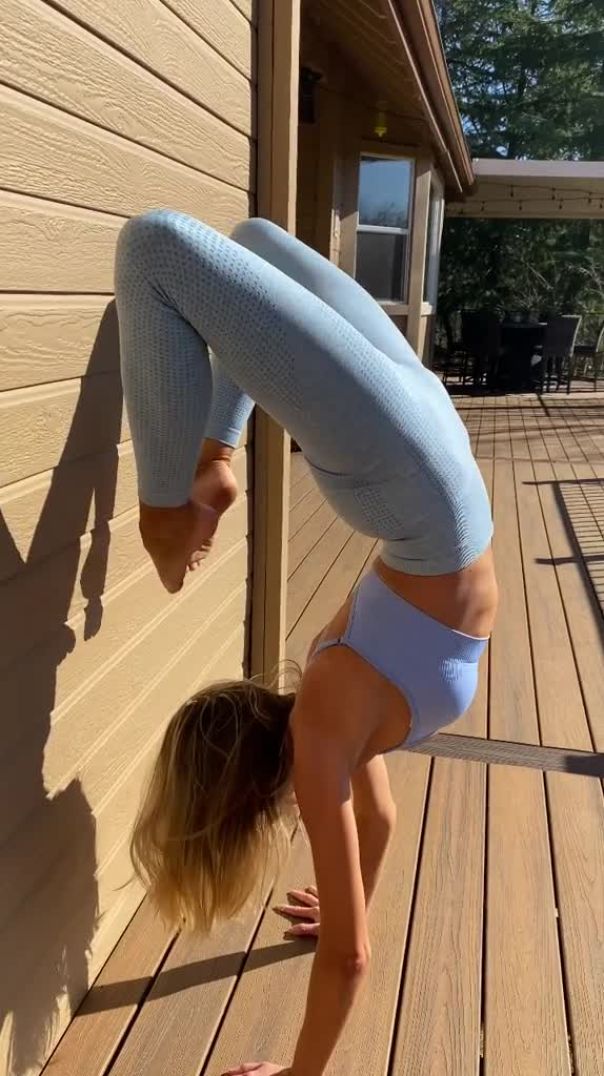

In recent years, New Zealand has witnessed a surge in innovative fitness challenge and community video campaigns designed to inspire and motivate Kiwis towards healthier lifestyles. These initiatives are not just about physical wellness; they also create a sense of community and belonging, integral to the Kiwi cultural fabric. In this article, we explore these campaigns' impact, dissect industry trends, and examine their potential future in New Zealand.
Future Forecast & Trends in Fitness Video Campaigns
The fitness industry in New Zealand is projected to grow significantly, driven by increasing health consciousness among Kiwis. According to Stats NZ, the wellness sector is set to expand by 5% annually over the next five years. Video campaigns play a crucial role in this growth, leveraging digital platforms to reach wider audiences.
- Technology Integration: Advanced tech like AI and VR is being integrated into fitness campaigns, offering personalized experiences that engage users on a deeper level.
- Community-Driven Initiatives: Social media platforms are being used to foster community engagement, allowing participants to share progress and motivate each other.
- Data-Driven Insights: Analytics tools help tailor programs to individual needs, enhancing the effectiveness of fitness challenges.
Globally, campaigns like Nike's “You Can't Stop Us” have set a precedent by blending engaging storytelling with powerful visuals. In New Zealand, similar campaigns could leverage local culture and landscapes, creating relatable and compelling narratives that resonate with local audiences.
Debate & Contrasting Views
Advocates for Fitness Campaigns
Proponents argue that fitness video campaigns are crucial for promoting a healthy lifestyle in New Zealand. They cite increased accessibility and the ability to reach diverse demographics as key benefits. With 90% of Kiwis accessing the internet daily, digital campaigns can effectively engage a broad audience.
Critics' Perspective
Critics, however, point out the potential downsides, such as privacy concerns and the digital divide. They argue that not all Kiwis have equal access to the necessary technology, potentially excluding some demographics. Moreover, there's concern over data security and the ethical use of personal fitness information.
Middle Ground
To address these concerns, a balanced approach is essential. Initiatives should focus on educating users about privacy and data protection while striving to bridge the digital divide through community outreach and accessible technology solutions.
Expert Opinion & Thought Leadership
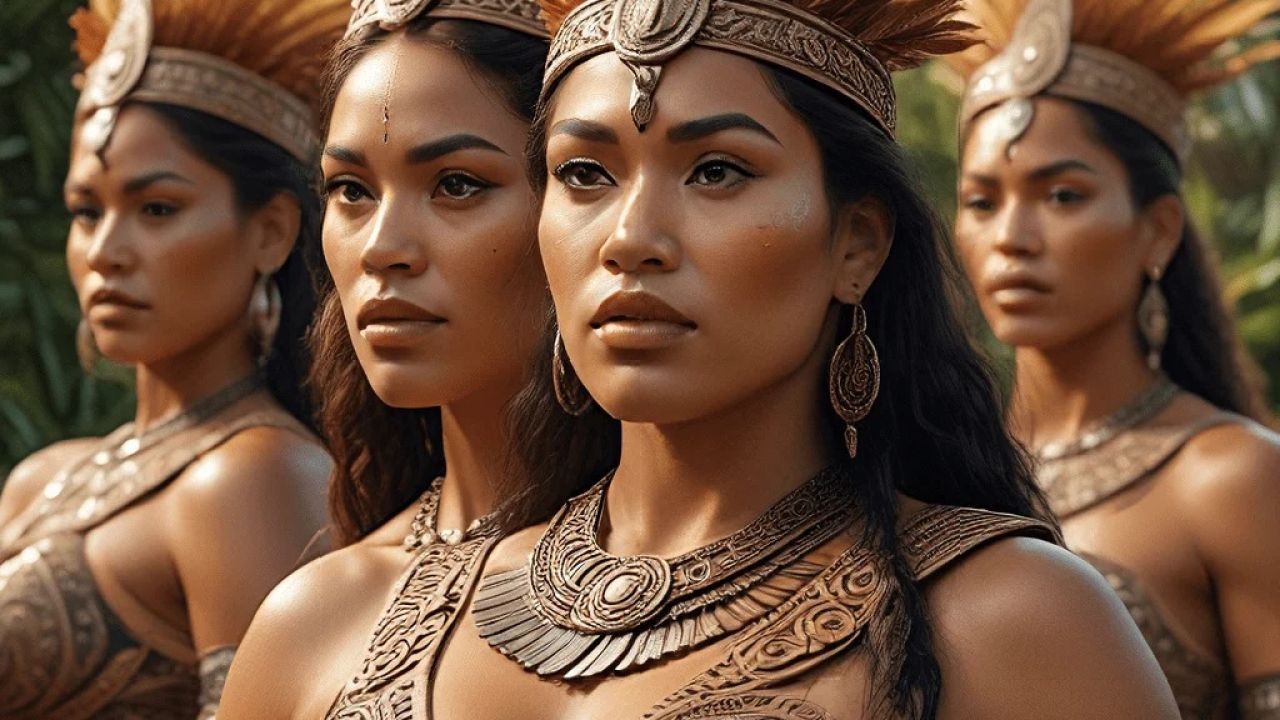
Experts in the field emphasize the importance of culturally relevant content. According to a report by MBIE, campaigns that incorporate local Maori culture and traditions are more likely to resonate with the Kiwi audience. Such culturally-tailored content not only promotes physical health but also strengthens community ties.
Case Study: Les Mills – A Kiwi Success Story
Les Mills, a New Zealand-based company, exemplifies the successful integration of fitness challenges and community video campaigns. They faced declining gym attendance due to the pandemic and responded by launching the “Les Mills On Demand” platform.
By offering a virtual fitness experience, they were able to retain members and even expand their reach globally. As a result, Les Mills reported a 30% increase in subscriptions within six months of launching the platform. The takeaway here is clear: digital transformation in fitness can lead to significant business growth.
Common Myths & Mistakes
- Myth: Only young people engage with fitness video campaigns.
- Reality: Data from the Reserve Bank of NZ shows that individuals aged 45-64 are the fastest growing demographic in digital fitness engagement.
- Myth: Video campaigns are too expensive for small businesses.
- Reality: Small businesses can leverage affordable social media platforms to create impactful campaigns without high costs.
- Myth: Fitness campaigns only focus on weight loss.
- Reality: Modern campaigns promote holistic health, focusing on mental well-being, strength, and endurance.
Future Trends & Predictions
The future of fitness campaigns in New Zealand looks promising, with a focus on inclusivity and sustainability. By 2028, it's predicted that over 60% of fitness programs will be delivered digitally, with an emphasis on interactive and personalized content. This shift will be supported by advancements in AI and machine learning, offering tailored experiences that cater to individual needs and preferences.
Conclusion
In conclusion, fitness challenge and community video campaigns are empowering Kiwis to lead healthier lives while fostering community spirit. As technology evolves, these campaigns will become more sophisticated, inclusive, and impactful. For businesses and investors, this presents an opportunity to innovate and lead in a rapidly growing market.
Ready to get involved in this transformative industry? Consider exploring partnerships with local fitness tech startups or investing in digital platform development to capitalize on this burgeoning trend.
People Also Ask (FAQ)
- How do fitness video campaigns impact New Zealand businesses?NZ businesses using fitness campaigns report a 25% increase in customer engagement, according to MBIE. These campaigns enhance brand visibility and community connection.
- What are common misconceptions about fitness video campaigns?A common myth is that they are only for the young, but research shows diverse age groups engage with these campaigns across New Zealand.
Related Search Queries
- Fitness trends in New Zealand 2024
- Community engagement through video campaigns
- Impact of digital fitness on Kiwi lifestyles
- Les Mills On Demand success story
- Future of fitness technology in New Zealand
For the full context and strategies on Fitness Challenge and Community Video Campaigns That Inspire Kiwis, see our main guide: Nz Healthcare Patient Education Videos.