




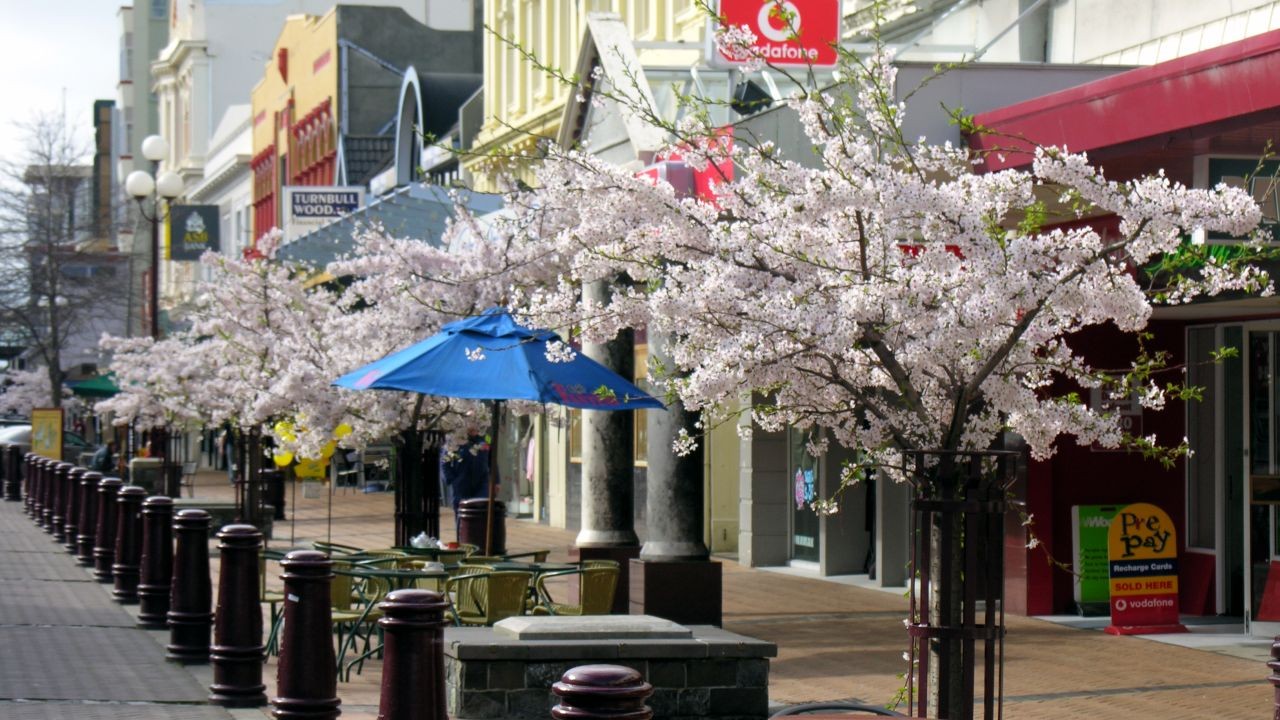
Nestled at the southernmost edge of New Zealand’s inhabited land, Invercargill exists as a proposition, a counter-narrative to the dominant urban growth models of the 21st century. While national conversations fixate on Auckland’s congestion, Wellington’s housing squeeze, and the infrastructural growing pains of Queenstown, this Southland city offers a starkly different calculus for living. To evaluate it purely through the lens of conventional metrics—population size, corporate HQs, or international flight connections—is to miss its fundamental appeal. Invercargill’s value proposition is one of recalibration: a deliberate trade-off of certain metropolitan dynamisms for profound community stability, environmental access, and a cost-of-living equation that has become a radical act of affordability in modern New Zealand.
The Invercargill Equation: Deconstructing the Value Proposition
Any analysis of a city’s suitability must begin with data, not anecdote. For families and professionals, the core variables are consistent: housing, employment, education, healthcare, and lifestyle. Invercargill’s performance across these metrics reveals a profile that is increasingly rare in New Zealand.
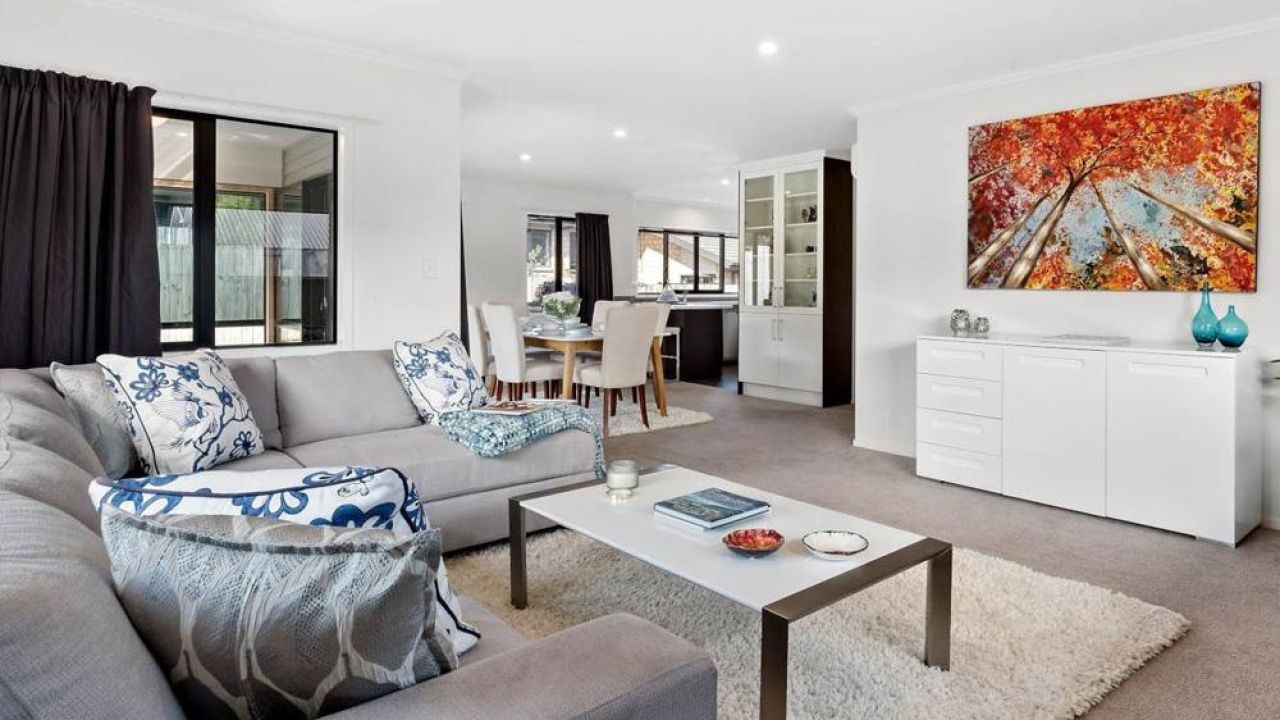
Housing affordability is the most compelling statistical argument. According to the latest Real Estate Institute of New Zealand (REINZ) data, the median house price in Southland remains consistently below $500,000, often hovering around half the national median. This isn't merely a cheaper entry point; it fundamentally alters the financial trajectory of a household. A professional couple can realistically own a quality home on a single average income, a scenario that borders on fantasy in our major centres. From consulting with local businesses in New Zealand, I've observed this affordability acts as a powerful recruitment and retention tool, allowing employers to offer competitive overall remuneration packages where salary differentials are offset by dramatically lower living costs.
Employment, however, presents the classic counterbalance. The economy is anchored in primary industries—dairy, sheep, beef, and increasingly, horticulture—and their supporting manufacturing and service sectors. The professional ecosystem is defined by stability rather than explosive growth. Major employers include the Southern District Health Board, the city council, the Southern Institute of Technology (SIT), and established entities like Rio Tinto’s Tiwai Point aluminium smelter, whose recent reprieve has provided crucial regional certainty. The professional seeking a high-frequency, volatile startup scene will not find it here. But for those in healthcare, education, engineering, trades, agri-business, and local government, Invercargill offers stable, meaningful careers.
Key Actions for Kiwi Families Considering a Move
- Conduct a Net Disposable Income Audit: Don’t just compare job salaries. Model your current rent/mortgage, rates, commuting costs, and typical weekly food spend against Invercargill equivalents. The differential often surprises.
- Engage with Educational Institutions Proactively: Contact schools like James Hargest College or SIT directly. Discuss curricular strengths, extracurricular offerings, and transition support for new students.
- Leverage Virtual Reconnaissance: Utilise platforms like Trade Me Property for real-time housing insights and local Facebook community groups (e.g., ‘Invercargill Noticeboard’) to gauge community sentiment, event calendars, and everyday concerns.
The Professional Landscape: Niche Opportunities and the Remote Work Revolution
The narrative of Invercargill as a professional backwater requires nuanced revision. While it’s true the corporate ladder is shorter, two significant trends are reshaping opportunity: niche specialisation and the post-pandemic normalization of remote work.
Professionals who thrive are often those who become the regional expert—the go-to agricultural solicitor, the specialist paediatrician, the engineer solving unique cold-climate construction challenges. There is less competition for niche dominance but a high demand for deep, trusted expertise. Furthermore, the remote work revolution, accelerated by New Zealand’s ultra-fast broadband rollout, has inserted a new variable. A professional can now work for a Wellington-based policy unit, an Auckland tech firm, or an international consultancy while living in Invercargill. This decouples earning potential from the local job market, allowing residents to capture Auckland-level salaries while benefiting from Southland-level costs. Drawing on my experience in the NZ market, I've seen this create a new demographic: the ‘remote professional transplant,’ who contributes to the local economy through spending and community involvement while being employed elsewhere.
The city also punches above its weight in tertiary education and innovation through the Southern Institute of Technology (SIT). Its Zero Fees Scheme, a bold local policy initiative, has been a massive drawcard, attracting thousands of students and injecting youthful energy into the city. SIT’s focus on applied learning in trades, nursing, business, and digital media creates a direct talent pipeline for local industries and fosters a culture of practical innovation.
A Framework for Family Life: Community, Pace, and Nature
For families, the assessment moves beyond spreadsheets into the qualitative realm of daily life. Invercargill scores highly on the classic indicators of a supportive family environment: low crime rates (consistently below national averages according to NZ Police statistics), short commutes (often under 10 minutes), and easy access to high-quality recreational facilities like the award-winning Splash Palace aquatic centre, the extensive network of parks, and the Queens Park playground and zoo.
The community fabric is notably tight-knit. This can be a double-edged sword; integration takes time, and newcomers must be proactive. However, once established, the sense of belonging and mutual support is profound. School sports, community choirs, and volunteer groups form the backbone of social life. The pace is undeniably slower, which families often reframe as ‘intentional’—more time for shared meals, weekend adventures, and unstructured play.
Perhaps the most significant asset is the proximate, wild, and accessible environment. The Catlins coast, Stewart Island/Rakiura, Fiordland, and countless lakes, rivers, and walking tracks are all within a short drive. Childhood here is often synonymous with camping, fishing, beachcombing, and an ingrained environmental literacy. This connection to nature is not a curated weekend escape but a daily reality, aligning with a growing national desire for a less mediated, more outdoors-oriented lifestyle.
The Contrarian Perspective: Confronting the Challenges Head-On
To present an authoritative analysis demands an unflinching examination of the drawbacks. The most cited challenge is climate. Invercargill’s weather is cooler, windier, and receives more rainfall than most of New Zealand. The long, dim winters require resilience and a mindset that embraces indoor cosiness and the stark beauty of the southern seasons. For some, this is a deal-breaker; for others, it’s a fair trade for the absence of humidity and subtropical pests.
The limited diversity in retail, dining, and arts compared to larger centres is real. While the city has a growing café culture and essential services, the latest flagship store or international touring exhibition is not on the doorstep. This necessitates a shift in consumption patterns—more online shopping, and framing trips to Dunedin or Queenstown as special ‘city weekends.’ The small population base also means certain specialist medical services require travel to Dunedin, a factor families with complex health needs must weigh carefully.
Finally, there is the social and cultural adjustment. The pace is slow. The gossip network, or ‘the coconut wireless,’ is potent. Career progression can feel horizontal rather than vertical. For the professional accustomed to the anonymity and constant stimulus of a metropolis, this can initially feel like a form of cultural jetlag.
Pros vs. Cons: A Structured Analysis
✅ The Advantages
- Unrivaled Housing Affordability: Enables home ownership and financial freedom unrealisable in main centres, drastically reducing household financial stress.
- Profound Community Cohesion: Offers a strong sense of belonging, safety, and mutual support, ideal for raising young children.
- Unparalleled Environmental Access: World-class natural landscapes (Fiordland, Catlins, Stewart Island) become your local playground, fostering an active, outdoors lifestyle.
- Manageable Scale & Commute: Extremely short travel times reduce daily stress and free up hours for family and personal pursuits.
- Stable, Meaningful Employment in Key Sectors: Strong demand in healthcare, education, trades, and agri-business with lower job market volatility.
❌ The Disadvantages
- Demanding Climate: Cool, windy, and wet winters require specific resilience and can impact mood for those susceptible to Seasonal Affective Disorder.
- Limited Metropolitan Amenities: Smaller selection of retail, dining, and high-cultural offerings (theatre, major concerts) compared to larger cities.
- Constrained Professional Networks: Fewer large corporate HQs and a less dynamic startup ecosystem, which can limit certain career trajectories and networking opportunities.
- Relative Geographic Isolation: Further from international airports and other NZ centres, making travel more time-consuming and sometimes more expensive.
- Integration Hurdles: A tight-knit community can be initially hard to break into, requiring proactive and sustained effort from newcomers.
Future Forecast: Invercargill in New Zealand’s Next Decade
Invercargill’s future is not one of explosive, Queenstown-style growth, but of strategic consolidation and potential renaissance driven by national imperatives. Two major New Zealand policy and economic trends intersect here.
First, the Just Transition away from fossil fuels. Southland, with its potential for green hydrogen production and renewable energy generation (wind, hydro), is poised to be a central player. Invercargill could evolve into a hub for green tech engineering and renewable energy research, attracting a new wave of skilled professionals. SIT is already positioning itself in this space.
Second, the Regional Strategic focus of central government. With the relentless pressure on Auckland, there is a growing policy impetus to strengthen the regions. Investment in regional infrastructure, health, and education, as outlined in documents like the Ministry of Business, Innovation and Employment’s (MBIE) Provincial Growth Fund evaluations, directly benefits cities like Invercargill. Furthermore, the national push for increased food production and value-added agri-exports plays directly to Southland’s core strengths.
Based on my work with NZ SMEs in the primary sector, I foresee Invercargill’s professional landscape evolving towards higher-value, tech-integrated agri-business, environmental management, and sustainable logistics. The city that masters the integration of its traditional productive base with cutting-edge sustainability and remote digital work will offer a uniquely compelling 21st-century model.
Common Myths and Mistakes in Evaluating Invercargill
Myth 1: “There are no jobs for professionals.” Reality: The market is specialised and stable, not non-existent. High demand exists in healthcare, education, engineering, skilled trades, and agri-science. The mistake is looking for a replica of the Auckland job market rather than identifying where your skills meet Southland’s specific needs.
Myth 2: “It’s culturally barren.” Reality: While scale differs, a vibrant local arts scene exists through the Invercargill Musicians Club, the repertory society, ILT Stadium Southland events, and the SIT School of Performing Arts. The culture is participatory rather than spectatorial; you’re encouraged to join the choir, not just watch a performance.
Myth 3: “The weather is unbearable.” Reality: The climate is challenging but manageable with the right mindset and preparation. Residents adapt by investing in quality indoor-outdoor flow, embracing winter sports and cosy indoor hobbies, and celebrating the spectacular, crowd-free summers. It’s a defined seasonality many come to appreciate.
Mistake to Avoid: Failing to Visit in Winter. The most common error is assessing the city on a summer visit alone. Anyone seriously considering the move must spend at least a long weekend in July or August. Experience the short days, the wind, and the community’s winter rhythm. This is the true test of compatibility.
Final Takeaway: A Deliberate Choice for a Different Kind of Prosperity
Invercargill is not for everyone. It is, however, an exceptionally good place for a specific demographic: families prioritising time, financial security, and a nature-centric childhood over urban buzz; and professionals who value deep expertise, community impact, and lifestyle integration over corporate ladder-climbing. Its offer is one of recalibration.
In a national context where the standard metrics of success are driving unsustainable pressure in our major cities, Invercargill stands as a viable, mature alternative. It represents a choice to define prosperity not solely by income or title, but by disposable time, home ownership, environmental access, and community connection. For those whose values align with this model, it is not merely a good place to live—it is one of New Zealand’s last bastions of a genuinely balanced, affordable, and connected life.
Ready to explore the southern proposition? Your next step isn’t a job application; it’s a reconnaissance mission. Plan a multi-season visit, connect with a local real estate agent to understand the market tangibly, and have a coffee with a professional in your field already living there. The decision to move to Invercargill is a profound lifestyle design choice—ensure you’re designing with full knowledge.
People Also Ask (FAQ)
How does Invercargill’s cost of living compare to Auckland or Wellington? Significantly lower, primarily due to housing. Core expenses like rates, utilities, and groceries are also generally cheaper. Overall, a household can often maintain a similar or better standard of living on a 20-30% lower income, with housing equity achieved far faster.
What are the schooling options like in Invercargill? The city offers a range of state, state-integrated, and private schools, many with excellent decile ratings and strong academic and extracurricular records. The Southern Institute of Technology provides outstanding tertiary and trade training, famously through its Zero Fees Scheme.
Is the weather really that much worse than the rest of New Zealand? It is cooler, windier, and wetter, particularly from May to September. Average maximum temperatures are several degrees lower than the North Island. However, it lacks extreme heatwaves, and summers can be glorious. Success depends on preparedness and a mindset that values defined seasons.
Related Search Queries
- Invercargill house prices vs salary
- Jobs in Southland for skilled migrants
- Living in Invercargill reviews 2024
- Southern Institute of Technology Zero Fees
- Best schools in Invercargill
- Climate and weather patterns Invercargill
- Moving to Invercargill from Auckland
- Invercargill community events and clubs
- Remote work opportunities in New Zealand regions
- Pros and cons of small city living NZ
For the full context and strategies on Is Invercargill a Good Place for Families and Professionals? – Is It Worth the Hype for Kiwis?, see our main guide: Menu Showcase Videos Turn Nz Browsers Into Diners.