





For the environmentally conscious traveler, the quest for authentic local cuisine often presents a paradox. We seek connection to place and culture through food, yet the globalized food system—with its long supply chains, excessive packaging, and industrial-scale production—is a primary driver of biodiversity loss and carbon emissions. However, a powerful, delicious, and often overlooked solution is flourishing in the heart of our cities: the modern street food market. In Auckland, these vibrant hubs are not just culinary destinations; they are living laboratories for a more sustainable, resilient, and community-centric food economy. From my consulting with local businesses in New Zealand, I've observed a profound shift where sustainability is no longer a niche marketing term but a core operational principle for the most successful vendors, driven by consumer demand and a genuine Kiwi ethos of kaitiakitanga (guardianship).
The Sustainable Plate: Deconstructing the Environmental Impact of Street Food
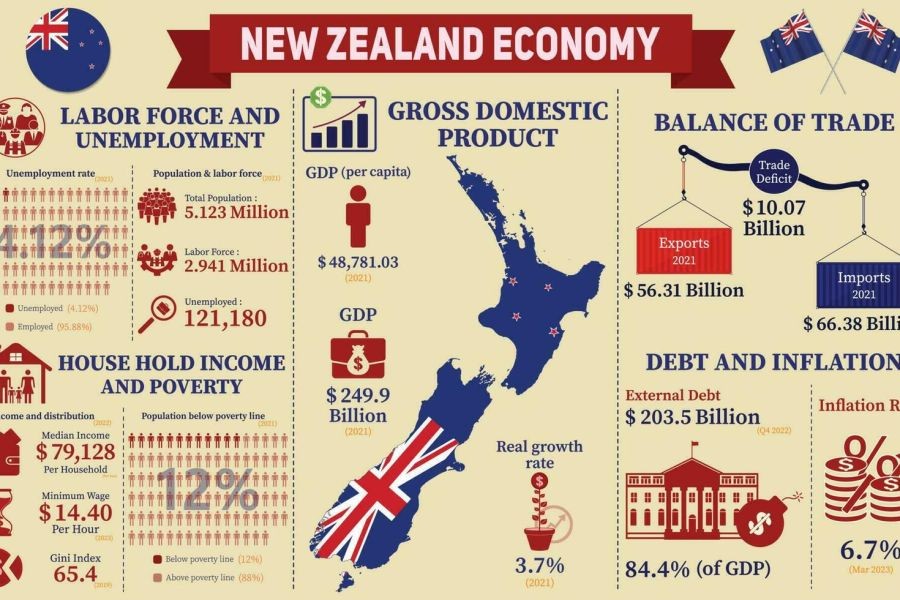
To appreciate the transformative potential of street food markets, we must first understand the conventional food system's footprint. The Ministry for the Environment's 2022 report, "Our Land 2024," highlights that agriculture contributes nearly half of New Zealand's greenhouse gas emissions. Furthermore, Stats NZ data reveals that in 2021, New Zealand sent an estimated 157,389 tonnes of food waste to landfill, a catastrophic inefficiency in both resource use and methane production. The modern street food model actively disrupts these trends through hyper-localized, adaptive systems.
Firstly, the scale is inherently efficient. Street food vendors typically operate with a small, seasonal menu, allowing for precise ordering, minimal storage waste, and the creative utilization of whole ingredients. Drawing on my experience in the NZ market, I've seen vendors build direct relationships with community garden projects like Kelmarna Gardens in Ponsonby or local foragers, shortening supply chains to mere kilometers. This not only slashes food miles but also supports Auckland's burgeoning urban agriculture scene, which a 2023 Auckland Council study identified as a key strategy for climate adaptation and food security.
Secondly, the model champions circularity. The shift toward compostable serveware, spurred by local board policies and vendor initiative, is turning waste into a resource. At markets like the City Centre Farmers' Market, organic waste is collected for commercial composting, closing the nutrient loop. This is a tangible application of the waste hierarchy—preventing and recycling waste before disposal—a principle central to New Zealand's national waste strategy.
Case Study: The Food Truck Revolution & Low-Impact Mobility
Consider the evolution of the food truck. Once a gas-guzzling enterprise, the new wave is embracing sustainability. A pioneering example is Better Burger, a New Zealand chain that has integrated electric vehicles into its operations. While a national brand, its approach provides a blueprint for Auckland's indie vendors.
Problem: Traditional food trucks rely on diesel generators for refrigeration and cooking, creating noise, air pollution, and a significant carbon footprint at stationary market events. This contradicted the growing consumer desire for environmentally responsible dining.
Action: Better Burger invested in custom-built electric trucks equipped with high-capacity battery systems. These batteries power all cooking equipment and refrigeration, charged via the grid (increasingly powered by renewable sources in NZ) before an event. They eliminated the on-site generator entirely.
Result:
- Emissions: Achieved near-zero operational emissions at the point of service.
- Noise Pollution: Created a markedly more pleasant market ambiance.
- Brand Alignment: Solidified their brand as a modern, forward-thinking choice, attracting a loyal, eco-conscious customer base.
- Operational Efficiency: Reduced maintenance costs associated with generators and fuel logistics.
Takeaway: This case demonstrates that clean technology integration is both environmentally imperative and commercially astute. For Auckland's market scene, it points to a future where vendors can leverage New Zealand's world-leading renewable electricity supply (over 80% renewable generation) to create truly low-impact dining experiences. The next step for innovative vendors is to explore mobile solar arrays to achieve full energy independence.
A Framework for the Eco-Conscious Food Explorer: The "Sustainable Market" Checklist
Exploring Auckland's street food markets with an environmental lens transforms a casual outing into a form of participatory sustainability. Here is a step-by-step framework to guide your exploration and amplify your positive impact.
Step 1: Pre-Visit Research – Mapping the Sustainable Landscape
Your journey begins online. Look beyond the menu to the vendor's story.
- Investigate Sourcing: Do vendors name their local suppliers, farms, or fishermen? Phrases like "locally sourced," "organic," or "line-caught" are strong indicators. Markets like the Grey Lynn Farmers Market have strict producer-only rules, ensuring a direct farm-to-consumer chain.
- Assess Waste Management: Check market social media or websites for policies on compostable packaging and organic waste collection. The Britomart Country Market, for instance, has a clear zero-waste-to-landfill ambition for its events.
- Prioritize Plant-Forward Options: Actively seek out vendors whose menus are centered on plant-based ingredients. The carbon footprint of plant-based dishes is significantly lower than meat-based ones. This is a direct, personal climate action.
Step 2: On-the-Ground Evaluation – The Observational Deep Dive
Once at the market, use your senses to gather data.
- Scan for Serveware: Are plates, bowls, and cutlery clearly compostable? Is there a well-signed system for separating compost, recycling, and landfill? A well-organized waste station is a hallmark of a committed market.
- Engage with Vendors: Ask questions. "Where is your produce from?" or "What do you do with your food scraps?" From observing trends across Kiwi businesses, the most sustainable vendors are proud of their practices and eager to share.
- Look for Energy Innovation: Notice the setup. Are vendors using energy-efficient LED lighting? Do you hear the constant rumble of a generator, or is the operation quiet? This speaks volumes about their operational footprint.
Step 3: Post-Consumption – Closing the Loop
Your responsibility doesn't end after the last bite.
- Dispose Mindfully: Follow the market's waste separation guidelines meticulously. Contamination (e.g., a plastic fork in the compost) can render an entire batch unusable.
- Provide Feedback: Thank vendors and market managers for sustainable practices. Positive reinforcement encourages the spread of these initiatives. Use social media to highlight the vendors who are getting it right.
- Carry Your Own Kit: The ultimate low-waste strategy is to bring your own reusable container, cup, and cutlery. Many vendors will happily use them and may even offer a small discount.
Pros & Cons: The Balanced View of Market-Led Sustainability
While the potential is immense, it's crucial to analyze this model with academic rigor.
✅ The Advantages: A Recipe for Resilience
- Hyper-Local Economic Stimulation: Money spent at a local vendor circulates within the Auckland economy multiple times, supporting other local jobs and businesses. This builds community wealth and resilience.
- Reduced Food Miles & Seasonality: Menus that adapt to what's locally in season drastically cut transportation emissions and promote agricultural biodiversity.
- Innovation Incubation: Markets are low-barrier entry points for culinary entrepreneurs to test sustainable concepts—from upcycled ingredients to novel plant-based proteins—with direct customer feedback.
- Educational Hub: They make sustainable choices tangible and delicious for the public, fostering broader cultural shifts in how we think about food.
❌ The Challenges & Limitations
- Scale and Consistency: While excellent for reducing individual plate waste, coordinating consistent, large-scale composting and recycling across dozens of independent vendors remains a logistical challenge for market organizers.
- Greenwashing Risks: Terms like "natural" or "artisanal" are unregulated. Without due diligence, consumers may be misled about the true environmental credentials of a vendor.
- Infrastructure Gaps: Not all market locations have access to the necessary infrastructure, such as commercial organic waste collection or sufficient clean power outlets, to support fully sustainable operations.
- Cost Premiums: Ethically sourced, organic, and high-quality local ingredients often cost the vendor more, which can translate to higher prices for consumers, potentially limiting accessibility.
Debunking Myths: Separating Foodie Fiction from Environmental Fact
Several persistent myths cloud our understanding of sustainable dining, especially in a market context.
Myth 1: "Street food is inherently wasteful because of all the single-use packaging." Reality: This is an outdated view. The leading markets in Auckland are at the forefront of the reusable and compostable revolution. The real issue is systemic packaging waste from supermarket chains. A 2022 report by the Packaging Forum showed that while progress is being made, consumer packaging in NZ still results in over 750,000 tonnes of waste annually. A meal at a market with proper compostable serveware and correct disposal has a far lower landfill footprint than a pre-packaged supermarket meal with mixed-material, non-recyclable packaging.
Myth 2: "Buying local always has a lower carbon footprint than imported goods." Reality: While generally true, food system academics use the concept of "food miles per calorie." It can be more efficient to ship a dense, sustainably grown staple (like lentils) by sea from a climate-appropriate region than to grow it energy-intensively in local greenhouses out of season. The key insight for the explorer is to prioritize local AND seasonal. A winter tomato grown in a heated Auckland greenhouse may have a higher footprint than one shipped from sun-grown crops elsewhere.
Myth 3: "Plant-based options at a street food market are just an afterthought and won't be satisfying." Reality: This myth has been utterly shattered. Based on my work with NZ SMEs in the food sector, plant-based innovation is where the most exciting culinary creativity is happening. Vendors like Lord of the Fries or dedicated vegan stalls are crafting deeply flavorful, hearty dishes that are central to their offering, not a side note. They are responding to clear market demand and the undeniable environmental data on the impact of animal agriculture.
The Future Plate: Predictions for Auckland's Sustainable Street Food Scene
The trajectory is clear: the fusion of gastronomy and sustainability will only deepen. Here are my data-informed predictions for the next five years:
- Carbon-Labeled Menus: Pioneering vendors will begin displaying the carbon footprint of their dishes, using tools developed for Aotearoa's specific agricultural context. This will empower consumers to make informed, climate-smart choices as easily as they check for allergens today.
- The Rise of "Upcycled" as a Premium Category: Following global trends, we will see vendors formally partnering with breweries (spent grain), juiceries (pulp), and other producers to create gourmet dishes from "waste" streams, normalizing circular economy principles on the plate.
- Integration with Urban Farming Networks: Markets will evolve from mere sales points to active nodes in urban food ecosystems. We may see pop-up markets directly within community-supported agriculture (CSA) farms or vendors sourcing a majority of their produce from vertical farms located in Auckland's very suburbs, as envisioned in the MBIE's "Vision Mātauranga" research on future food systems.
- Policy-Driven Standardization: Auckland Council will likely develop a "Sustainable Market Charter" or certification, providing a clear, verified standard for vendors and making it easier for consumers to identify leaders. This would mirror successful policy interventions in waste management.
Final Takeaway: Your Fork is Your Most Powerful Tool
Exploring Auckland's street food markets through an environmental lens is an act of engaged, optimistic citizenship. It moves sustainability from an abstract concept into a sensory, community-rich, and deeply pleasurable experience. Every purchase is a vote for the kind of food system you want: one that nourishes both people and the planet. The vendors leading this charge are not just selling meals; they are prototyping a more resilient future for Aotearoa's food culture.
Call to Action: This weekend, choose one market from your research. Go with your reusable kit, ask one vendor a thoughtful question about their sourcing, and properly dispose of your waste. Share your discovery of a truly sustainable vendor online, tagging them and the market. You are not just a consumer; you are a critical participant in Auckland's delicious green revolution. Let's build this future, one incredible bite at a time.
People Also Ask (PAA)
How do street food markets contribute to New Zealand's waste reduction goals? By mandating compostable packaging and providing organics collection, markets divert food and packaging waste from landfill, reducing methane emissions. They operationalize the "waste hierarchy" on a community scale, directly supporting national and local zero-waste strategies.
What is the single most impactful choice I can make at a food market for the environment? Opt for a plant-based dish. The evidence is overwhelming that reducing meat and dairy consumption is the most significant lever an individual has to lower their food-related carbon and water footprint, regardless of packaging.
Are Auckland's street food markets affordable for everyday eating? While some artisanal options are premium, many markets offer diverse price points. Considering the high-quality, often organic ingredients and the externalized environmental costs of cheaper, industrial food, they represent strong value. Using your own containers and sharing dishes can also improve affordability.
Related Search Queries
- zero waste street food Auckland
- vegan options Auckland night markets
- compostable packaging NZ food vendors
- sustainable food trucks New Zealand
- local produce markets Auckland CBD
- carbon footprint restaurant meals NZ
- urban farming Auckland street food
- best eco-friendly eats Auckland
- food waste reduction strategies NZ
- kaitiakitanga in food business
For the full context and strategies on How to Explore the Best Street Food Markets in Auckland – A Results-Driven Approach for New Zealanders, see our main guide: Vidude New Zealand Hub Local Storytelling Creativity.