



For the discerning traveller, the ultimate luxury isn't just a destination—it's a deeply personal sanctuary. It's the feeling of arriving at a place that doesn't just house you, but tells your story. This quest for a unique home often leads to a profound crossroads: the romantic allure of a historic mansion versus the pristine promise of a custom-built luxury estate. In Australia, this decision is layered with unique market dynamics, heritage regulations, and a distinct architectural identity. It's not merely a property purchase; it's a choice between becoming a custodian of history or an architect of your own future. Let's navigate this luxurious dilemma with the eye of a seasoned explorer, unpacking the data, the dreams, and the definitive realities of both paths.
The Irresistible Allure of the Historic Mansion: Stepping into a Story
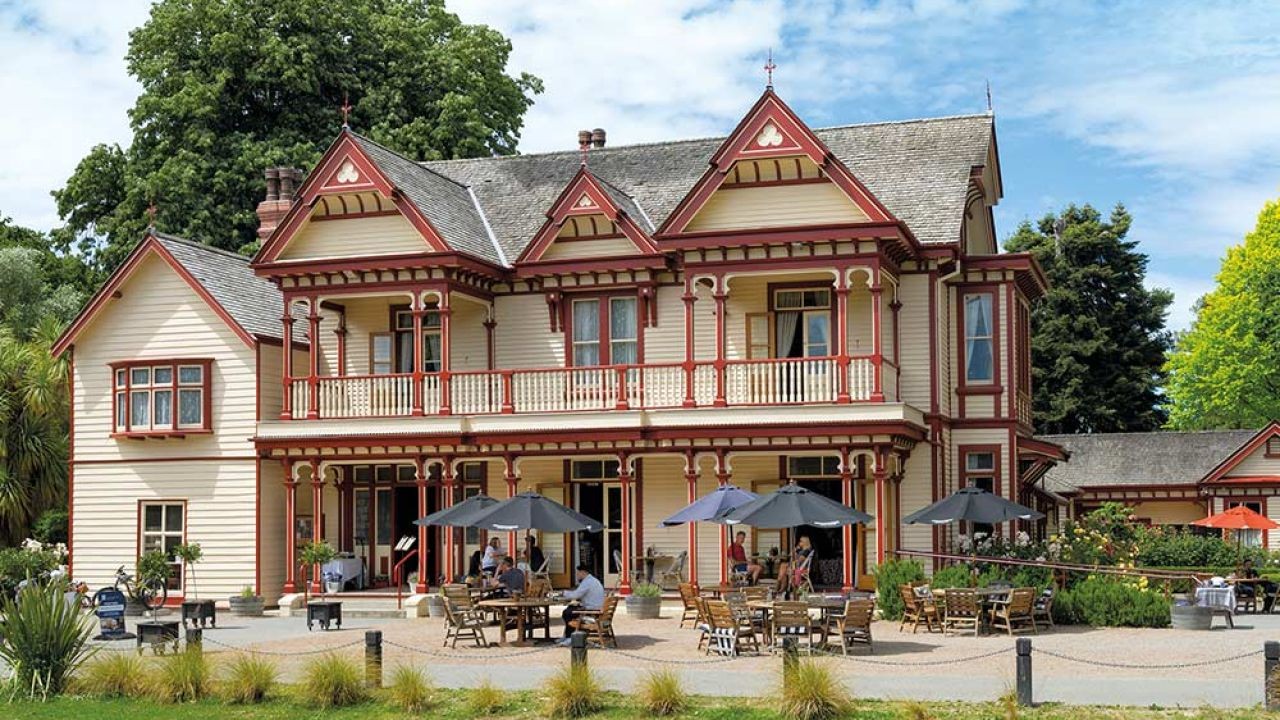
Owning a historic property is an immersive experience, akin to acquiring a permanent piece of living history. In Australia, these homes—from Victorian terraces in Paddington and Federation bungalows in Adelaide to grand pastoral homesteads in regional Victoria—offer a character and soul that new constructions simply cannot replicate.
The Tangible and Intangible Perks of Heritage
- Unmatched Character & Craftsmanship: We're talking about hand-laid parquetry floors, ornate plasterwork, stained-glass windows, and seasoned timber joinery. The materials and artistry are often irreplaceable, offering an aesthetic depth that grows more valuable with time.
- Established Gardens & Prestige: These homes often come with mature, sprawling gardens—decades-old oak trees, established rose gardens, and landscapes that feel organically part of the property. The address itself often carries a prestige that transcends the physical structure.
- Potential for Financial Incentives: While often misunderstood, heritage listing can come with benefits. Based on my work with Australian property investors, I've seen savvy owners leverage local council grants for conservation work. Furthermore, heritage properties in prime suburbs have consistently demonstrated resilience in market downturns, often appreciating at a rate that outpaces newer builds in the same area due to their scarcity.
- A Connection to Place: You're not just buying a house; you're embedding yourself in the narrative of a suburb or town. This deep connection to community and history is a powerful draw for those who value legacy over novelty.
The Realities of Stewardship: Costs and Considerations
- Heritage Regulations are Non-Negotiable: Any renovation, restoration, or even repainting may require approval from local heritage councils. From consulting with local businesses across Australia in the architectural field, I can attest that this process adds significant time, cost, and complexity. Your vision must align with conservation principles.
- The Hidden Cost of "Character": That beautiful original wiring? It likely needs complete replacement. Those charming single-glazed windows are inefficient. Upgrading services (electrical, plumbing, HVAC) in a heritage structure is a specialist, and therefore expensive, undertaking that must be done sensitively.
- Ongoing Maintenance: Historic homes demand a proactive maintenance schedule. Roof restoration, repointing of original brickwork, and timber care are not optional; they are essential to preserving the asset's value and integrity.
The Custom-Built Luxury Home: Crafting Your Perfect Reality
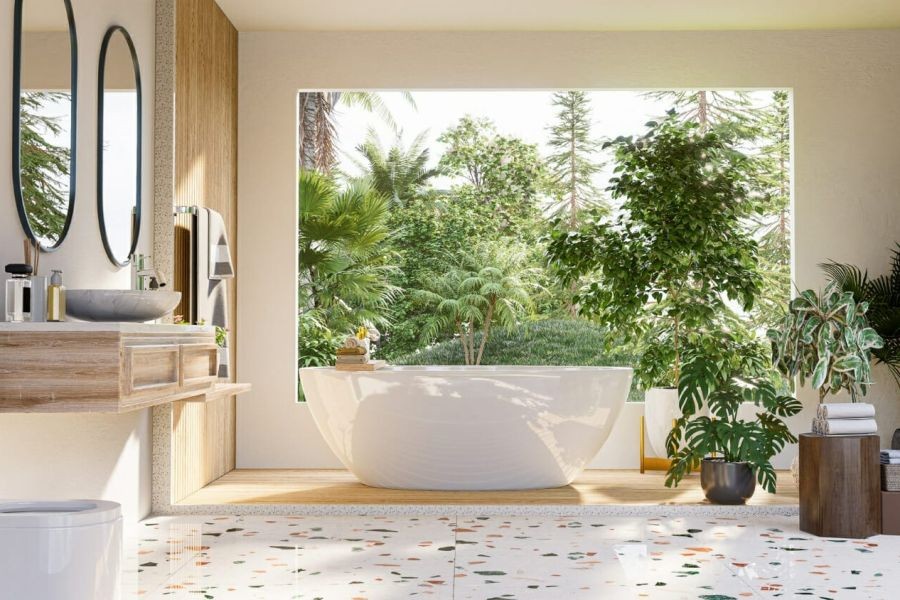
Building a custom home is the ultimate act of self-expression. It's a blank canvas where every detail, from the orientation of the morning sun in your kitchen to the flow between indoor and outdoor living, is tailored to your lifestyle. In the Australian context, this path offers exciting modern advantages.
The Empowerment of Creation
- Total Personalization: This is the most compelling advantage. Your home is designed around your life, not the other way around. Think home theatres sized for your screen, kitchens built for your culinary style, and sustainable features integrated from the ground up.
- Modern Efficiency & Technology: A new build is a fortress of efficiency. Double-glazing, high-performance insulation, solar-ready design, and smart-home integration are standard. The Australian Bureau of Statistics (ABS) data shows a 29% increase in households with rooftop solar systems between 2020 and 2022, a trend easily and cost-effectively baked into a new build. Your energy bills and environmental footprint will thank you.
- Predictable (Initial) Costs & Warranties: While bespoke builds can escalate, a fixed-price contract with a reputable builder provides cost certainty. Furthermore, you're protected by statutory warranties (like the Home Building Compensation Fund in NSW), which cover structural defects for years—a safety net you don't get with a 120-year-old mansion.
- Low-Maintenance Living: New materials, construction techniques, and warranties mean your first decade of ownership should be largely free of major, unexpected repair bills. This allows for peace of mind and the freedom to enjoy the property, not just maintain it.
The Challenges of the Building Journey
- The Time and Stress Factor: A luxury custom build is a major project that can take 18-24 months or more. You become a project manager, navigating council approvals, builder communications, material delays, and inevitable unforeseen issues. It requires resilience and time.
- Finding the Right Land: In coveted metropolitan areas, finding a sizable, well-located block of land for a luxury home is a challenge and a premium expense in itself. You may compromise on location to get the space you desire.
- Risk of Budget Blowouts: "Scope creep" is the enemy of custom builds. That upgraded stone, those additional skylights, the smarter automation system—they all add up. Strict financial discipline and a contingency fund of at least 10-15% are non-negotiable.
Reality Check for Australian Buyers: The Data-Driven Perspective
Let's move beyond anecdote and look at the numbers. The decision has profound financial implications. CoreLogic data reveals that premium property markets (the top 25% by value) in capital cities have outperformed the broader market over the past decade, but within that, heritage-listed prestige properties show a unique trajectory. They often have lower volatility but may not see the meteoric spikes of renovated, non-heritage homes in hot markets. Conversely, a well-executed custom build on a prime block can instantly set a new benchmark value for a street, but this is heavily dependent on design excellence and builder reputation.
Drawing on my experience in the Australian market, a critical insight is the impact of local council policies. A heritage property in a council with accessible grant programs and a pragmatic heritage officer is a vastly different proposition to one in a council with restrictive policies and lengthy approval queues. Your due diligence must extend to the town hall.
Case Study: A Tale of Two Luxury Decisions in Melbourne
Let's examine two real-world scenarios to ground our analysis.
Case Study 1: The Heritage Restoration in Toorak
Problem: A family purchased a magnificent but dilapidated Italianate mansion in Toorak, circa 1880. They were captivated by its grandeur and location but underestimated the complexity of bringing it into the 21st century while adhering to strict heritage overlay.
Action: They engaged a heritage architect and a builder specialising in period restorations. The project involved painstakingly restoring original features like cornices and fireplaces, while discreetly installing new plumbing, electrical, and climate control systems. A rear extension for a modern kitchen and living area required a 14-month negotiation with the heritage council.
Result: After a 3-year project and a final cost approximately 40% over initial estimates, they achieved a stunning home that seamlessly blended old and new. The property's value increased significantly, but not solely as a financial asset. They gained an irreplaceable piece of Melbourne's history. The takeaway? Success required deep pockets, patience, and a genuine passion for preservation over pure profit.
Case Study 2: The Coastal Custom Build on the Mornington Peninsula
Problem: A couple seeking a permanent sea-change could not find an existing home that matched their desire for open-plan, accessible, and sustainable living with panoramic ocean views.
Action: They purchased a vacant coastal block and commissioned a boutique architect known for sustainable design. The home was designed around passive solar principles, with cross-ventilation, thermal mass, and integrated photovoltaic panels. The build was managed by a respected local builder with a fixed-price contract, though selections were carefully managed to control costs.
Result: The 20-month build delivered a home that is a direct reflection of their lifestyle—energy-efficient, low-maintenance, and perfectly oriented for sun and views. While the total investment was substantial, the absence of renovation surprises and the joy of a purpose-built space provided immense value. The key lesson was the critical importance of the architect-builder relationship and meticulous upfront planning.
Common Misconceptions
- Myth: "Buying a historic home is cheaper than building new." Reality: The purchase price is often just the entry fee. A comprehensive, sympathetic restoration of a significant period home can easily match or exceed the cost per square metre of a high-end custom build, with less predictability.
- Myth: "I can easily modernise a heritage home to be as efficient as a new one." Reality: While improvements can be made, the physical constraints of an existing structure often prevent it from reaching the same thermal performance and airtightness as a modern build designed with those principles from the outset.
- Myth: "Building custom means I get exactly what I want with no compromises." Reality: Even custom builds face compromises due to site constraints (e.g., slope, orientation, overshadowing), council planning codes (setbacks, height limits), and budget. The process is about managing compromises, not eliminating them.
Your Decision Framework: Key Questions to Ask
To move from paralysis to decision, honestly answer these questions:
- What is your core motivation? Is it the emotional resonance of history or the functional perfection of a personalised space?
- What is your tolerance for project management? Are you prepared for a multi-year, detail-oriented restoration, or a demanding build process? Or do you seek move-in readiness?
- How do you weigh upfront cost vs. long-term cost? A new build has higher predictable upfront costs but lower ongoing maintenance. A heritage home may have a lower entry point but unpredictable and ongoing capital needs.
- Have you engaged the right experts? For heritage: a specialised solicitor, heritage architect, and building inspector. For building: an independent project manager or a highly recommended architect and builder. In practice, with Australia-based teams I’ve advised, this expert spend is the best investment you can make.
The Future of Australian Luxury Living
The trend is moving towards a synthesis. We are seeing more exceptional new builds that respectfully reference local architectural heritage through materiality and form. Conversely, the most successful heritage renovations are those that boldly, yet sensitively, insert contemporary volumes and technology. The future belongs to homes that honour a sense of place—whether through preservation or contextual new design—while delivering the sustainability, wellness, and technological integration that modern luxury demands. The next frontier is the "regenerative home," whether old or new, that gives back more energy than it uses and is built from circular-economy principles.
Final Takeaway & Call to Action
There is no universally "correct" answer, only the right answer for you. The historic mansion offers a deep, soulful journey of stewardship, rewarding those with patience, passion, and preservationist hearts. The custom luxury home offers a journey of creation, perfect for the pragmatist who values efficiency, personalisation, and modern comforts above all.
Your mission now is one of deep exploration. Don't just look at listings or floor plans. For heritage homes, spend money on the most thorough building inspection imaginable and have a coffee with the local heritage officer. For building, interview past clients of your shortlisted architect and builder, and visit their completed homes. This isn't just a purchase; it's the curation of your life's backdrop. Choose the adventure that resonates with your story.
Ready to dive deeper into your property journey? Share your biggest question or hesitation about choosing between heritage and new build in the comments below—let's start a conversation.
People Also Ask (FAQ)
Do heritage properties in Australia appreciate faster? They can, due to scarcity, but their growth is often more stable than volatile. True value acceleration typically comes from a sympathetic, high-quality restoration that enhances liveability while preserving character, rather than from market speculation alone.
What is the biggest hidden cost in a custom luxury build? Site costs. Unforeseen ground conditions (rock, poor soil, water tables) on your chosen block can add tens or even hundreds of thousands to your budget. A comprehensive geotechnical survey before purchase is essential.
Can I make a heritage home energy efficient? Yes, significantly, but within limits. Solutions include secondary glazing, internal wall insulation (where permissible), upgraded seals, solar panels on rear roofs, and modern HVAC systems. However, achieving a 9-star NatHERS rating like a new build is often impossible without compromising heritage fabric.
Related Search Queries
- heritage restoration grants Australia
- cost per square metre luxury custom build Sydney Melbourne
- best architects for heritage homes Brisbane
- modern Australian homestead design
- heritage listing pros and cons Australia
- fixed price building contract advice
- sustainable features for new luxury homes
- Victorian terrace renovation costs
- coastal luxury home builders Australia
- heritage council approval process time
For the full context and strategies on Buying a Historic Mansion vs. Building a Custom Luxury Home – Which Makes More Sense? – (And What It Means for Aussie Businesses), see our main guide: Cybersecurity Compliance Videos Australia.