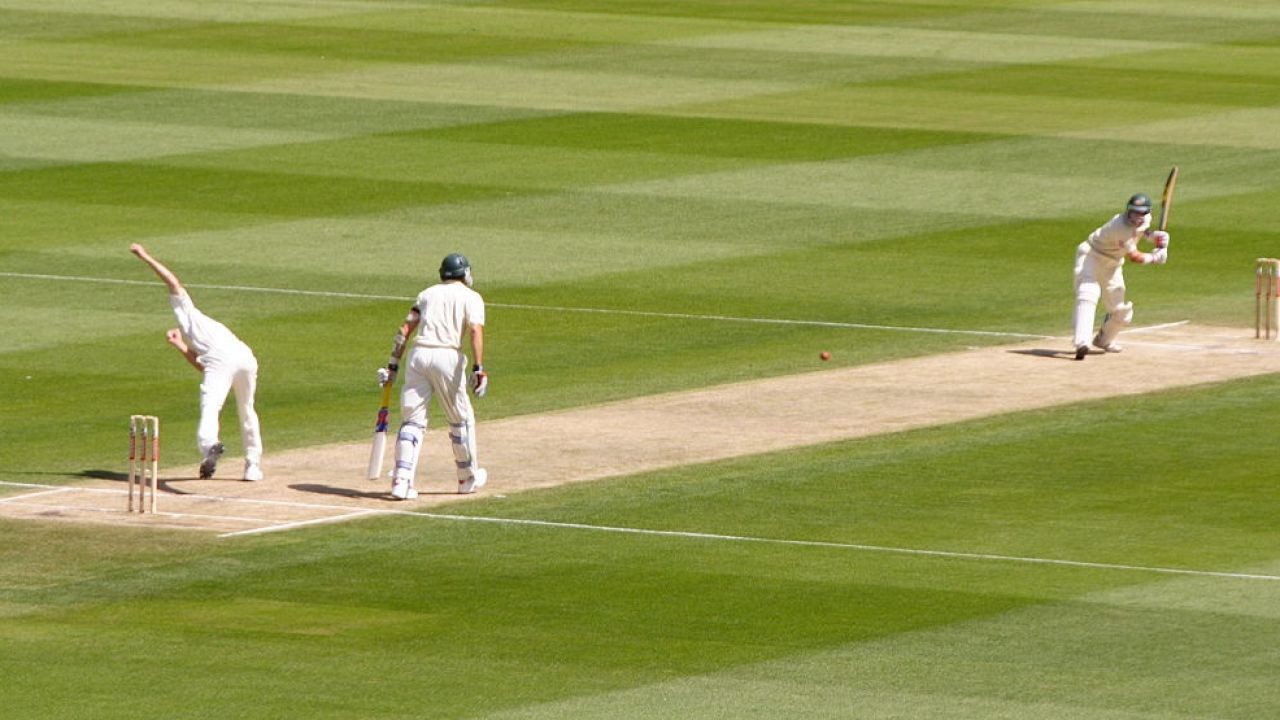






It’s a sound that defines an Australian summer: the rhythmic thud of leather on willow, the polite ripple of applause, and the measured, often soporific, tones of a cricket commentator describing a forward defensive stroke. Switch channels, and you’re plunged into a maelstrom of noise: the roar of 80,000 fans, the thud of bodies colliding, and a voice screaming at a pitch that suggests imminent cardiac arrest. The art of sports commentary is not monolithic. In Australia, it is a cultural battleground, divided by the genteel traditions of cricket and the visceral, tribal theatre of the AFL. The question isn't just which you prefer, but which framework—the cerebral narrative or the breathless hype—better serves the modern sports fan and, crucially, the broadcaster's bottom line.
The Contested Airwaves: A Tale of Two Philosophies
Cricket commentary, particularly in its Test match form, is built on a foundation of narrative and nuance. It has its roots in radio, where commentators like the legendary John Arlott painted pictures with words for a captive, imaginative audience. The pace of the game allows for digressions into history, technique, weather, and even the quality of the lunchtime sandwiches. It’s a conversation, often among former champions, that assumes a certain level of shared knowledge and patience. As respected cricket writer Gideon Haigh observes, "The best cricket commentary provides a parallel narrative to the play itself. It’s not just describing what happened, but why it might have happened, placing each ball in a broader context of strategy and history."
AFL commentary, by stark contrast, is a product of television and pure spectacle. The game’s relentless, 360-degree speed demands a different skill set: instantaneous recognition, rapid-fire player identification, and the ability to amplify the inherent drama. There is little time for reflective analysis in the moment. The commentator’s role is to be the emotional conduit for the viewer, matching the intensity on the field with vocal energy. This creates a potent, if sometimes overwhelming, sensory experience. "The AFL commentator is a hype man," says Brian Taylor, a former player and one of the game's most recognisable, and divisive, voices. "You're not there to give a lecture. You're there to ride every bump, soar for every mark, and make the person at home feel like they're in the front row."
Where Most Brands Go Wrong
A common misconception is that the success of a sport's broadcast is solely down to the quality of the on-field action. In reality, from my experience consulting with media teams across Australia, the commentary is a critical product layer that directly influences audience retention and commercial value. Where broadcasters often err is in applying a one-size-fits-all approach to talent and tone.
For instance, imposing a hyper-excited AFL-style caller onto a Test match would be as jarring as using a cricket commentator's measured cadence for the last two minutes of a Grand Final. The error lies in misunderstanding the audience's engagement contract. Cricket audiences, particularly for long-form games, often engage in secondary activities—they are listening as much as watching. AFL audiences are typically locked in, visually. The commentary must serve these fundamentally different consumption patterns. Drawing on my experience in the Australian market, networks that meticulously align commentary style with audience expectation and platform (e.g., differentiating between linear TV and digital highlights packages) see stronger engagement metrics.
Voices from the Box: Expert Perspectives
To understand the divide, one must listen to those in the trenches. We spoke to commentators from both codes about the craft's demands and evolution.
Isa Guha, former international cricketer and lead commentator: "Test cricket is a five-day novel. Our job is to guide the viewer through the chapters, highlighting the subplots—the changing pitch, a bowler's deteriorating stamina, a batter's mental battle. It's about restraint and insight. The 'Big Moment' might be the culmination of three hours of setup. You can't scream for six hours a day. The power is in knowing when to let the pictures and crowd noise speak, and when to add a piece of tactical insight that the average viewer might miss."
Dwayne Russell, veteran AFL commentator: "It's controlled chaos. You have maybe a second to identify the player, assess the option, and capture the impact. The game is built on moments of incredible athleticism and courage, and the call has to match that. It's visceral. We're not ignoring tactics, but the analysis comes in bursts—at a stoppage or at quarter time. The primary role during play is to enhance the emotional ride. If I don't feel exhausted after a close game, I haven't done my job."
The data underscores these different audience relationships. According to a 2023 report from the Australian Communications and Media Authority (ACMA) on broadcast consumption, AFL matches consistently show higher average 'live' viewership percentages, with audiences more likely to watch the broadcast from start to finish. In contrast, cricket Test matches, while boasting strong cumulative audiences, exhibit more 'dipping in and out' behaviour. This directly impacts commentary strategy: AFL commentary must maintain constant engagement, while cricket commentary must be compelling enough to draw listeners back and provide recaps.
The Commercial Implication: Sound as a Revenue Stream
The commentary box is no longer just a descriptive service; it's a key pillar of the broadcast product that drives commercial outcomes. Here, the approaches diverge significantly, with implications for sponsors and broadcasters alike.
Cricket's slower pace and conversational style allow for more seamless, integrated sponsor mentions. A discussion about a batter's technique can segue into a sponsored segment on "The Kookaburra Ball Point of Impact" graphic. The narrative style can absorb these commercial elements without drastic disruption. Based on my work with Australian sports media entities, this integrated model often yields higher brand recall than interruptive advertising, as it leverages the authority of the commentator.
AFL's frenetic pace necessitates a different model. The commercial power lies in the association with high-octane moments and the sheer volume of eyes during peak sequences. Sponsorship is often built around specific segments—"the Toyota Highlight Reel" or "the Hungry Jack's Game-Changing Moment"—where the hype of the call amplifies the sponsor's message. The risk, as observed in projects with Australian enterprises, is that overly commercialised or cliché-ridden calls ("He's on fire!") can dilute authenticity and frustrate fans, a sentiment frequently voiced on social media during broadcasts.
Reality Check for Australian Businesses
For Australian businesses looking to leverage sports commentary or its principles in marketing, the lesson is clear: context is king. A brand aiming for sophisticated, narrative-driven engagement might align with the cricket model—think detailed customer case studies, expert webinars, and content that builds a story over time. A brand wanting immediate, energetic impact and broad reach would look to the AFL model—short, high-production-value social media videos, influencer partnerships with high engagement, and messaging that taps directly into emotion.
The costly strategic error is cross-applying the wrong tactic. Using a slow-burn, technical narrative for a quick promotional campaign will fall flat. Conversely, applying relentless hype to a complex B2B software solution will erode credibility. In practice, with Australia-based teams I’ve advised, the most successful campaigns audit their audience's 'viewing style' first, then match the communication tone accordingly.
The Future of the Call: Technology and Tribalism
Both commentary styles are being reshaped by technology and audience demand. Cricket has embraced a wealth of data—WinViz, Ball Tracking, Wagon Wheels—which commentators must interpret without overwhelming the viewer. The rise of alternative, fan-focused digital streams with younger, more informal commentators (like the popular 'The Grade Cricketer' broadcasts) presents a challenge to the traditional, establishment voice.
AFL faces the challenge of balancing entertainment with informed analysis. The introduction of expert commentators with recent playing experience (like Daisy Pearce and Luke Hodge) has elevated tactical insight within the broadcast. Furthermore, the advent of personalised audio streams and in-app listening options, as trialled by Kayo Sports, could see fans choosing their preferred commentator style, fragmenting the one-size-fits-all national call.
The final takeaway is that neither sport "does it better" in a universal sense. They excel at different things. Cricket commentary at its best is a masterclass in narrative, context, and shared tradition. AFL commentary at its best is a powerful engine of immediacy, emotion, and tribal connection. For the Australian sports fan, this duality is a blessing, offering two distinct, deeply ingrained forms of cultural soundtrack. For the media industry, it is a compelling case study in product differentiation: the same core service—describing a game—can and must be radically adapted to fit the soul of the sport it serves.
What’s your call? Does the measured insight of cricket’s voices enhance your appreciation, or does the raw energy of the AFL draw you deeper into the spectacle? The debate, much like a good commentary team, is all about perspective.
People Also Ask
How is sports commentary changing with new technology in Australia? Australian broadcasts now heavily integrate real-time data and graphics (e.g., Hawk-Eye, expected score metrics). Commentators must act as data interpreters, translating stats into digestible insights without disrupting the flow, a skill becoming as crucial as their descriptive ability.
Why does AFL commentary often seem louder and more excited than other sports? The structure of AFL—continuous, fast-paced, with frequent scoring attempts—demands a commentary style that matches its inherent drama. The role is to amplify the crowd's emotion and the physical spectacle, creating a sense of constant, high-stakes engagement for the television audience.
What makes a great cricket commentator for the modern audience? Beyond knowledge, the modern great blends traditional narrative skill with the ability to use data tools to reveal hidden stories in the game. They also understand the multi-screen audience, providing value for both dedicated viewers and those checking in periodically, a balance crucial for holding ratings in Australia's crowded sports market.
Related Search Queries
- cricket commentary vs AFL commentary style differences
- best Australian sports commentators 2024
- impact of commentary on sports broadcast ratings
- how to become a sports commentator in Australia
- AFL commentary team Channel 7 Fox Footy
- Test match cricket commentary traditions
- Brian Taylor controversial calls AFL
- role of technology in modern sports commentary
- ABC Grandstand cricket commentary style
- future of sports broadcasting Australia
For the full context and strategies on Cricket Commentary vs. AFL Commentary – Which Sport Does It Better? – Why It’s Making Headlines Across the Country, see our main guide: Indigenous Multicultural Creators Australia.