




Let's be brutally honest. The Auckland property market, long the engine of New Zealand's wealth creation, is navigating its most complex and uncertain period in a generation. As we look toward 2026, the simplistic narratives of endless boom or catastrophic bust are not just unhelpful; they are dangerous. The market is being pulled in multiple directions by powerful, conflicting forces: a demographic tidal wave, a structural housing deficit, and a monetary policy environment that remains a wildcard. For the expert investor, developer, or serious buyer, success will not come from following the herd, but from dissecting these layers to identify where genuine, risk-adjusted value will crystallize. This forecast is not about crystal-ball gazing; it's a strategic analysis of the levers that will dictate price movements, demand shifts, and the very nature of opportunity in our largest city over the next 24 months.
The Macro Backdrop: Three Titans in a Tug-of-War
To understand Auckland's trajectory, we must first diagnose the three titanic forces shaping its future. Ignoring any one is a critical error in analysis.
The Demographic Imperative: An Inescapable Demand Driver
Net migration is not just a headline figure; it's the fundamental fuel for housing demand. Post-pandemic, New Zealand experienced a record net migration gain of 139,000 in the year to September 2023 (Stats NZ). While this pace is normalising, the structural reality is that Auckland absorbs a disproportionate share of this inflow. The Ministry of Business, Innovation and Employment (MBIE) projects that New Zealand will need an additional 120,000 dwellings by 2030 just to keep pace with population growth and household formation. Auckland, with its economic gravity, will shoulder a significant portion of this burden. This isn't speculative demand; it's embodied demand from people who are already here and need a roof over their heads. Any forecast that dismisses this as a temporary blip is fundamentally flawed.
The Construction Conundrum: Capacity vs. Cost
On the supply side, the industry is caught in a vice. While the need for new housing is acute, the capacity to deliver it profitably is constrained. Construction costs, though cooling from their peak, remain historically elevated. The latest Cordell Construction Cost Index (CCCI) shows a 2.4% increase over the year to Q4 2024, down from double-digit peaks but still outpacing general inflation. More critically, the industry faces a chronic shortage of skilled labour and pervasive supply chain fragility. This creates a critical lag effect: even if demand signals are strong, the physical and economic ability to respond with sufficient, affordable new stock is limited. This supply inelasticity places a firm floor under prices in the medium term.
The Interest Rate Wildcard: The RBNZ's Delicate Dance
This is the most volatile variable. The Reserve Bank of New Zealand's (RBNZ) Official Cash Rate (OCR) decisions will directly dictate mortgage servicing costs and, by extension, buyer purchasing power. The consensus view is for a gradual, cautious easing cycle beginning in late 2025. However, this is predicated on inflation being convincingly tamed. A resurgence in inflation, driven by global energy shocks or persistent domestic wage pressures, could see rates remain "higher for longer." For the 2026 outlook, the timing and steepness of this easing cycle are paramount. A swift drop in rates could unleash pent-up demand, while a glacial decline may simply maintain the current pressure-cooker environment.
Auckland 2026: A Tale of Three Markets, Not One
The most common mistake is treating "Auckland" as a monolithic market. By 2026, the divergence between segments will be the defining characteristic. Your strategy must be segment-specific.
The First-Home Buyer (FHB) Frontier: The $1M - $1.3M Battleground
This segment will remain fiercely competitive but will be the most sensitive to interest rate movements. Price growth here will be muted but positive, likely in the 2-4% annual range through to 2026, as affordability remains the primary constraint. The real action will be in specific, well-located suburbs offering relative value—think the fringes of established areas or satellite towns with improving transport links (e.g., parts of Papakura, Hobsonville, or the Kumeū-Huapai corridor). The recent changes to the First Home Grant and First Home Loan schemes provide a marginal boost, but they are a drip-feed into an ocean of demand. Success here requires military-grade financial preparation and a willingness to compromise on property type or location.
The Investor Reckoning: Yield, Regulation, and the "New Normal"
For investors, the game has permanently changed. The era of easy capital gains fueled by tax advantages and rampant speculation is over. The market will be dominated by professional, cash-flow-focused investors. Properties with strong yields (net yields of 4.5%+) will be highly sought after, particularly in the medium-density townhouse and unit market in central and south Auckland suburbs. The continued impact of the extended bright-line test and the removal of interest deductibility (phasing back in slowly) means investment decisions must be based on fundamental economics, not tax strategy. This segment may see the most volatility, with poorly located, low-yield stock stagnating or declining in real terms.
The Premium Market ($3M+): A Different Universe
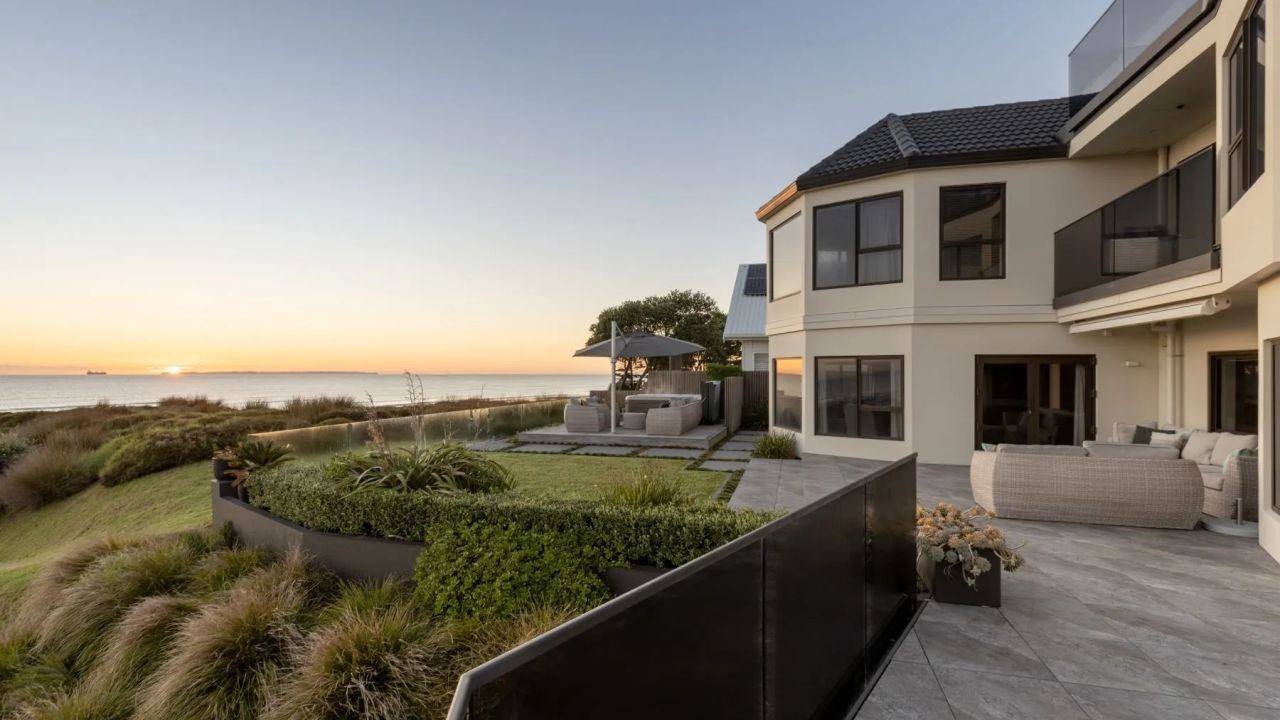
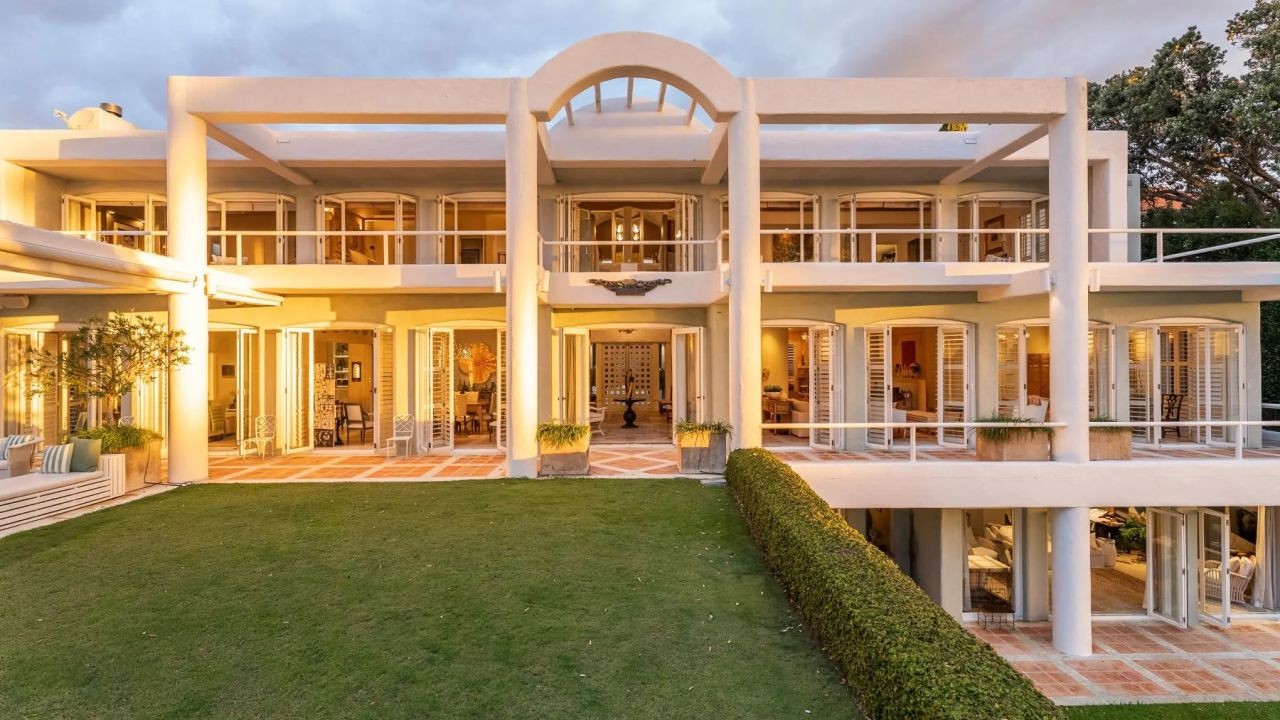
Operational in a separate economic reality, the premium waterfront and established leafy suburb markets are driven by different dynamics: equity, wealth transfer, and lifestyle. This segment is less interest-rate sensitive and more influenced by global equity markets, business confidence, and migration of high-net-worth individuals. After a period of correction, this market is likely to stabilise and see selective growth by 2026, particularly for trophy assets. However, it will remain a thin, illiquid market where specific property attributes command massive premiums.
Case Study: The Kāinga Ora Large-Scale Build Programme – A Supply-Side Experiment
Problem: Kāinga Ora, the Crown's housing delivery agency, faced a dual crisis: a severe shortage of public housing and a need to catalyze broader market supply in key urban areas. Traditional procurement and construction methods were too slow and costly to meet the scale of Auckland's deficit. The agency needed to accelerate delivery while improving design quality and community outcomes.
Action: Kāinga Ora pivoted to a Large-Scale Project (LSP) model, master-planning entire neighbourhoods in suburbs like Māngere and Northcote. This involved assembling large parcels of land, partnering with tier-one construction consortia under Public Private Partnership (PPP) models, and employing advanced off-site manufacturing (OSM) techniques. Crucially, they focused on creating mixed communities, integrating market, affordable, and public housing, along with new parks, retail, and transport infrastructure.
Result: The programme has dramatically increased the pace and scale of delivery. For example, the Māngere development is delivering over 10,000 new homes. A 2024 report by the Infrastructure Commission highlighted that such LSPs, when executed well, can reduce construction timelines by up to 30% and lower costs through economies of scale and modern methods of construction. Beyond the numbers, they are creating a new template for urban intensification.
Takeaway: For private developers and investors, the lesson is twofold. First, the state is now a major, sophisticated competitor in the land and construction market. Second, and more importantly, these projects are proving the commercial and social viability of high-quality, medium-density living. They are shifting buyer and renter expectations, creating a rising tide that lifts demand for well-designed townhouses and apartments in amenity-rich locations—a trend that will only accelerate toward 2026.
The Great Debate: Intensification vs. Urban Sprawl – Which Path Wins?
Auckland's future form is a heated battleground with direct implications for property values.
✅ The Advocate View (Intensification): Proponents argue that the Auckland Unitary Plan and the National Policy Statement on Urban Development (NPS-UD) have laid the legal groundwork for a necessary and sustainable transformation. Intensification along transport corridors and around town centres is the only way to house a growing population without condemning the city to eternal gridlock and unaffordable infrastructure costs. They point to the success of suburbs like Newmarket and parts of Takapuna as evidence that well-executed density increases land values and creates vibrant, liveable communities. The future, they insist, belongs to the terraced house and the low-rise apartment within the existing urban footprint.
❌ The Critic View (Sprawl & Satellite Towns): Critics counter that forced intensification is destroying neighbourhood character and overloading existing infrastructure without providing truly affordable housing. They argue that consumer preference still overwhelmingly leans toward standalone homes with yards. The real solution, they propose, lies in strategic greenfield development and empowered satellite towns (e.g., Pukekohe, Warkworth) connected by rapid transit. This view holds that the market, not planners, should dictate housing form, and that the dream of a quarter-acre section, while evolving, is not dead.
⚖️ The Middle Ground & Likely 2026 Reality: The market won't choose one path exclusively. By 2026, we will see a clear bifurcation. High-quality, well-located intensification (within 1km of rapid transit or major town centres) will see strong capital growth. Concurrently, certain greenfield and satellite areas with genuine infrastructure investment and community building will also prosper. The losers will be the poorly executed, "squeezed-in" developments in car-dependent middle suburbs with no amenity uplift. Your investment must align with one of the two winning theses, not the fading middle.
Common Myths, Costly Mistakes, and Industry Secrets
Debunking the Myths
Myth: "A major market crash is inevitable due to high debt levels." Reality: While a significant correction is possible, a systemic crash is unlikely. The banking system is robust with strict servicing tests (e.g., high test interest rates). Furthermore, the extreme supply shortage and strong underlying demographic demand act as powerful shock absorbers. Prices may stagnate or dip in real terms, but a disorderly collapse is not the base case.
Myth: "The new government's policies will instantly fix affordability." Reality: Policy changes (e.g., reinstating interest deductibility, tweaking the bright-line test) are marginal tweaks, not game-changers. They may improve investor sentiment at the margins but do nothing to address the core issues of construction capacity and land supply. Affordability is a decade-long challenge, not a political term fix.
Myth: "Remote work means the CBD and inner suburbs are doomed." Reality: Hybrid work is cementing, not killing, the central city. Demand has shifted from pure office space to mixed-use, amenity-rich live-work-play environments. Apartments in the CBD and fringe (Ponsonby, Grey Lynn) that offer quality, space, and access to amenities are recovering strongly, appealing to a demographic that values urban lifestyle over commute.
Biggest Investor Mistakes to Avoid
- Chasing Yesterday's Winners: Investing based on which suburbs boomed in the last cycle is a recipe for mediocrity. The drivers for 2026-2030 (intensification, transit, infrastructure spend) are different.
- Ignoring Cash Flow: In a higher-for-longer interest rate environment, negative cash flow will erode equity and investor stamina. Precise yield analysis is non-negotiable.
- Underestimating Holding Costs: New builds have defects liability periods, and older stock requires significant maintenance and compliance upgrades (healthy homes, seismic). Your due diligence must include a 10-year capex forecast.
- Falling for "Off-Plan" Hype Without Scrutiny: Many off-plan developments are priced at a premium for future value that may not materialise. Independently assess the developer's track record, the specific location's fundamentals, and the end-product's likely value upon completion.
The Future of Auckland Housing: 2026 and Beyond
Looking past 2026, the trends crystallising today will define the next decade. Climate adaptation will move from a niche concern to a central valuation factor. Coastal properties without clear mitigation plans will see insurance costs soar and buyer pools shrink. The decarbonisation of buildings will accelerate, with Homestar 6+ ratings becoming a market standard for new builds and a premium for existing stock. Furthermore, technology—from proptech transaction platforms to smart home energy management—will begin to differentiate properties in a meaningful way. The most significant prediction? The gap between "good" and "average" assets will widen dramatically. Generic housing in inconvenient locations will become a financial millstone, while sustainable, well-connected, and well-designed homes will become increasingly prized and valuable.
People Also Ask: Quick-Fire Expert Answers
Will Auckland house prices drop in 2025? A widespread nominal drop is unlikely barring an economic shock. The most probable scenario is low single-digit growth (0-3%) with prices falling in real terms (after inflation). Certain overvalued, low-yield segments may see nominal declines.
Is now a good time to buy a first home in Auckland? For a financially prepared buyer, yes. The frenzied competition has eased, allowing for due diligence. Focus on securing a property you can hold for 7-10 years in a location with strong fundamentals, rather than trying to time the absolute market bottom.
What will have the biggest impact on prices by 2026? The speed of the interest rate easing cycle will be the primary short-term driver. However, the long-term, structural impact will be dictated by the success or failure of large-scale intensification projects and the pace of infrastructure delivery in growth corridors.
Final Takeaway & Strategic Call to Action
The Auckland property market of 2026 will reward sophistication and punish sentimentality. The blanket strategies of the past are obsolete. Your approach must be forensic:
- Segment-Specific: Are you targeting yield, land banking, or lifestyle? Your criteria differ for each.
- Data-Driven: Move beyond median price headlines. Analyse suburb-level sales volumes, days on market, yield compression/expansion, and infrastructure pipelines.
- Fundamentally Focused: Assess every potential purchase on its intrinsic merits: location (proximity to transit/amenities), quality of construction, adaptability, and resilience to climate and regulatory changes.
The coming period is not one for the passive. It is a market for active, informed participants who understand that Auckland is not one story, but a complex anthology of micro-markets, each with its own plot. Your task is to find the chapter where the narrative aligns with your capital and conviction.
What's your thesis for 2026? Are you positioning for intensification, satellite growth, or a different trend entirely? Share your strategic view in the comments below—the most insightful markets are built on robust debate.
Related Search Queries
- Auckland house price forecast 2025 2026
- Best Auckland suburbs to invest in 2026
- Impact of interest rates on NZ property market 2026
- Auckland Unitary Plan intensification effects
- New Zealand net migration housing demand forecast
- Kāinga Ora large scale projects Auckland
- First home buyer Auckland market tips 2026
- Auckland rental yield projections 2026
- Climate change risk Auckland coastal property
- NZ construction cost forecast 2026
For the full context and strategies on Auckland Property Market Forecast 2026: Prices, Trends, and What Buyers Should Know, see our main guide: Regional Nz Travel Videos Plan Your Trip.