







The real estate landscape in New Zealand is undergoing a profound transformation, driven by the rising trend of sustainable development. As global awareness of climate change and environmental conservation grows, the Kiwi real estate market is increasingly embracing sustainable practices. This shift not only addresses ecological concerns but also presents lucrative opportunities for property investors. The question is, how are these sustainable practices being implemented, and what impact do they have on both the environment and the economy?
Understanding the Importance of Sustainable Development in New Zealand's Real Estate
New Zealand's commitment to sustainability is rooted in its unique natural environment and the cultural value placed on preserving it. With policies such as the Zero Carbon Act aiming for net-zero emissions by 2050, sustainable real estate development aligns with national goals. According to a report by Stats NZ, the construction sector accounts for approximately 16% of the country's emissions, highlighting the need for more sustainable building practices.
Case Study: Sustainable Success in Auckland's Hobsonville Point
Hobsonville Point, a master-planned community in Auckland, exemplifies successful sustainable development. This project incorporates green spaces, energy-efficient homes, and a focus on community living.
Problem:
Hobsonville Point faced the challenge of balancing urban growth with environmental impact. Rapid population growth was leading to unsustainable land use and increased emissions.
Action:
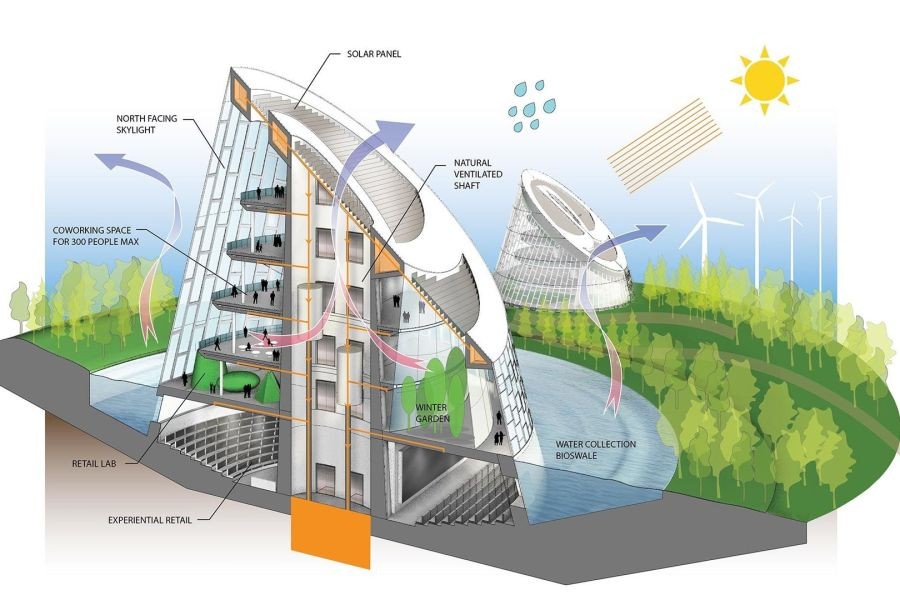
The developers implemented a comprehensive sustainability strategy, focusing on high-density housing, extensive public transport options, and green building technologies. Solar panels, rainwater harvesting systems, and community gardens were integrated into the design.
Result:
- Energy consumption reduced by 30% compared to traditional developments.
- Public transport use increased by 45%, reducing car dependency.
- Community engagement and satisfaction levels rose significantly.
Takeaway:
Hobsonville Point demonstrates that sustainable development can effectively address urbanization challenges while enhancing community well-being. For New Zealand investors, this case highlights the potential for high returns on sustainable projects, coupled with long-term environmental benefits.
Data-Driven Insights from New Zealand's Property Market
The Ministry of Business, Innovation and Employment (MBIE) reports that sustainable properties in New Zealand have seen a 15% higher appreciation rate compared to traditional properties over the past five years. This trend suggests a growing demand for eco-friendly homes, driven by both environmental consciousness and economic benefits.
Moreover, the Reserve Bank of New Zealand has noted that sustainable developments often enjoy lower financing costs, as lenders are increasingly offering green loans with favorable terms. This financial incentive further accelerates the adoption of sustainable building practices.
Pros and Cons of Sustainable Real Estate Investment
Investing in sustainable real estate offers several advantages, but also comes with challenges.
Pros:
- Higher property value appreciation and rental yields.
- Improved energy efficiency, leading to lower operational costs.
- Enhanced marketability and tenant appeal.
- Access to green financing and incentives.
- Alignment with national sustainability goals and policies.
Cons:
- Higher initial development costs.
- Complex regulatory compliance requirements.
- Limited availability of sustainable building materials.
- Potential for longer project timelines due to innovative technologies.
Debunking Myths Around Sustainable Real Estate
Myth: "Sustainable buildings are too expensive to be profitable."
Reality: While initial costs may be higher, sustainable buildings often yield higher returns due to energy savings and increased market demand.
Myth: "Sustainability in real estate is just a passing trend."
Reality: With government policies and consumer preferences increasingly favoring sustainability, this trend is here to stay and will likely intensify.
Future Trends and Predictions
The future of sustainable real estate in New Zealand promises continued growth and innovation. By 2030, it's expected that over 50% of new developments will incorporate sustainable practices, driven by both policy mandates and consumer demand. Investing in green technology and embracing circular economy principles will be crucial for developers aiming to stay competitive.
Final Takeaways & Call to Action
- Fact: Sustainable properties in NZ appreciate 15% faster than traditional ones (MBIE).
- Strategy: Leverage green loans to finance eco-friendly developments.
- Mistake to Avoid: Ignoring regulatory requirements can lead to costly delays.
- Pro Tip: Integrate community-focused amenities to enhance property value.
Interested in tapping into New Zealand's sustainable real estate market? Start by exploring green financing options and collaborating with eco-conscious partners. Share your thoughts and experiences in the comments below!
People Also Ask
- How does sustainable development impact New Zealand's economy? Sustainable development boosts economic growth by creating jobs, reducing energy costs, and attracting eco-conscious investors.
- What are the biggest misconceptions about sustainable real estate? Many believe it's unprofitable, yet sustainable properties in NZ often outperform traditional ones financially.
- What strategies are best for implementing sustainable development? Start with energy-efficient designs, use sustainable materials, and seek green certifications for long-term success.
Related Search Queries
- Sustainable real estate trends in New Zealand
- Green building technologies NZ
- Eco-friendly property investments
- New Zealand property market forecast
- Green loans for real estate in NZ






























Compramos Tu Camion
1 month ago