Things to Do in Wellington: See Wellington Before You Go





Things to Do in Wellington: Discover Local Experiences Worth Exploring
Looking for the best things to do in Wellington? New Zealand’s capital offers a distinctive mix of waterfront scenery, independent cafés, cultural attractions, creative experiences and outdoor adventures. From exploring the city's lively streets to discovering coastal walks and wildlife close to nature, there are plenty of ways to experience Wellington beyond its familiar landmarks.
What makes Wellington worth exploring is how much variety you can find within a relatively compact city. You might spend the morning visiting a museum, enjoy coffee and local food around Cuba Street, take in harbour views from the hills, or discover a quieter coastal corner away from the central streets. The right experiences depend on your interests, available time, budget and the kind of trip you want to have.
This guide brings together things to do in Wellington for first-time visitors, families, couples, solo travellers and locals looking for something different. You’ll find ideas for free activities, outdoor adventures, rainy-day plans, food and culture, as well as practical tips to help you choose experiences that suit your visit.
Before making plans, consider more than just how a place looks in a photograph. Its atmosphere, surroundings, walking routes, accessibility and current conditions can all affect your experience. Exploring local perspectives and relevant videos can help you understand what to expect and make more confident decisions about where to go.
Whether you have a few hours in the capital or several days to explore, use this guide to discover Wellington at your own pace and find experiences that are genuinely right for you.
What Makes Wellington Worth Exploring?
Wellington offers a different kind of city experience from a destination where the main attractions are spread across a large area. Its harbour, central streets, surrounding hills and coastal landscapes create a mix of urban culture and outdoor experiences that can often be combined in the same day. For visitors, that means you can explore museums, discover independent cafés, walk beside the water and find scenic viewpoints without necessarily planning a long journey between every stop.
A Harbour City Surrounded by Nature
Wellington's natural setting is one of its defining features. The harbour shapes the waterfront, while the surrounding hills offer walking routes and views across the city and water. Coastal areas provide another perspective, with changing weather, open landscapes and places to explore away from the busiest streets.
These surroundings are worth considering when planning your visit. Some experiences involve steep paths, exposed viewpoints or longer walks, so check the route, weather and your own comfort level before setting out. If you prefer an easier day, the central waterfront and selected city walks can offer a taste of Wellington without committing to a demanding outdoor adventure.
A Strong Café, Food and Neighbourhood Culture
Wellington is well known for its coffee culture, independent cafés, restaurants and characterful neighbourhoods. Areas such as Cuba Street and Te Aro are useful places to explore if you enjoy discovering local food, browsing independent shops or simply watching the city go about its day.
Rather than choosing a café or restaurant based on photographs alone, think about what matters to you: the menu, atmosphere, price, location or whether the place suits a relaxed break between activities. Local recommendations and recent videos can provide additional context, although opening hours, menus and prices should always be checked before visiting.
Culture, Museums and Creative Experiences
As New Zealand's capital, Wellington has an important place in the country's political and cultural life. Visitors can explore national collections at Te Papa Tongarewa, discover the city's creative communities and learn about its international reputation for film-making. Depending on your interests, a museum visit, exhibition, workshop or behind-the-scenes experience may be just as memorable as a scenic attraction.
These activities can also be useful alternatives when the weather makes outdoor plans less appealing. Check current exhibitions, admission arrangements and booking requirements, particularly if a specific event or experience is central to your itinerary.
A City That Rewards Exploring at Your Own Pace
Wellington can suit a short visit as well as a longer stay, but the best plan depends on how you want to spend your time. A first-time visitor might focus on the waterfront, a major cultural attraction and a neighbourhood known for food. Someone returning to the city may prefer coastal walks, smaller galleries, local events or places outside the usual sightseeing route.
It is worth allowing room for the unexpected, too. A pleasant walk, a café you discover along the way or a view that catches your attention can become part of the experience. You do not need to fit every attraction into one itinerary to appreciate the city.
Wellington's weather is another factor to keep in mind. Conditions can change, and wind can make exposed coastal areas and hilltop viewpoints feel very different from sheltered streets. Keep a flexible plan, check conditions before heading out and have an indoor alternative if needed.
Ultimately, Wellington is worth exploring because it brings together culture, food, city life and nature in a distinctive setting. The best experiences are not necessarily the most famous ones, but the ones that fit your interests, your time and what you want from your visit.
Best Things to Do in Wellington
Wellington offers a mix of cultural attractions, scenic walks, local food and outdoor experiences within a relatively compact city. The best places to visit depend on what you enjoy: some experiences are ideal for a first visit, while others suit wildlife lovers, film fans, food enthusiasts or travellers who prefer exploring at a slower pace.
Use these recommendations as a starting point rather than a checklist. Consider how much time you have, how you plan to get around and whether the weather suits your chosen activities before building your itinerary.
1. Explore Te Papa Tongarewa
Te Papa Tongarewa, New Zealand's national museum, is one of the most worthwhile places to start if you want to understand the country's history, culture, natural environment and identity. Located on the waterfront, it offers an opportunity to explore exhibitions and stories that go beyond a conventional sightseeing stop.
Best for: First-time visitors, families, culture enthusiasts and anyone wanting an indoor activity.
Before you go: Allow enough time to explore the exhibitions that interest you, and check current displays, opening hours and any ticket requirements. If you only have a short time in Wellington, decide which areas matter most rather than trying to see everything.
2. Ride the Wellington Cable Car and Explore the Botanic Garden
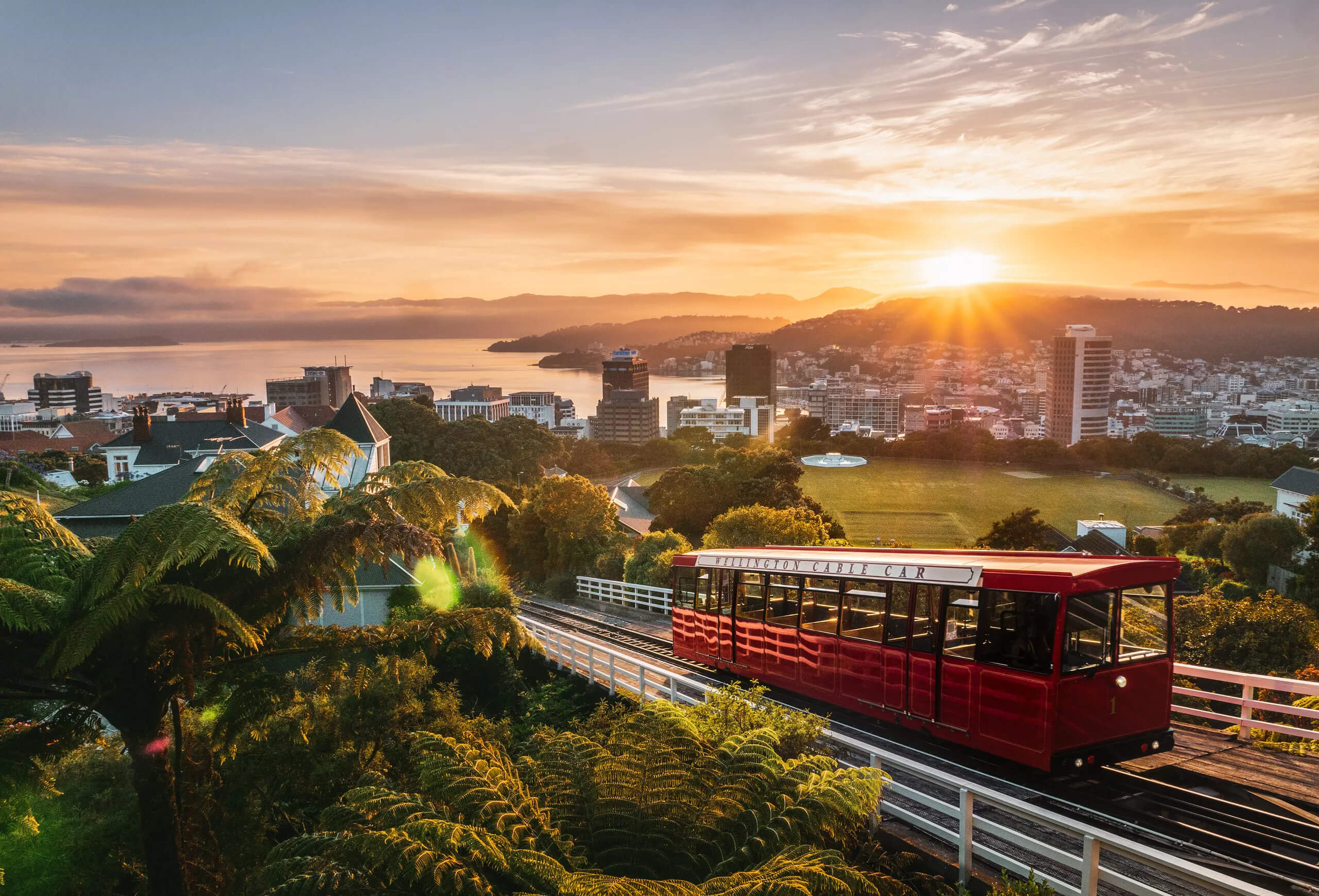
The Wellington Cable Car connects the central city with Kelburn and provides a memorable way to see the city from above. At the upper terminus, visitors can enjoy views across Wellington before exploring the Wellington Botanic Garden ki Paekākā, with its plant collections, walking paths and green spaces.
This experience combines transport, scenery and a relaxed outdoor visit. You can make it a short outing or spend longer exploring the garden, depending on your interests and schedule.
Best for: First-time visitors, couples, families and people who enjoy gardens and city views.
Before you go: Check Cable Car operating information and consider the walking involved in your garden route. Some paths are steep, so choose a route that suits your mobility and available time.
3. Discover Native Wildlife at Zealandia Te Māra a Tāne
If you want to experience New Zealand's natural environment without travelling far beyond the city, Zealandia Te Māra a Tāne is worth considering. This protected urban ecosanctuary focuses on restoring native forest and freshwater ecosystems, offering visitors the chance to explore walking tracks and learn about conservation and native wildlife.
The experience is different from visiting a conventional zoo. The emphasis is on a natural environment, conservation and observing wildlife in its surroundings. What you see will depend on conditions, timing and the animals present during your visit.
Best for: Nature enthusiasts, families, photographers and visitors interested in New Zealand's native species.
Before you go: Allow time for walking and remember that wildlife sightings are never guaranteed. Check current admission, tour options, track conditions and accessibility information before visiting.
4. Experience Wellington's Film-Making World at Wētā Workshop
Wellington has a strong connection with film-making, and Wētā Workshop offers a way to explore the practical creativity behind film props, costumes, creatures and special effects. Rather than simply watching a finished film, visitors can learn more about the people, techniques and craftsmanship that help bring imaginary worlds to life.
The experience is particularly appealing to fans of fantasy and science-fiction films, but it can also interest anyone curious about design, model-making and creative production.
Best for: Film fans, families with older children, creative professionals and visitors looking for something beyond conventional sightseeing.
Before you go: Wētā Workshop experiences are in Miramar, so allow for transport time from central Wellington. Check the available tour options, age suitability, prices and booking requirements before making plans.
5. Walk Along the Wellington Waterfront
The waterfront is one of the easiest ways to experience Wellington at your own pace. Walk beside the harbour, stop to look at public art, take a break at a café or enjoy views of boats and the surrounding hills. Its central location also makes it practical to combine with Te Papa and other nearby attractions.
You do not need a tightly planned itinerary here. The waterfront works well as a relaxed break between activities, particularly if you want to experience the city without paying for an organised tour or attraction.
Best for: Walkers, families, couples, photographers and visitors with limited time.
Before you go: Conditions can be windy and exposed beside the harbour. Wear suitable clothing and check the weather if you plan to spend an extended period outdoors.
6. Explore Cuba Street and Wellington's Food Scene
Cuba Street and the surrounding Te Aro neighbourhood are good places to discover Wellington's independent shops, cafés, restaurants and creative atmosphere. Rather than visiting a single attraction, you can explore at your own pace, browse local businesses and choose somewhere to eat based on your interests and budget.
For visitors who enjoy food, the area can be a destination in its own right. You might be looking for a quick coffee, a casual lunch, a particular cuisine or a restaurant for a special occasion. Recent reviews and relevant videos can help you understand a venue's atmosphere, portion sizes and setting, but menus, prices and opening hours should be verified directly.
Best for: Food lovers, café enthusiasts, couples, independent shoppers and visitors who enjoy exploring neighbourhoods on foot.
Before you go: Consider whether you want a quick stop or a longer food-focused visit. If you have a particular restaurant in mind, check its current menu, hours and booking requirements.
7. Visit Mount Victoria Lookout
Mount Victoria Lookout offers a broad view over Wellington's central city, harbour and surrounding landscape. It is a good choice if you want to understand how the city fits around the water and hills, or simply take a break from museums, cafés and busy streets.
You can include the lookout in an outdoor itinerary or plan a dedicated visit for the views. Walking routes offer a more active experience, while driving or other transport options may suit visitors who prefer to avoid a steep climb.
Best for: Photographers, walkers, couples and visitors who enjoy scenic viewpoints.
Before you go: Check the weather and route before setting out. Wind can make the exposed lookout uncomfortable, and walking options may involve uphill sections or uneven surfaces.
8. Discover Wellington's Coast and Outdoor Walks
Beyond the central waterfront, Wellington has coastal landscapes and walking routes that reveal a different side of the capital. Areas such as the south coast and Red Rocks offer a more rugged setting than the city centre, with open water, rocky shorelines and opportunities to spend time outdoors.
These experiences are worth considering if you want to balance museums and urban exploring with fresh air and scenery. However, not every coastal walk is suitable for every visitor, and some routes require more time, preparation and care than a short waterfront stroll.
Best for: Outdoor enthusiasts, walkers, photographers and visitors who want to explore beyond the main city attractions.
Before you go: Check the route, access conditions, weather and transport options. Wear suitable footwear, take water and follow local guidance. If you are visiting a coastal reserve, check for any seasonal wildlife guidance or access restrictions.
Choosing the Right Wellington Experiences for You
You do not need to visit every attraction to have a rewarding time in Wellington. If it is your first visit, a combination of Te Papa, the waterfront and either the Cable Car or Mount Victoria can provide a good introduction to the city. If you prefer nature, consider Zealandia or a suitable coastal walk. Film fans may want to prioritise Wētā Workshop, while food lovers might prefer to leave more time for Cuba Street and the surrounding neighbourhoods.
Think about travel time as well as the attraction itself. A place that looks close on a map may involve hills, a longer journey or a separate booking. Checking recent videos can also help you understand the atmosphere and surroundings before you decide whether an experience belongs in your itinerary.
The aim is not to fit the most activities into one day. It is to choose experiences that suit your interests, circumstances and available time, so you can enjoy Wellington without rushing from one stop to the next.
Things to Do in Wellington by Interest
The best things to do in Wellington depend on the kind of experience you want. Some visitors come for museums and cultural attractions, while others prefer coastal walks, local cafés, wildlife or creative experiences. If you are travelling with children, planning a date or trying to make the most of a limited budget, choosing activities around your interests can make your visit easier to plan.
Use these categories to find experiences that suit your trip. Before committing to a particular activity, check the travel time, current conditions, cost and any booking requirements.
Family-Friendly Things to Do in Wellington
Wellington offers a variety of experiences for families, from interactive museum exhibitions to outdoor spaces where children can move around and explore. Te Papa Tongarewa can be a useful option for a cultural outing, while Zealandia may appeal to families interested in native wildlife and conservation. The Cable Car and Botanic Garden can also make for a memorable outing, depending on children's ages and how much walking they enjoy.
When choosing family activities, consider attention spans, facilities, weather and the amount of walking involved. A shorter visit with time for a break may work better than trying to fit several major attractions into one day.
Worth considering: Te Papa, the Cable Car and Botanic Garden, Zealandia, and a relaxed waterfront walk.
Outdoor Activities and Nature Experiences
If you enjoy being outdoors, Wellington offers opportunities to experience hills, harbour views, coastal landscapes and native forest. Mount Victoria is known for its city and harbour outlook, while Zealandia offers a conservation-focused experience. Depending on your fitness and available time, you could also explore a suitable coastal walk or spend time in one of the city's gardens and public green spaces.
Outdoor plans should take Wellington's changeable weather into account. Wind, rain, exposed terrain and steep paths can affect how enjoyable or accessible a route is. Check local advice and current conditions before setting out.
Worth considering: Mount Victoria Lookout, Zealandia, Wellington Botanic Garden ki Paekākā, and selected south-coast walks.
Food, Cafés and Local Neighbourhoods
For visitors who enjoy discovering a city through its food and neighbourhoods, Wellington's cafés, restaurants and independent businesses offer plenty of reasons to slow down. Cuba Street and the surrounding Te Aro area are useful starting points for browsing, grabbing coffee or finding somewhere to eat. The experience can be as simple as a relaxed café stop or as planned as a meal at a restaurant you have been looking forward to visiting.
Choose venues according to what matters most to you: menu, atmosphere, dietary needs, price or location. Recent local reviews and videos can provide a useful sense of the setting, but check the venue's current menu, hours and booking information directly.
Worth considering: Cuba Street, Te Aro, independent cafés and restaurants around the central city.
Museums, Arts and Indoor Activities
Wellington's cultural attractions are a strong choice if you want to learn something, explore creative work or have a plan for unsettled weather. Te Papa provides opportunities to explore New Zealand's history, culture and natural environment. Depending on what is showing during your visit, galleries, exhibitions, performances and other cultural venues can offer a different perspective on the capital.
Check current programmes and opening hours rather than assuming every exhibition or event is available year-round. If a particular performance or special exhibition is important to your trip, confirm ticket availability before arranging the rest of your day around it.
Worth considering: Te Papa, current gallery exhibitions, live performances and other scheduled cultural events.
Film, Creativity and Behind-the-Scenes Experiences
Wellington has an internationally recognised connection with film-making, making it an appealing destination for visitors interested in practical creativity and the work behind the screen. Wētā Workshop offers experiences connected with props, costumes, creatures and special effects, while other local creative events may be available depending on the time of year.
This category is particularly worthwhile if you enjoy learning how things are made rather than simply visiting a landmark. Allow for travel time to Miramar, and check the specific experience, age suitability, tour schedule and booking requirements before you go.
Worth considering: Wētā Workshop experiences and relevant film, arts or creative events available during your visit.
Free and Low-Cost Things to Do
You do not need to book a paid attraction for every part of your Wellington itinerary. Walking along the waterfront, exploring neighbourhood streets, enjoying public spaces and visiting selected viewpoints can provide a rewarding introduction to the city. These activities are also easy to combine with a café stop or one paid experience if you want to keep the overall cost under control.
Remember that a free activity can still involve transport, parking, food or equipment costs. If you are travelling on a budget, consider the total cost of the outing rather than the admission price alone. Confirm access arrangements before visiting any attraction or facility that may have restricted areas or paid exhibitions.
Worth considering: The waterfront, public walking routes, selected viewpoints, neighbourhood exploring and accessible public green spaces.
Romantic Things to Do in Wellington
For couples, Wellington can offer a relaxed mix of scenic views, food and cultural experiences. You could explore the waterfront together, choose a café or restaurant, visit a gallery, ride the Cable Car or find a viewpoint if conditions are suitable. A good date does not have to involve a packed schedule; leaving time to walk, talk and discover a neighbourhood can be just as worthwhile.
If you are planning a special occasion, check restaurant availability and any ticketed activity in advance. Weather and transport can affect outdoor plans, so having an indoor alternative is useful.
Worth considering: A waterfront walk, a meal in the central city, the Cable Car and Botanic Garden, or a suitable scenic viewpoint.
How to Choose the Right Activities
Before deciding what to do, ask yourself a few simple questions:
- How much time do I have in Wellington?
- Am I travelling alone, with children, as a couple or in a group?
- Would I prefer indoor attractions, outdoor activities or a mixture of both?
- How much walking, travel time and spending am I comfortable with?
- Do I need to book ahead or check weather and access conditions?
Photos can help you discover places, but they may not tell you everything about the atmosphere, route, surroundings or effort involved. Where relevant videos are available, watching someone experience a place can provide additional context before you decide whether it fits your plans.
The aim is to choose a few experiences that match your interests rather than trying to do everything. Once you know what matters most to you, use the other sections of this guide to compare specific Wellington attractions, explore different areas and plan a realistic visit.
Things to Do in Different Parts of Wellington
Choosing what to do in Wellington is only part of planning your visit. Knowing where experiences are located can help you save time, reduce unnecessary travel and discover neighbourhoods that match your interests.
Wellington's central city, waterfront and surrounding suburbs offer different experiences, from museums and cafés to gardens, wildlife and coastal scenery. Some places are easy to combine on foot, while others require a bus, taxi or other transport. Use these areas as a guide to planning a day that feels manageable rather than rushed.
Wellington CBD and Waterfront
The central business district and waterfront are a practical starting point for first-time visitors. Major cultural attractions, public spaces, cafés and harbour walks are close enough to combine into a flexible day out.
You could visit Te Papa Tongarewa, walk along the waterfront, stop for coffee and explore nearby city streets. If you are arriving by public transport or staying centrally, this area can also help you make the most of a short visit without needing to organise several separate journeys.
Good for: First-time visitors, short stays, museum lovers and travellers who prefer exploring on foot.
Planning tip: Choose one main attraction and add nearby stops around it. Check opening hours and allow enough time for museum visits rather than treating them as quick photo stops.
Cuba Street and Te Aro
Cuba Street and the surrounding Te Aro neighbourhood are ideal for visitors who enjoy food, coffee, independent shops and Wellington's creative atmosphere. This is an area to explore at your own pace rather than follow a strict sightseeing route.
Browse the street, choose a café or restaurant, and explore nearby businesses that catch your attention. You can combine this neighbourhood with the central city and waterfront, depending on your schedule and walking preferences.
Good for: Food lovers, café enthusiasts, couples, independent shoppers and visitors interested in local culture.
Planning tip: If a particular café or restaurant is the main reason for visiting, check its current opening hours and menu first. Leave time to explore the surrounding streets instead of planning every stop in advance.
Kelburn and the Wellington Botanic Garden
Kelburn offers a different perspective on Wellington, with the Cable Car, Wellington Botanic Garden ki Paekākā and views towards the central city and harbour. It is a good option if you want to combine a recognisable Wellington experience with time outdoors.
Depending on your interests, you can take the Cable Car, explore parts of the garden or enjoy a quieter walk among its plant collections and green spaces. The amount of time you need will depend on how far you want to explore.
Good for: Couples, garden enthusiasts, first-time visitors and people who enjoy scenic walks.
Planning tip: Check Cable Car operating information and choose a garden route that suits your available time and mobility. Some paths are steep, so do not assume every route is an easy stroll.
Mount Victoria and Oriental Bay
Mount Victoria and Oriental Bay offer two different ways to enjoy Wellington's scenery. Mount Victoria is known for its elevated city and harbour views, while Oriental Bay provides a waterfront setting for a walk or a relaxed break beside the water.
You could visit one area on its own or combine them with other central-city activities if your schedule and transport arrangements allow. These places are particularly appealing if you want time outdoors without committing to a full-day excursion.
Good for: Photographers, walkers, couples and visitors looking for scenic views.
Planning tip: Check wind and weather conditions before heading to exposed viewpoints. Walking routes may involve hills, and the most convenient transport option will depend on your starting point.
Miramar and the Film-Making Scene
Miramar is worth considering if you are interested in film-making, special effects and creative production. It is home to Wētā Workshop experiences that offer insight into the craft behind film props, costumes, creatures and practical effects.
This area is different from the central waterfront and café districts, so it is best treated as a destination in its own right rather than a quick detour between nearby central attractions. Depending on your plans, you may also want to explore the surrounding area.
Good for: Film fans, creative travellers and visitors looking for a behind-the-scenes experience.
Planning tip: Check tour availability and allow for transport time from the city centre. Confirm the address and meeting instructions for your particular experience before leaving.
Karori and Zealandia
Karori is a useful area to consider if you want to spend time in nature. Zealandia Te Māra a Tāne offers a conservation-focused experience centred on native forest, freshwater ecosystems and wildlife.
Unlike a short stop at a city viewpoint, visiting Zealandia can involve several hours of walking and exploring. It is worth allowing enough time to enjoy the surroundings rather than squeezing the visit between several unrelated activities.
Good for: Nature enthusiasts, wildlife lovers, families and visitors interested in conservation.
Planning tip: Check current admission, opening hours, track information and accessibility details. Wildlife sightings vary, and the walking conditions should suit your group.
Wellington's South Coast
If you want to experience a more rugged side of Wellington, consider exploring suitable sections of the south coast. The coastal landscape offers a contrast to the central city, with open water, rocky shorelines and walking routes that can appeal to visitors who enjoy nature and photography.
Some coastal locations, including Red Rocks, are better suited to visitors who have time to plan their route and check conditions. They may not be the best choice if you have only a short window in the city or want an easy, sheltered walk.
Good for: Outdoor enthusiasts, photographers and visitors who have extra time to explore beyond the city centre.
Planning tip: Check transport, route length, weather and local access guidance before setting out. Wear appropriate footwear and follow any signs or wildlife-protection instructions.
How to Group Wellington's Areas into a Day
To make your itinerary easier, try grouping experiences that are close to one another instead of choosing attractions from opposite sides of the city.
- For a first visit: Focus on the central city, Te Papa and the waterfront, then add Cuba Street if time allows.
- For gardens and views: Consider the Cable Car and Botanic Garden, or plan a separate visit to Mount Victoria and Oriental Bay.
- For film and creative experiences: Set aside time for Miramar and check tour arrangements before travelling.
- For nature and wildlife: Choose Zealandia or a suitable coastal walk, allowing enough time for travel and exploring.
- For food and local atmosphere: Spend time around Cuba Street and Te Aro rather than rushing between multiple dining areas.
These are suggested groupings, not fixed itineraries. Travel times depend on your starting point, transport mode, traffic and walking pace. Check current transport information and attraction schedules before finalising your plans.
Before choosing an area, think about what you want the day to feel like. A museum-focused visit, a food-led afternoon and a coastal walk offer very different experiences, even if they are all part of Wellington. Relevant local videos can help you understand the setting before you decide which places deserve your time.
Free and Budget-Friendly Things to Do in Wellington
You do not need a large budget to enjoy Wellington. The capital offers public waterfront spaces, scenic viewpoints, walking routes, gardens and neighbourhoods that can fill a day without requiring an expensive attraction ticket. With a little planning, you can also combine free activities with one paid experience that genuinely interests you.
The best low-cost itinerary depends on where you are staying, how you plan to get around and what you enjoy doing. A day of walking and exploring local streets will have different costs from a day built around museums, guided tours and restaurant meals. The aim is to choose experiences that suit your budget without making the visit feel rushed or restrictive.
Walk Along Wellington's Waterfront
The Wellington waterfront is a useful starting point for a budget-friendly day. You can walk beside the harbour, enjoy views of the water, discover public spaces and observe the city without needing to book a tour. Its central location also makes it easy to combine a waterfront walk with nearby streets, cafés or other attractions.
Allow yourself time to explore rather than treating the waterfront as just a short stop for photographs. If you are visiting with friends or family, it can be a relaxed way to spend time together while keeping spending flexible.
Budget tip: Plan a walking route that starts near your accommodation or a convenient public transport stop to reduce unnecessary travel costs.
Enjoy City and Harbour Views
Wellington's hills and coastal setting create opportunities to enjoy the landscape without necessarily paying for a guided experience. Mount Victoria Lookout is a popular option for views across the city and harbour, while selected public walking routes and viewpoints can provide different perspectives on Wellington's surroundings.
Consider the effort required to reach a viewpoint before choosing your route. Some options involve steep climbs, uneven surfaces or exposed areas that can become uncomfortable in strong winds. A free activity is not automatically the easiest or most suitable one for every visitor.
Budget tip: Check the route and transport options in advance. If you need to use a taxi or other paid transport to reach a viewpoint, include that cost when comparing alternatives.
Explore Public Gardens and Green Spaces
Green spaces offer another way to experience Wellington at a slower pace. Wellington Botanic Garden ki Paekākā is worth considering if you enjoy plants, garden paths and views towards the city. You can choose how long to spend exploring, depending on your interests and the conditions on the day.
Check current visitor information before setting out, especially if you plan to use the Cable Car as part of the trip. Transport and any optional paid experiences should be considered separately from the cost of visiting the garden itself.
Budget tip: Bring water and suitable clothing, and plan a route that fits your available time and mobility rather than trying to cover every path.
Discover Wellington's Neighbourhoods on Foot
Exploring neighbourhoods can be one of the most enjoyable low-cost ways to experience a city. Around Cuba Street and Te Aro, you can browse independent shops, notice local street art, explore different streets and get a feel for Wellington's everyday atmosphere without needing to purchase something at every stop.
You can make the experience as inexpensive or as food-focused as you like. Bring your own refreshments if appropriate, or set aside a small amount for a coffee, snack or casual meal at a venue that catches your attention.
Budget tip: Decide on a comfortable spending limit for food and shopping before you head out. Exploring does not require turning every interesting shop or café into a purchase.
Choose Free or Low-Cost Cultural Experiences
Wellington's cultural life is another reason a visit does not need to revolve around expensive attractions. Depending on current programmes and access arrangements, you may be able to explore public art, attend community events, visit selected exhibitions or enjoy performances and activities at different price points.
Te Papa Tongarewa is a major cultural attraction, but visitors should check current admission arrangements and any charges for special exhibitions or experiences rather than assuming every activity is free. Temporary exhibitions, guided tours and scheduled events may have different requirements.
Budget tip: Check official venue and event information before travelling. If an exhibition or performance has an admission fee, decide whether it is a priority and balance it with free activities nearby.
Plan a Budget-Friendly Day Around One Area
One of the easiest ways to control spending is to avoid travelling repeatedly between distant parts of Wellington. Choose a main area and build your day around experiences that are close enough to combine comfortably.
- Central city and waterfront: Explore the harbour, public spaces and nearby streets, then decide whether to add a museum or café stop.
- Cuba Street and Te Aro: Browse independent shops, explore the neighbourhood and set a budget for food or coffee.
- Kelburn: Explore the Botanic Garden and decide whether the Cable Car fits your budget and itinerary.
- Mount Victoria and the waterfront: Combine a suitable viewpoint visit with time beside the water, taking walking distances and transport into account.
These are suggested groupings rather than fixed routes. Your starting point, mobility, weather and transport options will determine which combination makes the most sense.
When Is a Paid Experience Worth the Money?
Keeping costs down does not mean avoiding every paid attraction. A ticket, guided experience or special activity may be worthwhile if it offers something you are genuinely interested in and cannot easily get from a free alternative.
For example, a visitor fascinated by film-making may consider a Wētā Workshop experience a highlight of the trip. Someone interested in wildlife and conservation may decide that a visit to Zealandia is worth including. Another traveller may prefer to spend that money on a meal, a performance or a different experience altogether.
Before paying, consider what is included, how long the experience lasts, whether advance booking is necessary and how much additional travel it involves. Look for current official prices and cancellation conditions rather than relying on old articles or social media posts.
Calculate the Real Cost of Your Day
Admission prices are only one part of a travel budget. Transport, parking, food, refreshments and optional activities can all add to the total. A seemingly inexpensive attraction may require a costly journey, while several nearby free activities may provide a fuller day for less.
Before you leave, consider this simple checklist:
- Have I checked current admission prices and any booking fees?
- How much will transport or parking cost?
- Will I need to buy food or refreshments while I am out?
- Can I combine nearby activities to avoid unnecessary journeys?
- Do I have an alternative if the weather changes?
- Is the paid experience worth the time and money for my particular interests?
Recent local videos can also help you understand what a public space, walking route or paid attraction looks like before committing your time and money. Check the video's date and context, and confirm important details with official sources.
Ultimately, a good budget-friendly visit is not about spending as little as possible on every activity. It is about choosing the experiences that matter most to you, understanding the full cost and leaving enough room to enjoy Wellington without financial surprises.
Things to Do in Wellington for Different Visitors
Not every visitor experiences Wellington in the same way. A first-time traveller may want to see the main attractions, while a family might prioritise activities that keep children interested. Couples may prefer food and scenic walks, and returning visitors may want to discover neighbourhoods or experiences they missed on an earlier trip.
Instead of trying to fit every attraction into your itinerary, start with your available time, interests, budget and travel needs. The following suggestions can help you decide where to focus.
If You Are Visiting Wellington for the First Time
If this is your first visit, start with a few experiences that give you a sense of Wellington's character. Te Papa Tongarewa offers an introduction to New Zealand's history and culture, while the waterfront provides an easy way to experience the harbour and central city. If you have more time, consider the Cable Car and Botanic Garden or a viewpoint such as Mount Victoria.
You do not need to visit every major attraction in one day. Choose a main activity, add one or two nearby stops and leave room for a meal or an unplanned discovery.
Suggested approach: Combine the waterfront with one cultural attraction, then add a neighbourhood or viewpoint if time allows.
If You Are Visiting Wellington with Children
Family activities work best when they match children's ages, interests and energy levels. Te Papa may appeal to children who enjoy interactive learning, while Zealandia can suit families interested in wildlife and the natural environment. The Cable Car and Botanic Garden may also make an enjoyable outing, depending on the amount of walking your family is comfortable with.
Think about breaks, food, toilets, weather and the distance between activities. A single engaging attraction with time to relax can be more enjoyable than a tightly packed schedule.
Suggested approach: Choose one main attraction, check family facilities and age suitability, and keep a flexible alternative in case the weather changes.
If You Are Visiting as a Couple
Wellington offers couples a mix of scenic settings, food, cultural experiences and relaxed neighbourhood exploring. You could walk beside the harbour, discover cafés around Cuba Street, visit the Botanic Garden or choose a restaurant for a special meal. If you enjoy views, consider Mount Victoria when conditions are suitable.
The right plan depends on whether you prefer an active day, a food-focused outing or a slower experience with time to talk and explore. You do not need to organise every hour for a memorable visit.
Suggested approach: Pick one shared interest, such as food, gardens, views or the arts, and build the day around it.
If You Are Travelling Solo
Wellington can be explored at your own pace, making it practical for solo travellers who enjoy museums, cafés, walking and discovering local neighbourhoods. You can spend longer at an exhibition that interests you, stop for coffee when you like or adjust your plans without coordinating a group.
Choose activities that fit your comfort level and check transport options if you plan to visit places outside the central city. For outdoor routes, consider the weather, daylight and the conditions of the track before setting out alone.
Suggested approach: Explore the central city and waterfront, then choose a museum, neighbourhood or outdoor experience based on your interests.
If You Are Travelling on a Tight Budget
You can enjoy Wellington through public spaces, walking routes, viewpoints and neighbourhoods without paying an admission fee for every activity. The waterfront, selected outdoor areas and exploring central streets can provide a rewarding day, while a single paid attraction can be added if it is a priority.
Remember to account for transport, parking, food and refreshments when comparing options. Several nearby activities may provide better value than travelling across the city for a single short stop.
Suggested approach: Plan around one area, choose free activities first and reserve money for the experience that matters most to you.
If You Love Nature and Wildlife
If outdoor experiences are your priority, consider Zealandia, Wellington Botanic Garden ki Paekākā, Mount Victoria or a suitable coastal walk. Each offers a different experience, from conservation and native wildlife to garden paths, city views and rugged shoreline scenery.
Consider the physical effort involved before choosing a route. Weather, wind, terrain and transport can make a substantial difference, and wildlife sightings cannot be guaranteed.
Suggested approach: Choose one nature-focused destination and allow enough time to enjoy it rather than rushing between several outdoor locations.
If You Are Interested in Film, Arts and Creativity
Wellington has a strong creative identity, making it worth exploring beyond conventional sightseeing. Film enthusiasts may want to look into Wētā Workshop experiences, while people interested in culture can consider museum exhibitions, galleries, performances and local creative events available during their stay.
Some experiences require advance bookings or involve travelling beyond the central city. Check the details before arranging the rest of your itinerary around a specific tour, exhibition or performance.
Suggested approach: Choose one creative experience that matches your interests and use nearby attractions or neighbourhoods to fill the rest of your day.
If You Have Only a Few Hours in Wellington
With limited time, location matters more than the number of attractions on your list. Staying around the central city and waterfront can help you experience Wellington without spending too much of your visit travelling between destinations.
You might choose a waterfront walk and one nearby attraction, or spend your available time exploring a neighbourhood and enjoying a meal. If you are travelling to or from the airport, ferry terminal or train station, allow a realistic buffer for transport and departure times.
Suggested approach: Choose one main activity and one nearby addition. Avoid booking an experience that leaves too little time to reach your next destination.
If You Have Already Visited Wellington
Returning visitors can use a second trip to explore a different side of the city. Instead of repeating the same main attractions, consider a coastal walk, a new neighbourhood, a creative experience or a cultural event that coincides with your visit.
You could also revisit a familiar place with a different purpose, such as exploring its food scene, taking a longer walk or learning more about its surroundings. Local recommendations and relevant videos may help you discover experiences that were not part of your previous itinerary.
Suggested approach: Identify what you enjoyed last time, what you missed and what you would like to experience differently.
Make Your Wellington Plan Fit Your Visit
Before choosing your activities, ask yourself:
- How many hours or days do I have?
- What is the main reason for my visit?
- Who am I travelling with, and what do they enjoy?
- What budget do I want to stay within?
- How much walking and travel time am I comfortable with?
- Do I need to consider accessibility, family facilities or other specific requirements?
- What will I do if the weather changes?
Photos and attraction descriptions can help you build a shortlist, but they may not show the full experience. Where relevant videos are available, watching a place or activity before visiting can provide extra context about its surroundings, atmosphere and practical demands.
Use that information alongside current official details to make your final decision. The best Wellington itinerary is not necessarily the busiest one; it is the one that fits your needs and leaves you enough time to enjoy the experiences you chose.
See Wellington Before You Go
Planning a visit to Wellington often starts with photos, travel guides and recommendations. These are useful for discovering places, but a single image may not show everything you want to know. What does the area actually look like? What is the atmosphere like? How much walking might be involved? Is the experience right for the people travelling with you?
Seeing a place through video can help answer some of these questions before you arrive. Rather than relying only on a polished image or a short description, you can get a better sense of the surroundings, the experience and the details that matter to your plans.
Get a Better Feel for Wellington's Places
Wellington has many different sides to explore, from its central waterfront and busy café streets to gardens, wildlife experiences, viewpoints and rugged coastal areas. Each offers a different atmosphere, and the right choice depends on what you want from your visit.
When relevant videos are available, use them to explore places such as:
- Waterfront and central city: Get a feel for the harbour setting, public spaces and surrounding streets before planning a walk.
- Cafés and neighbourhoods: See the setting and atmosphere of local areas before choosing where to stop for food or coffee.
- Nature and outdoor experiences: Look for footage that helps you understand the landscape, trail surroundings and type of experience on offer.
- Attractions and activities: Preview what an experience involves and decide whether it matches your interests, available time and budget.
Video can provide useful context, but it is not a substitute for checking current opening hours, prices, accessibility, weather conditions or booking requirements. Conditions can change, and a video may not represent what you will encounter on the day.
Why Local Experiences Matter
Official descriptions and tourism guides can help you understand the main features of an attraction. Local perspectives can add another layer of context: what someone enjoyed, what surprised them, what they would consider before visiting, or why a particular place may suit one person better than another.
That kind of information is useful because the most popular option is not always the best fit for every visitor. A family planning a relaxed afternoon, a traveller with limited time and someone looking for an outdoor challenge may need very different information before making the same decision.
When watching local videos, consider who created them, when they were filmed and whether the information is based on personal experience. Treat opinions as perspectives rather than universal facts, and look for additional sources when a decision depends on specific details.
Discover Wellington Through Vidude
Vidude is built around a simple idea: people should be able to see more of reality before they make a decision. Video can help people understand places, experiences and local businesses in ways that written descriptions alone may not fully capture.
Through relevant videos from creators and local voices, Vidude aims to help people explore what is available and decide what is worth their time. For a Wellington visit, that could mean getting a closer look at a neighbourhood, learning about an experience or finding a place that matches your interests.
Explore Wellington-related videos on Vidude when available, and use what you learn to build a shortlist of places you would genuinely like to experience.
Before you go: Compare a few options, check the practical details and choose experiences that fit your plans. The goal is not simply to find more places to visit, but to make better-informed decisions about where to spend your time.
Practical Tips for Planning Your Wellington Visit
A little planning can make exploring Wellington easier and more enjoyable. Although many central attractions are relatively close together, the city's hills, coastal locations, changeable weather and different transport options can affect how much you can comfortably fit into a day.
Before finalising your itinerary, think about when you are visiting, how you will get around, how much time each experience needs and what alternatives you have if your original plans change.
1. Plan Around Wellington's Changeable Weather
Wellington is known for its wind, and conditions can change during the day. A sunny start does not necessarily mean that exposed viewpoints, coastal walks or outdoor activities will remain comfortable throughout your visit.
Check the forecast close to your planned activity, especially if you intend to visit Mount Victoria, explore the south coast or spend several hours outdoors. Bring layers and a suitable rain jacket, and consider footwear that works for walking on uneven or wet surfaces.
It is also worth having an indoor alternative. A museum, gallery, café or other indoor attraction can help you make the most of the day if the weather turns.
2. Choose the Right Way to Get Around
The best transport option depends on where you want to go, how much time you have and whether you are travelling with children or carrying luggage. Walking can work well around the central city and waterfront, while buses, trains, taxis or rideshare services may be useful for destinations farther away.
Do not assume every attraction is an easy walk from the next. Hills, road layouts and the distance between neighbourhoods can make a route more demanding than it appears on a map.
- Walking: Useful for exploring nearby central-city attractions, streets and waterfront areas.
- Public transport: Check current routes, timetables, fares and service changes before travelling.
- Driving: Consider parking availability, costs and whether moving the car between nearby activities is worthwhile.
- Airport or ferry connections: Allow extra time for travel, check-in requirements and unexpected delays.
For current transport information, consult the relevant official transport provider before setting out.
3. Allow Enough Time for Each Experience
One of the easiest itinerary mistakes is planning around travel time alone. An attraction may take longer than expected once you include entry, queues, walking around the site, food stops and time to enjoy the experience.
For example, a museum visit can easily become the main activity of the morning, while a wildlife experience or guided tour may require a dedicated time slot. A scenic viewpoint may be a shorter stop, but getting there and back still needs to be included in your schedule.
Before booking, check the estimated duration and any arrival or check-in requirements. If you are visiting several places, group nearby activities together rather than crossing the city repeatedly.
4. Check Opening Hours, Prices and Booking Requirements
Attractions, tours, exhibitions and hospitality businesses can have different opening hours, seasonal schedules and booking conditions. Some experiences may sell out or operate only at specific times.
Before leaving, confirm the details directly with the venue or official operator. Check:
- Current opening hours and last-entry times.
- Admission prices, concessions and any additional fees.
- Whether advance booking is required or recommended.
- Temporary closures, maintenance or changes to visitor access.
- Age restrictions, tour duration and any special conditions.
If you are relying on a particular attraction to anchor your day, verify its availability before arranging everything else around it.
5. Consider Accessibility and Your Group's Needs
Not every Wellington activity suits every visitor. Hills, steps, uneven paths, long walking distances and exposed outdoor areas may affect accessibility and comfort. Families may also need to consider pram access, child-friendly facilities, food options and opportunities to take breaks.
If accessibility is important to your visit, look for specific information about step-free access, accessible toilets, parking, surfaces and transport connections. Contact the venue directly if the published details do not answer your questions.
Choose activities that match your group's needs rather than assuming that a popular attraction or scenic route will be suitable for everyone.
6. Prepare for Wellington's Hills and Coastal Terrain
Wellington's landscape is part of its appeal, but it can also affect how physically demanding an outing feels. A route that looks short on a map may include steep sections, exposed paths or uneven ground.
Before choosing a walk, check the route length, elevation, surface conditions and expected weather. Wear suitable footwear, carry water and allow enough daylight for the return journey. For coastal areas, check local safety advice and any access restrictions.
If you prefer a relaxed visit, you can still enjoy the city's scenery through accessible viewpoints, gardens, waterfront walks and other activities that suit your comfort level.
7. Build a Flexible Itinerary
Rather than scheduling every hour, organise your visit around one or two priorities and leave room for changes. This makes it easier to adapt if the weather shifts, a place is busier than expected or you discover something interesting along the way.
A simple planning method is to:
- Choose the experience you most want to have.
- Add one or two nearby activities that fit your interests.
- Check travel times, opening hours and booking requirements.
- Identify an indoor or otherwise suitable alternative.
- Leave a buffer for meals, rest and unexpected delays.
This approach can be particularly useful for short visits, family outings and days when outdoor conditions may affect your plans.
8. Use Photos, Videos and Local Knowledge Before Deciding
Descriptions and maps can help you understand where a place is, but they may not fully convey its atmosphere, surroundings or the type of experience it offers. Relevant photos and videos can provide additional context before you commit time or money to a visit.
Look for details that matter to your decision: what the setting looks like, how the activity unfolds, what the surrounding area is like and whether the experience appears suitable for your group. Local perspectives can also help you identify questions worth checking before you go.
Vidude's approach is centred on helping people make more confident decisions through video and local perspectives. Where relevant Wellington videos are available, use them as one part of your research, alongside current official information and your own travel requirements.
Remember that footage may not show current conditions. Confirm practical details with the venue or service provider before relying on them.
Before You Leave: A Wellington Planning Checklist
- Check the weather and prepare suitable clothing.
- Confirm opening hours, prices and booking requirements.
- Plan transport and allow enough time between stops.
- Check walking distances, terrain and accessibility needs.
- Save an indoor or weather-friendly alternative.
- Keep your itinerary flexible enough to enjoy the day.
The aim is not to plan every detail perfectly. It is to understand the important practical considerations in advance, so you can spend less time solving avoidable problems and more time enjoying Wellington.
Frequently Asked Questions About Things to Do in Wellington
What are the best things to do in Wellington?
Popular Wellington experiences include visiting Te Papa Tongarewa, riding the Wellington Cable Car, exploring the Botanic Garden, discovering the waterfront, enjoying Cuba Street's cafés and shops, visiting Zealandia and taking in views from Mount Victoria. The best options depend on your interests, available time, budget and the weather.
Is Wellington worth visiting?
Wellington can be a rewarding destination for visitors interested in culture, food, creative experiences, waterfront scenery and outdoor activities. Its mix of central-city attractions and surrounding natural landscapes makes it possible to combine several types of experiences in one trip. Whether it suits you depends on what you want to do and how much time you have.
What can you do in Wellington for free?
You can walk along the waterfront, explore public spaces, discover neighbourhoods such as Cuba Street, enjoy selected walking routes and visit public gardens. Mount Victoria also offers city and harbour views. Check current access information and account for transport, parking and food costs when planning a budget-friendly day.
What are the best things to do in Wellington with kids?
Families may enjoy Te Papa, Zealandia, the Wellington Cable Car and the Botanic Garden. The right choice depends on children's ages, interests, energy levels and the weather. Check activity suitability, facilities, walking requirements and current admission or booking details before visiting.
What can you do in Wellington when it rains?
Consider indoor options such as Te Papa, galleries, exhibitions, selected guided experiences, cafés and other indoor attractions. Check opening hours and availability before travelling. If your itinerary includes outdoor activities, keep an indoor alternative ready in case the weather changes.
How many days do you need in Wellington?
A single day can cover a few central-city highlights, while two or three days may allow more time for museums, neighbourhoods, nature and experiences beyond the city centre. Your ideal length of stay depends on your interests, travel arrangements and whether you want a relaxed pace or a fuller itinerary.
Is Wellington easy to explore without a car?
Many central Wellington attractions can be explored on foot, and public transport can help you reach other areas. However, hills, distances and the location of particular activities can affect journey times. Check current public transport routes and timetables, and plan carefully if you want to visit several destinations outside the central city.
What is the best time of year to visit Wellington?
The best time depends on the experiences you want and your tolerance for wind, rain and changing temperatures. Outdoor activities may be more comfortable when conditions are favourable, while museums, cafés and other indoor experiences provide alternatives throughout the year. Check the forecast before outdoor outings rather than relying on the season alone.
What are the best places to visit in Wellington for views?
Mount Victoria Lookout is a well-known option for views across Wellington, while the waterfront offers harbour scenery and the Wellington Cable Car provides a different perspective over the city. Conditions can affect visibility and comfort, so check the weather and access information before making a special trip.
What are some unusual or less-obvious things to do in Wellington?
Look beyond the main attractions to explore coastal areas, creative experiences, local events, neighbourhood cafés, smaller galleries and walking routes that match your interests. Availability varies, so check current event listings and venue information. Local recommendations and relevant videos can also help you discover experiences that may not feature in every standard itinerary.
How can I decide which Wellington attractions are worth visiting?
Start with your interests, available time, budget and travel needs. Compare the location, expected duration, costs, access requirements and current opening hours of each option. Photos and relevant videos can provide a better sense of a place or experience, while official sources help confirm practical details before you go.
Can I explore Wellington through local videos before visiting?
Yes. When relevant videos are available, they can help you see the surroundings, atmosphere and details of local places or activities before deciding to visit. Vidude is built around helping people make more confident decisions through video and local perspectives. Use videos alongside current official information, particularly when checking prices, opening hours, accessibility or changing conditions.
Still deciding what to do? Explore the attractions, neighbourhoods and budget-friendly ideas in this guide, then choose the experiences that best fit your Wellington visit.
Discover Wellington Through Local Voices on Vidude
Some of the most memorable experiences in Wellington are the ones you discover along the way: a neighbourhood you had not planned to visit, a café that suits your taste, a coastal walk that matches your interests or a local experience that gives you a different perspective on the city.
Travel guides can help you find places to consider, but local knowledge can help you understand why a place matters, what an experience is really like and whether it is right for you.
Local Knowledge Makes Discovering Wellington More Meaningful
Every visitor comes to Wellington with different expectations. Some want to explore the city's food scene, others are interested in nature, culture, film-making or family activities. People who live in the region, work in local businesses or regularly explore its neighbourhoods may have perspectives that help visitors see beyond the usual highlights.
A local video can show more than a place's appearance. It may offer a sense of its surroundings, atmosphere, character and practical details. Combined with honest experiences and current information, these perspectives can help you compare options and choose experiences that suit your plans.
Explore Wellington with Vidude
Vidude is a video platform built around a simple belief: people should be able to see reality before they make a decision. Rather than treating video only as something to watch, Vidude aims to make it useful for discovering places, understanding experiences and making more confident choices.
For Wellington, that means creating opportunities for local creators, residents and businesses to share videos that help people understand the city. Whether you are planning a visit, looking for somewhere new to explore or deciding how to spend your time, relevant local perspectives can be a useful starting point.
Explore Wellington-related videos on Vidude when available, and use them to discover places worth researching further. Check current details before travelling, particularly when your plans depend on opening hours, prices, access or weather conditions.
Your Local Knowledge Matters Too
You do not need to be a professional travel creator to have something useful to share. You might know a local walking route, enjoy discovering independent cafés, have experience with a family attraction or simply want to show others what a place is like beyond its promotional photos.
Useful local videos do not need to make every place look perfect. They can help people understand what to expect, what they may enjoy, what to consider and who an experience might suit. That is what makes local knowledge valuable to someone deciding where to go next.
If you create videos about Wellington or the surrounding region, consider sharing experiences that help others make informed decisions. A useful question to ask before publishing is: Will this help someone make a better decision?
See Before You Go
Wellington offers plenty of ways to spend your time, but the right experience is the one that fits your interests, circumstances and expectations.
Use this guide to shortlist places, explore local perspectives where available, check the practical details and plan a visit that works for you. And if you have local knowledge that could help someone else discover Wellington, consider sharing it.
Vidude — helping people discover local places, real experiences and new possibilities before they go.