



27 March 2025

Will Australia Face More Extreme Weather Events by 2040? – What It Could Mean for Everyday Australians

Explore the potential rise in extreme weather events in Australia by 2040 and its impacts on daily life and communities.

Documentary & Deep Dives

97.2K Views

❤️ Share with love

Advertisement

Advertise With Vidude


The increasing frequency of extreme weather events has become a significant concern globally, and Australia is no exception. As we look towards 2040, the question arises: will Australia face more extreme weather events, and what implications might this have on its economy, industries, and policies? This article delves deep into these questions, providing data-backed insights and expert analysis to help management consultants and business leaders prepare for the future.

Understanding the Climate Context

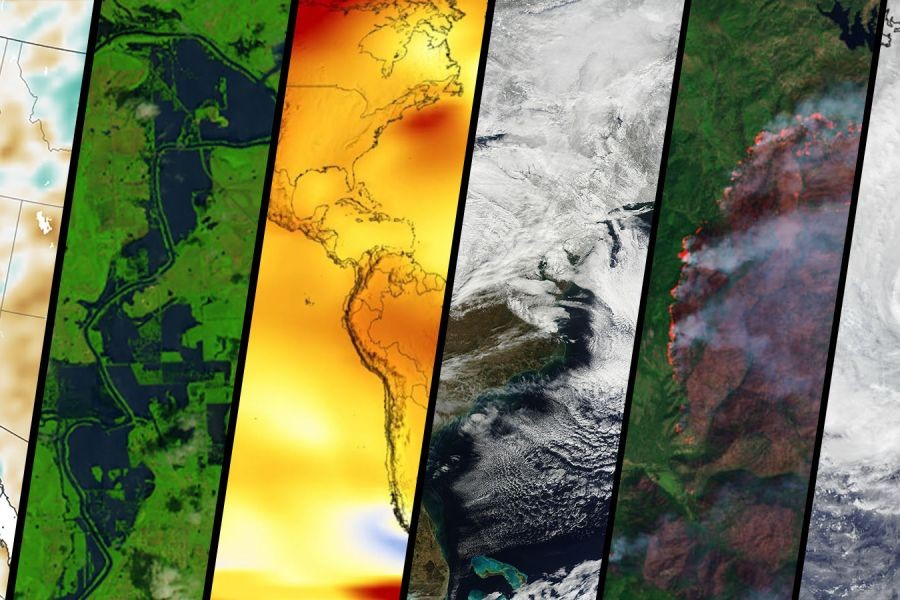
According to the Australian Bureau of Meteorology, climate change has already begun to affect weather patterns in Australia. The country has experienced an increase in the frequency and intensity of extreme weather events, such as bushfires, floods, and cyclones, over the past two decades. These events not only threaten the environment but also have profound implications for Australia's economy and industries.

The Economic Impact of Extreme Weather Events

Extreme weather events can have a severe impact on Australia's economy. The Reserve Bank of Australia (RBA) estimates that natural disasters cost the economy approximately AUD 38 billion annually. This figure is expected to rise as weather events become more frequent and severe. The agriculture, insurance, and tourism sectors are particularly vulnerable, with each facing unique challenges and opportunities.

Case Study: The 2019-2020 Bushfires

Problem: The 2019-2020 bushfire season was one of the most devastating in Australia's history, burning over 18 million hectares of land and causing significant economic and environmental damage.

Action: In response, the Australian government implemented a comprehensive recovery strategy, including financial assistance for affected communities and investments in fire prevention and management technologies.

Result: The recovery efforts led to a quicker rebound in the tourism sector, with visitor numbers returning to pre-fire levels within two years. Additionally, the adoption of new technologies improved fire management and prevention.

Takeaway: This case study highlights the importance of rapid and coordinated responses to extreme weather events. Future resilience planning and investment in technology are crucial for mitigating the economic impact of such events.

Industry-Specific Implications

Agriculture

The agriculture sector is particularly susceptible to extreme weather events. Droughts and floods can lead to crop failures and livestock losses, causing significant revenue declines. According to the Australian Bureau of Statistics (ABS), farm output fell by 5% during the 2019 drought. To mitigate these risks, farmers are adopting climate-smart agriculture practices, which include water-saving technologies and drought-resistant crop strains.

Insurance

The insurance industry faces rising claims due to extreme weather events, leading to higher premiums and increased pressure on profitability. The Australian Prudential Regulation Authority (APRA) has highlighted the need for insurers to enhance their risk assessment models to account for climate change-related risks. This adaptation is crucial for maintaining the industry's financial stability.

Tourism

Australia's tourism sector is heavily impacted by weather events, which can deter visitors and damage natural attractions. However, there are opportunities for the sector to adapt by promoting eco-tourism and investing in climate-friendly infrastructure. The Great Barrier Reef, for instance, has seen increased funding for conservation efforts, which not only protect the reef but also enhance its appeal to environmentally conscious tourists.

Policy and Regulatory Insights

Australia's policy landscape is evolving to address the challenges posed by extreme weather events. The Australian Competition & Consumer Commission (ACCC) is actively monitoring the insurance industry to ensure fair pricing and competition in the face of rising premiums. Additionally, the government has committed to the Paris Agreement, aiming for net-zero emissions by 2050, which will involve significant policy shifts and investments in renewable energy.

Pros and Cons of Policy Changes

  • Pros:
  • Increased investment in renewable energy can reduce carbon emissions and foster economic growth.
  • Better risk management and insurance models can lead to more resilient industries.
  • Cons:
  • The transition to net-zero emissions requires significant upfront investment and may disrupt traditional industries.
  • Regulatory changes can increase compliance costs for businesses.

Future Trends and Predictions

Looking ahead to 2040, the frequency and severity of extreme weather events in Australia are likely to increase due to ongoing climate change. The Intergovernmental Panel on Climate Change (IPCC) projects a rise in temperatures and changes in precipitation patterns, which will exacerbate these events. However, advancements in technology and policy can offer solutions.

For instance, the adoption of artificial intelligence in weather forecasting and disaster management can significantly improve response times and resource allocation. Furthermore, increased investment in renewable energy technologies will not only help mitigate climate change but also provide economic opportunities in emerging green industries.

Conclusion

Australia is poised to face more extreme weather events by 2040, with significant implications for its economy and industries. However, by embracing innovative technologies, adopting climate-resilient practices, and implementing forward-thinking policies, Australia can mitigate the risks and capitalize on new opportunities. As management consultants, understanding these dynamics is crucial for advising businesses on navigating the challenges and seizing the opportunities presented by a changing climate.

What strategies do you think will be most effective in preparing for Australia's future climate challenges? Share your thoughts and insights below!

People Also Ask (FAQ)

  • How does extreme weather impact Australia's economy? Extreme weather events cost Australia approximately AUD 38 billion annually, affecting sectors like agriculture, insurance, and tourism.
  • What are the biggest misconceptions about climate change in Australia? A common myth is that climate change impacts are distant, but current data shows increasing frequency of extreme weather events.
  • What strategies can businesses adopt to mitigate climate risks? Businesses should invest in climate-smart technologies, enhance risk assessments, and diversify supply chains to build resilience.

Related Search Queries

  • Australia extreme weather 2040
  • Economic impact of climate change in Australia
  • How climate change affects Australian industries
  • Australia's climate change policies 2040
  • Resilience planning for Australian businesses

0
 
0

28 Comments


freyagarrity23

17 days ago
As a Melbourne coffee lover, I often find myself pondering how our daily rituals could be impacted by changing weather patterns. The thought of facing more extreme weather events by 2040 is certainly concerning, especially when I consider how much I cherish my morning coffee breaks in the sunshine. It really makes me curious about how we can adapt our lifestyles and communities to be more resilient. I wonder what innovative solutions will emerge to keep our coffee culture thriving, even as we face these challenges. It's a reminder that every small change we make today can have a big impact on tomorrow.
0 0 Reply

SIGURON GmbH

17 days ago
Given the increasing frequency of extreme weather events globally, it's reasonable to expect that Australia will also face more intense and unpredictable climate patterns by 2040. This shift could have profound implications for everyday Australians, from impacting food security and water availability to straining infrastructure and emergency services. Moreover, as communities adapt to these changes, there will likely be a growing need for policies that prioritize sustainability and resilience, fostering a collective responsibility to mitigate the impact of climate change. Acknowledging these challenges now could empower us to take proactive steps, ensuring that we are better prepared for what lies ahead.
0 0 Reply

RenateSoub

17 days ago
As I read through the article, I couldn’t help but think about my neighbor, Mrs. Thompson, who’s been tending her garden for over thirty years. The thought of her struggling to keep her beloved roses alive in an increasingly unpredictable climate feels like a punch to the gut. It’s not just about the weather—it's about our lives, our routines, and the little joys that ground us. I can already envision her watering cans gathering dust, replaced by a sense of helplessness as the storms roll in. It’s a chilling reminder that these forecasts aren’t just statistics; they’re moments that shape our everyday existence.
0 0 Reply
That’s a thought-provoking piece! It's alarming to think about how climate change could impact our everyday lives, from water scarcity to bushfire risks. It really highlights the need for urgent action and better policies to protect communities and the environment. What can we do to advocate for change?
0 0 Reply
This article raises important concerns about the future of our climate and its direct impact on daily life. As a parent, I worry about how extreme weather will affect our kids' future, from education disruptions to safety. We need to prioritize sustainable practices and support policies that mitigate these risks.
0 0 Reply

OURS GLOBAL

18 days ago
What if we looked at it this way? Instead of just focusing on the potential challenges of extreme weather events by 2040, we could also consider how this could drive innovation in building practices and infrastructure. Embracing sustainable materials and better designs could not only help us adapt to these changes but also create new jobs and opportunities in the construction industry. By prioritizing resilience, we can turn these challenges into chances for growth and improvement in our communities.
0 0 Reply

ashleydavis

18 days ago
This topic really piques my interest! It's fascinating—and a bit alarming—to think about how climate change could reshape the landscape of Australia by 2040. I often wonder how these extreme weather events will affect everyday life, from agriculture to community resilience. It makes me curious about what measures are being taken now to prepare for these changes and how we can all contribute to a more sustainable future. I can't help but feel a mix of concern and hope as we navigate these challenges together.
0 0 Reply

Diginow

18 days ago
Wow, this topic hits home! With the kids and all our outdoor plans, it’s a bit nerve-wracking to think about more extreme weather. Just hoping we can adapt and stay safe while still enjoying our beautiful Aussie lifestyle. Fingers crossed for a brighter future!
0 0 Reply

Elhelow Style

18 days ago
It seems like Australia is on track to be the only place where you can experience four seasons in a single day—right alongside a bushfire, a flood, and a heatwave. Talk about all-weather gear! If the forecast is correct, by 2040, we might need a new category for our beloved Aussie BBQ: “Extreme Weather Edition.” Just imagine the menu—charred sausages with a side of hailstones! With the way things are going, our summer vacations might soon involve checking the weather app for cyclone warnings instead of just sunscreen levels. Who knew packing for a trip to the beach would require an emergency kit? By 2040, we might just have to add “extreme weather” to our list of must-have skills—along with surfing, barista training, and dodging kangaroos. It’s all part of the Aussie experience, right? At this rate, the phrase “rain on your parade” will take on a whole new meaning—let’s just hope it’s not a monsoon.
0 0 Reply

BLINDS4LIFE Inc.

18 days ago
While the article raises valid concerns about the potential for increased extreme weather events in Australia by 2040, it's important to consider the variability in climate models and predictions. Scientific forecasts often rely on numerous assumptions that can change based on new data or shifts in global policies, which may lead to different outcomes than currently anticipated. Additionally, the focus on extreme weather could overshadow other pressing environmental issues, such as rising sea levels or biodiversity loss, which may also significantly affect everyday Australians. By concentrating solely on extreme weather, we might miss the broader picture of how climate change will influence various aspects of life and the economy. Furthermore, while preparing for extreme weather is crucial, it’s equally important to foster community resilience and adaptive strategies that can mitigate the impacts of multiple environmental challenges. This holistic approach can lead to more sustainable practices and ultimately benefit small businesses in the long run. In conclusion, while the prospect of more extreme weather events is concerning, it's essential to maintain a balanced perspective that considers the complexities of climate science and the range of environmental issues Australians may face in the coming decades.
0 0 Reply

AARKAY FINANCE

18 days ago
The article presents a sobering outlook on climate change impacts in Australia. It’s important for communities to prepare and adapt thoughtfully to these evolving challenges.
0 0 Reply

Drishti Gupta

18 days ago
By 2040, Australia might need to swap its "no worries" motto for "bring your own umbrella" and "don’t forget the sunscreen"—all in the same day! Guess we’ll be mastering the art of weather multitasking. Stay cool, mates!
0 0 Reply

Lucy Martin

18 days ago
Sounds like a tough road ahead for our Aussie mates. With all that talk about climate change, I reckon it’s about time we all start thinking about how we can pitch in and help out. Every little bit counts, eh?
0 0 Reply

The Yachts Place

18 days ago
One potential downside of the prediction that Australia will face more extreme weather events by 2040 is the increased strain on infrastructure and emergency services. As weather-related incidents become more frequent and severe, cities may struggle to adequately respond to natural disasters, leading to potential delays in rescue efforts and recovery processes. This could leave communities vulnerable and exacerbate the socioeconomic divide, particularly affecting those in lower-income areas who may lack resources to adequately prepare for or recover from such events.
0 0 Reply
It's fascinating yet concerning to see how climate change could impact Australia by 2040. I'm curious about what specific measures can be taken now to prepare for these extreme weather events. Are there particular policies or community programs already in place to help mitigate these effects?
0 0 Reply

WWLClaribe

6 months ago
It's interesting to consider how climate change might reshape daily life in Australia. Adapting to more extreme weather could lead to some unexpected challenges for everyone.
0 0 Reply

NevaP37328

6 months ago
As I sit on this rattling train, watching the grey Auckland skyline blur past, I can’t help but feel a knot in my stomach reading about the looming threat of extreme weather in Australia. It hits home, you know? My sister lives in Sydney, and it’s hard not to worry about her when they’re predicting more intense heatwaves and floods. I remember the last time she sent me photos of her street turned into a river—it felt surreal, like a scene from a disaster movie. It’s frightening to think that this could become the new normal for so many people just across the Tasman. The world feels a bit heavier today, as I think about what it all means for families trying to just live their lives amidst nature's unpredictability.
0 0 Reply

ViolettePe

6 months ago
Well, if we’re not learning to surf on our rooftops by 2040, I suppose we’ll just have to get used to the occasional barbecue being interrupted by a flash flood. Who doesn’t love a little excitement with their weekend plans?
0 0 Reply

PearleneMu

6 months ago
While extreme weather is a concern, advancements in technology and infrastructure could help mitigate these impacts, providing resilience for everyday Australians in adapting to changing conditions.
0 0 Reply

ccsf123

6 months ago
Oh, absolutely! It’s like Mother Nature decided to spice things up! By 2040, it seems Australia could be hosting a wild weather rollercoaster. Everyday Australians might need to trade their beach towels for survival kits—talk about a twist in vacation plans!
0 0 Reply

autumnopitz81

6 months ago
Well, it’s comforting to know that by 2040, Australians might be treated to a new extreme weather event every week—just when you thought their summers couldn’t get any more exciting. Who needs reality TV when Mother Nature is putting on such a dramatic show?
0 0 Reply

oliveq97729682

6 months ago
While the predictions regarding increased extreme weather events in Australia by 2040 are concerning, it's essential to consider the variability in climate models and their inherent uncertainties. These models often depend on numerous assumptions, which can lead to different outcomes based on slight changes in data inputs or global responses to climate change. Additionally, focusing solely on extreme weather might overlook other related factors, such as potential advances in technology and infrastructure that could mitigate the impacts of such events. For instance, improvements in early warning systems, urban planning, and disaster response could significantly reduce the risks faced by communities. It's also worth acknowledging that while extreme weather events are a critical concern, we should not neglect the broader context of environmental changes, such as biodiversity loss and water scarcity, which may also shape life in Australia by 2040. These interconnected issues could have profound implications that deserve equal attention in discussions about the future.
0 0 Reply
That article sounds really interesting! It's crazy to think about how climate change could impact our daily lives in Australia. I wonder what specific changes we might see and how people will adapt to them. Definitely something we should keep an eye on!
0 0 Reply

nynedge

10 months ago
This article really highlights the urgency of climate change. It’s crucial for us to understand the potential impacts on our daily lives—let’s stay informed and proactive!
0 0 Reply

dyanmadrid3606

10 months ago
This article raises crucial questions about our future. It’s a wake-up call for all Australians to prepare and advocate for sustainable solutions. Let’s stay informed and proactive!
0 0 Reply

LEDScreen Rent

10 months ago
This article raises important points! It's crucial for us to understand how climate change will impact our lives and prepare for the future. Let’s stay informed and proactive!
0 0 Reply

melvin65818513

10 months ago
This article raises important points about our future! It’s crucial for all Australians to understand the potential impacts of extreme weather and prepare accordingly. Great read!
0 0 Reply

Embroidery Digitizing

10 months ago
This article raises important points about our future! Understanding the risks can help us prepare better and adapt. Let’s work together for a resilient Australia!
0 0 Reply
Show more

Related Articles