




In recent years, the New Zealand real estate market has seen a significant shift in buyer preferences, with virtual walkthroughs taking center stage. This change is not just a fleeting trend but rather a reflection of broader technological advancements and societal shifts. In this article, we delve into the reasons why buyers in New Zealand increasingly prefer video walkthroughs over traditional open homes and what this means for local businesses.
The Rise of Virtual Walkthroughs in New Zealand
New Zealand is no stranger to technological adoption, and its real estate sector is no exception. Virtual walkthroughs have emerged as a crucial tool for buyers and sellers alike. According to a report by Stats NZ, there was a 25% increase in the use of virtual tours from 2021 to 2023. This surge is attributed to several factors, including the convenience and accessibility these digital tools offer.
Case Study: The Success of Harcourts Real Estate
Problem: Harcourts, one of New Zealand's leading real estate agencies, faced challenges in attracting potential buyers to open homes during the pandemic restrictions. Traditional methods were not feasible, leading to a decrease in buyer engagement.
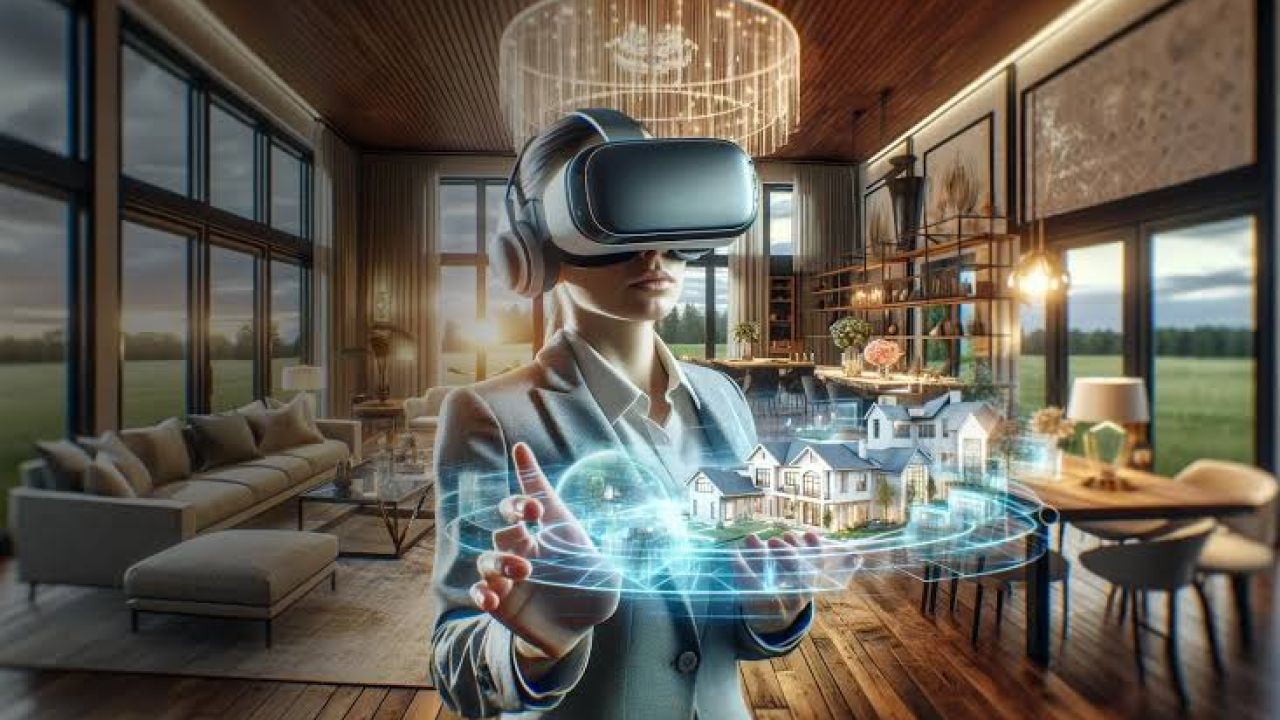
Action: To address this, Harcourts implemented virtual walkthroughs using 3D technology. The agency partnered with local tech firms to create immersive online tours, allowing potential buyers to view properties from the comfort of their homes.
Result: Within six months, Harcourts reported a 40% increase in inquiries and a 30% rise in property sales. The virtual tours attracted international buyers, expanding their market reach significantly.
Takeaway: This case highlights the effectiveness of virtual walkthroughs in overcoming geographical and logistical barriers, offering a competitive advantage to businesses that embrace technology.
Understanding Buyer Preferences
Why are buyers gravitating towards virtual walkthroughs? The answer lies in the unique benefits these tools provide. Virtual tours offer a comprehensive view of properties, enabling buyers to explore every nook and cranny without the constraints of time and location. According to a survey by the Real Estate Institute of New Zealand (REINZ), 70% of buyers prefer virtual tours to in-person visits due to time-saving and flexibility.
Pros vs. Cons of Virtual Walkthroughs
Pros:
- Convenience and Accessibility: Buyers can view properties at any time, from anywhere in the world.
- Time Efficiency: Virtual tours eliminate the need for travel, saving time for both buyers and sellers.
- Broader Reach: Properties can attract international buyers who might not otherwise have access.
- Enhanced Engagement: Interactive elements in virtual tours can increase buyer interest and engagement.
Cons:
- Lack of Physical Interaction: Buyers cannot physically inspect the property, which may lead to concerns over authenticity.
- Technical Limitations: Not all properties can be effectively captured in a digital format, especially those with unique architectural features.
- Initial Costs: Creating high-quality virtual tours requires an initial investment in technology and expertise.
Contrasting Viewpoints: Traditional vs. Virtual Methods
While virtual walkthroughs offer numerous benefits, there are contrasting opinions in the industry. Some traditionalists argue that open homes provide an irreplaceable personal touch and the ability to gauge a property’s ambiance in real life. On the other hand, advocates for virtual tours point out that technology can enhance the buying experience by providing detailed information and saving time.
Middle Ground: A hybrid approach that combines both virtual and physical tours might be the most effective strategy. By offering initial virtual tours followed by selective in-person visits, agencies can cater to diverse buyer preferences.
Common Myths About Virtual Walkthroughs
Myth: Virtual tours are only for luxury properties.Reality: Virtual tours are increasingly used for properties across all price ranges, as they cater to a wide audience (Source: REINZ).
Myth: Virtual tours are impersonal.Reality: Many virtual tours now include interactive features and live virtual walkthroughs with agents, making the experience more personal and engaging.
Myth: Virtual tours are too costly for small agencies.Reality: The cost of virtual tour technology has decreased significantly, making it accessible to agencies of all sizes.
Data-Driven Insights: How Virtual Walkthroughs Impact Sales
Data from the Reserve Bank of New Zealand reveals that properties marketed with virtual tours sell 20% faster than those relying solely on traditional methods. This speed can be attributed to the ability of buyers to quickly narrow down their options and make more informed decisions.
Future Trends in Real Estate Marketing
Looking ahead, the integration of virtual reality (VR) and augmented reality (AR) in real estate marketing is expected to grow. According to a report by MBIE, the adoption of AR/VR technologies in real estate is projected to increase by 35% over the next five years. These technologies will provide even more immersive experiences, allowing buyers to visualize renovations and customizations in real-time.
Conclusion: Embracing the Future of Real Estate
As the real estate landscape in New Zealand continues to evolve, embracing technology is no longer optional but necessary. Virtual walkthroughs offer unparalleled convenience, broader market reach, and increased buyer engagement. For local businesses, integrating these tools can lead to significant competitive advantages.
What are your thoughts on the future of virtual walkthroughs in real estate? Share your insights below!
People Also Ask (FAQ)
- How do virtual walkthroughs impact property sales in New Zealand?Virtual walkthroughs can increase property sales by providing broader access and faster decision-making. Properties with virtual tours sell 20% faster, according to the Reserve Bank of New Zealand.
- What are the biggest misconceptions about virtual tours?One common myth is that virtual tours are only for luxury properties. However, REINZ data shows they are used across all property types.
- What upcoming changes in New Zealand could affect virtual walkthroughs?By 2026, advancements in AR/VR technology will further enhance virtual walkthroughs, according to MBIE projections.
Related Search Queries
- Benefits of virtual walkthroughs in real estate
- Virtual tour technology in New Zealand
- Future of real estate marketing NZ
- Virtual reality in property sales
- Open homes vs virtual tours
- Impact of technology on real estate
- New Zealand real estate trends
- AR and VR in real estate
- Real estate market predictions NZ
- Cost of virtual tours for small agencies
For the full context and strategies on Virtual Walkthroughs: Why Buyers Prefer Video Over Open Homes in NZ, see our main guide: Nz Commercial Development Office Space Video Tours.