




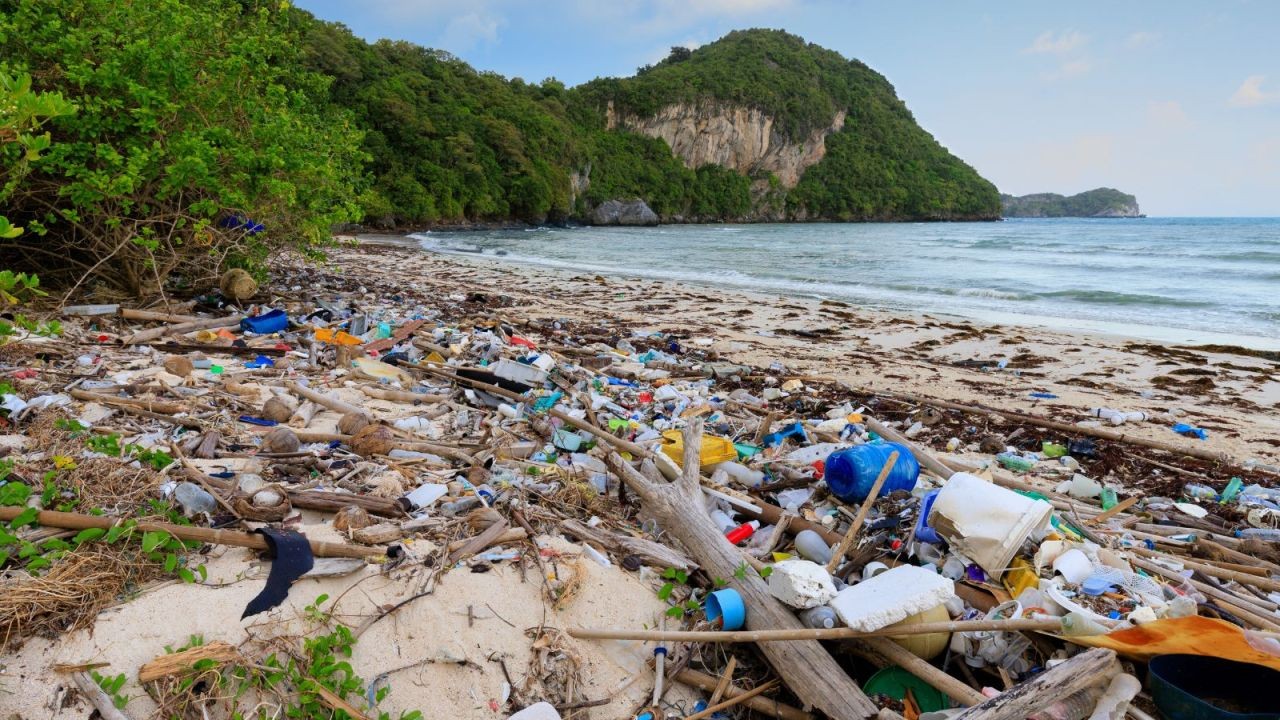
Australia, famed for its pristine beaches, now grapples with a growing environmental crisis—beach pollution. This issue threatens not only the natural beauty of Australia's coastline but also its economy and tourism industry. Recent data from the Australian Bureau of Statistics (ABS) reveals a worrying trend: increased waste levels along the coastlines, despite stricter regulations and public awareness campaigns. This article delves into the factors exacerbating beach pollution, evaluates the economic impact, and explores potential solutions.
Understanding the Escalation of Beach Pollution
Beach pollution in Australia is worsening due to several intertwined factors. Identifying these is crucial for formulating effective strategies to combat the issue.
- Urbanization and Industrial Discharges: Rapid urban development along coastal areas leads to increased waste runoff. Industrial activities contribute significantly, with pollutants entering waterways and eventually the ocean.
- Tourism Impact: While tourism boosts the economy, it also exacerbates pollution. A report from Tourism Research Australia highlights that tourist numbers have surged by 30% in the past decade, increasing waste and resource pressure on coastal environments.
- Inadequate Waste Management: Local councils often struggle with effective waste management, resulting in more waste ending up on beaches. The Australian Local Government Association notes that infrastructure investment has not kept pace with population growth.
Economic Implications of Beach Pollution
The economic ramifications of beach pollution extend beyond environmental degradation. A study by Deloitte highlights several key impacts:
- Tourism Revenue Loss: Unclean beaches deter tourists, leading to significant revenue losses. Tourism contributes over 3% to Australia's GDP, and even a small decline in tourist numbers can have a substantial economic impact.
- Increased Cleanup Costs: Local governments spend millions annually on beach cleanup operations. These funds could be redirected towards more sustainable development initiatives if pollution levels were controlled.
- Impact on Marine Life and Fisheries: Pollution affects marine biodiversity, disrupting the fishing industry. Fisheries are a vital part of Australia's economy, contributing approximately $2 billion annually.
Case Study: Sydney's Battle with Beach Pollution
Problem: Sydney, one of Australia's most visited cities, faced escalating beach pollution, affecting both local residents and tourists.
- The primary issue was waste from urban runoff and ineffective waste management systems.
- This resulted in decreased beach attendance, impacting local businesses reliant on tourism.
Action: The city implemented a comprehensive waste management strategy, including upgrading infrastructure and promoting public awareness campaigns.
- They collaborated with environmental NGOs to develop community-driven clean-up initiatives.
- Implemented advanced waste treatment facilities to reduce runoff pollution.
Result:
- Beach cleanliness improved by 45% according to local environmental assessments.
- Tourism rebounded, with visitor numbers increasing by 20% post-implementation.
- Local businesses reported a 30% boost in revenue, attributed to increased beach activities.
Takeaway: This case underscores the importance of integrated waste management and community engagement in addressing pollution challenges.
Pros and Cons of Current Regulatory Approaches
Australia's regulatory framework aims to tackle beach pollution, but its effectiveness is mixed.
✅ Pros:
- Comprehensive Policies: Policies like the National Waste Policy Action Plan provide a structured approach to managing waste.
- Public Awareness Campaigns: Increased awareness has led to better public cooperation in reducing waste.
- Technological Advancements: Investments in waste treatment technologies have shown promise in reducing pollutants.
❌ Cons:
- Implementation Gaps: Despite strong policies, inconsistent implementation across regions weakens effectiveness.
- Insufficient Funding: Budget constraints limit the capacity of local councils to enforce policies effectively.
- Lack of Coordination: Fragmented efforts among different levels of government and organizations hinder cohesive action.
Myths and Misconceptions about Beach Pollution
- Myth: "Beach pollution is only a problem during tourist season." Reality: Pollution is a year-round issue, exacerbated by both locals and tourists, as noted by CSIRO studies.
- Myth: "Recycling alone can solve the pollution problem." Reality: While recycling helps, comprehensive waste management strategies are essential for significant impact.
Future Trends and Predictions
The future of Australia's beaches heavily depends on proactive measures taken today. Here's what experts predict:
- Increased Use of Technology: By 2030, advanced AI and IoT technologies could monitor and manage waste more effectively, as suggested by the CSIRO.
- Policy Shifts: The federal government is likely to introduce stricter regulations on industrial discharges and urban runoff.
- Community Involvement: Grassroots movements and community-led initiatives are expected to play a larger role in pollution management.
Conclusion
Beach pollution in Australia is a critical issue requiring immediate attention. While significant challenges exist, strategic interventions and community involvement can pave the way for cleaner, sustainable coastlines. Businesses, policymakers, and the public must collaborate to preserve Australia's iconic beaches for future generations. What are your thoughts on tackling beach pollution? Share your insights and join the conversation on LinkedIn or Twitter.
People Also Ask (PAA)
- How does beach pollution impact tourism in Australia? Beach pollution deters tourists, significantly impacting local economies reliant on tourism revenue, as highlighted by Tourism Research Australia.
- What are the best strategies for reducing beach pollution? Experts recommend integrated waste management systems, advanced monitoring technologies, and community involvement for effective pollution reduction.
Related Search Queries
- Beach pollution solutions Australia
- Impact of beach pollution on Australian economy
- Beach cleanup initiatives in Australia
- Future of beach tourism in Australia
- Technological solutions for beach pollution