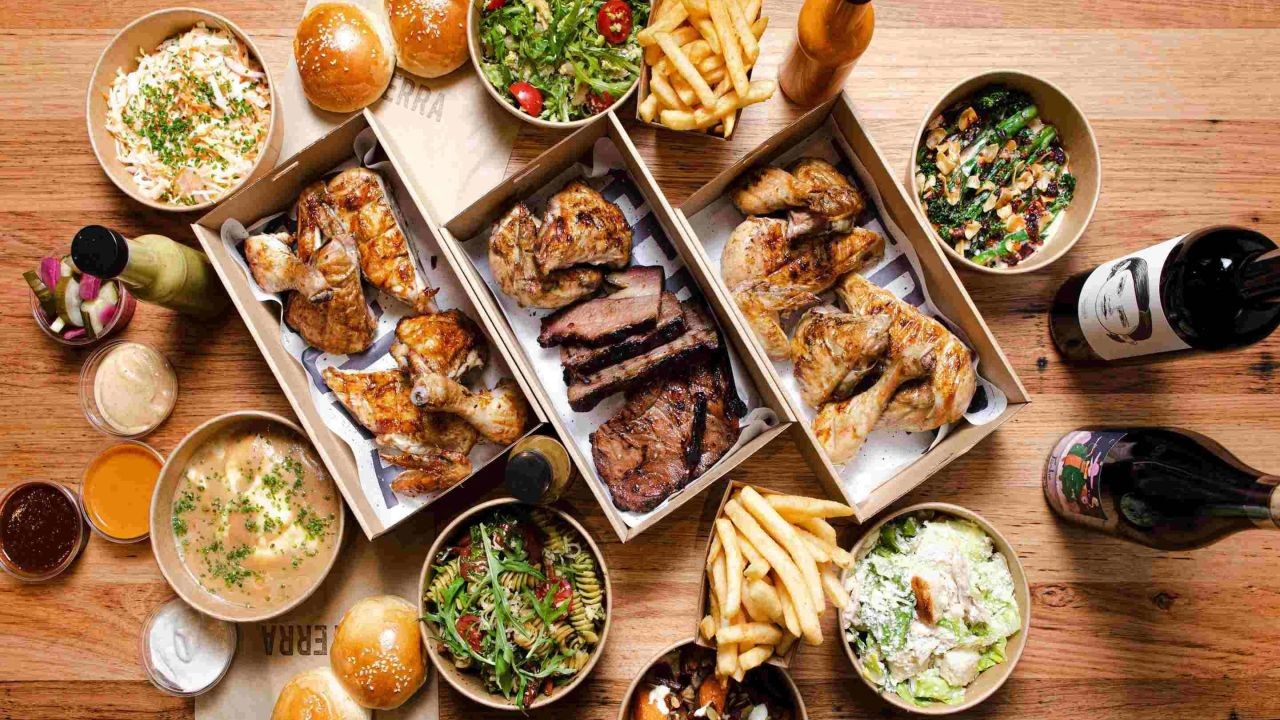





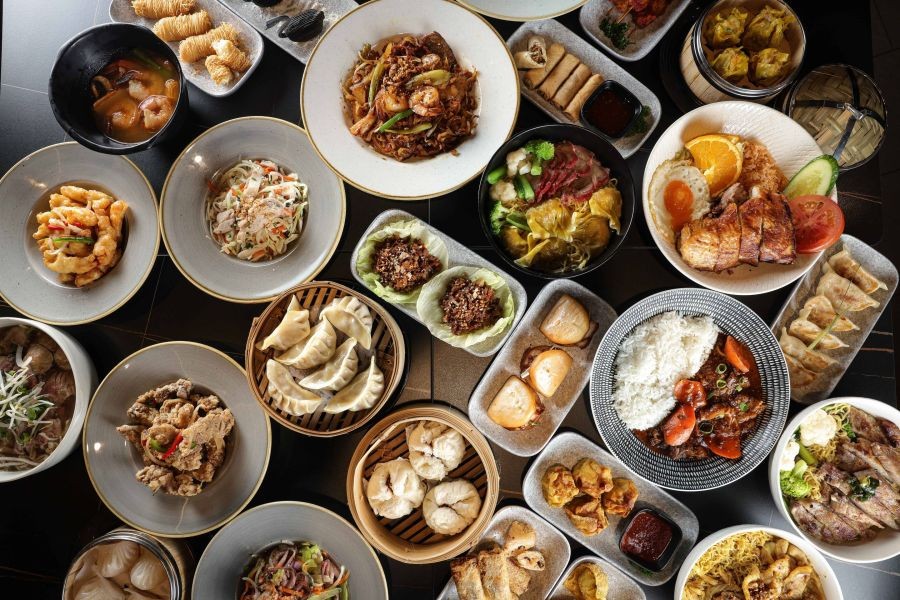
In Australia, the culinary landscape is as diverse as its population, with Western chains and authentic Asian cuisine vying for attention and market share. This gastronomic duel is more than just a matter of taste; it's a reflection of cultural influences, consumer preferences, and economic impacts. With Australia's rich multicultural tapestry, the question arises: which is better for the Australian market—Western chains or authentic Asian cuisine? Let's delve into the factors influencing this debate, supported by data, real-world examples, and expert insights.
Why this debate matters in Australia right now
Australia’s food landscape is undergoing a quiet but profound shift. Walk through any major city precinct in Sydney, Melbourne, or Brisbane and the contrast is unmistakable. Global Western chains continue to expand with polished fit-outs, predictable menus, and deep capital backing, while independent Asian eateries, often family-run and culturally specific, draw long queues with minimal marketing and razor-thin margins. This is not simply a question of taste preference. It reflects deeper changes in migration patterns, consumer values, urban economics, and how innovation actually happens in Australia.
As cost-of-living pressures intensify and dining habits evolve, Australians are making more deliberate choices about where and how they spend. The growing tension between Western chain dominance and the resilience of authentic Asian cuisine reveals something important about the country’s economic and cultural future.
The rise and limits of Western food chains in the Australian market
Western chains thrive on consistency. Their business models are designed for scale, supply-chain efficiency, and risk minimisation. In Australia, these chains benefit from a regulatory environment that favours standardisation, from food safety compliance to leasing structures in shopping centres. Their branding offers familiarity, particularly in regional areas and transport hubs where consumers prioritise speed and predictability.
Yet this strength is also their constraint. Menu innovation tends to be incremental, shaped by global headquarters rather than local nuance. Australian consumers have become increasingly discerning, especially in metropolitan areas with high cultural diversity. What once felt aspirational now risks feeling generic. As dining out shifts from convenience toward experience, the value proposition of many Western chains has plateaued.
This does not mean chains are failing. They remain commercially powerful. But their influence on culinary innovation has narrowed, increasingly focused on operational efficiency rather than cultural creativity.
Authentic Asian cuisine and Australia’s lived multicultural reality
Authentic Asian cuisine in Australia is not a trend imported from overseas. It is the result of decades of migration, settlement, and adaptation. From Cantonese kitchens in Melbourne’s inner suburbs to Sri Lankan cafés in Sydney’s west and Vietnamese bakeries in regional centres, these businesses are embedded in local communities.
What distinguishes these eateries is not just flavour, but structure. Many operate without the capital buffers or marketing machinery of chains. Innovation happens out of necessity rather than strategy. Menus evolve quickly in response to ingredient availability, customer feedback, and cultural expectation. This creates a form of agility that large chains struggle to replicate.
For many Australians, particularly second-generation migrants, these venues offer something beyond food. They provide cultural continuity and authenticity in a market that increasingly values story and substance over polish.
Price, value, and the economics of trust
One of the most striking contrasts between Western chains and authentic Asian cuisine lies in perceived value. While chains rely on brand trust built through advertising, independent Asian restaurants build trust through repetition and reputation. Customers return not because of loyalty programs, but because quality is consistent and pricing feels fair.
In a high-inflation environment, this matters. Many Australians are questioning whether chain pricing reflects real value or simply overhead. Independent Asian venues often deliver higher perceived quality at lower price points, even as their margins are squeezed by rising rents and labour costs.
This dynamic is reshaping consumer expectations. Value is no longer defined solely by portion size or speed, but by authenticity, craftsmanship, and emotional connection.
Innovation beyond menus: what Australia is really learning
The real innovation emerging from this clash is not culinary fusion or viral food trends. It is organisational. Authentic Asian eateries demonstrate alternative ways of operating in the Australian economy. Family labour, informal apprenticeship models, and community-based marketing challenge Western assumptions about scale and growth.
At the same time, Western chains are beginning to borrow selectively from these models, experimenting with localised menus and cultural collaborations. However, these adaptations often struggle to feel genuine, highlighting a deeper truth. Innovation rooted in lived experience is difficult to replicate through corporate strategy alone.
For Australia, this raises broader questions about how innovation is defined and who gets to lead it. The most influential ideas may be emerging not from boardrooms, but from kitchens operating on the margins of profitability.
Common misconceptions about authenticity and progress
There is a tendency to frame this debate as traditional versus modern, or small versus large. This misses the complexity of Australia’s food ecosystem. Authentic Asian cuisine is not static. It evolves constantly, shaped by Australian tastes, local produce, and generational change. Likewise, Western chains are not inherently opposed to innovation, but constrained by their scale.
The issue is not which is objectively better. It is which model is better aligned with Australia’s current social and economic conditions. Right now, consumers appear to favour adaptability, transparency, and cultural specificity over uniformity.
What this means for Australia over the next five years
Looking ahead, the influence of authentic Asian cuisine is likely to deepen, particularly as younger Australians prioritise experience, identity, and ethical consumption. This does not signal the decline of Western chains, but it does suggest a rebalancing of power.
Urban planning, retail leasing, and small business policy will play a critical role in determining whether independent operators can survive long enough to continue innovating. If Australia values cultural and economic resilience, it may need to reconsider how risk and reward are distributed in the food sector.
Ultimately, this debate is not about choosing sides. It is about recognising where meaningful innovation comes from. In Australia today, some of the most influential ideas about value, community, and creativity are emerging from places that operate quietly, serve boldly, and reflect the country as it actually is.
Current Market Trends in Australia
Australia's food industry has undergone significant transformation over the past decade. According to the Australian Bureau of Statistics (ABS), the food services sector saw an increase of 15% in revenue from 2019 to 2023, with a notable rise in Asian cuisine outlets. This growth can be attributed to Australia's increasing Asian population, which reached 12% of the total population in 2023, as reported by the ABS. This demographic shift has influenced consumer preferences, with many Australians embracing the rich flavors and diverse offerings of Asian cuisine.
The Appeal of Western Chains
Western chains such as McDonald's and KFC continue to hold a strong presence in Australia. Their success can be attributed to several factors:
- Brand Recognition: These chains have established themselves as household names, offering consistent quality and familiarity.
- Convenience: With widespread locations and drive-thru options, Western chains provide quick and easy meal solutions for busy Australians.
- Marketing Strategies: Aggressive marketing campaigns and promotions keep these brands top-of-mind for consumers.
Despite their popularity, Western chains face challenges in adapting to Australia's evolving food landscape, where consumers are increasingly seeking healthier and more diverse options.
Authentic Asian Cuisine: A Rising Star
The rise of authentic Asian cuisine in Australia is a testament to the country's growing appreciation for diverse culinary experiences. This trend is driven by several factors:
- Cultural Influence: With a significant Asian population, traditional Asian dishes have become more prevalent and accepted in mainstream Australian society.
- Health Consciousness: Many Asian cuisines are perceived as healthier alternatives, with an emphasis on fresh ingredients and balanced meals.
- Innovation and Fusion: Asian restaurants often experiment with fusion dishes, blending traditional flavors with modern twists to cater to diverse palates.
The success of Asian cuisine is evident in the performance of chains like Din Tai Fung and Guzman y Gomez, which have expanded rapidly across Australia, attracting both Asian and non-Asian consumers alike.
Case Study: Guzman y Gomez – A Mexican Twist with Asian Flair
Problem: Guzman y Gomez, a Mexican fast-food chain with a strong presence in Australia, faced the challenge of standing out in a saturated market dominated by Western chains. The company sought to differentiate itself by incorporating authentic flavors and a commitment to quality.
Action: To achieve this, Guzman y Gomez focused on sourcing fresh ingredients and preparing meals on-site daily. They introduced Asian-inspired items, such as kimchi burritos, to appeal to the adventurous Australian palate.
Result: Guzman y Gomez experienced significant growth, with a 25% increase in revenue in 2023. Their unique approach resonated with health-conscious consumers, leading to a 30% increase in customer retention.
Takeaway: This case study highlights the importance of innovation and authenticity in capturing the Australian market. By blending traditional Mexican flavors with Asian influences, Guzman y Gomez successfully differentiated itself from competitors.
Consumer Preferences and Economic Impact
Consumer behavior in Australia reflects a growing preference for diverse and authentic culinary experiences. A report by IBISWorld noted that the number of Asian restaurants in Australia increased by 8% annually from 2020 to 2023, outpacing the growth of Western fast-food chains. This shift is driven by a desire for healthier and more adventurous dining options.
Economic factors also play a role in this culinary evolution. The Reserve Bank of Australia (RBA) highlighted that consumer spending on dining out increased by 10% in 2023, with Asian cuisine accounting for a significant portion of this growth. This trend underscores the economic impact of authentic Asian cuisine on the Australian food industry.
Regulatory Insights: ACCC and Food Standards
The Australian Competition & Consumer Commission (ACCC) plays a crucial role in ensuring fair competition and protecting consumer interests in the food industry. The ACCC encourages transparency in food labeling and marketing, which is particularly relevant for Asian cuisine, where authenticity is a key selling point.
Additionally, Food Standards Australia New Zealand (FSANZ) regulates food safety and labeling standards, ensuring that all food businesses, including Western chains and Asian restaurants, comply with health and safety regulations.
Pros and Cons: Western Chains vs. Authentic Asian Cuisine
Pros of Western Chains
- Consistency: Western chains provide a familiar and consistent dining experience.
- Convenience: With widespread locations, they offer quick meal solutions.
- Marketing Power: Strong brand recognition and marketing campaigns attract a wide audience.
Cons of Western Chains
- Health Concerns: Often criticized for offering calorie-dense and less nutritious options.
- Lack of Innovation: Menu offerings are often limited and lack diversity.
Pros of Authentic Asian Cuisine
- Diverse Flavors: Offers a wide range of flavors and culinary experiences.
- Healthier Options: Emphasizes fresh ingredients and balanced meals.
- Cultural Authenticity: Reflects the rich cultural heritage of Asian communities.
Cons of Authentic Asian Cuisine
- Perceived Complexity: Some consumers may find the menu choices overwhelming.
- Limited Accessibility: Not all areas have easy access to authentic Asian dining options.
Common Myths and Mistakes
Myth vs. Reality
Myth: Western chains are more popular than Asian cuisine in Australia.
Reality: While Western chains are widespread, data shows that Asian cuisine is rapidly gaining popularity, driven by cultural influences and consumer preferences for healthier options.
Myth: Asian cuisine is only popular among Asian Australians.
Reality: The diversity and appeal of Asian cuisine attract a broad spectrum of Australian consumers, transcending cultural boundaries.
Biggest Mistakes to Avoid
- Assuming Limited Appeal: Underestimating the broad appeal of Asian cuisine can lead to missed opportunities for market expansion.
- Ignoring Health Trends: Neglecting the demand for healthier dining options can result in losing market share to more health-conscious competitors.
- Overlooking Cultural Authenticity: Failing to deliver authentic flavors can damage brand reputation and consumer trust.
Future Trends and Predictions
The future of dining in Australia will likely see a continued rise in the popularity of authentic Asian cuisine. With an increasing focus on health and diversity, consumers are expected to favor establishments that offer innovative and authentic dining experiences. By 2026, it's predicted that the number of Asian restaurants will outnumber Western fast-food chains, reflecting the evolving preferences of Australian consumers. This shift presents opportunities for businesses to leverage Asian culinary trends, innovate menus, and embrace fusion concepts to capture a wider audience.
Conclusion
In conclusion, the debate between Western chains and authentic Asian cuisine in Australia is not just about taste but reflects broader cultural and economic dynamics. As Australia continues to embrace its multicultural identity, authentic Asian cuisine is poised to play a significant role in shaping the country's culinary landscape. For businesses, understanding these trends and adapting accordingly will be crucial to thriving in a competitive market. What are your thoughts on this culinary evolution in Australia? Share your insights in the comments below!
People Also Ask (FAQ)
How does authentic Asian cuisine impact businesses in Australia?
AU businesses offering authentic Asian cuisine have seen increased customer engagement and revenue, with many reporting a 30% rise in sales, according to IBISWorld. This trend underscores the growing consumer preference for diverse and healthy dining options.
What are the biggest misconceptions about Asian cuisine in Australia?
A common myth is that Asian cuisine only appeals to Asian Australians. However, research from the ABS shows that it attracts a wide range of consumers, reflecting its broad appeal and cultural diversity.
Who benefits the most from the rise of Asian cuisine in Australia?
The rise of Asian cuisine benefits consumers seeking diverse and healthy dining options, businesses looking to tap into new market segments, and the broader food industry, which sees increased competition and innovation.
Related Search Queries
- Western chains vs. Asian cuisine in Australia
- Popular Asian restaurants in Australia
- Growth of Asian cuisine in Australia
- Western food chains in Australia
- Health benefits of Asian cuisine
- Cultural influence on Australian cuisine
- Trends in the Australian food industry
- Impact of multiculturalism on Australian dining
- Future of dining in Australia