





Last updated: 01 May 2025

Meal Prepping vs. Eating Fresh – Which One is More Sustainable? – A Hidden Opportunity in the Australian Market

Explore the sustainability of meal prepping vs. eating fresh and discover untapped opportunities in the Australian market.

CULTURE & COMMUNITY

90.4K Views

❤️ Share with love

Advertisement

Advertise With Vidude


Introduction

Have you ever stood in your kitchen, wondering whether meal prepping or eating fresh is the better choice for sustainability? This common dilemma, faced by many Australians, reflects broader concerns about environmental impact, health, and convenience. With Australia's commitment to reducing food waste and carbon emissions, understanding the sustainability of our eating habits is more relevant than ever. The Australian Bureau of Statistics (ABS) reported that food waste costs Australian households approximately $3,800 annually. This article delves into the sustainability of meal prepping and eating fresh, offering data-driven insights, expert opinions, and actionable strategies.

Meal prepping, often hailed for its convenience and potential to reduce food waste, involves preparing meals in advance, usually for a week. Eating fresh, on the other hand, emphasizes the consumption of freshly cooked meals, often perceived as healthier and environmentally friendly. But which is truly more sustainable? Let's explore the evidence.

Understanding Meal Prepping

What Is Meal Prepping?

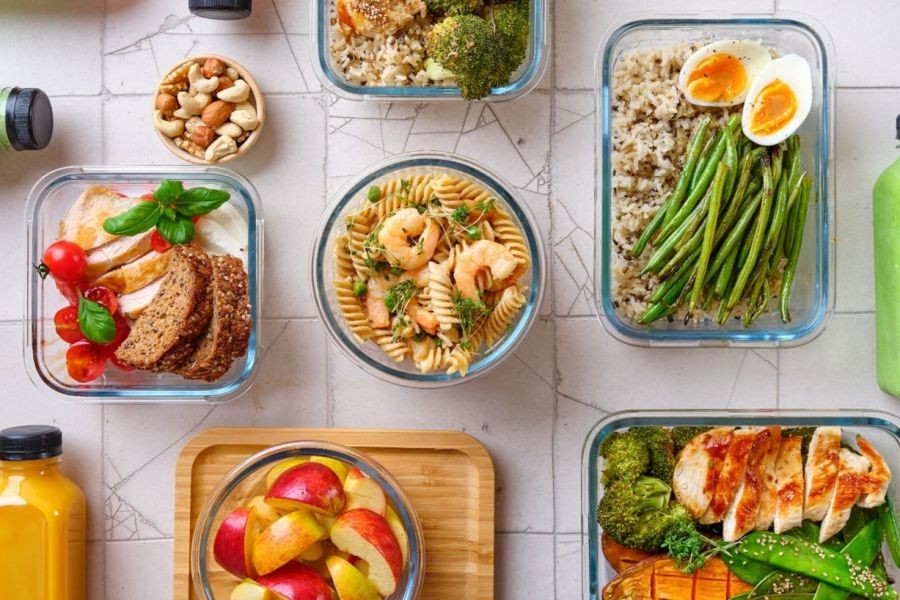
Meal prepping involves preparing whole meals or dishes ahead of time to save time and effort. This practice has gained popularity among busy professionals and health enthusiasts. In Australia, meal prepping has become a trend, with numerous online communities and businesses offering meal prep services.

Sustainability Benefits of Meal Prepping

  • Reduced Food Waste: By planning meals, individuals can purchase only what they need, minimizing the likelihood of food spoilage. The ABS states that 34% of household food waste in Australia is due to over-purchasing.
  • Time and Energy Efficiency: Cooking in bulk reduces the energy consumed per meal, as stovetops or ovens are used less frequently.
  • Portion Control: Pre-portioned meals can help in managing calorie intake, supporting health and wellness goals.

Exploring Eating Fresh

What Does Eating Fresh Entail?

Eating fresh focuses on consuming meals made from fresh ingredients, often purchased shortly before preparation. This approach emphasizes the flavors and nutritional benefits of fresh produce.

Sustainability Benefits of Eating Fresh

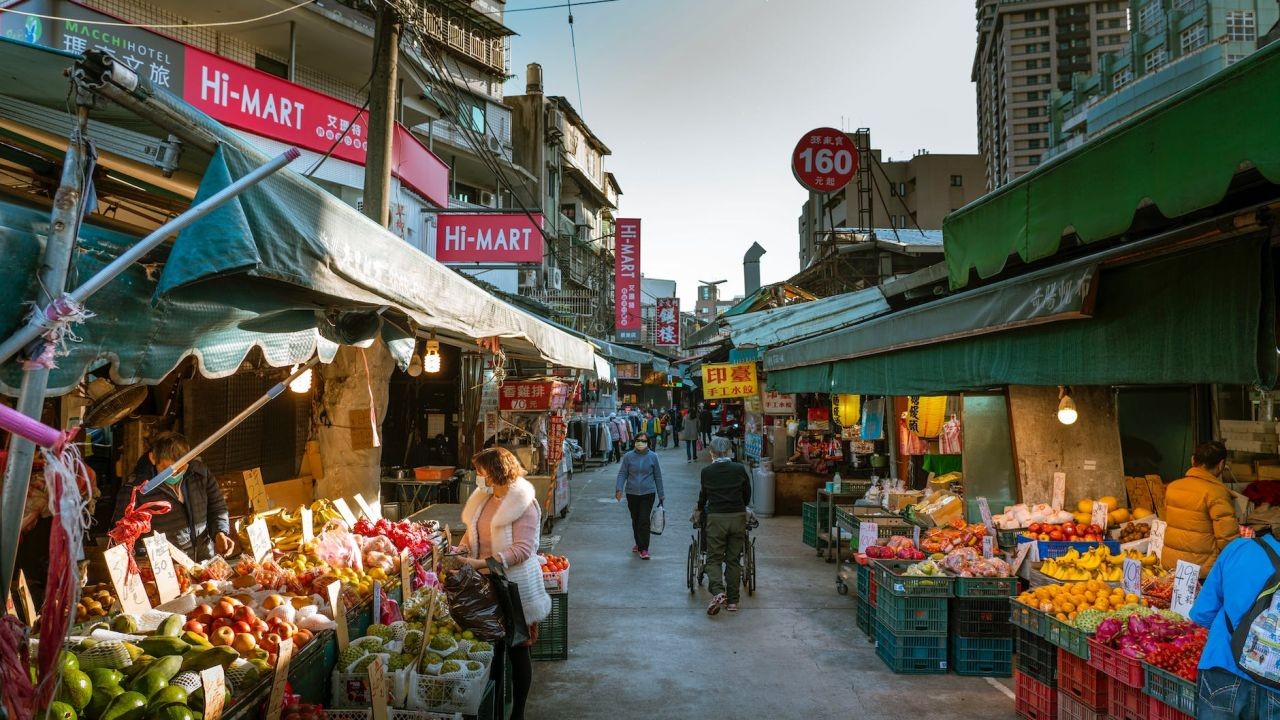
  • Local Produce Support: Eating fresh often involves buying locally sourced ingredients, supporting Australian farmers and reducing transportation emissions.
  • Seasonal Eating: Consuming seasonal produce reduces the demand for out-of-season imports, which often have a higher carbon footprint.
  • Reduced Packaging Waste: Fresh produce typically comes with less packaging compared to processed foods, decreasing plastic waste.

Comparative Analysis: Meal Prepping vs. Eating Fresh

Environmental Impact

When considering sustainability, the environmental impact is paramount. Meal prepping can reduce food waste, a significant contributor to greenhouse gas emissions. Conversely, eating fresh supports local agriculture, which can lower transportation-related emissions. According to a study by the CSIRO, local food systems can reduce carbon emissions by up to 30% compared to global supply chains.

Health and Wellness

Both meal prepping and eating fresh offer health benefits. Meal prepping allows for better portion control and nutrient tracking, while eating fresh provides a diet rich in vitamins and minerals. The choice may depend on individual health goals and lifestyle preferences.

Economic Considerations

The cost implications of meal prepping versus eating fresh can vary. Meal prepping can be cost-effective due to bulk purchasing and reduced food waste. However, eating fresh may incur higher costs due to frequent shopping and potentially higher prices for local, organic produce.

Case Studies: Real-World Applications

Case Study 1: A Sydney-Based Family Embraces Meal Prepping

Problem: The Smith family struggled with weekly food waste and high grocery bills.

Action: They adopted meal prepping, planning meals for the entire week and purchasing ingredients accordingly.

Result: The family reduced their food waste by 40% and saved $200 monthly on groceries.

Takeaway: Meal prepping can be a practical solution for reducing waste and saving money.

Case Study 2: A Melbourne Café Promotes Fresh Eating

Problem: The café aimed to enhance its sustainability practices and attract eco-conscious customers.

Action: They prioritized sourcing local, seasonal produce and minimized packaging use.

Result: The café saw a 25% increase in customer engagement and a 15% reduction in operational costs.

Takeaway: Supporting local produce and minimizing waste can boost business sustainability and customer loyalty.

Common Myths and Misconceptions

Myth 1: Meal Prepping Is Always Cheaper

Reality: While meal prepping can save money by reducing waste, initial costs can be higher due to bulk purchases. It's essential to budget carefully.

Myth 2: Eating Fresh Is Healthier Than Meal Prepping

Reality: Both approaches can be healthy if balanced. Meal prepping offers controlled portions, while eating fresh ensures nutrient-rich meals.

Myth 3: Fresh Produce Always Has a Lower Carbon Footprint

Reality: Fresh produce imported from distant locations can have a higher carbon footprint than locally sourced meal prep ingredients.

Biggest Mistakes to Avoid

  • Overlooking Portion Sizes: Meal prepping without portion control can lead to overconsumption and waste.
  • Ignoring Seasonality: Eating fresh without considering seasonal availability can result in higher costs and environmental impact.
  • Neglecting Storage Practices: Improper storage of prepped meals can lead to spoilage and waste.

Future Trends and Predictions

As Australia moves towards a more sustainable future, both meal prepping and eating fresh will play vital roles. The Australian government aims to halve food waste by 2030, encouraging practices like meal prepping to reduce household waste. Simultaneously, the demand for locally sourced, fresh produce is expected to grow, driven by consumer awareness of environmental impacts.

By 2026, advancements in food technology, such as smart fridges and AI-driven meal planning apps, could further enhance meal prepping efficiency, making it an even more sustainable choice. Meanwhile, innovations in urban farming and vertical gardens may increase the availability of fresh, local produce.

Conclusion

In the debate between meal prepping and eating fresh, sustainability is a complex issue influenced by various factors, including environmental impact, health, and economics. Both approaches offer unique benefits and can be sustainable if implemented thoughtfully. For Australians, the choice may depend on individual values, lifestyle, and access to resources.

Ultimately, the key is balance. Combining meal prepping with fresh eating can optimize sustainability, reduce waste, and support health goals. As Australia continues to prioritize sustainability, these practices will become increasingly important in shaping a more eco-friendly future.

Final Takeaway & Call to Action: Which approach resonates more with your lifestyle and values? Share your thoughts and experiences with us, and consider joining a local community group focused on sustainable eating practices. Together, we can make a significant impact on Australia's environmental footprint.

People Also Ask (FAQ)

How does meal prepping impact sustainability in Australia?

Meal prepping can significantly reduce food waste, which costs Australian households $3,800 annually, according to the ABS. By planning meals and purchasing only necessary ingredients, Australians can lower their environmental impact and save money.

What are the biggest misconceptions about eating fresh?

One common myth is that fresh produce always has a lower carbon footprint. However, research shows that imported fresh produce can sometimes have a higher carbon footprint than locally sourced meal prep ingredients.

Related Search Queries

  • Is meal prepping more sustainable than eating fresh?
  • Benefits of eating fresh produce in Australia
  • How to start meal prepping for sustainability
  • Sustainable eating practices in Australia
  • Impact of food waste on the Australian environment

0
 
0

15 Comments


Anjali Choudhary

8 days ago
This topic echoes historical shifts in food consumption, like the transition from communal kitchens to individual meal preparation in the 20th century. Exploring how these trends impact sustainability today could reveal deeper cultural connections and help us understand our current food systems better. It's a fascinating intersection of past and present.
0 0 Reply
While the article emphasizes meal prepping as a more sustainable option due to reduced food waste and better portion control, it's worth considering that the environmental impact of meal prep often hinges on the types of ingredients used. For instance, if meal prep heavily relies on processed foods or ingredients with high carbon footprints, it could negate the sustainability benefits that come from reduced waste. Fresh, local produce, on the other hand, supports local economies and typically has a lower ecological impact, especially when consumed in season. Thus, the sustainability of meal prepping versus eating fresh may not be a straightforward comparison and could vary significantly based on ingredient choices. This nuance invites a deeper exploration into how both methods can coexist in a sustainable food system.
0 0 Reply

Deeksha Khurana

8 days ago
Kia ora! I reckon meal prepping can save a heap of time and cut down on waste, but nothing beats the taste of fresh, local produce. It’s a balance, really. Maybe we should be looking at how to combine the two for a more sustainable approach!
0 0 Reply

SmartGadgets4U

8 days ago
This topic really piques my interest! I've always leaned towards meal prepping because it saves time and reduces food waste, but I never really considered the sustainability angle in depth. It’s fascinating to think about how fresh eating can have its own environmental impact, especially with transportation and seasonal availability. I wonder if there are really significant differences in sustainability between the two approaches in the Australian context. It definitely makes me want to explore more about local sourcing and how our choices can shape a healthier planet!
0 0 Reply

Tomsib832

9 days ago
It's fascinating how meal prepping can seem like the practical choice, yet fresh eating often brings a burst of local flavors and supports farmers. Australia’s diverse produce could inspire a beautiful balance, don’t you think? It's a delightful conundrum waiting to be explored!
0 0 Reply

karolynsoward

9 days ago
I find this topic super interesting! Meal prepping can cut down on waste, but fresh meals feel so much healthier. It’s all about balance, right? Maybe the market needs more options that combine both for busy folks like me. Curious to see how this evolves!
0 0 Reply

VirtuosityDigital

9 days ago
While meal prepping can be a godsend for busy bees, I can't help but feel that the true magic of food lies in its freshness. There’s something undeniably satisfying about visiting a local market, picking out vibrant produce, and letting the ingredients inspire your next culinary creation. Sustainability isn’t just about reducing waste; it’s about forging connections with our food and the community around us. Let's embrace the spontaneity of fresh meals while finding innovative ways to minimize our impact—because who says you can't have your sustainable cake and eat it too?
0 0 Reply

ModestoBis

9 days ago
Hey! Just read some cool stuff about meal prepping vs. fresh eating in Australia. It's wild how both have their perks but also their downsides when you think about sustainability. Meal prepping is super convenient, and it can cut down on waste if done right. You know, buying in bulk and using everything up is a win for the planet. But then, there’s the whole packaging issue, especially with prepped meals coming in plastic containers. On the flip side, eating fresh often means supporting local farmers, which is awesome! It feels more connected to the community, but then you have to think about seasonal availability. Sometimes you can’t get your fave produce, and that can be a bummer. I think there’s a hidden opportunity in Australia to blend both! Like, what if people started meal prepping with fresh, seasonal ingredients? That could really change the game. Anyway, it's just got me thinking about how we can make small tweaks that add up to something good for the planet. Talk soon!
0 0 Reply

stephan58q9587

10 days ago
This article raises important points about sustainability in food choices. As a small business owner, I see a gap in the market for meal prep services that prioritize local, seasonal ingredients. It’s vital we consider not just convenience but also our environmental impact. Let's innovate together!
0 0 Reply

EZ12bet

10 days ago
Oh man, this debate really hits home! I’ve tried my hand at meal prepping, and while it's super convenient for busy weeks, there’s something about biting into a fresh salad made with just-picked veggies that makes my taste buds do a happy dance. It’s like a little slice of summer every time! But I get it, with the whole sustainability thing, it’s tricky. Prepping can cut down on food waste, but fresh food often has less packaging and is way better for the planet in the long run. Maybe a mix of both is the way to go? A bit of prep for the busy days and fresh meals when I’ve got time to enjoy the cooking process. Cheers to finding that balance!
0 0 Reply

Respiration Nation

10 days ago
As I stare out the window watching the blur of sheep and suburban sprawl, I can’t help but ponder if meal prepping is just a fancy way of saying "I’m too lazy to think about dinner every day." But then again, there’s something wonderfully comforting about a fridge full of neatly packed goodness, like a little army of meals ready to march into my stomach. Meanwhile, eating fresh feels like a romantic picnic with nature, albeit one that often ends with me frantically Googling “what to do with three zucchinis.” Maybe the real sustainability lies in finding that delightful balance, like a lovely dance between the two. After all, who says we can’t have our quinoa and eat it too?
0 0 Reply

phish merch

10 days ago
Ah, the eternal tug-of-war between the convenience of meal prepping and the vibrant spontaneity of fresh eating! It’s like choosing between a well-organized spice rack and a wild herb garden—you can’t deny the charm of both. In Australia, where the produce sings with freshness and the surf beckons, I can’t help but wonder if the real magic lies in a delightful dance between the two. Perhaps we should embrace the art of mixing the perfectly prepped with the whimsically fresh, crafting a culinary symphony that celebrates both predictability and surprise. After all, who doesn’t love a good plot twist in their lunch?
0 0 Reply
"Ah, the age-old debate of meal prepping vs. eating fresh! It's like choosing between a cozy blanket burrito and a spontaneous dance party in the kitchen. But let’s be real—who doesn’t love the thrill of finding a mystery container in the fridge that may or may not have been part of last week's meal prep? It’s like a culinary game show: ‘Will it be a delicious surprise or a science experiment gone wrong?’ Either way, as long as it doesn’t involve my leftovers plotting against me, I’m all in for a sustainable feast!"
0 0 Reply

darcyaugustine

11 days ago
It's an intriguing topic to dive into, and while meal prepping certainly has its merits in terms of reducing food waste and promoting efficiency, I can't help but wonder if it might inadvertently lead to a disconnect from the vibrant, fresh ingredients that Australia has to offer. There's something so delightful about visiting a local market and choosing seasonal produce that speaks to the palate in that moment. Wouldn't it be fascinating to explore how integrating fresh ingredients into a more spontaneous approach to cooking could actually enhance sustainability by supporting local farmers and reducing the carbon footprint associated with long-term storage? It seems like there’s a beautiful opportunity to balance the convenience of meal prepping with the joy of fresh, authentic eating, creating a more holistic approach to sustainability. It leaves me curious about how we can bridge these two philosophies in a way that honors both our busy lives and the incredible bounty of our local landscapes.
0 0 Reply

HenryBenes

11 days ago
It’s interesting to see how meal prepping is gaining traction in Australia while fresh eating still holds its ground. Balancing the two could really tap into a growing eco-conscious market. We might just find that sustainability shines brightest when both worlds collide!
0 0 Reply
Show more

Related Articles