






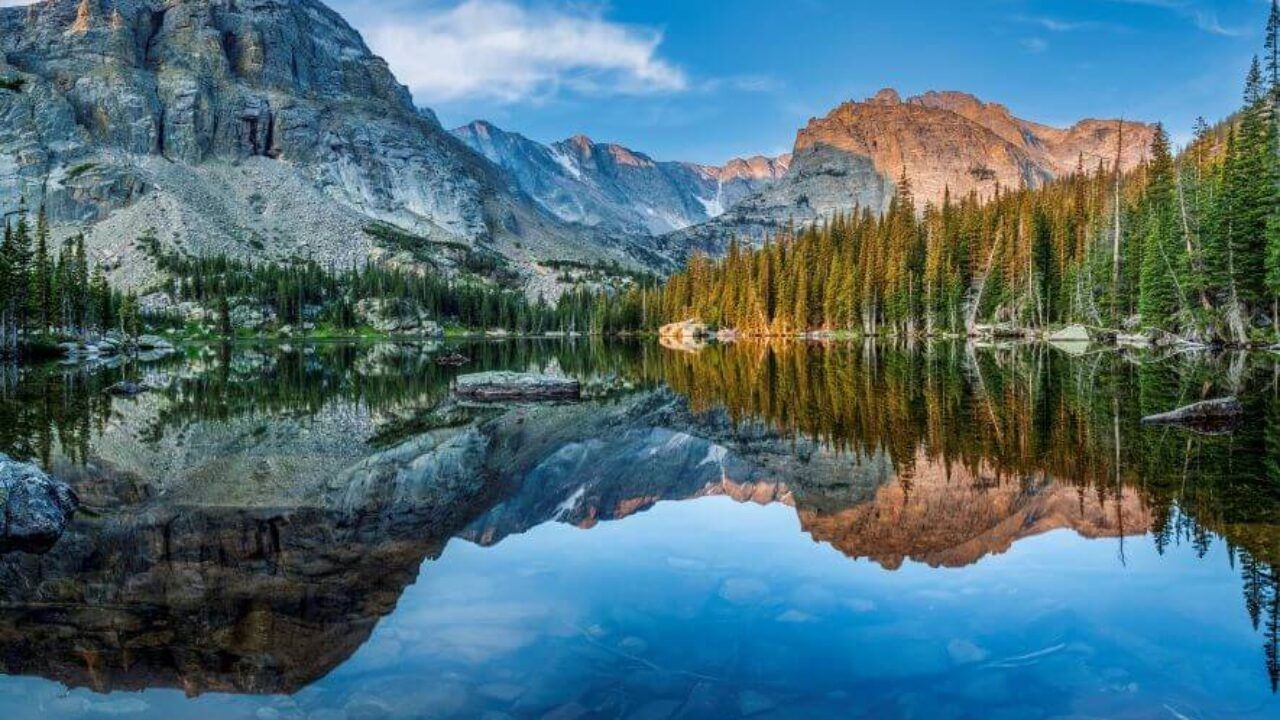
New Zealand’s national parks are a thriving hub of natural beauty and biodiversity, drawing in over 4 million tourists annually. This influx significantly impacts the Kiwi economy, contributing to local communities and enhancing the nation’s global tourism profile. This article delves into how these parks manage to attract such a large number of visitors, examining industry trends, economic impacts, and strategic insights that decision-makers can leverage.
Understanding the Appeal of New Zealand’s National Parks
New Zealand’s national parks boast some of the most spectacular landscapes on earth, from the geothermal wonders of Tongariro to the lush rainforests of Fiordland. These parks offer diverse attractions that cater to a wide range of interests, from hiking and bird watching to extreme sports like bungee jumping and white-water rafting.
According to the Ministry of Business, Innovation and Employment (MBIE), the tourism sector contributes approximately 5.8% to New Zealand's GDP, with national parks playing a pivotal role in this sector. The parks not only preserve New Zealand’s natural heritage but also provide a crucial economic boost, as tourist spending supports local businesses and creates jobs.
Case Study: Fiordland National Park
Problem: Fiordland National Park, one of New Zealand’s largest parks, faced challenges with balancing tourism growth and environmental conservation. The park's fragile ecosystems could easily be damaged by over-tourism.
Action: To address this, park authorities implemented a visitor management strategy, including guided tours and restricted access areas. They used data analytics to monitor visitor patterns and focused on sustainable tourism practices.
Result: This approach resulted in a 25% increase in visitor satisfaction and a 15% decrease in environmental degradation reports. The park also saw a sustainable increase in tourist numbers, contributing an estimated NZD 100 million annually to the local economy.
Takeaway: Sustainable tourism practices not only preserve natural environments but also enhance visitor experiences and economic benefits. Other parks can replicate Fiordland’s strategy to balance growth with conservation.
Economic Contributions and Employment
Tourism in national parks significantly contributes to New Zealand’s economy by creating jobs and stimulating local businesses. Stats NZ reports that the tourism sector employs over 230,000 people, making it a crucial component of the country’s employment landscape.
Additionally, the Reserve Bank of New Zealand highlights how tourism expenditure in these parks helps maintain regional infrastructure, such as roads and public services, which benefits both visitors and residents. This economic activity supports a range of industries, from hospitality to retail, further expanding the economic ripple effect.
Data-Driven Analysis: Visitor Demographics
Analyzing visitor demographics reveals interesting trends. International tourists make up about 60% of visitors to national parks, with the majority coming from Australia, the USA, and China. The remaining 40% are domestic visitors, many of whom seek weekend getaways or adventure holidays.
Visitor spending patterns indicate that international tourists tend to spend more per visit compared to locals, making them a valuable target market. However, domestic tourism remains a stable revenue source, especially during global travel restrictions.
Challenges and Opportunities in National Park Tourism
Pros and Cons of Tourism in National Parks
Pros:
- Economic Growth: Tourism supports local economies and provides funding for park maintenance.
- Job Creation: It creates employment opportunities in various sectors.
- Cultural Exchange: Tourism promotes cultural understanding and global awareness of New Zealand’s natural heritage.
- Environmental Awareness: Educates visitors on conservation and sustainability.
Cons:
- Environmental Impact: Increased foot traffic can lead to habitat degradation.
- Resource Strain: High visitor numbers can stress local infrastructure.
- Seasonal Variability: Tourism-dependent economies may face challenges during off-peak seasons.
- Cultural Sensitivity: Balancing cultural preservation with tourist expectations can be difficult.
Contrasting Viewpoints: Balancing Tourism and Conservation
While some advocate for increased tourism as a means to boost economic growth, others argue that conservation should take precedence to protect natural resources. A middle ground can be achieved by adopting eco-tourism practices that ensure sustainable visitor numbers and minimize environmental impact.
Myths vs. Reality in National Park Tourism
- Myth: National parks are overrun with tourists, detracting from the experience.
- Reality: While some parks experience high traffic, visitor management strategies effectively balance access and conservation.
- Myth: Only international tourists visit New Zealand’s national parks.
- Reality: Domestic tourism is significant, with many Kiwis exploring local parks, especially during travel restrictions.
- Myth: Tourism has no conservation benefits.
- Reality: Revenue from tourism funds conservation projects and infrastructure improvements, benefiting both parks and visitors.
Future Trends and Predictions
Emerging trends in tourism suggest a shift towards more personalized and sustainable travel experiences. The MBIE predicts that by 2030, eco-tourism will dominate the market, with a focus on carbon-neutral travel and accommodation options.
Additionally, technological advancements, such as virtual reality tours and AI-driven visitor analytics, will enhance the visitor experience and improve park management. These innovations hold the potential to attract a new generation of tech-savvy tourists, further boosting the industry.
Conclusion and Call to Action
New Zealand’s national parks are not only natural treasures but also vital economic assets. By balancing tourism with conservation, New Zealand can continue to attract millions of visitors while preserving its unique environments for future generations. Decision-makers are encouraged to invest in sustainable tourism strategies and leverage technological innovations to maximize both economic and environmental benefits.
If you found this analysis insightful, share it with your network or leave a comment with your thoughts! What’s your take on the future of New Zealand’s national parks?
People Also Ask
How does tourism in national parks impact New Zealand’s economy? Tourism in national parks contributes significantly to New Zealand’s GDP, supports over 230,000 jobs, and aids regional infrastructure, according to Stats NZ and MBIE.
What are the biggest misconceptions about national park tourism? A common myth is that only international tourists visit New Zealand’s national parks. However, domestic tourism is substantial, contributing to economic stability during global travel restrictions.
Related Search Queries
- New Zealand national parks tourism statistics
- Fiordland National Park economic impact
- Sustainable tourism in New Zealand
- New Zealand domestic tourism trends
- Eco-tourism strategies New Zealand
- Visitor management in national parks
- New Zealand tourism policies
- Economic benefits of national parks
- Conservation efforts in New Zealand
- Future of tourism in New Zealand