




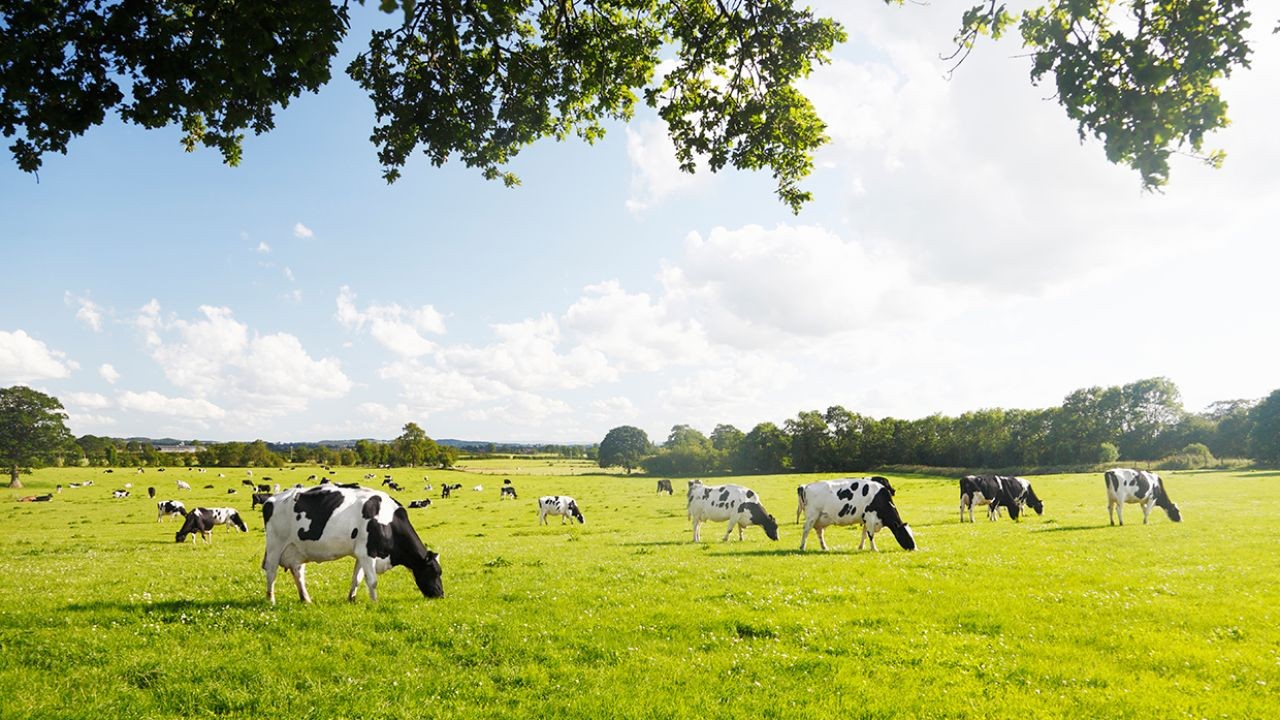
For decades, the New Zealand economy has been synonymous with pastoral excellence, its prosperity seemingly as dependable as the grass that feeds its herds. The dairy sector, contributing over 3% directly to GDP and accounting for a staggering 28% of the nation's merchandise exports, has been the undisputed engine room. Yet, beneath the surface of this pastoral idyll, a profound and necessary recalibration is underway. The strategic vulnerability of a nation tethered to a single, volatile commodity chain has been laid bare by global market fluctuations, geopolitical tensions, and intensifying consumer scrutiny over environmental and ethical footprints. The critical question is no longer if New Zealand must diversify, but how swiftly and intelligently it can execute this pivot without destabilising its core economic foundations. This is not an abandonment of agriculture, but a strategic evolution from a volume-driven, commodity-dependent model to a value-driven, multi-sector economy.
The Inescapable Calculus: Why Diversification is a Strategic Imperative
The case for reducing heavy reliance on dairy exports is built on a trifecta of risk: market concentration, environmental sustainability, and social license. New Zealand sends over 95% of its dairy production overseas, with China alone absorbing approximately 35% of total exports. This concentration creates a profound vulnerability to demand shocks, trade policy shifts, and competitive pressures. The 2022/23 season serves as a stark data point: according to Stats NZ, the value of dairy exports fell by $2.8 billion (9.8%) from the previous season's record high, driven largely by lower prices for whole milk powder. This volatility directly impacts national current account balances, farmer incomes, and regional economies.
Simultaneously, the environmental cost of intensive dairy farming has become a central political and social issue. The 2023 report from the Ministry for the Environment on freshwater quality highlighted that 45% of New Zealand's river length is not suitable for swimming, with agricultural runoff a primary contributor. The sector accounts for nearly 24% of the country's gross greenhouse gas emissions. This has triggered stringent new regulations under the Essential Freshwater package and the He Waka Eke Noa pricing mechanism, increasing compliance costs and fundamentally challenging the "more cows, more production" paradigm. The social license to operate is contingent on demonstrable environmental stewardship, a factor increasingly weighted by offshore consumers and investors.
Future Forecast & Trends: The Emerging Pillars of a Post-Dairy Economy
The transition is not into a void but towards a cluster of higher-value, knowledge-intensive industries. The future economic landscape will be defined by several interconnected pillars:
- Precision Agriculture & Agri-Tech: The future of dairy itself lies in value, not volume. This means leveraging technology for traceability, carbon-footprint measurement, and premium product differentiation (e.g., A2 protein, organic, grass-fed verification). Companies like Halter, with its solar-powered cow-collars, exemplify this shift, using technology to optimise herd management and reduce environmental impact.
- High-Value Horticulture & Viticulture: Sectors like kiwifruit (now a $3 billion export industry), apples, and wine demonstrate the potential of IP-led, brand-protected exports. Zespri's model, controlling the global supply of SunGold kiwifruit through a single-desk structure, is a masterclass in value capture that dairy co-operatives are now studying intensely.
- Technology & Digital Services: This is the cornerstone of diversification. The TIN200 report (2024) showed the tech export sector now generates over $11.1 billion in revenue, nearing dairy's export value. The success of Xero, Rocket Lab, and Weta Digital points to a deep talent pool capable of competing globally in SaaS, aerospace, and creative technologies.
- Advanced Manufacturing & Green Energy: Moving beyond commodity logs to engineered timber products, and investing in green hydrogen and sustainable aviation fuel production, aligns with global decarbonisation trends and leverages New Zealand's renewable energy advantage.
Debate & Contrasting Views: The Pace and Pain of Transition
The strategic direction is broadly agreed upon; the ferocious debate lies in the pace, prioritisation, and distribution of the transition's costs.
✅ The Advocate Perspective: Seize the Asymmetric Opportunity
Proponents of rapid diversification argue that New Zealand possesses asymmetric advantages it is failing to fully monetise. Our renewable energy grid, world-class research institutions (e.g., AgResearch, Plant & Food Research), and "clean, green" brand are unparalleled assets in a decarbonising world. The view is that incrementalism is a form of strategic risk. By moving decisively to fund R&D in alternative proteins, scale up green hydrogen pilot projects, and aggressively attract talent to the tech sector, New Zealand can establish first-mover advantages in nascent industries. The opportunity cost of maintaining the status quo—missed IP opportunities, continued environmental degradation, and vulnerability to a Chinese economic slowdown—is deemed far greater than the short-term disruption.
❌ The Critic Perspective: Don't Kill the Golden Goose
The cautious view, often emanating from provincial New Zealand and the agricultural finance sector, warns against a poorly managed retreat from a sector that remains the bedrock of the export economy. They argue that dairy, through continued innovation in emissions reduction and water quality, can evolve sustainably. A rapid shift could devastate regional communities whose infrastructure, services, and employment are dairy-centric. Furthermore, they question whether nascent sectors can generate comparable export earnings and stable employment at scale in the near term. The risk, as they see it, is trading a known, high-revenue industry for a portfolio of speculative, unproven ventures, potentially eroding the national tax base and foreign exchange earnings.
⚖️ The Middle Ground: A Dual-Track, "And/Both" Strategy
The most pragmatic path forward is a dual-track strategy: radically elevate the value of dairy while concurrently building the economic muscles of alternative sectors. This means:
- Directing a significant portion of dairy-derived wealth (through levies, investment funds, or sovereign wealth mechanisms) into venture capital for agri-tech, food science, and green energy startups.
- Implementing rigorous, science-based environmental standards that force innovation within dairy, moving it from a bulk commodity to a premium, sustainable nutrition business.
- Developing targeted immigration and education policies to build human capital in engineering, software development, and advanced manufacturing, ensuring the emerging sectors have the talent to scale.
Case Study: Fonterra's Strategic Pivot – From Volume to Value
Problem: Fonterra, the world's largest dairy exporter and a behemoth representing New Zealand's commodity reliance, faced a perfect storm. It was besieged by volatile global dairy prices, rising operational and compliance costs at home, and mounting pressure from shareholders and the public over its environmental impact. Its traditional volume-based model was increasingly seen as financially and socially unsustainable. The company's performance reflected this: it reported a net loss of NZ$196 million in its 2019 financial year and carried a heavy debt burden, constraining its ability to invest in future growth.
Action: Under new leadership, Fonterra embarked on a fundamental strategic reset dubbed the "Co-operative Difference." The core of the strategy was a decisive shift away from sheer volume towards higher-value products and ingredients. Key actions included:
- Selling off non-core global assets (e.g., its China farms, DFE Pharma joint venture) to strengthen the balance sheet.
- Doubling down on value-added segments like medical nutrition, advanced ingredients for sports and health, and specialised cheeses.
- Investing heavily in sustainability credentials, including ambitious Scope 3 emissions reduction targets and on-farm environmental plans, to protect its social license and meet stringent EU and North American market requirements.
- Focusing capital expenditure on New Zealand-based manufacturing sites that could produce these higher-margin products.
Result: The strategic pivot is yielding tangible results. For the 2024 financial year, Fonterra reported a robust net profit of NZ$1.6 billion and reduced debt by NZ$1.7 billion. Crucially, its value-added "Foodservice" and "Ingredients" channels now contribute a larger and more stable portion of earnings, insulating the co-operative from the worst of commodity price swings. Its sustainability-linked financing also attracts a new class of ESG-focused investors.
Takeaway: Fonterra's journey is a microcosm of New Zealand's national challenge. It demonstrates that even the most entrenched commodity player can—and must—evolve. The lesson for the broader economy is that transformation requires painful divestment, focused reinvestment in R&D and branding, and a genuine commitment to sustainability as a commercial imperative, not just a compliance cost. Other New Zealand export sectors must undertake a similar, albeit less dramatic, introspection to move up the value chain.
Common Myths & Mistakes in the Diversification Discourse
Myth 1: "Diversification means abandoning dairy and farming altogether." Reality: This is a false dichotomy. Strategic diversification is about building resilience alongside a reformed agricultural sector. The goal is a sophisticated, tech-enabled, sustainable primary industry that coexists with a vibrant tech and high-value manufacturing base. It's an "and/both" strategy, not an "either/or."
Myth 2: "The tech sector is too small and risky to ever replace dairy's export earnings." Reality: While direct replacement is not the immediate goal, the tech sector's growth trajectory and margins are superior. The TIN200 shows tech export revenue has grown at a compound annual growth rate of over 11% for the past decade. Its scalability, lower environmental footprint, and higher wages make it a critical pillar for future prosperity.
Myth 3: "Market forces alone will smoothly guide this transition." Reality: This is perhaps the most dangerous misconception. Unfettered markets will not internalise environmental costs or strategically coordinate national R&D investment. As noted by the Productivity Commission, proactive government policy in areas like infrastructure planning, skills development, and research commercialisation is essential to correct market failures and de-risk private investment in new industries.
❌ Biggest Strategic Mistakes to Avoid
- Underinvesting in Enabling Infrastructure: Advanced industries require reliable, high-speed digital connectivity, modern port facilities, and clean energy infrastructure. Failure to invest here creates a bottleneck for growth. The current debate over the future of Marsden Point refinery is a classic example of this infrastructure challenge.
- Neglecting the Human Capital Pipeline: A 2023 report by the Ministry of Business, Innovation and Employment (MBIE) highlighted persistent skills shortages in software development, engineering, and data science. Without a coordinated education, training, and immigration strategy, new sectors will starve for talent.
- Picking Winners Through Political Fiat: The government's role should be to create a fertile ecosystem (R&D tax credits, streamlined regulations, patient capital) rather than bureaucratically selecting specific companies or sub-sectors to back. The failed "KiwiBuild" programme is a cautionary tale of top-down industrial policy.
- Allowing a "Two-Speed Economy" to Develop: If the benefits of diversification accrue only to major urban centres like Auckland and Wellington, while provincial dairy-dependent regions decline, the social and political backlash will derail the entire project. Transition support for regions is non-negotiable.
Expert Opinion & Thought Leadership: The "Value-Add or Fail" Imperative
The singular, non-negotiable insight from leading economic strategists is this: New Zealand can no longer compete on cost or volume in any sector. Our future lies in competing on value, defined by uniqueness, sustainability, intellectual property, and brand story. Dr. Ganesh Nana, Chair of the Productivity Commission, has consistently argued that lifting the value of our exports, rather than just their volume, is the key to improving living standards and productivity. This applies as much to a block of cheese as it does to a software subscription.
An exclusive industry insight lies in the convergence of food science and digital technology. The next frontier is not just exporting frozen meat, but exporting the data and genetics behind the world's most efficiently and sustainably raised livestock. It's not just selling kiwifruit, but licensing the cultivar IP and the proprietary orchard management software that maximises its yield. The real wealth creation will happen at this intersection of the physical and the digital, where New Zealand's traditional and emerging strengths can fuse.
🔮 Future Trends & Predictions: The 2030 Economic Landscape
By 2030, New Zealand's export profile will be visibly transformed. Based on current trajectories and policy settings, we can project:
- Dairy's share of merchandise exports will fall below 20%, but its absolute value will remain high, concentrated in a portfolio of premium, scientifically differentiated nutritional products with full environmental provenance.
- Technology exports will surpass dairy as the largest export sector by value, driven by SaaS, fintech, and deep-tech solutions in agri-tech and environmental monitoring.
- A Green Hydrogen export industry will be in early-stage commercial operation, targeting the Japanese and Korean markets, leveraging New Zealand's >80% renewable electricity generation (as reported by the Ministry of Business, Innovation and Employment).
- Precision-fermented protein facilities will be operational, producing animal-free dairy and meat ingredients, representing both a disruption and an opportunity for traditional agribusiness.
- The economic discourse will have shifted decisively from "GDP growth" to "inclusive wealth" metrics that account for natural capital, human capital, and social cohesion.
Final Takeaways & Call to Action
The economic shift away from heavy reliance on dairy exports is the defining strategic challenge for a generation of New Zealand leaders. It is a complex, multi-decade project fraught with risk but brimming with opportunity. The path forward demands clarity, courage, and collaboration between industry, government, and communities.
- Fact: The status quo is a strategic vulnerability. Market concentration and environmental constraints make continued heavy reliance on bulk dairy exports untenable.
- Strategy: Pursue a dual-track "and/both" model: transform dairy into a premium, sustainable value business while aggressively scaling high-value tech, horticulture, and green industries.
- Mistake to Avoid: Underestimating the need for proactive, coordinated government policy in skills, infrastructure, and R&D to de-risk private sector investment in diversification.
- Pro Tip: For investors and businesses, the greatest opportunities lie at the convergence of New Zealand's primary sector strengths and digital/clean technology.
Final Takeaway: New Zealand's future prosperity hinges on its ability to execute this pivot with strategic foresight and inclusive intent. We must build an economy that is not only richer but also more resilient, sustainable, and equitable. The time for incrementalism is over.
What’s your take? Is New Zealand moving fast enough to build its economic resilience, or are we still dangerously tethered to the cycles of the global dairy trade? Share your analysis below.
People Also Ask (FAQ)
How will dairy farmers be affected by this economic shift? Dairy farmers will face continued pressure to reduce environmental impact and increase on-farm efficiency. The shift benefits progressive farmers who adopt technology and sustainable practices, allowing them to command premium prices. However, those reliant on the old volume model may face consolidation pressures. Support for land-use diversification and transition planning is critical.
What role should the New Zealand government play in this transition? The government must be an active enabler, not a passive observer. Its key roles include: investing in future-focused infrastructure (digital, energy, transport); reforming education and immigration to build skills for new industries; funding mission-led R&D; and ensuring environmental regulations are clear, science-based, and consistently enforced to drive innovation.
Can New Zealand's "clean, green" brand survive if dairy remains a major industry? Only if the dairy industry demonstrably earns it. The brand's survival depends on verifiable, large-scale improvements in water quality, biodiversity, and greenhouse gas emissions. Without this, the brand becomes a liability, jeopardising not only dairy but all exports that trade on New Zealand's environmental reputation.
Related Search Queries
- New Zealand economic diversification strategy 2024
- Future of dairy farming in NZ
- NZ tech export growth statistics
- Impact of climate change on NZ agriculture
- Sustainable alternatives to dairy NZ
- New Zealand green hydrogen projects
- Fonterra strategy value-add products
- NZ productivity commission export recommendations
- Skills shortage New Zealand technology sector
- Regional development plans post-dairy NZ
For the full context and strategies on The economic shift away from heavy reliance on dairy exports – Where New Zealand Is Heading Next, see our main guide: How Kiwi Retailers Drive Sales Vidude Video Campaigns.