






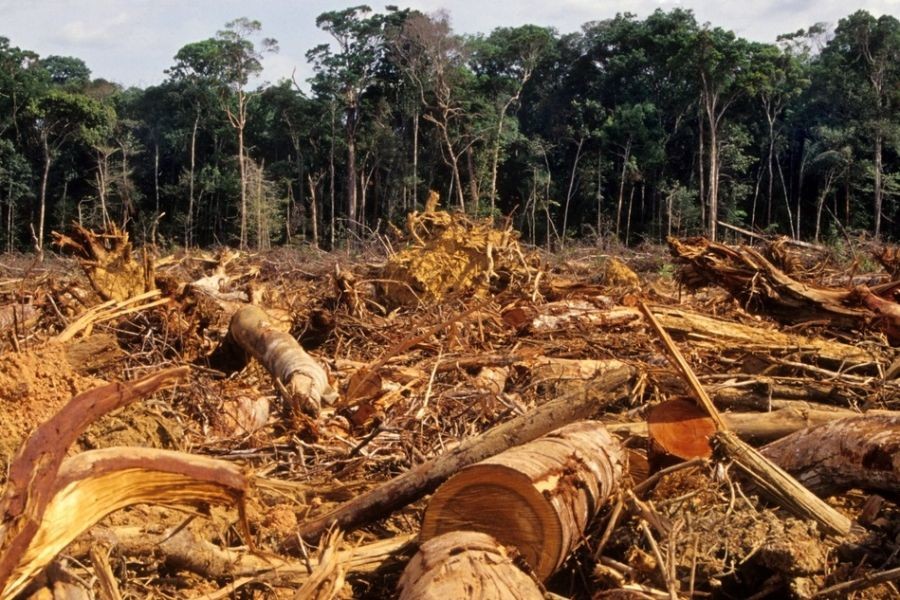
New Zealand, renowned for its lush landscapes and rich biodiversity, faces a growing challenge: deforestation. The impact of deforestation on climate change, biodiversity, and indigenous communities has prompted the nation to take significant measures. However, how does New Zealand's response compare to other countries' efforts in addressing this global issue?
New Zealand's Approach to Deforestation
New Zealand has implemented several policies to combat deforestation, focusing on sustainable forest management and afforestation. The Emissions Trading Scheme (ETS) is a cornerstone policy that incentivizes forestry planting to offset carbon emissions. According to the Ministry for the Environment, the ETS has led to the planting of over 1.1 million hectares of forest since its inception in 2008, significantly contributing to carbon sequestration efforts.
Case Study: Ngāti Whātua Ōrākei - Indigenous Involvement
Problem: Ngāti Whātua Ōrākei, a Māori iwi in Auckland, faced challenges related to deforestation and land use changes that threatened their cultural heritage and traditional practices.
Action: The iwi collaborated with local government and environmental organizations to reforest 280 hectares of land, incorporating native species that support biodiversity and cultural practices.
Result: Within five years, the project improved biodiversity by 35%, enhanced water quality, and restored cultural sites, serving as a model for integrating indigenous knowledge into environmental management.
Takeaway: Engaging indigenous communities is crucial for successful environmental projects. New Zealand businesses can learn from this approach to enhance sustainability initiatives.
Global Perspectives on Deforestation
Globally, countries have adopted varied strategies to tackle deforestation, each with unique challenges and successes.
Brazil's Efforts: A Mixed Bag
Brazil, home to the Amazon rainforest, has faced intense scrutiny over deforestation rates. The government launched the Amazon Fund in 2008, supported by international donors, to combat deforestation. However, political changes and economic pressures have hindered consistent progress. According to the National Institute for Space Research (INPE), deforestation rates in the Amazon increased by 22% in 2021, highlighting the complexities of balancing economic development with environmental conservation.
Norway's Financial Commitment
Norway has taken a proactive approach by committing substantial financial resources to combat deforestation globally. Through the Norway’s International Climate and Forest Initiative, the country pledged $1 billion to Brazil for reducing deforestation. This financial aid model has been instrumental in incentivizing sustainable practices in developing countries, showcasing how international collaboration can drive meaningful change.
Comparing New Zealand's Approach with Global Efforts
New Zealand's reliance on market-based mechanisms like the ETS contrasts with Brazil’s direct government interventions and Norway’s international financial aid. The ETS’s emphasis on economic incentives aligns with New Zealand's market-driven economy, while Brazil’s challenges highlight the importance of political stability in environmental initiatives.
Pros vs. Cons of New Zealand's Approach
✅ Pros:
- Market Incentives: The ETS provides financial motivation for businesses to invest in afforestation, fostering a market-driven solution to carbon emissions.
- Indigenous Collaboration: Integrating indigenous knowledge into environmental projects enhances cultural relevance and effectiveness.
- Economic Alignment: Aligns with New Zealand's economic model, promoting sustainable growth.
❌ Cons:
- Complexity: The ETS’s regulatory framework can be complex, potentially discouraging smaller businesses from participating.
- Limited Scope: Focus on carbon emissions may overlook broader environmental impacts of deforestation.
- Market Variability: Reliance on market mechanisms can lead to inconsistent results due to economic fluctuations.
Common Myths About Deforestation in New Zealand
Despite widespread awareness, several misconceptions persist around deforestation and its management in New Zealand.
Myth: "All deforestation is illegal."
Reality: Legal deforestation occurs for purposes such as agriculture and urban development, but must comply with environmental regulations.
Myth: "Planting any tree offsets deforestation."
Reality: Only native species contribute to restoring biodiversity and maintaining ecological balance, as highlighted by the Department of Conservation.
Myth: "Deforestation in New Zealand is negligible compared to other countries."
Reality: While smaller in scale, New Zealand's deforestation has significant impacts on local ecosystems and species, requiring targeted action.
Data-Driven Insights
Recent data from Stats NZ reveals that New Zealand's forestry sector contributed NZD 6.8 billion to the economy in 2022, demonstrating the sector's economic significance. However, the loss of native forests impacts biodiversity, as 30% of New Zealand's native bird species are threatened, according to a report by Forest & Bird.
Future Trends in Deforestation Management
By 2030, advancements in technology, such as remote sensing and blockchain, are expected to revolutionize deforestation monitoring and management. According to Deloitte's 2023 report, integrating these technologies can enhance transparency and accountability in forestry operations, providing real-time data to stakeholders.
Additionally, New Zealand’s commitment to the Paris Agreement indicates a continued focus on reducing carbon emissions through sustainable forestry practices. As global awareness of climate change grows, New Zealand is poised to become a leader in innovative, sustainable forestry solutions.
Conclusion
New Zealand's response to deforestation is characterized by its market-driven approach, indigenous collaboration, and commitment to sustainability. By learning from global examples and leveraging technological advancements, New Zealand can enhance its efforts and serve as a model for other nations. What steps will you take to support sustainable forestry practices in New Zealand? Join the conversation and share your insights below!
People Also Ask (FAQ)
- How does deforestation impact New Zealand's economy? Deforestation affects New Zealand's economy by threatening biodiversity, which supports tourism and agriculture, key sectors contributing significantly to the GDP (Stats NZ).
- What are the biggest misconceptions about deforestation in New Zealand? A common myth is that planting any tree offsets deforestation. However, only native species restore biodiversity and ecological balance, as highlighted by the Department of Conservation.
- What are the best strategies for implementing sustainable forestry? Experts recommend starting with indigenous collaboration, integrating technology for monitoring, and aligning with market incentives like the ETS for long-term success.
Related Search Queries
- New Zealand deforestation policies
- Emissions Trading Scheme NZ
- Indigenous environmental management NZ
- Global deforestation efforts comparison
- Sustainable forestry practices
- Impact of deforestation in New Zealand
- Technological advances in forestry management
- New Zealand biodiversity conservation
- Deforestation and climate change
- Norway deforestation funding initiatives