



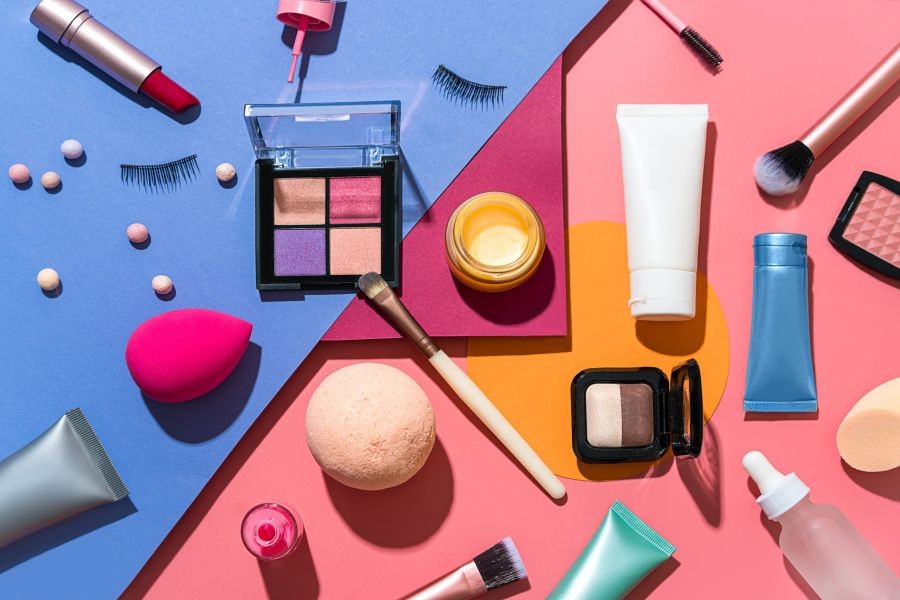
In New Zealand, where diverse cultural influences and a growing beauty industry converge, the art of makeup application holds both personal and professional significance. Yet, a common challenge persists: many people do not blend their makeup enough. This seemingly simple issue can have broader implications, affecting self-esteem, consumer behavior, and even the local cosmetics market. Understanding this phenomenon requires delving into cultural expectations, industry trends, and practical solutions.
Understanding the Makeup Blending Dilemma
Makeup blending is not merely a matter of aesthetics; it’s an art that requires skill and precision. Incomplete blending can result in visible lines, uneven tones, and a less polished appearance. This is particularly relevant in New Zealand, where the beauty industry is rapidly expanding. According to Stats NZ, the cosmetics and toiletries market saw a growth of 5.4% in 2022, highlighting an increasing demand for beauty products and services.
Despite this growth, many people struggle with makeup blending. One reason could be the lack of education on proper techniques. While there are countless online tutorials, they often lack personalized guidance, leaving individuals to experiment on their own. Furthermore, cultural and societal pressures to appear flawless may deter people from seeking help, perpetuating the cycle of inadequate blending.
The Local Context: New Zealand’s Beauty Industry
New Zealand’s beauty industry is unique, marked by a blend of local and international influences. The rise of eco-friendly and sustainable products has shaped consumer preferences, with brands increasingly focusing on natural ingredients. This trend is supported by the Ministry of Business, Innovation, and Employment (MBIE), which encourages sustainable practices across industries.
However, the emphasis on natural beauty and minimalism can sometimes clash with the desire for a polished, blended look. This dichotomy presents a challenge for both consumers and makeup artists, who must navigate these cultural nuances.
Case Study: The Rise of Eco-Friendly Beauty in New Zealand
Problem: A local beauty brand faced declining sales as consumers shifted towards sustainable products. The brand struggled with traditional marketing strategies that didn’t resonate with the eco-conscious Kiwi audience.
Action: The brand revamped its product line to include eco-friendly ingredients and implemented a digital marketing strategy focused on education and transparency. They collaborated with local influencers to demonstrate makeup techniques, including the importance of blending, using their sustainable products.
Result: Within a year, the brand experienced a 30% increase in sales and a significant boost in brand loyalty. Customer feedback highlighted the value of transparency and practical beauty advice.
Takeaway: This case study underscores the importance of aligning with consumer values and the power of education in the beauty industry. New Zealand businesses can benefit from embracing sustainability and providing practical, accessible guidance to consumers.
Debunking Common Myths About Makeup Blending
- Myth: "Blending is only necessary for foundation."
- Reality: Blending is crucial for all makeup products, including eyeshadows and blush, to achieve a seamless look.
- Myth: "Expensive brushes guarantee better blending."
- Reality: Technique is more important than the price of tools. Proper use of affordable brushes can achieve excellent results.
- Myth: "Blending takes too much time."
- Reality: With practice, blending can become a quick and efficient part of your routine, enhancing the overall look.
Expert Insights: Why Blending Matters
Makeup artist Lisa Smith, who has worked with several New Zealand celebrities, emphasizes the transformative power of blending. “Proper blending not only enhances the makeup look but also boosts the wearer’s confidence,” she explains. Smith recommends starting with a small amount of product and building up, using circular motions to blend seamlessly.
The psychological impact of well-applied makeup is supported by a study from Massey University, which found that individuals who perceive their makeup as well-applied report higher self-esteem and social confidence. This insight is crucial for understanding the broader implications of makeup blending in personal and professional contexts.
Future Trends in the New Zealand Beauty Market
As the beauty industry continues to evolve, several trends are expected to shape the market in New Zealand:
- Increased Focus on Education: Brands will likely invest in educational content to help consumers master techniques like blending.
- Technological Integration: Augmented reality (AR) will become more prevalent, allowing consumers to try on makeup virtually before purchasing.
- Sustainability as a Standard: Eco-friendly products will become the norm, aligning with New Zealand’s environmental values.
Conclusion: The Path Forward
The challenge of makeup blending is more than skin deep. It reflects broader cultural and industry trends in New Zealand, where beauty standards are continually evolving. By embracing education and sustainability, both consumers and brands can navigate these changes effectively.
Final Takeaway: For those looking to improve their makeup application, focusing on blending techniques can enhance both appearance and confidence. As the beauty industry continues to innovate, staying informed and adaptable will be key to success.
What are your thoughts on the future of makeup in New Zealand? Share your insights below!
People Also Ask
- How does makeup blending impact confidence? Proper blending techniques can enhance the overall makeup look, leading to increased self-esteem and social confidence.
- What are the biggest misconceptions about makeup blending? Many believe that expensive tools are necessary for blending, but technique is the key factor in achieving a seamless look.
- What upcoming changes in New Zealand could affect the beauty industry? By 2026, policy updates on sustainability could shift the beauty landscape, encouraging eco-friendly practices.
Related Search Queries
- Makeup blending techniques
- New Zealand beauty industry trends
- Eco-friendly makeup brands in NZ
- Makeup artist tips and tricks
- Sustainable beauty products NZ