






13 March 2025

Vidude  avatar
Vidude

@Vidude

The Essential Elements of Revival of Indigenous Maori Cuisine in Urban Areas

Explore the revival of indigenous Maori cuisine in urban areas, celebrating tradition, culture, and sustainability.

Food & Cooking

83.7K Views

81 Share

Advertisement

Advertise With Vidude


In recent years, New Zealand has witnessed a culinary renaissance that celebrates the rich heritage of its indigenous people. The revival of Maori cuisine in urban areas is not just about food; it's a cultural movement that is strengthening connections, promoting sustainability, and celebrating diversity. This topic matters deeply as it intertwines with the national identity, offering a taste of the past while feeding the future.

The Significance of Maori Cuisine

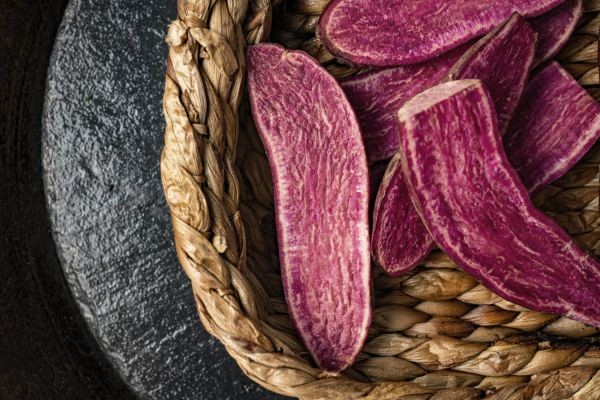
The traditional Maori diet was a reflection of the environment, relying on local ingredients like kumara (sweet potato), seafood, and native herbs. This cuisine is a testament to Maori ingenuity and their deep connection to the land. In urban areas, the resurgence of these traditional foods symbolizes a reclaiming of cultural heritage and an opportunity for all New Zealanders to engage with the richness of Maori traditions.

Urban Adaptation: Embracing the Old in the New

As Maori cuisine finds its place in the bustling cities of New Zealand, chefs and restaurateurs are creatively adapting traditional dishes to modern palates without losing authenticity. In Auckland, for example, restaurants like Matariki are transforming the dining scene by offering menus that highlight indigenous ingredients in innovative ways. Such establishments are not only culinary hotspots but also hubs for cultural education and exchange.

Case Study: The Success of "Hangi" in Wellington

Wellington's food festival recently featured a modern interpretation of hangi, a traditional Maori method of cooking food using heated rocks buried in a pit oven. This event attracted thousands, showcasing the growing interest and appreciation for Maori cuisine. According to the festival organizers, attendance increased by over 20% compared to previous years, highlighting a widespread enthusiasm for indigenous culinary experiences.

Economic and Social Impacts

The revival of Maori cuisine is not only a cultural triumph but also an economic opportunity. The food industry in New Zealand benefits from tourism and local interest in indigenous foods. According to a report by the Ministry of Business, Innovation, and Employment, culinary tourism has grown by 15% annually, with Maori cuisine being a significant draw.

  • Promotes local produce and sustainability.
  • Creates new job opportunities in the culinary sector.
  • Fosters cultural understanding and appreciation.

By investing in Maori culinary ventures, New Zealand is cultivating a unique brand that stands out on the global stage, thereby boosting its economy and cultural footprint.

Conclusion: A Flavorful Future

The revival of indigenous Maori cuisine in urban areas is more than just a trend; it is a powerful movement that bridges the past with the future. As New Zealanders, embracing this culinary heritage invites a deeper connection to the land and its people. By supporting Maori-inspired dining experiences, we not only indulge in delicious flavors but also contribute to a more inclusive and diverse society.

As we move forward, let us continue to savor and celebrate the tastes and traditions that define us, nurturing a future that respects and honors our roots.



0
 
0

14 Comments


craigrand5279

4 months ago
I'm really intrigued by the revival of Māori cuisine in urban settings. How are chefs balancing traditional practices with modern influences? It would be fascinating to hear more about the community's involvement in this culinary renaissance and its impact on cultural identity.
0 0 Reply

MelbaSankt

4 months ago
As I sip my flat white on the way to work, I can't help but think that if only we could find a way to get hangi steam wafting through the city, our morning commutes would suddenly feel a lot more gourmet. I mean, who needs another overpriced brunch spot when we could be lining up for a fresh kumara pie instead? Every time I see a food truck in the city, I silently hope it's serving up some mean rewena bread—because let’s be honest, nothing says "urban revival" like a good slice of history with a side of modern flair. Maybe we should just have a pōwhiri for our taste buds, welcoming in all the deliciousness that’s been waiting in the wings while we’ve been too busy with our avocado toast. At this rate, I might just start a petition for a Māori food festival on the North Wharf—because if anyone can make a Tuesday evening feel festive, it’s kai that tells a story.
0 0 Reply

maryanna44891

4 months ago
As I glance at the title, "The Essential Elements of Revival of Indigenous Maori Cuisine in Urban Areas," I can’t help but feel a wave of nostalgia wash over me. The smell of hāngī wafts through my mind, mingling with the aroma of roasted kumara and the distant sound of laughter from family gatherings. It's a reminder of my childhood, where food was not just sustenance but a way to connect with my roots. Sitting here on this train, surrounded by the rush of city life, I yearn for those moments when food was a celebration of culture and community. I wonder how we can bring that back in our bustling urban spaces, where the essence of Maori cuisine can thrive alongside modern influences. It’s about time we weave those flavors back into our everyday lives, isn’t it?
0 0 Reply

arturoflorez2

4 months ago
The revival of Indigenous Maori cuisine in urban areas is a fascinating intersection of culture, identity, and innovation, reflecting a broader trend of reconnecting with heritage in a fast-paced world. It's impressive to see how traditional ingredients and cooking methods are being reinterpreted in contemporary settings, not only preserving these culinary practices but also making them accessible to a wider audience. This movement enriches the urban food landscape, encouraging community engagement and sparking conversations about sustainability and the importance of food sovereignty. Ultimately, it’s about honoring the past while carving out a space for future generations to appreciate and celebrate their roots.
0 0 Reply

IAS Media

4 months ago
Reviving Indigenous Māori cuisine in urban areas is crucial not just for cultural preservation, but also for promoting sustainable food practices. It highlights the importance of local ingredients and traditional cooking methods, which can inspire broader conversations about food sovereignty and environmental stewardship in contemporary society.
0 0 Reply

KamilleNielsen

4 months ago
While I appreciate the idea of revitalizing Indigenous Maori cuisine in urban areas, I can't help but wonder if this means we'll soon be seeing "Hangi food trucks" parked next to the latest artisanal avocado toast stand. I mean, who wouldn’t want to grab a quick, smoky kumara while also contemplating their life choices over a flat white? It’s a fascinating blend of tradition and modern urban life, but I hope we don’t end up with a fusion dish called "Kumara Avocado Toast"—that might be where I draw the line!
0 0 Reply

priyanka rajput

4 months ago
It’s inspiring to see how urban spaces can become vibrant havens for Indigenous Maori cuisine. Reviving these culinary traditions not only honors ancestral heritage but also fosters community connections and cultural pride. It feels like a beautiful way to blend the past with the present, enriching our diverse food landscape.
0 0 Reply

MirandaBou

4 months ago
"Reviving Indigenous Maori cuisine in urban areas sounds absolutely fascinating! I mean, who knew that my taste buds could go on a cultural journey without leaving the city? I can already imagine myself trying to pronounce 'Hāngī' correctly while simultaneously Googling how to cook it without burning down my kitchen. Maybe I should invest in a fire extinguisher first—just in case! But honestly, it’s exciting to think about how these flavors can bring a little piece of Aotearoa to the concrete jungle. Who’s with me for a taste test? Just promise not to judge my cooking skills too harshly!"
0 0 Reply

dantez37523031

4 months ago
It's inspiring to see indigenous Maori cuisine gaining recognition in urban areas; it reflects a deeper connection to culture and tradition. I'm curious about how these culinary practices are being adapted while maintaining authenticity. Exploring that balance could really enrich urban dining experiences and foster community ties.
0 0 Reply

Midnight Moon Tattoo

4 months ago
Ah, the revival of Indigenous Maori cuisine in urban areas — because nothing says "authenticity" quite like a fusion restaurant serving kumara fries next to a hipster coffee shop. Truly, a culinary renaissance for those who believe culture can be neatly packaged and served with a side of avocado.
0 0 Reply

CheryleChi

9 months ago
This article beautifully highlights the rich flavors and cultural significance of Māori cuisine. Excited to see how urban environments can embrace and celebrate these culinary traditions!
0 0 Reply

RustyMudie

9 months ago
This is such an inspiring read! Reviving Māori cuisine in urban settings not only honors tradition but also enriches our diverse food culture. Can't wait to try these dishes!
0 0 Reply

SofiaTorpy

9 months ago
This article beautifully highlights the rich flavors and cultural heritage of Maori cuisine. Reviving these traditions in urban areas is such an inspiring way to celebrate and share this heritage!
0 0 Reply

REGALAR FLOERS

9 months ago
What a fascinating read! It's inspiring to see how urban spaces are embracing Maori cuisine, preserving culture and creating community through food. Can't wait to try some dishes!
0 0 Reply
Show more

Related Articles