


19 May 2025

How New Zealand’s Public Transport System Will Look in 10 Years

Explore the future of New Zealand's public transport system in 10 years, focusing on innovation, sustainability, and connectivity.

Cars & Transportation

98.9K Views

195 Share

Advertisement

Advertise With Vidude


Imagine stepping onto a sleek, autonomous shuttle in downtown Auckland, seamlessly navigating through the city’s streets without a driver, powered by green energy and part of an interconnected network of public transportation options. This vision for New Zealand's public transport system is not just a dream but a likely reality within the next decade, driven by technological advancements and growing environmental awareness. As New Zealand aims to reduce its carbon footprint and increase public transport usage, significant transformations in the sector are expected. The question is: how will these changes shape New Zealand’s public transport landscape in the next 10 years?

The State of Public Transport in New Zealand

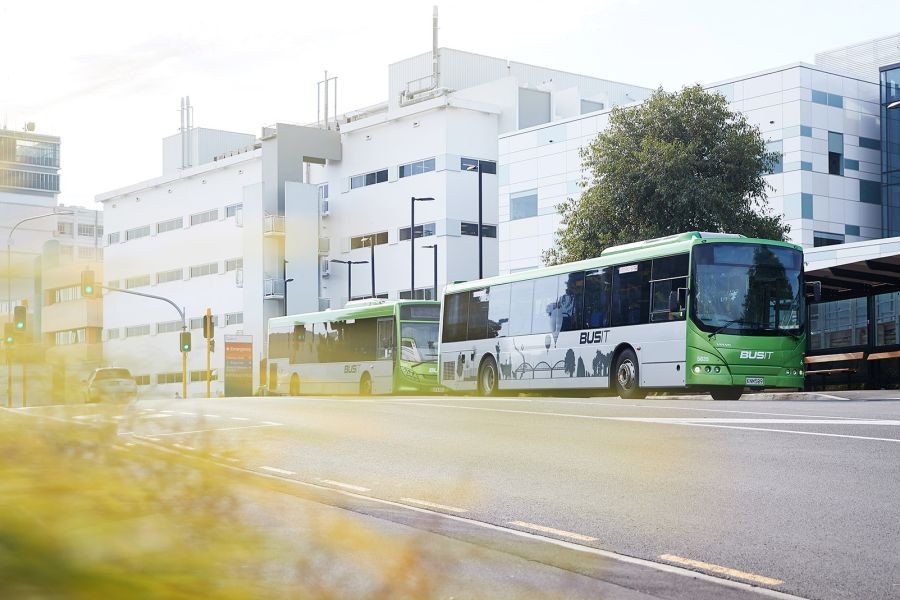
Currently, New Zealand's public transport system is a patchwork of buses, trains, and ferries, with Auckland and Wellington being the most developed hubs. According to Stats NZ, public transport journeys reached over 150 million annually by 2022, yet this represents just a fraction of total commutes nationwide. With increasing urbanization and environmental targets, the need for a robust and efficient public transport system has never been more critical.

How It Works: The Future of Transportation Technologies

  • Autonomous Vehicles: Autonomous transport is a vital component of future public transport strategies. Self-driving buses and shuttles will likely become commonplace, reducing labor costs and increasing efficiency. The New Zealand Government's support for autonomous vehicle trials, as seen with the New Zealand Transport Agency's pilot programs, underscores this future direction.
  • Electric and Hydrogen-Powered Vehicles: In alignment with New Zealand's commitment to becoming carbon neutral by 2050, the transition to electric and hydrogen-powered public transport is inevitable. The country's existing initiatives, such as the Low Emission Vehicle Contestable Fund, have already laid the groundwork for this shift.
  • Integrated Mobility-as-a-Service (MaaS): MaaS platforms will enable Kiwis to plan, book, and pay for multiple types of public and private transport services through a single digital interface. This innovation aims to make public transport more user-friendly and accessible, driving higher adoption rates.

Case Study: Wellington’s Smart Transport Initiative

Problem: Wellington faced significant challenges with congestion and outdated public transport infrastructure, leading to inefficiencies and dissatisfaction among commuters.

Action: To address this, the Greater Wellington Regional Council launched a comprehensive smart transport initiative. This included the introduction of real-time tracking apps, the integration of electric buses, and pilot projects for autonomous vehicle corridors.

Result: Within two years, public transport usage in Wellington increased by 20%, and commuter satisfaction rose significantly, according to a 2023 report by the Wellington City Council.

Takeaway: This case study illustrates the potential of leveraging technology to improve public transport infrastructure. New Zealand cities can replicate Wellington’s success by investing in smart technologies and sustainable transport solutions.

Data-Driven Insights

An analysis by the Ministry of Business, Innovation, and Employment (MBIE) highlights that every dollar invested in public transport can generate up to $4 in economic returns through reduced congestion and improved productivity. Moreover, Stats NZ data shows that cities with efficient public transport systems have lower pollution levels and higher quality of life indices.

Contrasting Viewpoints: Benefits and Challenges

Pros

  • Environmental Impact: Transitioning to cleaner public transport solutions can significantly reduce New Zealand’s carbon emissions, aligning with national sustainability goals.
  • Economic Growth: Modernizing public transport infrastructure can boost local economies through job creation and increased accessibility.
  • Technological Advancements: Implementing advanced technologies such as AI and IoT can enhance the efficiency and reliability of public transport systems.

Cons

  • High Initial Costs: The upfront investment required for upgrading infrastructure and developing new technologies can be substantial.
  • Technological Risks: Issues such as cybersecurity threats and system malfunctions pose potential risks to the reliance on advanced technologies.
  • Public Resistance: Adoption of new transport solutions may face resistance from the public due to a lack of familiarity or skepticism towards new technologies.

Common Myths & Mistakes

  • Myth: "Public transport is only for large cities." Reality: Smaller New Zealand towns can benefit significantly from improved public transport, as evidenced by Timaru’s successful on-demand public transport trial.
  • Myth: "Electric vehicles are more expensive in the long run." Reality: According to the Energy Efficiency and Conservation Authority (EECA), electric buses offer lower lifetime costs compared to diesel alternatives, mainly due to reduced fuel and maintenance expenses.
  • Myth: "Autonomous vehicles are unsafe." Reality: Studies indicate that autonomous vehicles can reduce accidents by up to 90%, primarily by eliminating human error.

Future Trends & Predictions

By 2033, New Zealand is likely to witness a significant transformation in its public transport system, characterized by widespread adoption of autonomous and electric vehicles, integrated MaaS platforms, and a strong emphasis on sustainability. According to a report by Deloitte, the global smart transportation market is projected to reach USD 156.5 billion by 2027, with New Zealand poised to benefit from these advancements through strategic investments and policy support.

Conclusion

The future of New Zealand’s public transport system is bright, fueled by technological innovation and a push towards sustainability. As the country moves towards this new era, it is crucial for policymakers, businesses, and citizens to embrace and support these changes. What steps should be taken next to ensure a smooth transition? Engaging in community discussions, staying informed about upcoming projects, and advocating for sustainable practices are all vital actions. Share your thoughts and join the conversation on the future of New Zealand's transport landscape!

People Also Ask (FAQ)

  • How does the future of public transport impact New Zealand's economy? A robust public transport system enhances economic productivity by reducing congestion and improving accessibility, potentially boosting local economies by up to four times the investment, according to MBIE.
  • What are the biggest misconceptions about New Zealand's public transport? One common myth is that public transport is only viable in large cities. However, evidence from Timaru's on-demand service demonstrates its benefits for smaller towns.
  • What are the best strategies for implementing future public transport solutions? Experts recommend integrating technology through MaaS platforms, investing in sustainable vehicles, and fostering community engagement for successful implementation.

Related Search Queries


0
 
0

30 Comments


moontapestr

1 day ago
While the vision for New Zealand's public transport system in 10 years is undoubtedly ambitious, it's important to consider how technological advancements and societal shifts may impact its feasibility. For instance, the integration of autonomous vehicles could revolutionize public transport, but it also raises questions about safety, infrastructure readiness, and public acceptance. Additionally, as climate change continues to influence urban planning, the shift towards greener transport options is promising, yet it may take longer than anticipated to implement widespread changes, especially in rural areas where public transport is less developed. Moreover, the financial aspect of such an overhaul cannot be overlooked; securing funding while balancing public needs and economic constraints will be a significant challenge. Ultimately, while the goals may be inspiring, a degree of skepticism reminds us to remain grounded in the complexities of real-world implementation. It will be fascinating to see how these various factors play out in the coming years.
0 0 Reply

blowerk

2 days ago
It's fascinating to think about how New Zealand's public transport system might evolve in the next decade. As a small business owner in Tauranga, I often rely on efficient transport for both my customers and suppliers, so I’m curious about how improvements could impact local commerce. It would be great to see more sustainable options and better connectivity that not only benefit the environment but also enhance our community's accessibility. I'm looking forward to seeing how these developments unfold!
0 0 Reply

TraciRitte

2 days ago
Hey! I’ve been thinking about New Zealand’s public transport in the next decade. I really hope they’ll ramp up the electric buses and trains; I mean, it just makes sense to go green, right? I can see them integrating more tech, like real-time tracking apps that actually work. Wouldn’t it be great to know exactly when the next bus is coming without guessing? Also, I imagine more bike-friendly options popping up, especially in cities like Wellington and Auckland. They’ve got the scenery, so why not make it easier for folks to cycle around? And what if they developed a seamless connection between different transport modes? Like hopping on a bus, then jumping on a train without missing a beat. That would make life so much easier! Anyway, here’s to hoping they prioritize accessibility and make it easier for everyone to get around. Can’t wait to see how it all unfolds!
0 0 Reply

RozellaBer

2 days ago
Mate, it’s wild to think about how much their transport will change! If they nail it with electric buses and better connections, it could really set a standard for us too. Hope they keep it user-friendly—no one likes waiting ages for a ride!
0 0 Reply

ShaunteScu

2 days ago
In ten years, I envision New Zealand's public transport system becoming a seamless blend of sustainability and technology, featuring electric buses and trains that not only reduce emissions but also integrate smart technology for real-time updates and user-friendly apps. As urban areas grow, I believe we'll see an increased focus on accessibility, ensuring that even the most remote communities are connected. With more bike lanes and pedestrian-friendly initiatives, public transport will likely encourage a culture of eco-friendly commuting, making it not just a mode of transport but a holistic lifestyle choice for Kiwis. It's exciting to think about how this evolution will not only enhance our daily commutes but also strengthen our communities and reduce our carbon footprint.
0 0 Reply

The Gyle

2 days ago
I wonder if in ten years we'll finally see those promised electric buses gliding silently around Christchurch. Imagine the sights and sounds—maybe even a few extra routes to the beach! It’s amusing to think how far we've come, but will we actually get there?
0 0 Reply

juliodxc956514

2 days ago
It's fascinating to think about New Zealand's public transport evolving into something almost futuristic. Imagine sipping a flat white while gliding smoothly on a hyper-efficient train. I wonder if they’ll incorporate more scenic routes—because who wouldn’t want a coffee break with a view?
0 0 Reply
It's exciting to think about how public transport might evolve here! I hope we see more eco-friendly options that connect us to nature while making travel easier. A good story begins with a smooth journey, right? Looking forward to what the future holds!
0 0 Reply
In ten years, New Zealand's public transport system will likely reflect a significant shift towards integrating technology with sustainability, potentially featuring a seamless network of electric buses, trams, and trains that prioritize efficiency and reduced carbon footprints. As urban areas expand and populations grow, the focus will need to be on creating user-friendly, accessible options that encourage public transport usage over personal vehicles. Moreover, the incorporation of real-time data and smart technology will enhance the commuter experience, making it easier to navigate and utilize the system effectively. Ultimately, the success of this transformation will hinge on robust investment in infrastructure and a commitment to fostering a culture of public transport as a viable and attractive option for all New Zealanders.
0 0 Reply
“Ah, so in ten years I’ll be swapping my school run chaos for a seamless ride on a smart bus? Just what I need—a transport system that runs on time, unlike my kids when it’s time to leave for soccer practice!” “Can’t wait for the day when my biggest transport hassle is deciding which futuristic tram to take instead of negotiating with my toddler about the merits of wearing pants.” “Ten years from now, maybe the public transport will be so efficient that I can finally get a solo coffee break—just me and my thoughts, while the kids are whisked away on a driverless bus.” “Looking forward to seeing if the new system can handle the ultimate test: getting my kids to school without a meltdown. Because let’s be real, that’s the real magic we need!” “Here’s hoping that in ten years, public transport will be so advanced that I can kick back with a book instead of holding onto the ‘emergency snacks’ for dear life during rush hour.”
0 0 Reply

augiftlab

2 days ago
I reckon in 10 years, we'll see electric buses and way more bike lanes, making it easier for everyone to get around without a car in sight.
0 0 Reply

Himanshu Jain

2 days ago
While it's exciting to envision advancements in New Zealand's public transport, let's not forget the importance of accessibility for all communities. Investing in inclusive options will ensure that everyone benefits from these developments, making the system truly effective and equitable in the long run.
0 0 Reply

Aquire Real Estate

2 days ago
Sounds like they might finally get their trains sorted—hope they keep the charm of the scenery though; nothing beats a good view while commuting!
0 0 Reply

MaySuper15

3 days ago
I'm curious about the integration of technology in the public transport system, especially regarding real-time updates and sustainability measures. How will these changes impact everyday commuters? It'll be interesting to see how they balance modern needs with the preservation of New Zealand's unique environment.
0 0 Reply

onetemp2

3 days ago
In ten years, our buses might be so smart they’ll start giving us relationship advice—“Take a left at the next stop, and maybe consider a coffee break!” Here’s hoping they can also navigate our potholes with the same finesse.
0 0 Reply

RobtEberha

6 months ago
It's fascinating to consider how New Zealand's public transport system might evolve over the next decade, but I believe there are many layers to this discussion that go beyond just the infrastructure and technology. Factors such as community needs, environmental impacts, and cultural values will also play significant roles in shaping the future of our transport systems. It would be great to explore how these elements interact and influence each other as we look ahead.
0 0 Reply

margieschuster

6 months ago
Hey! So, I was just thinking about how NZ's public transport is gonna be in 10 years. Like, imagine if they go full-on electric everywhere—trains, buses, the works. That’d be epic for reducing emissions and keeping the air clean. Also, I hope they amp up the tech side of things. Like, real-time tracking on all services would be a game-changer. No more waiting around wondering if the bus is actually coming. And what if they integrate everything into one app? You could hop on a bus, then switch to a train, all with a single ticket. That would make traveling so much easier. Plus, more bike lanes and pedestrian-friendly areas would be awesome. Just picture cruising through the city on a bike without worrying about cars zooming by. Anyway, it’s just exciting to think about how connected everything could be. Can’t wait to see how it all unfolds!
0 0 Reply

maryjofolingsb

6 months ago
Sounds interesting! I hope they focus on improving connectivity and making it more eco-friendly. It would be great to see more electric buses and better bike lanes too. Excited to see how it all comes together!
0 0 Reply

ZacheryTru

6 months ago
Sounds like a chill vibe! If New Zealand's public transport gets a glow-up like that, I can totally see it becoming a rad way to explore the stunning landscapes without worrying about parking. Can't wait to see how it all unfolds!
0 0 Reply

CecileKell

6 months ago
While advancements in technology and infrastructure are crucial, it's equally important to prioritize the voices and needs of local communities, ensuring that public transport solutions reflect cultural values and accessibility for all.
0 0 Reply

TaylorVisc

6 months ago
As New Zealand's public transport system evolves over the next decade, we can expect a greater integration of technology and sustainability, fostering not just efficiency but also a deeper connection to the communities they serve. By prioritizing electric and autonomous vehicles, alongside an emphasis on cycling and walking infrastructure, the system will likely reflect a holistic approach to urban mobility that values both environmental impact and quality of life. This shift will challenge us to rethink how we navigate our cities, encouraging a culture that sees public transport not merely as a means to an end, but as an essential thread in the fabric of our daily lives. Ultimately, it's about creating spaces that invite us to engage more thoughtfully with our surroundings and with each other.
0 0 Reply

chrisna84a2763

6 months ago
It’s amusing to think about New Zealand's public transport in a decade—imagine hopping on a self-driving bus that doubles as a café! I wonder if it’ll be as efficient as my school run, or just another excuse for kids to be late. Quite the future ahead!
0 0 Reply

JeseniaSka

6 months ago
While it’s great to speculate on New Zealand's public transport future, I think it’s important to remember that practical challenges can often shift those visions quite dramatically.
0 0 Reply

jeffschnieders

6 months ago
I'm genuinely excited about the potential transformation of New Zealand’s public transport. Imagining a future where eco-friendly options are the norm and communities thrive on accessibility fills me with hope. It’s not just about getting from point A to B; it’s about building connections and a sustainable future together.
0 0 Reply

GabrielaNo

6 months ago
Interesting, but I’ve always thought that in 10 years, we might just be teleporting instead of relying on public transport. Who needs buses when you can beam yourself anywhere?
0 0 Reply

AnitraG94

7 months ago
Hey mate, I reckon it's a bit of a tall order to predict how our public transport will look in ten years! I mean, we can barely get the buses to run on time now, eh? 😂 But seriously, I’m all for dreaming big about better trains and buses. Just imagine if
0 0 Reply

ReubenWild

7 months ago
In a decade, New Zealand's public transport system will likely reflect a blend of technological innovation and environmental consciousness, echoing the transformative shifts seen in urban centers during the Industrial Revolution. Just as cities adapted to the rise of railways and streetcars, today's focus on electric and autonomous vehicles, coupled with
0 0 Reply

CathernKal

7 months ago
In 10 years, I hope NZ's public transport is a seamless blend of electric buses, bikes, and trains, making commuting eco-friendly and stress-free for everyone. 🚍🌿
0 0 Reply

Selene9260

7 months ago
In ten years, New Zealand's public transport system will likely be a harmonious blend of sustainability and innovation, seamlessly integrating electric and autonomous vehicles with existing networks. Imagine a landscape where local flavors and cultures are celebrated through themed transit routes, connecting communities not just physically but also culturally. This evolution will prioritize accessibility
0 0 Reply

zorablackwelde

7 months ago
While New Zealand's public transport aims for innovation, many locals worry about accessibility and affordability, emphasizing the need for balanced development that considers all community needs.
0 0 Reply
Show more

Related Articles