
25 May 2025

Practical Tips for Getting Involved in Maori Cultural Revitalization Projects

Explore practical ways to engage in Maori cultural revitalization and support meaningful community projects.

Miscellaneous & Other

81.1K Views

158 Share

Advertisement

Advertise With Vidude


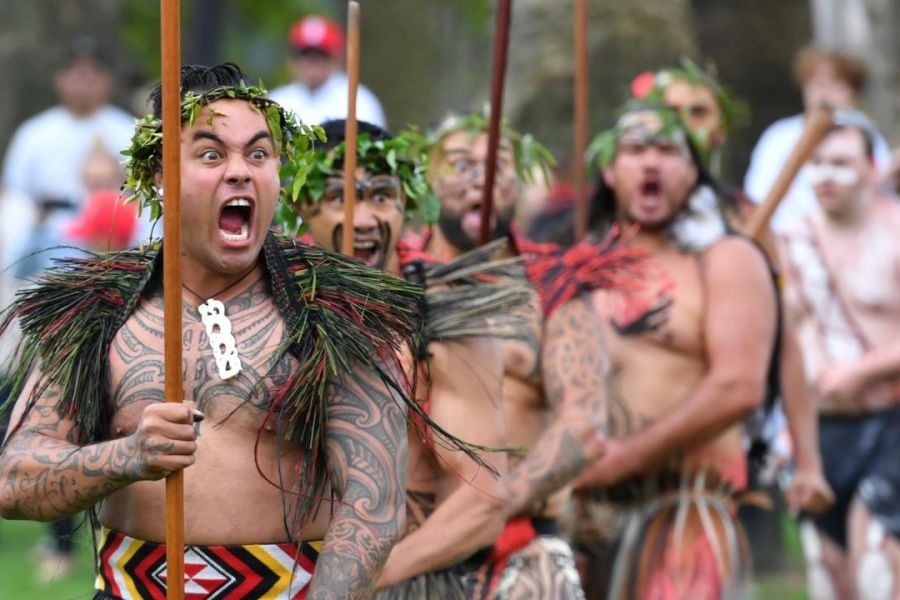
In the heart of New Zealand, where tradition intertwines with modernity, Maori cultural revitalization projects stand as a beacon of reconciliation and growth. As the country navigates the complexities of economic development and cultural preservation, understanding how to effectively engage in these initiatives is crucial. For economists and policymakers, these projects offer a unique opportunity to create sustainable economic models that honor tradition while embracing innovation.

The Economic Significance of Maori Cultural Revitalization

Maori cultural revitalization is not just about preserving heritage; it's a critical component of New Zealand's socio-economic fabric. The integration of Maori perspectives can lead to more inclusive economic policies and practices. For instance, the Maori economy, which contributes over NZD 50 billion annually, is a testament to the potential of culturally-informed economic strategies.

Case Study: The Rise of Maori Tourism

Consider the burgeoning Maori tourism industry. With its deep roots in storytelling and cultural exchange, this sector has seen a growth rate of 15% annually, according to the Ministry of Business, Innovation, and Employment (MBIE). The integration of Maori culture into tourism not only attracts international visitors but also enriches the local economy by creating jobs and fostering community development.

Comparative Analysis: Global Examples and NZ Applications

Globally, cultural revitalization has been a catalyst for economic transformation. Take the case of the Sami people in Norway, whose cultural tourism initiatives have significantly boosted local economies. Applying similar frameworks in New Zealand could enhance the economic impact of Maori cultural projects.

Pros & Cons of Maori Cultural Revitalization Projects

✅ Pros:

  • Economic Inclusion: These projects foster economic inclusivity by creating opportunities for Maori communities.
  • Cultural Preservation: They ensure the continuation and celebration of Maori traditions.
  • Tourism Growth: They boost the tourism sector, attracting visitors interested in authentic cultural experiences.

❌ Cons:

  • Resource Allocation: Significant resources are required to initiate and sustain these projects.
  • Commercialization Risks: Over-commercialization could dilute cultural authenticity.
  • Community Displacement: There's a risk of displacing communities if projects are not managed inclusively.

Balancing Economic Development with Cultural Integrity

One of the critical challenges in Maori cultural revitalization is maintaining a balance between economic development and cultural integrity. While economic benefits are apparent, the commercialization of culture poses risks of exploitation and cultural erosion. To mitigate these risks, projects must be community-led, ensuring that Maori voices and values are at the forefront of decision-making.

Data-Driven Insights from Stats NZ

According to Stats NZ, Maori businesses are more likely to engage in innovative practices than their non-Maori counterparts. This proclivity towards innovation can be leveraged in cultural revitalization projects to create sustainable economic models that respect and incorporate Maori traditions.

Common Myths & Mistakes

Myth vs. Reality

Myth: Maori cultural projects are economically unviable.

Reality: The Maori economy is a powerhouse, contributing significantly to New Zealand's GDP. Cultural projects often lead to increased tourism, job creation, and economic diversification.

Myth: Cultural revitalization only benefits Maori communities.

Reality: These projects benefit all of New Zealand by fostering social cohesion and economic inclusion.

Future Trends & Predictions

Looking ahead, the integration of digital technology in cultural projects is expected to revolutionize the sector. Augmented reality (AR) and virtual reality (VR) can offer immersive cultural experiences, attracting tech-savvy tourists while preserving cultural authenticity. According to a 2023 report by NZTech, the adoption of digital tools in cultural tourism could increase its contribution to the economy by 20% over the next decade.

Conclusion: Final Takeaway & Call to Action

Maori cultural revitalization projects are more than cultural preservation efforts; they are vital economic strategies that contribute to New Zealand's prosperity. By engaging in these initiatives, you can play a role in crafting an inclusive economy that honors the past while building a sustainable future. What steps will you take to support this cultural renaissance?

People Also Ask

  • How does Maori cultural revitalization impact New Zealand's economy? Maori cultural projects enhance economic inclusivity and boost the tourism sector, contributing significantly to GDP.
  • What are the biggest misconceptions about Maori cultural projects? A common myth is that they are economically unviable, yet they drive significant economic growth and social cohesion.
  • How can businesses get involved in Maori cultural projects? Businesses can partner with Maori communities, invest in culturally informed tourism, and support local Maori enterprises.

Related Search Queries

  • Maori cultural revitalization projects in New Zealand
  • Economic impact of Maori tourism
  • How to support Maori cultural initiatives
  • Cultural preservation vs. commercialization
  • Future of Maori economy
0
 
0

14 Comments


Jonathan Wegener

4 months ago
I love this! It’s so important to support cultural revitalization efforts. Getting involved can really deepen our understanding of Maori traditions. Plus, it’s a great way to connect with the community and learn something new. Can't wait to see what projects pop up!
0 0 Reply

JasmineFee

4 months ago
Ah, diving into Māori cultural revitalization—sounds like a culinary adventure! Just imagine savoring authentic hāngī while learning the stories behind it. It’s not just about involvement; it’s about tasting the rich heritage and flavors that come with each project. Quite the delightful journey, don’t you think?
0 0 Reply

wolfgangxdy293

4 months ago
While "Practical Tips for Getting Involved in Māori Cultural Revitalization Projects" may seem well-intentioned, one must consider the complexities of cultural engagement and the potential for oversimplification. It’s crucial to remember that genuine involvement requires more than just following a checklist; it demands a deep understanding of the cultural context and the specific needs of the community. Additionally, the focus on practical tips can inadvertently shift the emphasis away from listening and learning, which are essential components of respectful cultural engagement. Engaging with Māori culture should not just be about taking action but also about fostering meaningful relationships and understanding the historical and social dynamics at play. Moreover, we should be cautious of the potential for cultural appropriation masked as participation. The line between support and exploitation can be thin, and it is essential to approach such projects with a genuine commitment to cultural integrity and mutual benefit. In the end, while the idea of getting involved in revitalization projects is commendable, it's important to navigate this journey with humility and a critical eye, ensuring that our actions truly serve the community rather than merely fulfilling our intentions.
0 0 Reply

aarohiarora201

4 months ago
Hey! So I just read about getting involved in Māori cultural revitalization projects, and it sounds super interesting. Like, it’s not just about learning a language or tradition, but actually helping keep the culture alive. I think we could volunteer for workshops or maybe even join in on some community events. Plus, there are tons of ways to support local artists and musicians, right? I’ve seen some cool projects online where they create art that reflects Māori history. It’d be awesome to help with that, maybe even learn some skills ourselves. And I love how inclusive these projects are. It’s all about connecting with the community, which is pretty cool. We could invite some friends to join us, make it a little group thing. Anyway, just wanted to share that! Let’s chat more about it later!
0 0 Reply

theronconstant

4 months ago
One interesting aspect to consider in "Practical Tips for Getting Involved in Maori Cultural Revitalization Projects" is the emphasis on community-led initiatives as a key component of effective revitalization. While this highlights the importance of local ownership and agency, it could also be argued that relying solely on community efforts may unintentionally overlook the potential benefits of institutional support and collaboration. This raises a thought-provoking question about the balance between grassroots involvement and the role of external organizations or government bodies in fostering sustainable cultural practices. Ultimately, finding a harmonious blend of both approaches might lead to more impactful outcomes for Maori cultural revitalization.
0 0 Reply

VirginiaSc

4 months ago
When considering involvement in Māori cultural revitalization projects, it's important to approach with both enthusiasm and respect for the complexities of the culture. Engaging with local communities can provide incredible insights into their traditions, but it's essential to listen actively and understand that not all perspectives within the community may align. Participating in cultural events or workshops can be enriching, yet one should be mindful of the balance between appreciation and appropriation. Authentic engagement often involves understanding the historical context and contemporary challenges faced by Māori, rather than merely seeking to enjoy or showcase their customs for personal gain. Additionally, while volunteering or contributing resources can be beneficial, it's crucial to recognize the importance of sustainable practices that empower the community in the long term. Instead of imposing outside solutions, it's often more effective to support existing initiatives that resonate with the community’s vision for their own cultural revival. Ultimately, involvement in Māori cultural projects should be rooted in genuine relationships and mutual respect, appreciating the richness of the culture while recognizing the ongoing journey of revitalization that is both delicate and dynamic. Finding ways to be a respectful ally can lead to a deeper understanding and appreciation for the Māori way of life.
0 0 Reply

jestinemilson5

4 months ago
Just read some great tips on getting involved in Māori cultural revitalization projects, and it really opened my eyes to how meaningful it can be to connect with local customs and traditions. I love the idea of actively participating in workshops or community events—it feels like a genuine way to learn and contribute. Plus, it's amazing to see how passionate everyone is about preserving their heritage. Can't wait to dive deeper into this journey!
0 0 Reply
One of the best ways to get involved in Māori cultural revitalization is to genuinely listen and learn from the community. Engaging with local iwi and attending events, whether they’re workshops or community gatherings, can provide invaluable insights into their customs and values. It's about building relationships rooted in respect and understanding, rather than just ticking a box. By appreciating the depth of their history and language, we can contribute meaningfully to preserving and promoting their unique identity. Every small effort counts when it comes to supporting these beautiful traditions.
0 0 Reply

faustino87644

4 months ago
Absolutely love this! Just dive in, listen, and respect the culture—everyone’s keen to share their stories and traditions. It’s all about genuine connection, mate.
0 0 Reply

MajorPaton

4 months ago
I never realized how crucial it is to support Māori cultural revitalization until I learned about the deep connections people have with their heritage. It’s inspiring to see ways we can all contribute, and I feel motivated to join these efforts to help preserve such a rich culture.
0 0 Reply

AureliaGep

6 months ago
While I wholeheartedly agree that getting involved in Māori cultural revitalization is essential, perhaps we should all start by perfecting our hāngī cooking skills first—because nothing says "I respect your culture" like serving up perfectly steamed veggies in a pit, right? Just remember to bring your own hangi stones; I hear the locals are on to the whole "tourist who thinks they can just borrow the earth’s crust" thing.
0 0 Reply

Haider Ali

6 months ago
This is such a vital topic! I'd love to hear more about specific projects that have successfully engaged the community and how individuals can contribute, even from afar. Understanding the cultural context is essential; any recommendations on resources for deeper learning would be appreciated!
0 0 Reply

iampsychiatryuk7871

6 months ago
While participating in Māori cultural revitalization projects is certainly commendable, it’s essential to approach these initiatives with an awareness of the complexities involved. Engaging with Māori culture requires not only enthusiasm but also a deep respect for the historical context and contemporary realities that shape these communities. Rather than simply seeking ways to get involved, consider the value of listening and learning first—understanding the narratives that have been woven into the fabric of the culture over generations. It's also worthwhile to recognize that cultural revitalization is not a monolithic endeavor; different iwi (tribes) may have diverse needs and priorities. Therefore, rather than assuming one approach fits all, it may be more enriching to build relationships and engage in dialogue with Māori leaders to understand their unique perspectives and aspirations. In this way, involvement becomes less about imposing one's own ideas and more about fostering genuine collaboration that honors the voices and experiences of those within the culture. Furthermore, while volunteering and participating in projects can be fulfilling, it's crucial to reflect on the power dynamics at play. Being mindful of one's position—whether as a non-Māori ally or supporter—can help ensure that the efforts made are truly uplifting and not inadvertently overshadowing the very voices that are being revitalized. Engaging thoughtfully in these processes can lead to a more authentic and sustainable connection to Māori culture, where cultural exchange becomes a two-way street rather than a one-dimensional act. Ultimately, this journey should be about fostering mutual respect and understanding, creating a tapestry of shared experiences that enriches everyone involved.
0 0 Reply

JesseMinne

6 months ago
While the intention behind "Practical Tips for Getting Involved in Maori Cultural Revitalization Projects" is commendable, one might wonder how effective these initiatives truly are in the long run. It's important to consider whether such projects genuinely empower Māori communities or if they risk becoming tokenistic efforts that don't address deeper systemic issues. Engaging with cultural revitalization requires a nuanced understanding of the history and current challenges faced by Māori, which might not always be captured in straightforward tips. Additionally, there's the question of sustainability—are these projects designed to be enduring, or do they rely heavily on external funding and interest? Ultimately, while participation is valuable, it's crucial to critically assess how these efforts align with the actual needs and desires of Māori communities.
0 0 Reply
Show more

Related Articles