






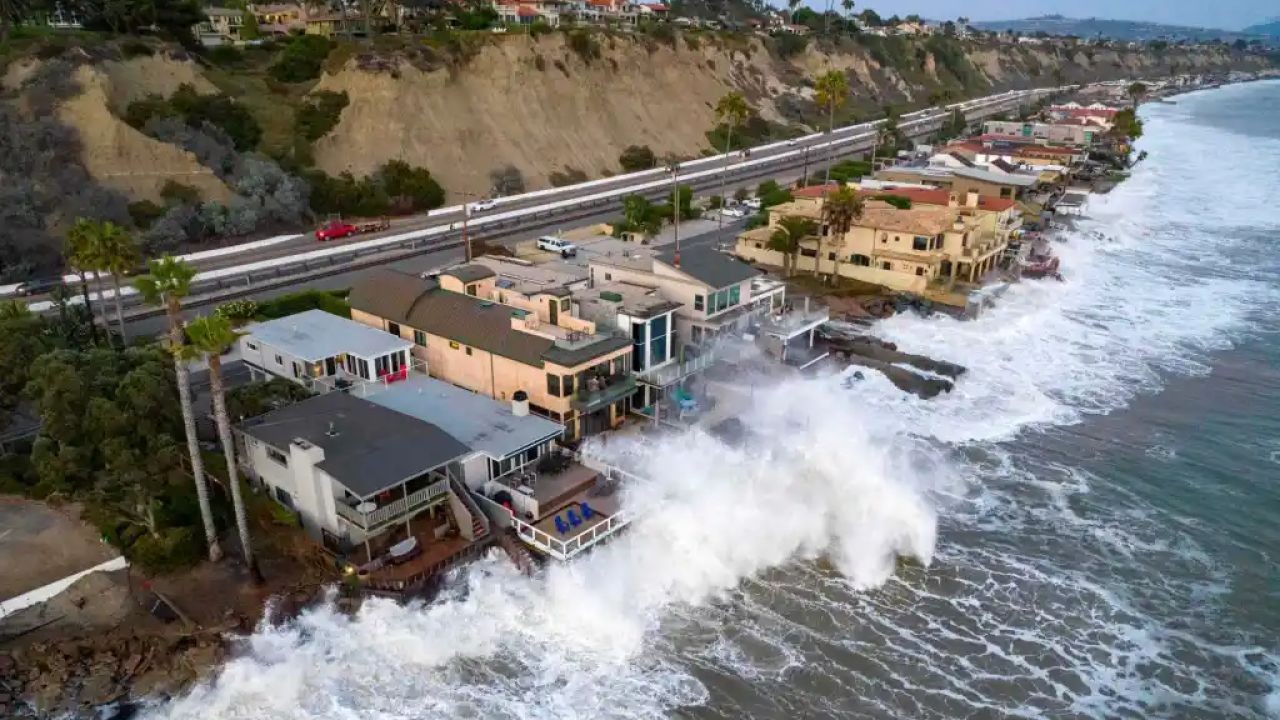
Did you know that rising sea levels are threatening the very essence of Australia’s coastal charm—its beaches? This alarming environmental shift is not just a concern for environmentalists or tourists, but it holds significant implications for property investors and the real estate market in Australia. As climate change accelerates, the disappearing beaches present both challenges and opportunities that require strategic foresight. This article will delve into the extent of beach erosion due to rising seas, its impact on property investments, and how savvy investors can navigate this evolving landscape.
Understanding the Scope of Beach Erosion in Australia
Australia is home to over 10,000 beaches, but many are at risk of erosion due to rising sea levels. According to the Australian Institute of Marine Science, approximately 50% of Australia’s sandy coastlines are experiencing erosion. This trend is driven by climate change, with the Intergovernmental Panel on Climate Change (IPCC) predicting a sea level rise of up to 1.1 meters by 2100 if emissions continue unchecked.
The Economic Impact on Coastal Properties
For property investors, the erosion of beaches can have a profound financial impact. Coastal properties, often considered prime real estate, are particularly vulnerable. A report from the Reserve Bank of Australia (RBA) highlights that properties in coastal regions could see a depreciation of up to 20% by 2050 if current trends persist. This presents a risk to property values, rental yields, and insurance premiums.
Regulatory Insights: Navigating Risks
The Australian Competition & Consumer Commission (ACCC) has underscored the importance of transparency in real estate transactions, particularly regarding environmental risks. Investors must be diligent in understanding local zoning laws and coastal management plans. The Australian Prudential Regulation Authority (APRA) has also advised lenders to consider climate risks when assessing property loans, indicating a shift towards more comprehensive risk assessments.
Case Study: Byron Bay – A Coastal Investment Dilemma
Problem: Byron Bay, a popular tourist destination, is facing significant beach erosion. This has led to concerns about the long-term viability of investing in local real estate.
Action: The local council implemented a coastal management strategy, including beach nourishment and seawall construction, to mitigate erosion and protect properties.
Result: While these measures have stabilized some areas, property values remain volatile. Investors are advised to weigh the benefits of tourism revenues against potential long-term depreciation.
Takeaway: Investors should closely monitor local government actions and environmental assessments. Sustainable investment strategies, such as eco-friendly developments, can offset potential losses.
Myths and Realities of Coastal Property Investment
- Myth: All coastal properties will lose value.
- Reality: While some areas are at risk, others with effective coastal management plans may maintain or even increase in value.
- Myth: Insurance will cover all losses from erosion.
- Reality: Many insurance policies exclude erosion-related damages, making it crucial for investors to understand their coverage.
Opportunities in the Face of Challenges
Despite the risks, there are opportunities for strategic investors. Properties in areas with proactive coastal management and sustainable development plans can offer lucrative returns. Furthermore, as demand for eco-friendly living spaces grows, investing in sustainable developments can provide a competitive edge.
Future Trends and Predictions
The future of Australian coastal real estate will be shaped by both environmental and regulatory developments. By 2030, it is expected that 70% of coastal councils will have implemented advanced coastal management strategies. This proactive approach could stabilize property values in key areas.
Additionally, the integration of technology in monitoring and managing coastal erosion will become more prevalent. Investors who leverage data analytics to assess risks and opportunities will be better positioned to make informed decisions.
Pros and Cons of Coastal Property Investment
Pros:
- High Demand: Coastal properties remain desirable for their lifestyle and tourism appeal.
- Potential High ROI: Strategic investments in well-managed areas can yield significant returns.
- Sustainability Opportunities: Growing demand for eco-friendly properties.
Cons:
- Environmental Risks: Erosion and climate change impacts.
- Insurance Challenges: Limited coverage for erosion-related damages.
- Regulatory Complexities: Navigating local zoning and environmental laws.
Conclusion
While the disappearance of Australian beaches poses significant challenges, it also offers unique opportunities for property investors willing to adapt and innovate. By understanding the risks and leveraging strategic insights, investors can navigate the evolving landscape of coastal real estate. As the climate continues to change, staying informed and proactive will be key to unlocking the potential of Australia’s coastal properties.
People Also Ask (FAQ)
- How does rising sea levels impact property investments in Australia? Rising sea levels can lead to coastal erosion, affecting property values and insurance premiums, particularly in high-risk areas.
- What are the best strategies for investing in coastal properties? Focus on areas with strong coastal management plans and consider eco-friendly developments to align with market demand.
- What upcoming changes in Australia could affect coastal property investments? By 2030, increased coastal management initiatives are expected to stabilize property values in key areas.
Related Search Queries
- Impact of climate change on Australian beaches
- Coastal property investment strategies
- Australian coastal erosion statistics
- Real estate risks in Australia
- Sustainable coastal development


































Techcrest Marketing
2 months ago