





Introduction
Imagine a home nestled amid New Zealand’s breathtaking landscapes, powered entirely by renewable energy and free from the constraints of the national grid. As energy costs rise and environmental concerns grow, designing an off-grid home in New Zealand has become not just a viable option but a compelling solution. With the Reserve Bank of New Zealand highlighting that energy costs have increased by 25% over the last five years, the financial incentives to go off-grid are stronger than ever. But how does one design an off-grid home that is both sustainable and economically viable? This article delves into the intricacies of creating an off-grid home in New Zealand, addressing local factors, industry trends, and policies that make such homes increasingly appealing.
Main Sections
Understanding the Off-Grid Concept
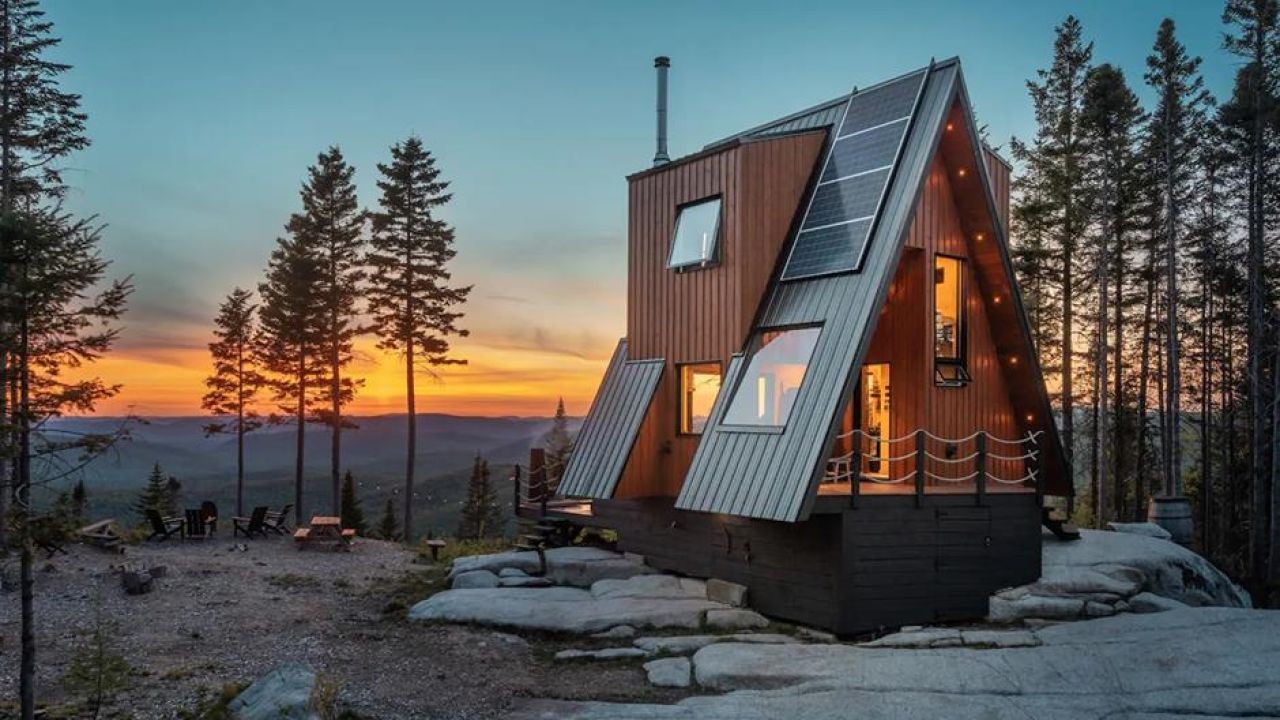
At its core, an off-grid home is a self-sufficient dwelling that operates independently from the public utilities. It relies on renewable energy sources like solar or wind power and incorporates sustainable water and waste management systems. In New Zealand, where renewable resources are abundant, this concept aligns perfectly with national sustainability goals. According to Stats NZ, 85% of New Zealand's electricity is generated from renewable sources, making off-grid living a feasible alternative.
Case Study: Waiheke Island’s Off-Grid Community
Problem: Residents of Waiheke Island faced high energy costs and frequent power outages.
Action: A community initiative led by local environmental groups encouraged the installation of solar panels and the adoption of rainwater harvesting systems.
Result: Over three years, the community reduced its reliance on the national grid by 60%, saving approximately NZD 500,000 annually in energy costs.
Takeaway: Community-driven initiatives can significantly enhance the feasibility of off-grid living, offering both economic and environmental benefits.
Data-Driven Insights: The Economic Benefits
- Cost Savings: The Ministry of Business, Innovation and Employment (MBIE) reports that off-grid homes can reduce energy bills by up to 90% annually.
- Property Value Increase: A study by the University of Auckland found that properties with renewable energy systems sell for 15% more than conventional homes.
- Resilience and Security: With climate change increasing the frequency of extreme weather events, off-grid homes offer greater resilience against power outages.
Pros and Cons of Off-Grid Living
Pros:
- Environmental Impact: Reduces carbon footprint and promotes sustainable living.
- Independence: Freedom from utility companies and fluctuating energy prices.
- Community Development: Encourages local collaboration and innovation.
Cons:
- Initial Investment: High upfront costs for solar panels and battery storage.
- Maintenance Requirements: Regular upkeep of energy systems and water management facilities.
- Technological Limitations: Performance can be weather-dependent, requiring backup systems.
Common Myths & Mistakes
Myth 1: "Off-grid homes are illegal in New Zealand."
Reality: While building regulations must be met, off-grid homes are entirely legal and encouraged through various government incentives.
Myth 2: "Off-grid living is only for rural areas."
Reality: With advancements in technology, off-grid systems are feasible in urban environments, offering solutions for sustainable city living.
Myth 3: "Solar energy is unreliable in New Zealand."
Reality: New Zealand receives abundant sunlight year-round, and modern solar technologies ensure efficient energy capture even on cloudy days.
Future Trends & Predictions
As technology evolves, the future of off-grid living in New Zealand looks promising. By 2030, it's predicted that 30% of new homes will incorporate off-grid elements, driven by advancements in battery storage and smart home technologies. Additionally, government initiatives aimed at reducing carbon emissions will likely boost incentives for off-grid projects, making them more accessible to the average homeowner.
Conclusion
Designing an off-grid home in New Zealand is not just a sustainable choice; it’s a financially savvy one. With energy independence, reduced costs, and increased property value, off-grid living offers numerous advantages. As you consider making the switch, ensure you understand the local regulations, plan for initial investments, and embrace community collaboration for the best outcomes. Are you ready to explore the off-grid lifestyle? Share your thoughts and experiences below!
People Also Ask
How does off-grid living impact New Zealand's economy?
Off-grid living reduces reliance on public utilities, potentially lowering national energy demand and costs. This promotes sustainable development, aligning with New Zealand's renewable energy goals.
What are the biggest misconceptions about off-grid homes?
A common myth is that off-grid homes are illegal. In reality, they are legal and supported by government incentives, provided they meet building regulations.
What are the best strategies for implementing an off-grid home?
Experts recommend starting with a thorough site assessment, investing in quality solar systems, and integrating efficient water management practices for long-term success.
Related Search Queries
- Off-grid living New Zealand
- Best solar systems for homes NZ
- Rainwater harvesting NZ regulations
- Sustainable home designs NZ
- Energy independence benefits