
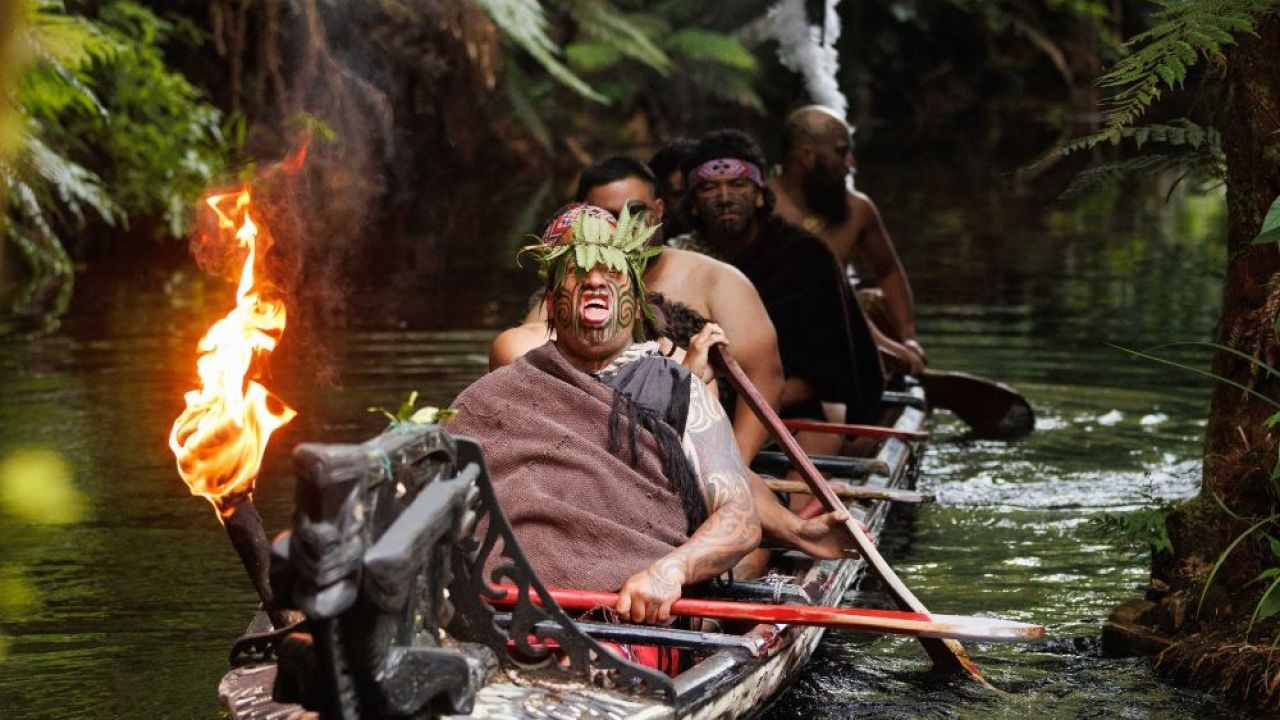
In recent years, the revitalization of Māori culture in New Zealand has gained momentum, with healthcare consultants increasingly recognizing its importance. As cultural awareness and understanding grow, healthcare professionals are exploring how Māori cultural revitalization can enhance health outcomes and contribute to a more inclusive healthcare system. This article delves into the efforts to revive Māori culture, their implications for the healthcare industry, and the broader socio-economic impact on New Zealand.
Understanding Māori Cultural Revitalization
Māori cultural revitalization refers to the efforts to restore, preserve, and promote the language, customs, and traditions of the Māori people. These efforts are crucial in addressing the historical injustices and cultural erosion experienced by Māori communities due to colonization. Key components of Māori cultural revitalization include:
- Te Reo Māori Language Revival: Initiatives to promote the learning and use of the Māori language, such as language immersion programs and public awareness campaigns.
- Cultural Practices and Traditions: Reviving traditional practices such as kapa haka (Māori performing arts), marae (meeting grounds) activities, and customary rituals.
- Education and Awareness: Incorporating Māori perspectives into educational curricula and promoting cultural competence in various sectors, including healthcare.
Data-Driven Insights: Māori Cultural Revitalization's Impact on Healthcare
Recent data underscores the significance of cultural revitalization efforts in improving healthcare outcomes for Māori communities. According to a report by the Ministry of Health, Māori individuals who engage with their cultural practices report better mental health and well-being. This finding highlights the importance of integrating cultural awareness into healthcare practices.
Moreover, the Reserve Bank of New Zealand has noted that economic policies supporting Māori businesses and cultural initiatives contribute to economic growth. By fostering a culturally inclusive environment, New Zealand can unlock the potential of its diverse population.
Case Study: Te Kōhanga Reo Movement
Problem:
In the late 20th century, the Māori language faced a crisis, with fluency rates plummeting. The decline threatened the cultural identity of Māori communities and their ability to pass down traditions.
Action:
The Te Kōhanga Reo movement emerged as a grassroots initiative to establish language immersion preschools. These preschools focused on teaching children Te Reo Māori, instilling cultural values, and involving families in the learning process.
Result:
- Over 60,000 children have attended Kōhanga Reo centers since their inception.
- Fluency rates among younger generations have significantly increased.
- The movement has inspired similar initiatives for other indigenous languages worldwide.
Takeaway:
The success of the Te Kōhanga Reo movement underscores the power of community-driven efforts in cultural revitalization. Healthcare consultants can draw inspiration from this model to develop culturally tailored health interventions that resonate with Māori communities.
Pros and Cons of Integrating Māori Cultural Practices in Healthcare
Pros:
- Improved Health Outcomes: Cultural practices promote holistic well-being, addressing the physical, mental, and spiritual aspects of health.
- Enhanced Patient Trust: Culturally competent care fosters trust and strengthens the patient-provider relationship.
- Community Engagement: Involving communities in health initiatives encourages active participation and ownership.
Cons:
- Resource Challenges: Implementing cultural initiatives requires time, funding, and trained personnel.
- Potential Resistance: Some healthcare providers may resist change or lack understanding of cultural practices.
- Complexity in Standardization: Diverse cultural practices may pose challenges in creating standardized healthcare protocols.
Addressing Common Myths About Māori Cultural Revitalization
- Myth: Cultural revitalization is only about language. Reality: It encompasses language, traditions, values, and social structures, all of which influence health and well-being.
- Myth: Māori cultural practices are outdated. Reality: These practices have evolved and continue to offer valuable health insights, particularly in mental health and community care.
- Myth: Cultural initiatives are costly and offer little return. Reality: Investing in cultural revitalization can lead to economic growth and improved social cohesion, benefiting the broader community.
Future Trends in Māori Cultural Revitalization and Healthcare
Looking ahead, the integration of Māori cultural values in healthcare is expected to deepen. As New Zealand continues to prioritize equity and inclusivity, healthcare systems will increasingly adopt culturally informed models. The government's focus on Māori health equity is likely to spur further investment in cultural initiatives, leading to:
- Increased Funding: Government and private sector investments in cultural programs will rise, creating opportunities for innovation in healthcare delivery.
- Technology Integration: Digital tools will facilitate cultural education and engagement, allowing for personalized healthcare experiences.
- Policy Reforms: Legislation will further embed cultural competence as a core component of healthcare standards.
Final Takeaways
- Embracing Māori cultural revitalization can enhance health outcomes for Māori communities and foster a more inclusive healthcare system.
- Healthcare consultants should prioritize cultural competence training and community engagement to build trust and improve service delivery.
- Future trends indicate a growing emphasis on culturally informed healthcare models, driven by technology and policy reforms.
As healthcare professionals, understanding and integrating Māori cultural revitalization efforts can lead to more effective and equitable care. By embracing these principles, New Zealand's healthcare system can set a global standard for cultural inclusivity and innovation.
People Also Ask (FAQ)
- How does Māori cultural revitalization impact healthcare in New Zealand? Māori cultural revitalization enhances healthcare outcomes by promoting holistic well-being and building trust between patients and providers.
- What are the biggest misconceptions about Māori cultural practices? A common myth is that they are outdated; however, they offer valuable insights, especially in mental health care.
- What are the best strategies for implementing Māori cultural practices in healthcare? Experts recommend community engagement, cultural competence training, and policy integration to ensure effective implementation.
Related Search Queries
- Māori cultural revitalization efforts
- Te Reo Māori language revival
- Māori healthcare practices
- Integrating Māori culture in healthcare
- Māori cultural competence training
- Māori health equity New Zealand
- Māori traditional healing methods
- Māori cultural education programs
- Māori community health initiatives
- Future of Māori culture in New Zealand
What are your thoughts on integrating Māori cultural revitalization in healthcare? Share your insights and experiences below!