





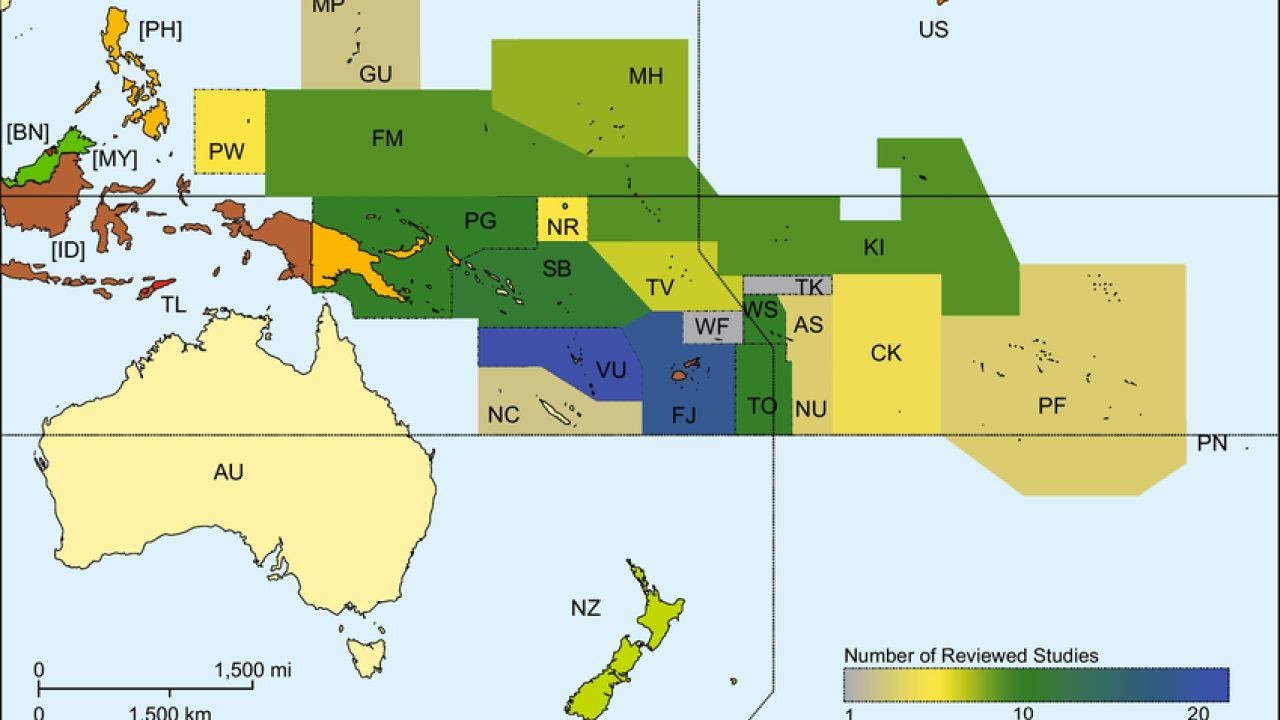
In recent years, New Zealand's political decisions have increasingly influenced the Pacific Islands, creating a ripple effect that extends beyond its borders. This intricate relationship is shaped by historical ties, economic dependencies, and geopolitical strategies, making it a compelling subject for analysis. As New Zealand navigates its role in the Pacific, its policies have both direct and indirect impacts on the region, affecting everything from economic growth to environmental sustainability.
New Zealand's Political Influence: A Historical Perspective
Historically, New Zealand has maintained a strong connection with the Pacific Islands, rooted in shared cultural and historical ties. This connection has been reinforced through diplomatic initiatives and aid, positioning New Zealand as a key player in the region. The country’s political decisions, therefore, carry significant weight, influencing economic policies, environmental initiatives, and social development across the Pacific Islands.
For instance, New Zealand's commitment to climate change mitigation has been pivotal in shaping environmental policies in the Pacific. With many island nations facing existential threats from rising sea levels, New Zealand’s leadership in advocating for global climate action has been crucial. According to the Ministry for the Environment, New Zealand has invested over NZD 150 million in climate-related projects across the Pacific, focusing on renewable energy and sustainable development.
Pros and Cons of New Zealand’s Political Decisions
New Zealand’s political decisions have both positive and negative impacts on the Pacific Islands. Understanding these implications is crucial for assessing the region's future trajectory.
Pros:
- Economic Support: New Zealand provides significant aid to the Pacific, fostering economic stability and development. This support includes funding for infrastructure projects and educational programs, which are essential for long-term growth.
- Climate Advocacy: New Zealand's proactive stance on climate change helps raise global awareness and promotes initiatives that benefit the Pacific Islands, which are particularly vulnerable to environmental changes.
- Cultural Exchange: Through initiatives such as the Pacific Islands Forum, New Zealand facilitates cultural exchange and strengthens diplomatic ties, contributing to regional unity and cooperation.
Cons:
- Dependency Risk: Over-reliance on New Zealand’s aid can lead to economic dependency, hindering the Pacific Islands' ability to build self-sufficient economies.
- Geopolitical Tensions: New Zealand’s political alignment with Western powers can sometimes create tensions with other influential players in the region, such as China, affecting the Pacific Islands' diplomatic relations.
- Resource Allocation: Critics argue that New Zealand’s focus on certain areas, such as climate change, may overshadow other pressing needs like healthcare and education in the Pacific.
Case Study: New Zealand’s Renewable Energy Projects in the Pacific
Problem: The Pacific Islands face significant challenges in achieving sustainable energy due to limited resources and infrastructure. This lack of energy sustainability adversely affects economic growth and environmental health.
Action: New Zealand has launched several renewable energy projects across the Pacific, focusing on solar and wind energy. These initiatives aim to reduce dependency on fossil fuels and promote sustainable development.
Result: In Fiji, for example, the implementation of solar energy projects, funded by New Zealand, led to a 30% reduction in fossil fuel consumption within two years. This transition not only supports environmental goals but also enhances energy security and reduces costs.
Takeaway: New Zealand’s investment in renewable energy demonstrates the potential for sustainable development in the Pacific. By prioritizing clean energy, the Pacific Islands can improve their resilience to climate change while fostering economic growth.
Data-Driven Insights: The Economic Impact of Aid
According to Stats NZ, New Zealand’s aid to the Pacific Islands amounted to NZD 1.2 billion in 2022, representing a significant portion of the region’s foreign aid. This financial support plays a critical role in infrastructure development, healthcare, and education. However, it also raises questions about long-term economic sustainability and the potential for aid dependency.
Research from the University of Auckland highlights that while aid is essential for immediate relief and development, it can also create dependency if not complemented by efforts to build local capacities. This dual-edged impact emphasizes the need for a balanced approach, where aid is coupled with initiatives that empower local economies.
Debunking Myths: Common Misconceptions
Myth: "New Zealand’s aid is purely altruistic."
Reality: While altruism plays a role, New Zealand's aid is also strategically aligned with its geopolitical interests, aiming to strengthen regional influence and counterbalance other powers in the Pacific (Source: NZ Foreign Affairs).
Myth: "The Pacific Islands are the main beneficiaries of New Zealand’s climate policies."
Reality: Although the Pacific Islands benefit significantly, New Zealand's climate policies also serve its domestic agenda, promoting sustainable practices that support its economic and environmental goals (Source: Ministry for the Environment).
Future Trends and Predictions
Looking ahead, New Zealand's influence in the Pacific is expected to evolve, driven by emerging geopolitical dynamics and environmental challenges. By 2030, it is predicted that New Zealand will further integrate its economic and environmental policies with the Pacific Islands, fostering a more collaborative regional approach (Source: Deloitte Pacific Insights 2023).
Moreover, with increasing global attention on the Pacific, New Zealand may need to navigate complex geopolitical landscapes, balancing its relationships with traditional allies and emerging powers like China. This strategic positioning will be crucial for maintaining its leadership role in the region.
Conclusion: Strategic Considerations for the Future
As New Zealand continues to shape its political decisions and their impact on the Pacific Islands, it is imperative to strike a balance between aid and empowerment. Sustainable development, climate action, and geopolitical strategy must be harmonized to ensure mutual benefits and long-term resilience in the region.
For policymakers and analysts, understanding these dynamics is crucial for crafting strategies that leverage New Zealand’s influence while fostering regional stability and growth. As the Pacific navigates these complex challenges, collaborative efforts will be key to unlocking the region’s full potential.
People Also Ask (FAQ)
How does New Zealand’s aid impact the Pacific Islands?
New Zealand’s aid fosters economic stability and development in the Pacific Islands, supporting infrastructure, education, and healthcare, while raising concerns about potential aid dependency.
What are the biggest misconceptions about New Zealand’s role in the Pacific?
A common myth is that New Zealand’s aid is purely altruistic. However, strategic interests also play a role in strengthening regional influence and countering other powers (Source: NZ Foreign Affairs).
What future trends could affect New Zealand’s influence in the Pacific?
By 2030, New Zealand is expected to further integrate its policies with the Pacific Islands, fostering collaboration amidst emerging geopolitical dynamics and environmental challenges (Source: Deloitte Pacific Insights 2023).
Related Search Queries
- New Zealand Pacific Islands aid
- New Zealand climate policy impact on Pacific
- Geopolitical dynamics in the Pacific
- New Zealand renewable energy projects
- Dependency on foreign aid Pacific Islands
- Future of Pacific Islands economy
- New Zealand cultural exchange with Pacific
- Environmental challenges in the Pacific
- New Zealand’s geopolitical strategy
- Pacific Islands sustainable development
As New Zealand navigates its role in the Pacific, continued analysis and strategic foresight will be essential. Engaging in dialogue, sharing insights, and fostering regional cooperation will be key to shaping a sustainable and prosperous future for both New Zealand and the Pacific Islands.