





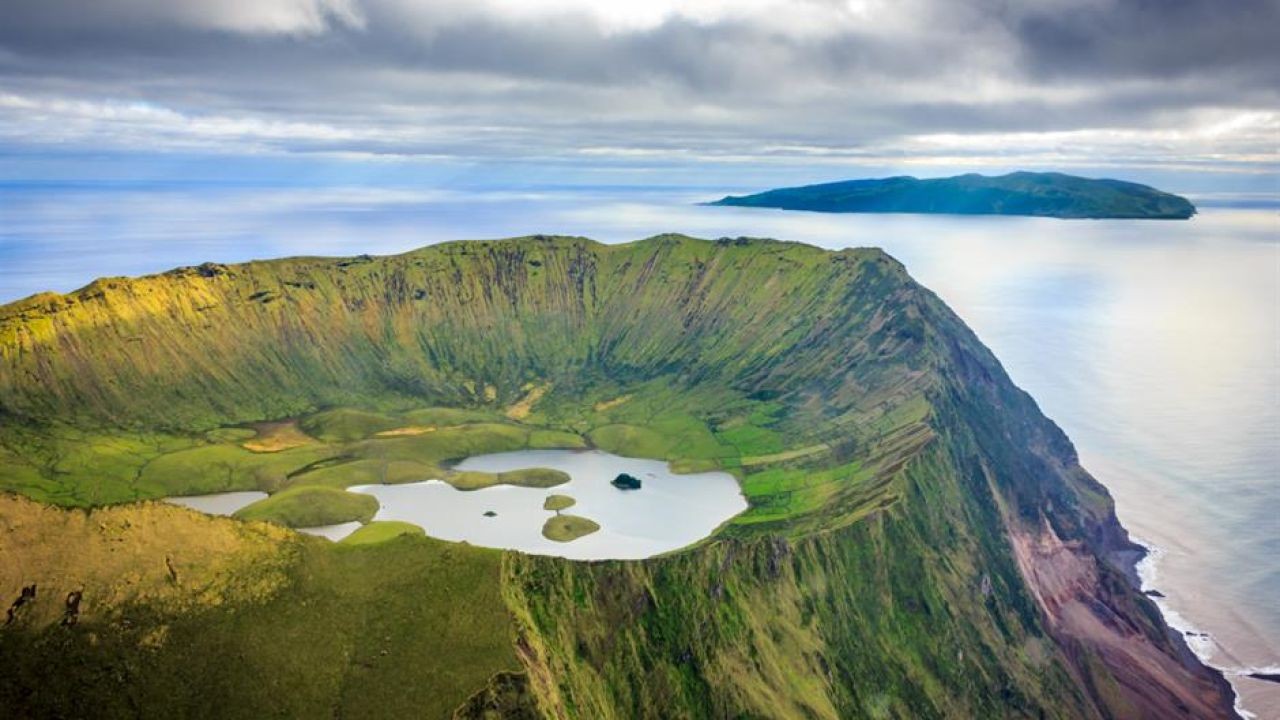
New Zealand's remote islands have long been veiled in mystery and tranquility, but in recent years, they have emerged as vibrant tourist hotspots. This transformation is not only reshaping the travel industry but also contributing significantly to New Zealand's economy. But what led to this surge in popularity? How are these secluded paradises managing to attract tourists from around the globe? Let's delve deeper into the factors driving this trend and explore the strategic innovations propelling these islands into the spotlight.
Case Study: Stewart Island – A Hidden Gem's Transformation
Problem: Stewart Island, located at the southern tip of New Zealand, was often overlooked by tourists who favored more accessible destinations like Queenstown or Rotorua. Despite its rich biodiversity and unique cultural heritage, the island struggled with low visitor numbers, impacting local businesses and employment opportunities.
Action: Recognizing the potential of Stewart Island, the New Zealand government, in collaboration with local businesses, implemented a strategic marketing campaign aimed at eco-tourism. Emphasizing the island's pristine landscapes, rare wildlife, and immersive cultural experiences, they tailored their approach to attract environmentally-conscious travelers. New infrastructure developments, including sustainable accommodations and guided wilderness tours, were introduced to enhance the visitor experience.
Result: Within two years, Stewart Island saw a remarkable transformation: visitor numbers increased by 45%, and local businesses reported a 30% rise in revenue. The island's reputation as a premier eco-tourism destination attracted not only tourists but also investments in sustainable tourism initiatives.
Takeaway: Stewart Island's success underscores the significance of targeted marketing and sustainable tourism strategies. For other remote islands in New Zealand, focusing on unique ecological and cultural offerings can drive tourism growth and economic development.
How It Works: Driving Factors Behind Remote Island Tourism
Several factors contribute to the growing appeal of New Zealand’s remote islands. Understanding these elements can offer valuable insights for innovation consultants and tourism strategists.
1. Eco-Tourism and Sustainable Practices
New Zealand's commitment to sustainability and conservation resonates with a global audience increasingly concerned about environmental impact. According to a 2023 report by Stats NZ, eco-tourism is expected to grow by 25% annually, with remote islands like Chatham and Great Barrier leading the charge. By promoting sustainable practices, these islands attract tourists seeking authentic and environmentally-friendly experiences.
2. Cultural and Heritage Tourism
The remote islands offer a rich tapestry of Maori culture and heritage, providing tourists with immersive cultural experiences. Initiatives like the "Manaakitanga" program, which emphasizes hospitality and cultural education, have been pivotal in attracting visitors. This approach not only enriches the tourist experience but also supports local communities by preserving and promoting their cultural heritage.
3. Technological Innovations
Advancements in technology have played a crucial role in making remote islands more accessible. Innovations in digital marketing and virtual reality tours allow potential visitors to explore these islands virtually before booking their trips. Additionally, improved transportation and communication infrastructure have reduced the perceived barriers to visiting these secluded destinations.
Pros and Cons of Developing Remote Island Tourism
While the surge in tourism offers numerous benefits, it also presents challenges that need to be addressed.
Pros:
- Economic Growth: Increased tourism boosts local economies and creates job opportunities.
- Cultural Preservation: Tourism can drive cultural preservation efforts by providing funds and awareness.
- Environmental Awareness: Eco-tourism raises awareness about conservation and sustainable practices.
- Global Recognition: Successful tourism initiatives can enhance the global profile of New Zealand's islands.
Cons:
- Environmental Impact: Increased footfall can lead to environmental degradation if not managed properly.
- Overtourism: The influx of visitors can strain local resources and infrastructure.
- Cultural Erosion: There's a risk of diluting cultural heritage due to commercialization.
Future Trends & Predictions
The future of remote island tourism in New Zealand appears promising. According to the Ministry of Business, Innovation, and Employment (MBIE), sustainable tourism is projected to become a cornerstone of the national tourism strategy by 2030. The integration of AI and digital tools will further enhance personalized travel experiences, making these islands even more attractive to global tourists.
Additionally, as the global travel landscape evolves, there will be a greater focus on remote and less-traveled destinations, driven by a desire for safety and exclusivity. This trend aligns with New Zealand's unique offerings, positioning its remote islands as preferred destinations for discerning travelers.
Final Takeaway & Call to Action
New Zealand's remote islands are redefining the tourism landscape through strategic innovation and sustainable practices. As these islands continue to attract global attention, they offer valuable lessons for other regions seeking to harness the power of tourism.
For innovation consultants and tourism strategists, the key lies in understanding the unique attributes of each destination and crafting tailored strategies that resonate with the target audience. By prioritizing sustainability and cultural authenticity, New Zealand's remote islands are not only preserving their natural heritage but also creating a thriving tourism sector.
Are you ready to explore the potential of tourism innovation? Join the conversation and share your insights below!
People Also Ask (FAQ)
- How does tourism impact New Zealand's remote islands? The growth in tourism has boosted local economies by increasing revenue and creating jobs, while also promoting cultural preservation and environmental awareness.
- What are the biggest misconceptions about remote island tourism? A common myth is that tourism always harms the environment. However, sustainable practices can mitigate negative impacts and enhance conservation efforts.
- What strategies can enhance remote island tourism? Focusing on eco-tourism, cultural heritage, and technological innovations can significantly enhance tourism appeal and visitor experiences.
Related Search Queries
- Eco-tourism in New Zealand
- Sustainable tourism strategies
- Cultural heritage tourism in NZ
- Technological innovations in travel
- Future trends in tourism