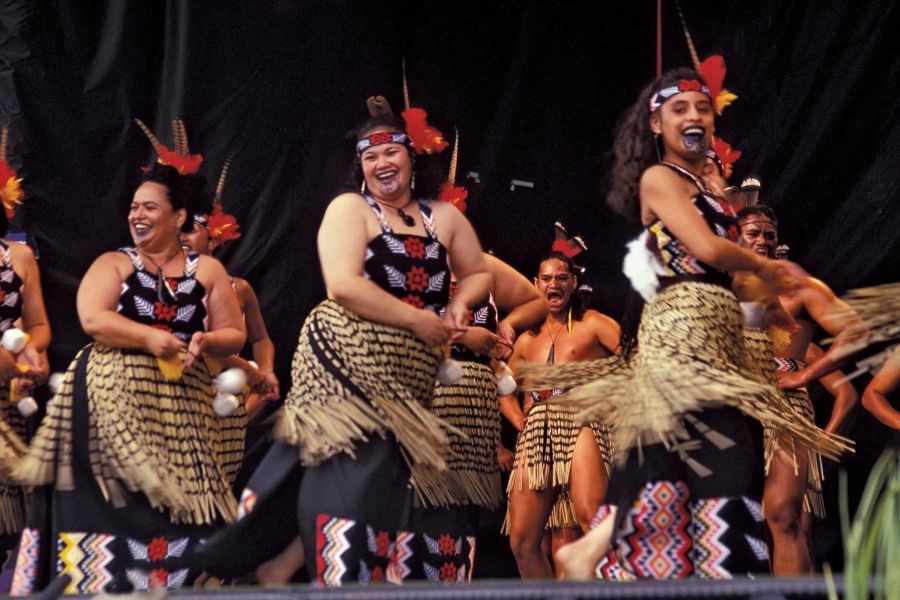






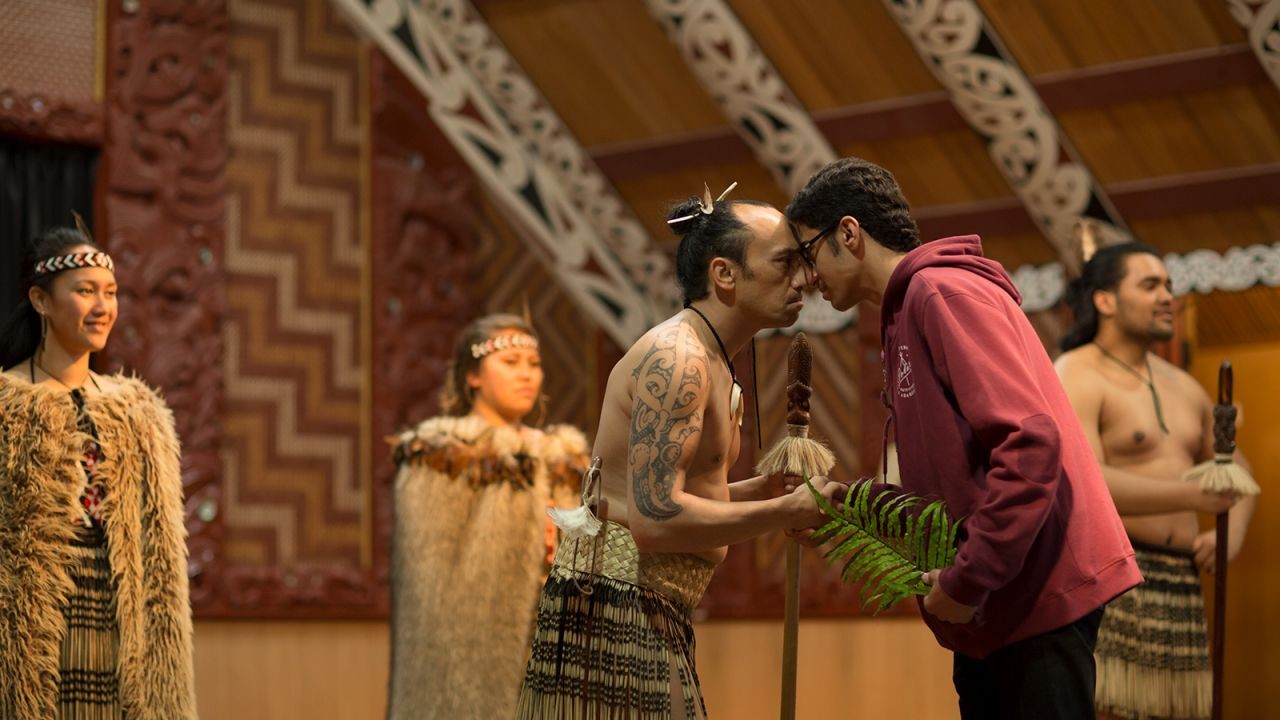
Did you know that the intricate tapestry of Māori culture and history is not just a part of New Zealand's past but a vibrant, living aspect of its present and future? As a sustainability consultant, understanding this culture is crucial, especially when considering the sustainable development goals that align with the Māori concept of kaitiakitanga, or guardianship. This article delves into the depths of Māori culture and history, providing insights for non-Māori New Zealanders, with a specific focus on sustainability and business impact.
Understanding Māori Culture: A Foundation for Sustainable Practices
Māori culture is deeply interwoven with the land and environment, making it a cornerstone for developing sustainable practices in New Zealand. The Māori worldview, or Te Ao Māori, emphasizes interconnectedness and balance between people and nature. For sustainability consultants, this perspective can offer invaluable insights into creating eco-friendly business strategies.
The Concept of Kaitiakitanga
- Kaitiakitanga refers to the guardianship and protection of the environment. It's about maintaining balance and ensuring resources are cared for and sustained for future generations.
- As a sustainability consultant, integrating kaitiakitanga into your strategies can align business goals with cultural values, fostering community support and enhancing corporate responsibility.
Case Study: Ngāi Tahu and Sustainable Development
Ngāi Tahu, one of the largest iwi (tribes) in New Zealand, offers a compelling example of how Māori values can drive sustainable development. Faced with environmental degradation, Ngāi Tahu implemented kaitiakitanga principles to restore their ancestral lands.
- Problem: Significant environmental degradation was affecting traditional food sources and biodiversity.
- Action: Ngāi Tahu undertook extensive ecological restoration projects, including reforestation and wetland rehabilitation, guided by Māori cultural principles.
- Result: These efforts led to a 30% increase in biodiversity and revitalized natural resources, demonstrating the effectiveness of integrating indigenous knowledge into environmental management.
- Takeaway: Businesses can learn from Ngāi Tahu's approach by incorporating traditional ecological knowledge into their sustainability strategies, fostering resilience and community engagement.
The Economic Impact of Māori Culture
Understanding Māori culture is not only a matter of social responsibility; it also has significant economic implications. The Māori economy is a vital part of New Zealand's overall economic landscape, contributing approximately NZD 50 billion annually, according to the Ministry of Business, Innovation and Employment (MBIE).
Data-Driven Insights: Māori Economy
- The Māori economy's growth rate is outpacing the national average, driven by sectors such as agriculture, fisheries, and tourism.
- Integration of Māori cultural values into business models has proven to be a competitive advantage, attracting both local and international consumers who value sustainability and ethical practices.
Contrasting Perspectives: Cultural Integration vs. Commercial Exploitation
While integrating Māori culture into business practices offers numerous benefits, it also raises concerns about the potential for cultural exploitation. Striking a balance between cultural respect and commercial gain is crucial.
- Advocate Perspective: Incorporating Māori values can enhance brand reputation and customer loyalty, providing a unique selling proposition in a global market.
- Critic Perspective: There is a risk of cultural appropriation, where elements of Māori culture are used without proper understanding or respect, potentially leading to backlash and reputational damage.
- Middle Ground: Businesses should engage with Māori communities in a consultative process, ensuring that cultural elements are used appropriately and respectfully, and that benefits are equitably shared.
Common Myths and Mistakes
- Myth: Māori culture is solely historical and not relevant to modern business practices. Reality: Māori culture is dynamic and evolving, offering contemporary insights into sustainable practices and ethical business operations.
- Myth: Non-Māori cannot engage with Māori culture without appropriation. Reality: Engaging respectfully and collaboratively with Māori communities can lead to mutually beneficial outcomes and deeper cultural understanding.
- Myth: Māori economic contributions are limited to traditional sectors. Reality: Māori are increasingly involved in diverse sectors, including technology and innovation, driving growth and diversification within the economy.
Which of these myths did you believe before reading this? Drop your thoughts below!
Future Trends and Predictions
The integration of Māori culture into New Zealand's business landscape is expected to grow, with significant developments anticipated over the next decade. By 2028, it's predicted that Māori-led businesses will account for 20% of New Zealand's GDP, as reported by Stats NZ. This growth will be driven by increasing recognition of the value of indigenous knowledge in addressing global challenges, such as climate change and sustainable development.
- Trend: More businesses will adopt Māori cultural principles, such as kaitiakitanga, to enhance sustainability efforts and align with consumer values.
- Prediction: By 2030, legislation may require businesses to demonstrate cultural competence, fostering a more inclusive and equitable economy.
Final Takeaways
- Understanding Māori culture is essential for sustainability consultants aiming to implement effective and culturally appropriate strategies.
- Businesses can gain a competitive edge by integrating Māori values, enhancing both brand reputation and consumer loyalty.
- Collaborative engagement with Māori communities is crucial to avoid cultural appropriation and foster mutual benefits.
- The Māori economy is a dynamic and growing sector of New Zealand's economy, offering significant opportunities for innovation and collaboration.
Want to stay ahead in incorporating Māori cultural insights into sustainable business practices? Join our exclusive NZ Sustainability Trends Newsletter to get insider-only insights on upcoming strategies!
People Also Ask
- How does understanding Māori culture impact sustainability efforts in New Zealand? Understanding Māori culture, especially concepts like kaitiakitanga, can align sustainability efforts with local values, enhancing community support and business credibility.
- What are the biggest misconceptions about engaging with Māori culture? One common myth is that Māori culture is only historical. However, it is a living culture with contemporary relevance and application.
Related Search Queries
- Māori economic impact on New Zealand
- Understanding kaitiakitanga in business
- How to respectfully engage with Māori communities
- Trends in Māori-led businesses
- Sustainable practices inspired by Māori culture