




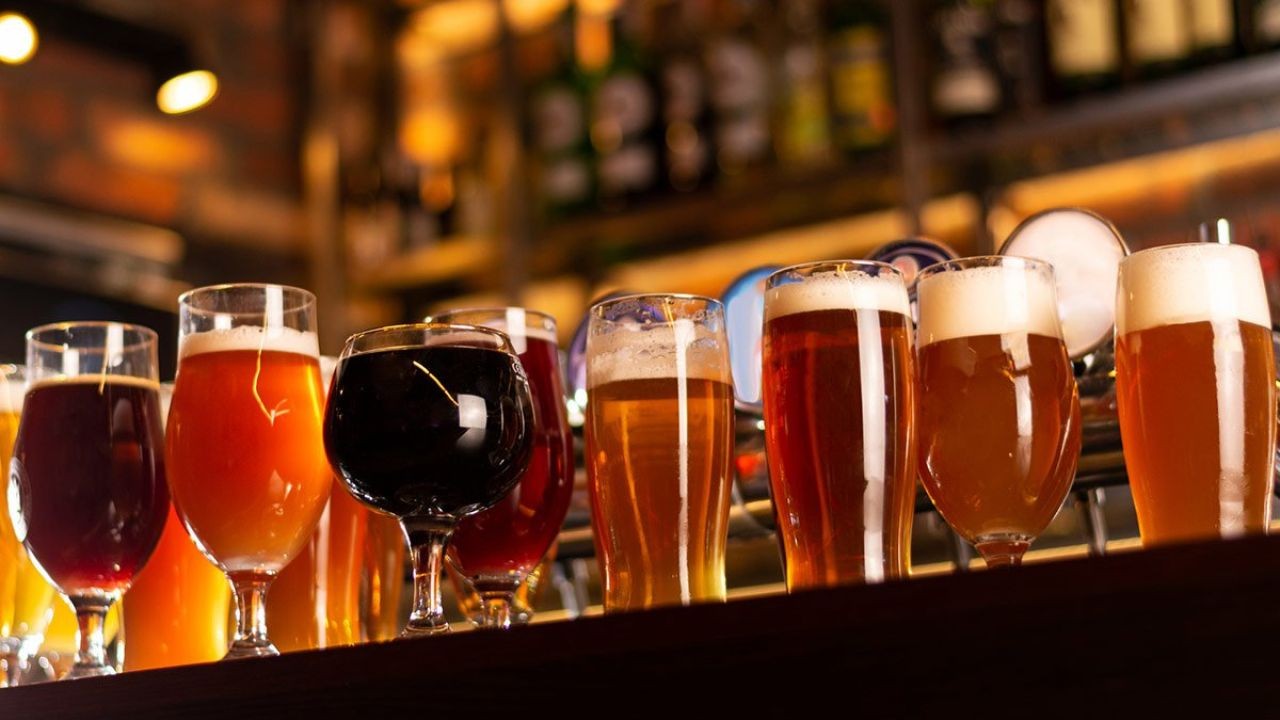
Australia's craft beer industry has been on a rollercoaster ride over the past decade, witnessing exponential growth and a surge in popularity. However, with the recent shifts in consumer preferences and economic challenges, many are questioning whether this industry is reaching a saturation point. This article dives deep into the Australian craft beer market, examining whether the craft beer bubble is on the brink of bursting.
The Rise of Craft Beer in Australia
Craft beer's journey in Australia began as a niche segment, with a handful of passionate brewers challenging the dominance of mainstream beer giants. Over the years, the number of craft breweries has exploded, growing from around 100 in 2008 to over 600 by 2023, according to the Australian Craft Beer Industry Association (ACBIA). This growth has been fueled by a consumer shift towards unique flavors, artisanal processes, and a preference for supporting local businesses.
Consumer Preferences: A Double-Edged Sword
While the demand for craft beer has driven its growth, changing consumer preferences could also be its Achilles' heel. According to a 2023 report by the Australian Bureau of Statistics (ABS), younger consumers are increasingly opting for low-alcohol and non-alcoholic beverages, driven by health and wellness trends. This shift poses a significant challenge for craft breweries that primarily focus on high-alcohol-content beers.
Economic Factors Influencing the Craft Beer Market
The craft beer industry is not isolated from broader economic dynamics. The Reserve Bank of Australia (RBA) notes that inflationary pressures and rising costs of raw materials like barley and hops are squeezing profit margins for brewers. Additionally, an increase in excise duties on alcohol, as outlined by the Australian Taxation Office (ATO), further burdens small breweries, potentially stifling their growth.
Regulatory Challenges and Market Dynamics
The Australian Competition & Consumer Commission (ACCC) has been keeping a close eye on the market, particularly concerning mergers and acquisitions. While acquisitions by larger beer companies offer smaller breweries access to broader distribution channels, they also raise concerns about market consolidation and reduced diversity in beer offerings.
Case Study: The Resilience of Local Breweries
Amidst these challenges, some local breweries have found ways to thrive. Take the case of Stone & Wood, an independent brewery that has successfully navigated the competitive landscape by focusing on sustainability and community engagement. By sourcing local ingredients and minimizing environmental impact, Stone & Wood has not only earned consumer trust but also differentiated itself in a crowded market.
Stone & Wood's strategy of creating unique, seasonal brews and fostering a strong community presence has resulted in a 15% increase in sales year-on-year, according to a report by Deloitte in 2023. This case highlights the importance of innovation and community connection in sustaining growth in the craft beer industry.
Pros and Cons of the Craft Beer Boom
Pros:
- Innovation and Diversity: The craft beer industry has introduced a plethora of flavors and styles, catering to diverse consumer palates.
- Economic Contribution: Craft breweries contribute significantly to local economies, creating jobs and supporting local supply chains.
- Consumer Engagement: Craft beer fosters a sense of community and connection among consumers, enhancing brand loyalty.
Cons:
- Market Saturation: The rapid increase in breweries may lead to market saturation, reducing profitability for individual players.
- Regulatory Pressures: Stringent regulations and taxes can stifle innovation and growth within the industry.
- Shifting Consumer Preferences: The growing trend towards low-alcohol and non-alcoholic beverages presents a challenge for traditional craft beer offerings.
Common Myths and Misconceptions
Myth: "Craft beer is only for beer enthusiasts."
Reality: Craft beer has broad appeal, attracting a diverse consumer base interested in artisanal and unique products.
Myth: "All craft beers are expensive."
Reality: While some craft beers may have premium pricing, many breweries offer affordable options without compromising quality.
Myth: "Craft beer is just a fad."
Reality: The sustained growth and innovation in the craft beer industry suggest it is more than just a fleeting trend.
Future Trends and Predictions
Looking ahead, the craft beer industry in Australia is poised to undergo significant transformations. By 2026, we anticipate a rise in collaborations between craft breweries and other sectors, such as food and tourism, to create unique, experiential offerings. Additionally, the focus on sustainability and eco-friendly practices will likely intensify, driven by consumer demand and regulatory pressures.
The adoption of technology, such as AI-driven brewing processes and blockchain for supply chain transparency, will also play a crucial role in shaping the future of the industry. As breweries innovate and adapt to changing consumer preferences, the craft beer market will continue to evolve and remain a dynamic part of Australia's beverage landscape.
Conclusion
The question of whether the craft beer bubble is about to burst in Australia is complex and multifaceted. While challenges exist, the industry's resilience, adaptability, and commitment to innovation suggest it is well-positioned to navigate these hurdles. For breweries looking to thrive, focusing on sustainability, community engagement, and technological adoption will be key.
What strategies do you think are essential for craft breweries to succeed in the future? Share your thoughts in the comments below!
People Also Ask
- How does craft beer impact Australia's economy? Craft beer contributes significantly to local economies by creating jobs and supporting local supply chains, boosting economic activity.
- What are the biggest misconceptions about craft beer? A common myth is that craft beer is only for enthusiasts, but it appeals to a diverse audience interested in unique and artisanal products.
- What upcoming changes could affect the craft beer industry in Australia? By 2026, increased focus on sustainability and tech adoption could redefine the industry landscape, according to industry forecasts.
Related Search Queries
- Australian craft beer market trends
- Impact of regulations on craft breweries in Australia
- Future of craft beer in Australia
- Craft beer consumer preferences in Australia
- Economic impact of craft breweries
- Challenges facing Australian craft breweries
- Innovation in the craft beer industry
- Top craft breweries in Australia 2023
- Sustainability in craft beer production
- Low-alcohol beer trends in Australia