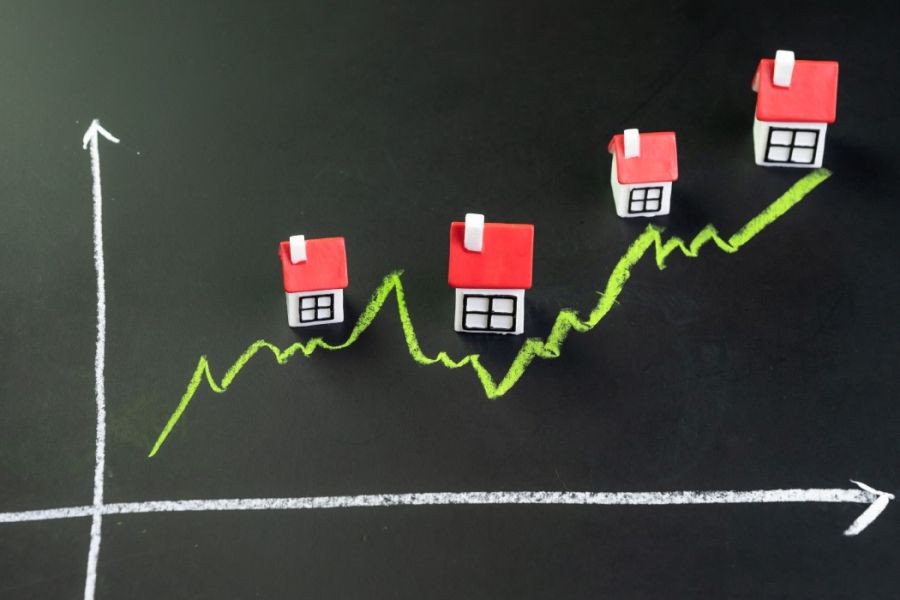







In the rapidly evolving landscape of Australian real estate investment, understanding rental yield is crucial for residential investors seeking to optimize returns. However, the calculation and analysis of rental yields can often be complex and misunderstood. This article offers an in-depth guide for Australian residential investors, focusing on rental yield analysis videos as a strategic tool for enhancing investment insights. Our aim is to provide a comprehensive understanding of rental yields within the Australian context, backed by data-driven insights and expert commentary.
Understanding Rental Yields: The Basics
- Definition: Rental yield is a key metric that measures the return on investment (ROI) from rental property, expressed as a percentage of the property's value.
- Calculation: It is calculated by dividing the annual rental income by the property's market value and multiplying by 100.
- Importance: Rental yield provides investors with a quick snapshot of potential income relative to property value, helping to assess investment viability.
Why Rental Yield Matters in Australia
The Australian property market presents unique challenges and opportunities, characterized by fluctuating property prices, diverse regional growth rates, and varying demand-supply dynamics. According to the Australian Bureau of Statistics (ABS), the country's housing market has experienced significant shifts in recent years, with urban centers like Sydney and Melbourne showing contrasting trends compared to regional areas. Understanding rental yield is essential for navigating these complexities and making informed investment decisions.
Pros and Cons of Focusing on Rental Yield
✅ Pros:
- Income Generation: High rental yields can provide consistent cash flow, essential for covering mortgage repayments and other expenses.
- Market Insight: Analyzing rental yields helps investors identify undervalued properties and emerging markets.
- Financial Planning: Provides a clear metric for comparing different investment opportunities and planning long-term financial goals.
- Risk Mitigation: Understanding yields can help mitigate risks associated with property value fluctuations.
❌ Cons:
- Short-term Focus: Overemphasis on rental yield can lead to ignoring long-term capital growth potential.
- Market Volatility: Rental yields can fluctuate due to market dynamics, regulatory changes, and economic factors.
- Overlooked Costs: Focusing solely on rental yield may lead to underestimating ongoing property management and maintenance costs.
- Regulatory Challenges: Changes in government policies, such as rental caps or tax laws, can impact rental yields.
Case Study: Maximizing Rental Yield in Sydney
Problem:
A mid-sized real estate investment firm in Sydney struggled to achieve optimal rental yields in the competitive market. Despite high property prices, their rental income remained below expectations, impacting overall ROI.
Action:
- The firm conducted a comprehensive rental yield analysis using data-driven videos that visualized market trends and tenant demand patterns.
- They leveraged AI tools to predict tenant preferences and adjust rental pricing strategies accordingly.
- Implemented targeted marketing campaigns to attract high-quality tenants willing to pay premium rents.
Result:
- Rental yields increased by 15% within six months, surpassing market averages.
- Tenant turnover decreased by 20%, reducing vacancy periods and enhancing cash flow stability.
- Overall ROI improved by 12%, driven by higher rental income and efficient property management.
Takeaway:
This case study demonstrates the power of data visualization and predictive analytics in maximizing rental yields. Australian investors can adopt similar strategies to enhance investment returns, especially in competitive urban markets.
Common Myths About Rental Yield Analysis
Myth 1: High Rental Yield Equals High Profit
Reality: While high rental yield is indicative of good income, it does not always equate to high profit. Investors must consider expenses such as property maintenance, taxes, and insurance which can impact net returns.
Myth 2: Only Inner-City Properties Yield Good Returns
Reality: Regional areas can offer competitive yields, often with lower entry costs. According to CoreLogic, regional markets have shown strong rental growth, challenging the notion that inner-city properties are always superior.
Myth 3: Rental Yield Is the Only Metric That Matters
Reality: While important, rental yield should be considered alongside capital growth, market trends, and investment strategy to make comprehensive investment decisions.
Biggest Mistakes to Avoid in Rental Yield Analysis
- Ignoring Market Trends: Failing to consider local market conditions can lead to misguided investment decisions. Stay updated with reports from the ABS and other reliable sources.
- Overlooking Expenses: Accurate yield analysis must include all associated costs. Utilize detailed spreadsheets or financial management software to ensure comprehensive calculations.
- Underestimating Tenant Preferences: Understanding tenant demand is crucial. Use tools like surveys or AI analytics to gather insights into tenant needs and preferences.
- Neglecting Regulatory Changes: Keep abreast of policy updates from the ACCC and ATO to understand their impact on rental returns.
Future Trends in Rental Yield Analysis
The future of rental yield analysis will be shaped by technological advancements and evolving market conditions. According to a recent Deloitte report, the integration of AI and big data analytics will revolutionize how investors assess rental properties, offering deeper insights into tenant behavior and market dynamics. Additionally, the rise of ESG (Environmental, Social, and Governance) criteria will influence investment decisions, as sustainability becomes a priority for tenants and investors alike.
Conclusion
As the Australian real estate market continues to evolve, rental yield analysis remains a critical tool for residential investors. By leveraging data-driven insights and adapting to market trends, investors can enhance their decision-making processes and achieve optimal returns. It is essential to balance rental yield considerations with other investment metrics to ensure long-term success. Engage with industry experts, utilize advanced analytical tools, and stay informed about regulatory developments to maximize your investment potential.
What's Next?
Are you ready to enhance your property investment strategy? Join our exclusive Australian Real Estate Insights newsletter to receive the latest market trends, expert analysis, and actionable tips directly to your inbox. Share your thoughts on rental yield analysis in the comments below, and connect with other investors on LinkedIn to expand your network.
People Also Ask
- How does rental yield impact property investment in Australia? Rental yield provides insight into potential income versus property value, crucial for assessing investment viability and guiding financial planning.
- What are the biggest misconceptions about rental yield? Many believe high rental yield equals high profit, but it's essential to consider all associated expenses and market conditions for accurate analysis.
- What strategies can enhance rental yield in Australia? Utilizing data-driven insights, predictive analytics, and understanding tenant preferences can significantly improve rental yield outcomes.
Related Search Queries
- Understanding Rental Yields in Australia
- Top Investment Strategies for Australian Real Estate
- How to Calculate Rental Yield for Australian Properties
- Maximizing Rental Returns in Sydney
- Regional vs. Urban Property Investment in Australia
For the full context and strategies on Rental Yield Analysis Videos for Australian Residential Investors, see our main guide: Australian Property Real Estate.