





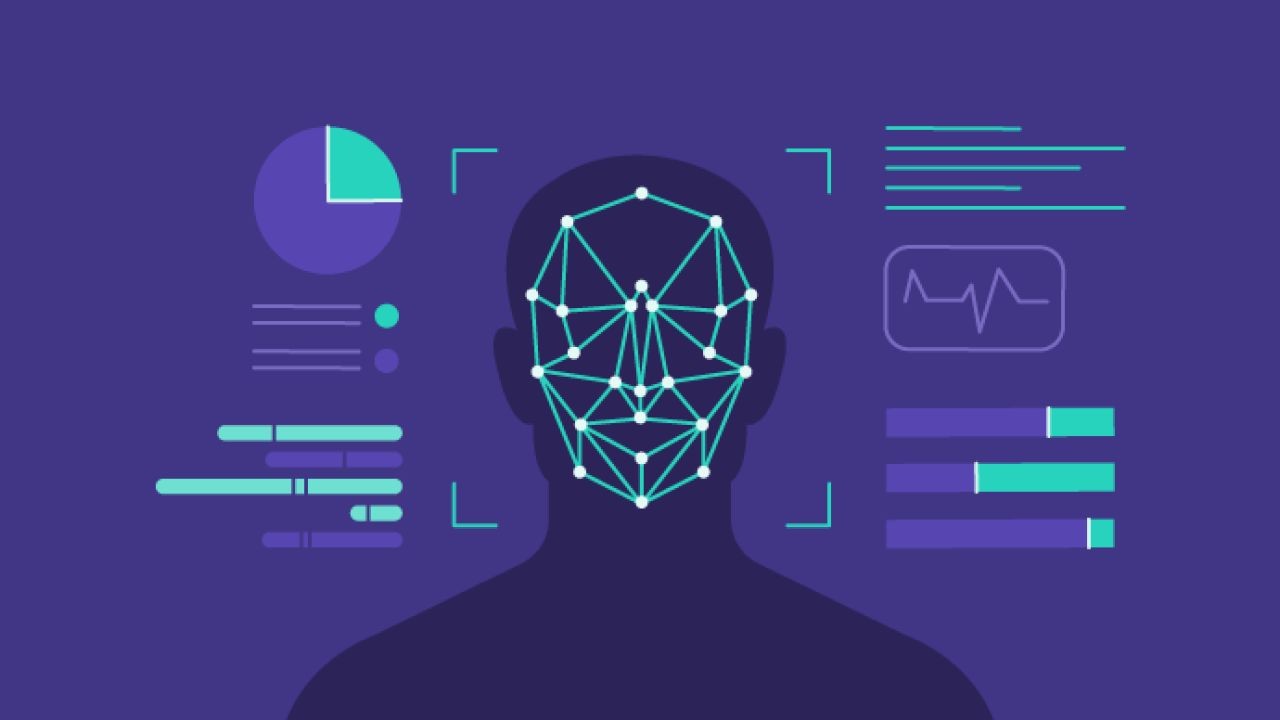
Today, artificial intelligence (AI) technologies are increasingly integrated into various sectors, including healthcare. However, the rapid adoption of AI-powered facial recognition technology raises significant ethical, privacy, and security concerns, particularly in Australia. This article explores these hidden risks, providing healthcare consultants with the insights needed to navigate this evolving landscape.
The Rise of AI-Powered Facial Recognition
AI-powered facial recognition technology has made significant strides in recent years, offering benefits such as enhanced security, streamlined identification processes, and improved customer experiences. In Australia, industries ranging from finance to healthcare are integrating this technology to enhance service delivery. According to the Australian Bureau of Statistics (ABS), the use of AI in Australian businesses increased by 15% in 2023, reflecting the growing trend of digital transformation.
Benefits and Applications in Healthcare
In healthcare, AI-powered facial recognition offers numerous benefits. It can streamline patient check-ins, enhance security by verifying identities, and even assist in diagnosing certain medical conditions by analyzing facial features. However, these advancements come with significant risks that must be addressed.
Hidden Risks and Ethical Concerns
While the potential benefits of AI in healthcare are substantial, the risks cannot be overlooked. Privacy concerns are paramount, as facial recognition technology collects and stores sensitive biometric data. This data, if mishandled, can lead to breaches of patient confidentiality and misuse of personal information.
Case Study: Misuse and Consequences
An example from the United States highlights the potential misuse of facial recognition technology. In 2022, a major healthcare provider faced a lawsuit after it was discovered that facial recognition data had been shared with third-party advertisers without patient consent. Although this incident occurred overseas, it serves as a cautionary tale for Australian healthcare providers.
Regulatory Landscape in Australia
The Australian Competition & Consumer Commission (ACCC) has been closely monitoring the use of AI technologies, emphasizing the importance of consumer protection and data privacy. As of now, Australia lacks specific legislation governing the use of facial recognition in healthcare. However, the Office of the Australian Information Commissioner (OAIC) has issued guidelines to ensure the technology's ethical use, emphasizing the need for informed consent and secure data handling.
Comparative Analysis: Global vs. Australian Adoption
Globally, countries like China and the United States have embraced facial recognition technology, albeit with varying degrees of regulatory oversight. In Australia, the adoption rate is more cautious, reflecting a societal emphasis on privacy and ethical considerations. A report by Deloitte suggests that while Australian businesses are keen to integrate AI technologies, they prioritize compliance with ethical standards and consumer trust.
Pros and Cons of AI-Powered Facial Recognition
Understanding the advantages and disadvantages of facial recognition technology is crucial for healthcare consultants advising clients on its implementation.
- Pros:
- Enhanced Security: Improved identity verification reduces the risk of fraud.
- Efficiency: Streamlined processes can lead to faster patient check-ins and better resource allocation.
- Innovation: Potential to revolutionize diagnostics by identifying conditions through facial analysis.
- Cons:
- Privacy Concerns: Risk of data breaches and misuse of biometric information.
- Bias and Inaccuracy: Potential for algorithmic bias, leading to misidentification, especially among minority groups.
- Regulatory Challenges: Lack of comprehensive legislation can lead to ethical dilemmas.
Debunking Myths: Common Misconceptions
- Myth: Facial recognition is completely accurate.
- Reality: Studies show that facial recognition algorithms can have error rates of up to 34% in certain demographics (Source: University of Melbourne, 2023).
- Myth: Facial recognition data is always secure.
- Reality: Without proper safeguards, biometric data is susceptible to breaches, as evidenced by the 2022 cybersecurity incidents in Australia.
Strategies for Mitigating Risks
To mitigate risks, healthcare organizations in Australia should adopt a proactive approach. Implementing robust data encryption, ensuring transparent data use policies, and adhering to ethical guidelines are essential steps. Furthermore, involving stakeholders in discussions about AI governance can foster trust and accountability.
Future Trends and Predictions
The future of AI-powered facial recognition in healthcare is promising but requires careful consideration of ethical and privacy issues. By 2026, it is anticipated that Australia will introduce specific regulations governing the use of biometric technologies in healthcare, aligning with global standards to ensure ethical use and consumer protection.
Conclusion and Call to Action
AI-powered facial recognition technology offers significant potential benefits to the healthcare sector in Australia, but it comes with inherent risks that need careful management. Healthcare consultants must guide their clients through the complex regulatory landscape, ensuring ethical use and robust data protection measures are in place. As the industry evolves, staying informed and proactive will be crucial in leveraging AI technologies effectively.
Want to explore more about the integration of AI in healthcare? Join our newsletter for exclusive insights and updates!
People Also Ask
How does AI-powered facial recognition impact healthcare in Australia?AI-powered facial recognition improves patient verification and streamlines processes, but it raises privacy concerns that need ethical management.
What are the main risks of facial recognition technology?The primary risks include privacy breaches, data misuse, and potential algorithmic bias and inaccuracies.
Related Search Queries
- AI facial recognition in healthcare
- Australia's AI technology policies
- Facial recognition privacy concerns
- AI in Australian healthcare
- Data protection in healthcare