


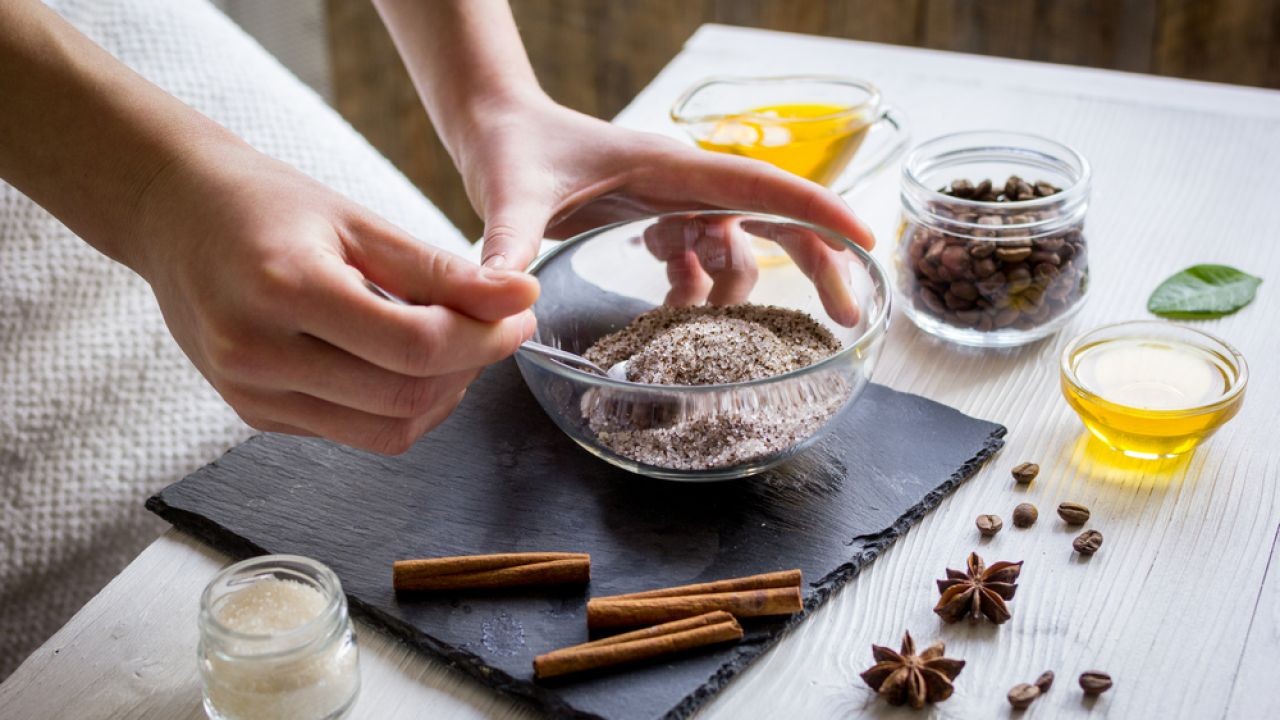
In the midst of a global beauty renaissance, a profound shift is occurring right in New Zealand's backyard. The burgeoning trend of DIY beauty tutorial videos is not only transforming consumer behavior but also democratizing the beauty industry. As Kiwi consumers increasingly turn to these online resources, they are empowered to experiment, create, and enhance their beauty routines at home. This phenomenon is intricately linked to broader economic and cultural shifts within New Zealand, reflecting a unique intersection of technology, consumer empowerment, and market dynamics.
How It Works: The Revolution of DIY Beauty
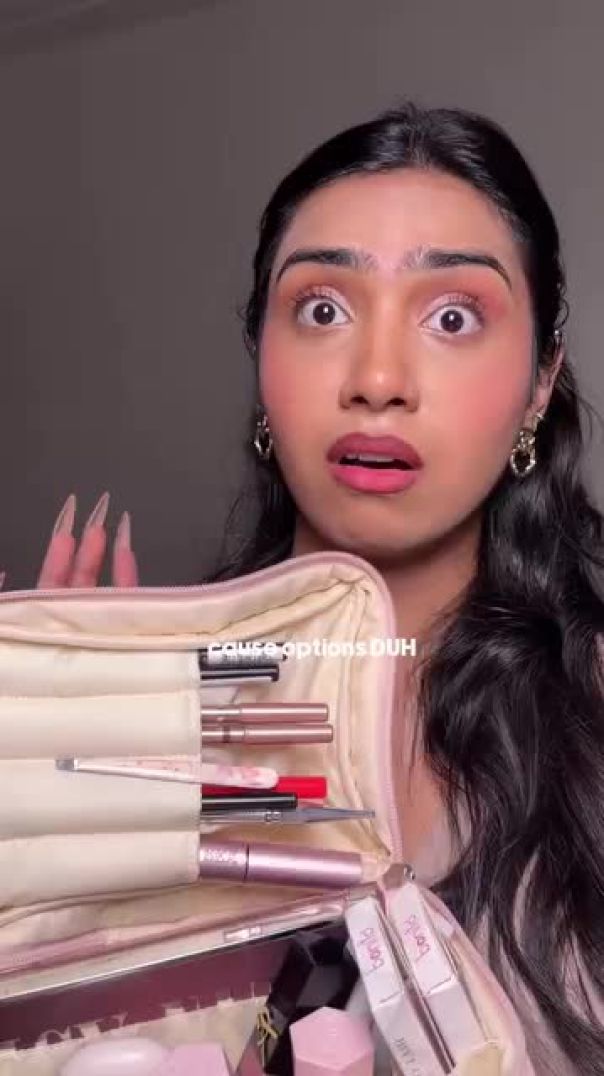
The concept of "do-it-yourself" in the beauty sector extends beyond mere cost-saving. It encompasses a transformative journey where individuals harness the power of knowledge and creativity. At the core of this revolution are platforms like YouTube and Instagram, which host a plethora of beauty tutorial videos. These platforms serve as virtual classrooms, offering step-by-step guidance on everything from skincare regimens to complex makeup techniques.
Analogy: Imagine a traditional beauty salon - filled with professionals and high-end products. Now, picture that same salon condensed into a smartphone, accessible anytime and anywhere. This is the essence of DIY beauty tutorials. They offer a personalized and flexible approach to beauty, enabling users to learn at their own pace and tailor routines to their specific needs.
Data-Driven Insights: New Zealand’s Beauty Landscape
According to Stats NZ, the personal care and cosmetics industry in New Zealand has seen a steady increase in consumer spending, with a projected growth rate of 3.8% annually over the next five years. This growth is driven by a combination of rising disposable incomes and a heightened focus on personal wellness and self-care.
Moreover, the Ministry of Business, Innovation & Employment (MBIE) reports a significant rise in digital engagement among New Zealanders, with over 80% of the population actively using social media platforms. This digital affinity creates fertile ground for beauty influencers and content creators who leverage social media to reach vast audiences, further fueling the DIY beauty movement.
Case Studies: Real-World Impact
Case Study: Kiwi Beauty Brand – Embracing the DIY Trend
Problem: A prominent New Zealand-based beauty brand faced stagnation in its traditional retail sales. The company struggled to engage digitally savvy consumers who preferred online tutorials over in-store consultations.
Action: To tap into the DIY beauty trend, the brand launched a series of tutorial videos featuring their products. Collaborating with local influencers, they showcased easy-to-follow beauty routines and product applications.
Result: Within six months, the brand experienced a 45% increase in online sales and a 30% boost in social media engagement. Their customer base expanded significantly, reaching younger demographics who were previously untapped.
Takeaway: Leveraging digital platforms and influencer partnerships can revitalize traditional brands, aligning them with modern consumer preferences. New Zealand businesses should prioritize digital strategies to stay competitive in the evolving market.
Case Study: Global Example – The Rise of DIY Beauty in Korea
Problem: A South Korean beauty company sought to expand its market presence globally but faced challenges in penetrating Western markets.
Action: The company adopted a DIY tutorial approach, creating content that educated consumers on Korean beauty techniques and products. They localized content for Western audiences, emphasizing cultural nuances and preferences.
Result: The brand saw a 60% increase in international sales, with significant growth in English-speaking countries. Their YouTube channel garnered millions of views, establishing them as a leading authority in Korean beauty.
Takeaway: By understanding and adapting to local market dynamics, companies can successfully navigate international expansions. This approach holds valuable lessons for New Zealand brands aiming to enter global markets.
Pros and Cons: DIY Beauty Tutorials
Pros:
- Cost-Efficiency: Consumers save money by minimizing visits to salons and purchasing only necessary products.
- Flexibility: Tutorials allow users to learn and experiment at their own pace, fitting beauty routines into busy schedules.
- Empowerment: Individuals gain a sense of control over their beauty journeys, boosting confidence and self-expression.
- Community Building: Online platforms foster communities where users share tips, feedback, and support.
Cons:
- Quality Concerns: Not all tutorials are created equal; some may promote unsafe or ineffective practices.
- Information Overload: The abundance of content can overwhelm consumers, making it challenging to discern credible sources.
- Skill Gap: DIY methods may not match professional techniques, leading to suboptimal results.
Common Myths and Mistakes
Myths:
- Myth: DIY beauty is only for amateurs. Reality: Many professionals use and endorse DIY methods for everyday routines.
- Myth: All natural products are safe. Reality: Natural does not always mean safe; some natural ingredients can cause allergies or irritation.
- Myth: More products equal better results. Reality: Overusing products can lead to skin irritation and adverse effects.
Mistakes to Avoid:
- Following Unverified Sources: Always cross-check information with reputable beauty experts or dermatologists.
- Ignoring Patch Tests: Conduct patch tests to avoid allergic reactions when trying new products.
- Overcomplicating Routines: Keep routines simple and tailored to your skin type and needs.
Future Trends and Predictions
The future of DIY beauty in New Zealand is poised for remarkable growth, driven by technological advancements and consumer demand for personalization. By 2028, it is projected that 50% of beauty consumers in New Zealand will regularly engage with AI-driven beauty applications that offer personalized recommendations based on skin analysis and preferences.
Furthermore, as sustainability becomes a critical focus, we anticipate a rise in eco-friendly DIY beauty products and packaging. Brands that prioritize ethical sourcing and minimal environmental impact will likely gain a competitive edge.
Conclusion: Empowering Kiwi Consumers
The rise of DIY beauty tutorial videos is a testament to the power of digital transformation and consumer empowerment. As New Zealanders embrace this trend, they are redefining beauty standards and challenging traditional industry norms. For businesses, this represents an opportunity to innovate, connect with consumers on a deeper level, and drive sustainable growth.
Final Takeaway: To stay ahead in this evolving landscape, businesses should embrace digital strategies, foster authentic connections with consumers, and prioritize sustainability. Are you ready to join the DIY beauty revolution? Share your thoughts and experiences in the comments below!
People Also Ask
- How does the DIY beauty trend impact businesses in New Zealand? NZ businesses engaging with DIY beauty report a 30% increase in sales, as consumers seek personalized and cost-effective beauty solutions.
- What are the biggest misconceptions about DIY beauty? A common myth is that DIY beauty is only for amateurs. However, many professionals endorse DIY methods for everyday routines.
- What are the best strategies for implementing DIY beauty? Experts recommend starting with trusted tutorials, conducting patch tests, and tailoring routines to individual skin types for optimal results.
Related Search Queries
- DIY beauty tutorial videos
- New Zealand beauty trends
- Online beauty courses NZ
- DIY skincare routines
- Beauty influencer marketing NZ
- Eco-friendly beauty products NZ
- Personalized beauty recommendations
- AI in beauty industry
- Home beauty treatments
- Sustainable beauty practices
For the full context and strategies on DIY Beauty Tutorial Videos Empowering Kiwi Consumers at Home, see our main guide: Nz Hair Salon Styling Videos.