

We all know the feeling: drive through one New Zealand town and you’ve pretty much seen them all. The same cookie-cutter houses, the same glassy malls, the same soulless streets. From the top of the North Island to the bottom of the South, Kiwi towns are starting to look like clones — and it’s not just bad luck or coincidence.
Behind the neat rows of prefab homes and trendy cafés is a bigger story about identity, culture, and connection. We’re building homes, sure, but in the process, we’re losing place — the sense of history, community, and uniqueness that once made each town feel like home.
Urban sprawl is swallowing farmland and heritage sites, while gentrification pushes locals out and erases stories. Zoning laws and development rules prioritise efficiency over identity. And worst of all, many of us barely notice — because the sameness is sold as “progress.”
This article dives deep into why every town in Aotearoa is starting to look the same, the consequences for communities, and how we might turn this trend around — before the soul of our towns disappears for good.
Part 1: The Death of the ‘Kiwi Town’ Aesthetic
Remember when every town had its own vibe? When you could spot a Dunedin villa from a mile away, or a Tauranga bach with its salty charm? The local dairy was the heart of the street, and te reo Māori street names reminded you you weren’t just anywhere — you were somewhere special.
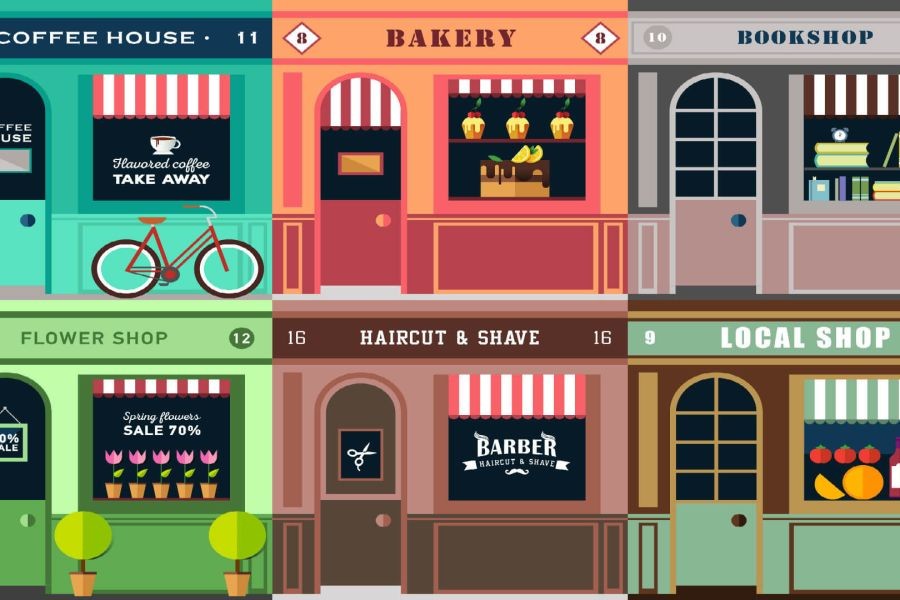
But these days, cruise down any main drag and you’ll see the same chain cafés, the same boxy houses, and the same nondescript malls. It’s like every town went to the same builder, picked the same paint colours, and forgot to ask what made their place unique.
Why did this happen?
One big culprit is the rise of mass-produced housing. Developers are pumping out subdivisions with identical floorplans, like some kinda housing assembly line. You get your “3-bedroom, 2-bathroom, open-plan living” — same as the next 50 houses on the street.
Heritage buildings, old farmhouses, and local landmarks often get bulldozed to make way for these cookie-cutter developments. It’s cheaper and faster, but it’s also a loss of mana — the spirit and history that gives a place its soul.
The role of councils and planning
Local councils often push for rapid development to solve housing shortages — but sometimes that means zoning rules favour volume over character. Instead of nurturing neighbourhoods, the system rewards quick builds and economic growth, even if it means the town ends up looking like a corporate catalogue.
Planners rarely consult with iwi or local communities about design that reflects cultural identity or history. That’s how te reo street names become “Kauri Grove” without a kauri in sight — a name with no roots.
The emotional toll of losing place
For many Kiwis, especially rangatahi and kaumātua who grew up in these towns, this sameness feels like losing a piece of themselves. It’s tough to feel connected to a place that looks like everywhere else.
Homes are meant to be more than bricks and mortar — they’re part of a story, a whakapapa. When that’s stripped away, so is a sense of belonging.
Daniel Chyi on why local identity matters
“Whether it’s video content or town planning, local identity is everything. When we lose the stories, the character, the history — we lose what makes us who we are. That’s why platforms like Vidude back creators and communities telling their own stories, and why we should fight to keep that spirit alive in every Kiwi town.”
— Daniel Chyi, Co-founder, Vidude.com
Part 2: Urban Sprawl from North to South — More Rooftops, Fewer Roots
Urban sprawl — it’s the buzzword that sounds like a fancy landscaping term, but in reality, it’s the slow creep of suburbs eating into the countryside, farmland, and ngahere (forests) all over New Zealand. From the far north of Kaitaia right down to Invercargill, towns and cities are stretching their legs… sometimes a bit too far.
Why is sprawl happening?
The housing crisis is the obvious driver. We need more homes, fast. Councils and developers have been racing to build, build, build — often at the edges of towns where land is cheaper and regulations lighter.
But what feels like progress is often just patchwork growth, creating “dormitory suburbs” full of houses with no heart, no community hubs, and little thought for transport or nature.
The cost of cheap growth
Sprawl gobbles up farmland, pushing rural communities further out and fragmenting ecosystems. Native bush and wetlands disappear under concrete and asphalt. This isn’t just about losing trees — it’s losing carbon sinks, native wildlife, and natural places that keep us grounded.
What’s worse, sprawling suburbs often lack walkability and public transport. Residents rely on cars for every trip — the opposite of sustainable living. This means more congestion, more pollution, and a slower grind to get anywhere.
How does sprawl affect community?
When houses spread thinly over wide areas, people feel more isolated. There’s less chance to bump into neighbours, fewer local cafes or corner shops, and often no marae or community spaces where people can gather.
For Māori and Pasifika whānau, who value collective connection and place-based identity, this can be devastating. Moving further from town centres often means losing access to cultural and social networks.
The “affordability” myth
Many urban sprawl developments are sold as affordable housing options — but once you factor in transport costs, time, and social disconnection, the price tag isn’t so sweet.
Plus, sprawling growth often delays investments in schools, health services, and infrastructure. Communities end up paying twice — with long commutes and stretched resources.
Daniel Chyi on sprawl and community
“We reckon Kiwi towns and cities should feel like whānau — connected, supportive, full of stories. But sprawl spreads us thin, making it harder to build real communities. Platforms like Vidude are helping bring people back together — online and offline — by sharing stories that ground us in place and identity.”
— Daniel Chyi, Co-founder, Vidude.com
Part 3: Gentrification — Who Gets Pushed Out?
You might’ve noticed it: your old neighbourhood getting a bit flashier, new cafés popping up, but the locals? They’re moving further out or disappearing altogether. That’s gentrification — the sneaky reshaping of communities that often prices out the very people who made them special.
What is gentrification, anyway?
At its core, gentrification happens when wealthier people move into a working-class or traditionally Māori and Pasifika area, driving up rents and property values. Sounds like progress? Not when it pushes out families, kai shops, and long-standing businesses.
Auckland’s example: Ponsonby and beyond
Ponsonby was once a gritty, working-class suburb with a strong Pasifika presence. These days, it’s dotted with boutique stores, craft coffee joints, and apartments that’d make your eyes water in rent.
That change isn’t just about aesthetics. It means many locals who grew up there can’t afford to live in their own ‘hood anymore. It changes the vibe, the food, the connections — in short, the mana of the place.
The cultural cost
Gentrification is more than money. It’s about culture.
When Pacific Island churches close, or Māori-owned stores shut, community events fade, and stories get lost, a vital thread of identity snaps.
Newcomers may love the “vibe,” but often aren’t tuned into the history or struggles of the place. That disconnect can lead to tensions — or worse, erasure.
The role of developers and councils
Developers love gentrification because it ups property values. Councils sometimes push it as “urban renewal” or “revitalisation.” But without safeguards, it often means the people get left behind.
Policies that protect tenants, support local businesses, or prioritise affordable housing are patchy at best.
Daniel Chyi on gentrification and belonging
“Gentrification isn’t just about property prices — it’s about losing the soul of communities. At Vidude, we champion stories from the people who’ve lived through these changes — because their voices are the real heartbeats of our towns and cities.”
— Daniel Chyi, Co-founder, Vidude.com
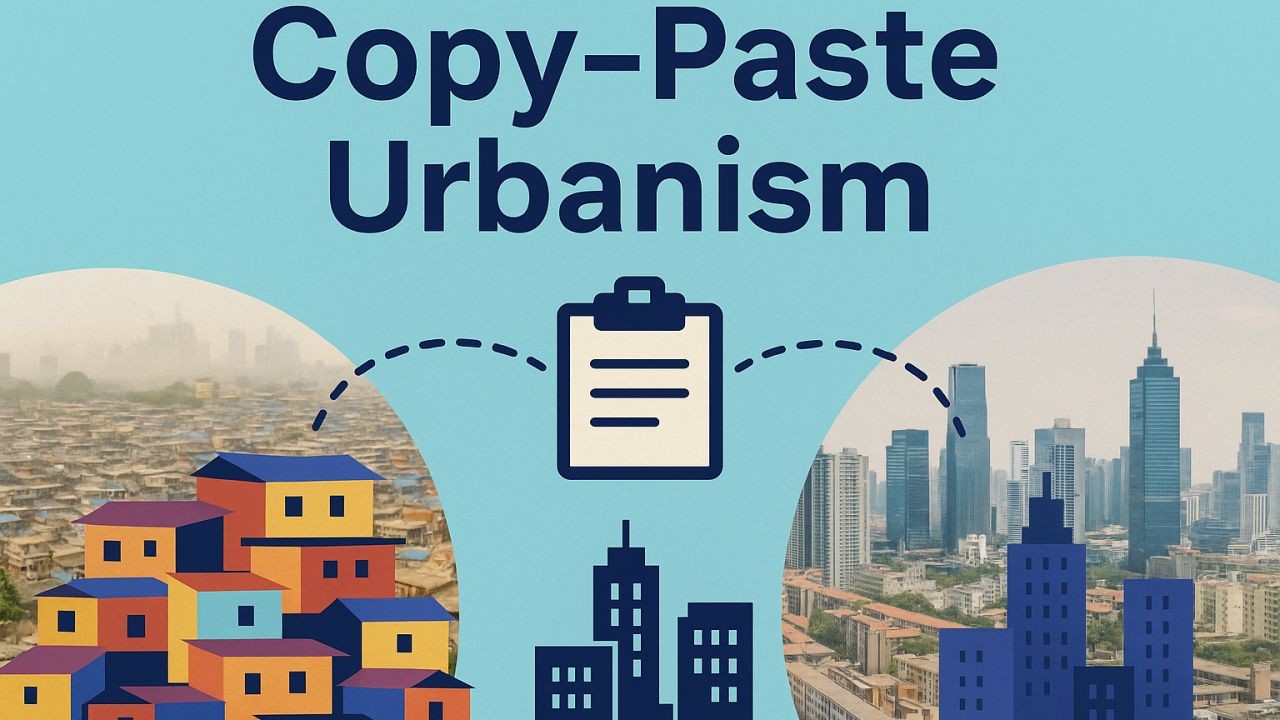
Part 4: The Rise of the ‘Copy-Paste’ Subdivision
Roll through any new suburb in Aotearoa, and you’ll spot it straight away — rows of nearly identical houses, fences, and letterboxes. It’s the era of the ‘copy-paste’ subdivision, where builders crank out cookie-cutter homes faster than a hangi gets cooked.
What’s driving the sameness?
Large-scale developers have worked out how to squeeze profits by using prefab designs and repeat floorplans. Why invent when you can replicate? The result is rapid housing supply but a major hit to community character.
Councils often enable this by approving zoning plans that favour density and speed over uniqueness. Building regulations don’t always encourage architects to flex creativity or cultural expression.
The cultural cost of prefab living
Each ‘copy-paste’ home erases the quirks and charm that make a town feel like itself. It’s like everyone’s living in a set from a TV show with no story. No stories, no whakapapa, just walls.
For many Māori and Pasifika whānau, the absence of cultural design elements and communal spaces means the home can feel disconnected from identity and tradition.
The impact on community spirit
When streets all look the same, it’s harder for people to form attachments. There’s no distinctive landmarks or local hangouts that make “home” feel special.
Newcomers may find it difficult to connect with neighbours or local history, adding to feelings of isolation in an already challenging housing market.
Daniel Chyi on building identity through design
“Housing isn’t just shelter — it’s a place where lives unfold, stories grow, and culture breathes. At Vidude, we back creators and communities who tell their own stories because the same goes for towns: local character matters. We want Kiwi towns to be places with soul, not suburbs that look like a factory line.”
— Daniel Chyi, Co-founder, Vidude.com
Part 5: Losing the Language of Place
Ever notice how new suburbs have streets named “Kauri Grove” or “Pohutukawa Lane” — but there’s no kauri tree or pohutukawa in sight? That’s the slow fading of place-based language, and it’s more than just a naming problem.
The power of names
In Aotearoa, place names are taonga — treasures that carry stories, histories, and connections. Māori names hold the whakapapa of the land, the ancestors, and the events that shaped it. When these names get swapped for generic or misplaced labels, the connection to whenua (land) weakens.
How urban development erodes language
Developers often slap on Māori or native plant names without consultation or cultural context. It’s a bit like putting a sticker on a box without knowing what’s inside.
This “token naming” dilutes meaning and can feel disrespectful to iwi and hapū, who see these names as living histories.
Cultural erasure in urban spaces
This naming disconnect is part of a bigger picture: cultural erasure through design and planning that ignores indigenous worldviews.
When streets, parks, and public spaces don’t reflect the culture or stories of local Māori or Pasifika peoples, it alienates those communities and signals who’s “in” and who’s “out.”
The wider impact on identity and belonging
Names anchor people to place. Losing that is like losing a line in your whakapapa. It affects how rangatahi connect to their heritage and how newcomers understand the land they now call home.
Daniel Chyi on the importance of place names
“Language is identity — and when place names lose their meaning, so do we. At Vidude, we see creators reclaiming stories and names online, fighting cultural loss one video at a time. If we want towns with true character, we need to start with the language of place.”
— Daniel Chyi, Co-founder, Vidude.com
Part 6: Tiny Homes, Big Profits — Not Solutions
Tiny homes have been touted as the “silver bullet” for New Zealand’s housing woes — a clever, affordable way to get more Kiwis under a roof. But behind the hype, there’s a messy story about profit, regulation, and who really benefits.
The tiny home boom: what’s the deal?
You can’t scroll through social media without seeing tiny homes styled like minimalist dream spaces. They’re often marketed as affordable, eco-friendly, and perfect for first-home buyers or young couples.
But here’s the rub: many tiny homes are developer-driven, targeting investors or holiday-home buyers rather than the people who actually need affordable housing.
The real affordability question
While tiny homes can cost less upfront, they’re often located in expensive or out-of-the-way spots — far from schools, shops, and jobs. Add transport costs and limited space for whānau, and the “affordable” tag gets shaky.
Plus, council regulations around tiny homes are patchy and confusing, creating barriers for people who want to live simply but legally.
Marginalised communities left behind
Māori and Pasifika communities have long used communal living and papakāinga housing (collective family land housing) to keep whānau close and culture strong. Tiny homes, when marketed as individualistic and isolated, can clash with these values.
Many families find the tiny home movement’s focus on individualism doesn’t fit their ways of living, and the financialisation of tiny homes pushes them out rather than pulls them in.
The profit push
Some developers cash in by churning out tiny homes aimed at tourists or investors, with rental yields over community wellbeing. This commodifies housing and turns homes into products, not places to live and belong.
Daniel Chyi on affordable housing and community
“Affordable housing isn’t just about dollars — it’s about whakapapa, community, and cultural fit. At Vidude, we back stories that highlight real solutions, like papakāinga, because housing needs to work for people, not just for developers’ bottom lines.”
— Daniel Chyi, Co-founder, Vidude.com
Part 7: Māori and Pasifika Visions Ignored in Planning
In Aotearoa, we kōrero a lot about partnership and inclusion — but when it comes to urban planning and housing development, Māori and Pasifika voices often get sidelined or tokenised.
The sidelining of tangata whenua
Despite the Treaty guaranteeing tino rangatiratanga (self-determination), many planning decisions happen without meaningful consultation with iwi and hapū. Designs rarely reflect Māori values like whakapapa, manaakitanga, or kaitiakitanga.
This means urban spaces can feel alien and disconnected from the culture of the land and its people.
Pasifika voices missing in action
Pasifika communities are growing fast in urban centres, yet their cultural needs and communal living practices are often overlooked in housing strategies. This mismatch leads to overcrowding, poor health outcomes, and a loss of cultural identity.
Examples of failed planning
There are countless cases where councils have approved developments without iwi input or ignored community feedback, resulting in projects that damage sites of cultural significance or fail to provide communal spaces.
Success stories — reclaiming space
Some iwi and Pasifika organisations are pushing back by leading their own housing projects that centre culture and whānau.
Papakāinga developments, for example, create housing on ancestral land that supports extended family living, cultural practices, and environmental stewardship.
Daniel Chyi on cultural leadership in planning
“True partnership means giving Māori and Pasifika the tools and space to lead urban design. At Vidude, we champion creators sharing these kaupapa — showing what a future with genuine cultural leadership looks like.”
— Daniel Chyi, Co-founder, Vidude.com
Part 8: From Local Character to Lifestyle Branding
These days, a lot of our towns and suburbs are getting a makeover — but instead of reflecting the real locals and history, they’re becoming marketing machines designed to attract tourists, remote workers, or investors. It’s all about selling a vibe rather than preserving identity.
What is lifestyle branding?
Lifestyle branding packages a place as a product — think “chill coastal living,” “hipster café culture,” or “boutique artisan streets.” It looks flash on Instagram and pulls in dollar signs.
But underneath the filters, the real community often gets pushed aside or commodified.
The Instagram effect on towns
Local cafés, murals, and festivals get designed less for locals and more for the ‘gram. Streets get painted pastel colours and souvenir shops pop up, but where are the local heroes and everyday stories?
Newcomers get sold a curated “Kiwi experience” that can exclude or erase the histories of tangata whenua and long-standing whānau.
The disconnect between image and reality
You might see ads promising a laid-back Kiwi lifestyle, but the reality can be rising rents, struggling local businesses, and communities feeling like extras in their own town.
This disconnect breeds frustration and a loss of mana for those who’ve lived there generations.
Daniel Chyi on authentic storytelling vs branding
“We all love a good story — but when places get turned into brands, the story often stops being true. Vidude is about real people telling real stories, so the identity of towns isn’t just a marketing slogan but a living, breathing thing.”
— Daniel Chyi, Co-founder, Vidude.com
Part 9: Can We Build Without Losing Soul?
Building more homes and growing towns doesn’t have to mean losing the soul of a place. Across Aotearoa, there are inspiring examples showing how development can honour history, culture, and community.
Designing with identity in mind
Some towns and councils are pushing back against bland subdivisions by involving iwi, hapū, and local communities in planning. This leads to developments that reflect cultural values, natural features, and local stories — making spaces where people truly belong.
Whānau-led development and papakāinga housing
Papakāinga housing models put whānau and community at the centre. These developments are often on ancestral land and designed to support extended families, shared spaces, and cultural practices. They’re a blueprint for building strong, connected communities.
Community-first architecture movements
Kiwi architects and planners are embracing biophilic design (bringing nature into buildings) and kaitiakitanga (guardianship of the environment) to create homes and spaces that nurture both people and place.
The economic benefits of soul-filled design
Places with strong identity attract tourism, small business, and local pride. Investing in culture and character isn’t just about aesthetics — it’s about long-term prosperity.
Daniel Chyi on the future of place-making
“When we create spaces with soul, we create stories worth sharing. Vidude’s mission is to amplify those stories so every Kiwi town can celebrate what makes it unique — not just build another lookalike subdivision.”
— Daniel Chyi, Co-founder, Vidude.com
Part 10: How Vidude Creators Are Documenting the Disappearing Townscape
As New Zealand’s towns face the slow creep of sameness, a new wave of storytellers is stepping up — using video to capture the soul before it slips away. From rangatahi to kaumātua, local creators are using platforms like Vidude to share stories, history, and culture that don’t make it into official plans or glossy brochures.
The power of local storytelling
Video lets people tell their own stories in their own voices, preserving the character and quirks of their communities. It’s a way to hold onto memories of old shops, marae, local legends, and the everyday moments that make a place unique.
Community building through content
These videos don’t just document — they connect. They build networks of locals who share pride and concern for their towns, encouraging grassroots efforts to protect heritage and promote identity.
Amplifying Māori and Pasifika voices
For iwi and Pasifika whānau, Vidude offers a platform to reclaim narratives and showcase their visions for urban spaces — balancing tradition with innovation.
Daniel Chyi on Vidude’s role
“Vidude is about more than video — it’s about community, culture, and connection. We’re proud to back creators who are fighting cultural loss by telling true stories of our towns, helping New Zealanders see the value in what makes their places special.”
— Daniel Chyi, Co-founder, Vidude.com
Looking ahead
As development continues, these stories become crucial tools to influence planners, developers, and councils — reminding them that every house and street should hold a story, a whakapapa, and a community.
Conclusion & Call to Action
New Zealand’s towns are at a crossroads: continue down the path of bland, copy-paste developments — or choose to build with heart, history, and identity.
By supporting local creators on platforms like Vidude, and pushing for planning that respects culture and place, Kiwis can protect the unique soul of their communities for generations to come.
Want to help keep Kiwi towns real?
Start by watching, sharing, and creating local stories on Vidude.com — where every voice counts, and every place has a story to tell.