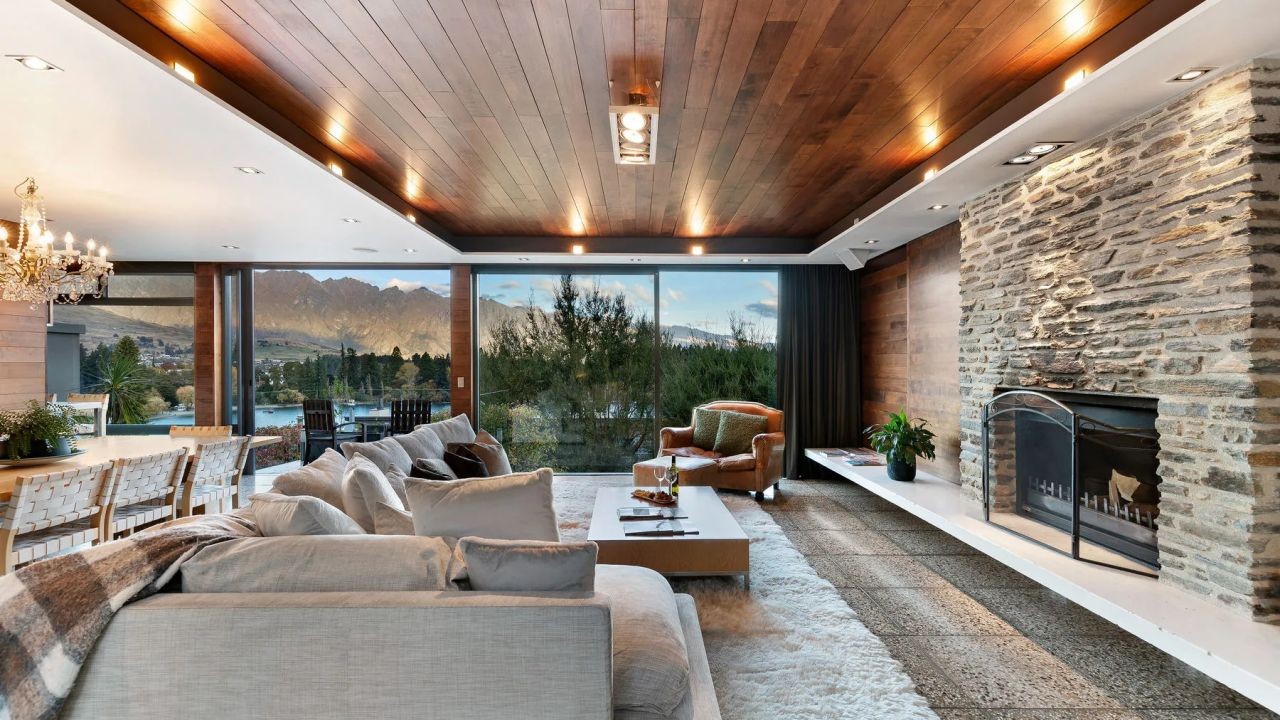






New Zealand is often hailed as a leader in sustainability, particularly in the field of architecture. With a growing global emphasis on reducing carbon footprints and embracing renewable resources, the country's architectural innovations provide a compelling blueprint for others to follow. But what sets New Zealand apart in this domain, and why should the world pay attention? Let’s delve into the unique strategies and policies that have positioned New Zealand as a pioneer in sustainable architecture.
The Role of Government Policies in Shaping Green Architecture
The New Zealand government has played a crucial role in promoting the use of renewable resources in architecture. A key policy driving this movement is the Building Performance Framework, which outlines stringent energy efficiency standards for new constructions. According to the Ministry of Business, Innovation and Employment (MBIE), this framework has not only encouraged the integration of sustainable materials but has also resulted in a 30% reduction in energy consumption in new buildings since its implementation.
Moreover, the government's commitment to achieving net-zero carbon emissions by 2050 underscores its dedication to sustainable practices. The Climate Change Response (Zero Carbon) Amendment Act serves as a legislative backbone, ensuring that all sectors, including construction, align with environmental objectives. This legislative framework provides a clear roadmap for architects and builders, pushing them to innovate with renewable resources.
Case Study: The Christchurch Rebuild
Following the devastating earthquakes in Christchurch, the city embarked on a rebuild that prioritized sustainability. The use of cross-laminated timber (CLT) became a hallmark of this effort, offering a renewable and earthquake-resistant building material. According to Stats NZ, the use of timber in construction increased by 25% in Christchurch post-rebuild, demonstrating a significant shift towards sustainable materials.
The Christchurch rebuild not only revitalized the city but also served as a model for sustainable urban planning. Experts from the University of Canterbury have noted that the integration of green spaces and energy-efficient buildings has improved the city's livability and reduced its carbon footprint, setting a precedent for other urban areas.
Comparative Analysis: New Zealand vs. Global Trends
Globally, countries are increasingly adopting green building practices, but New Zealand's approach offers unique insights. Unlike many nations that focus primarily on technological innovations, New Zealand emphasizes a holistic integration of cultural and environmental factors. This approach is evident in the country's adherence to the principles of Kaitiakitanga, which embodies environmental stewardship and respect for nature.
While countries like Germany and Sweden lead in technological advancements for energy efficiency, New Zealand's focus on sustainable cultural integration offers a complementary perspective. This balance ensures that buildings are not only energy-efficient but also culturally resonant, enhancing their acceptance and effectiveness among local communities.
Case Study: Te Kura Whare – A Paradigm of Cultural Sustainability
Located in Taneatua, Te Kura Whare stands as a testament to New Zealand's commitment to cultural sustainability. This award-winning building is constructed primarily from local, renewable materials and designed to reflect the cultural values of the indigenous Tuhoe people. The building's zero-carbon footprint and energy-efficient design exemplify how cultural insights can enhance architectural sustainability.
The success of Te Kura Whare has inspired other projects to adopt a similar approach, demonstrating the potential of integrating cultural values with sustainable practices to create buildings that are both environmentally friendly and culturally significant.
The Economic Impact of Sustainable Architecture in New Zealand
Investing in sustainable architecture is not just an environmental imperative but also an economic opportunity for New Zealand. The adoption of renewable resources in construction has led to significant cost savings over the lifecycle of buildings. A report by the Reserve Bank of New Zealand highlights that buildings adhering to green standards can realize up to 20% lower operational costs.
Moreover, the construction sector's shift towards sustainable practices has spurred job creation in related industries, such as renewable energy and eco-friendly material production. This growth aligns with the government's strategy to develop a green economy, enhancing New Zealand's competitiveness on the global stage.
The Role of Technology in Advancing Sustainable Architecture
Technological innovations are at the forefront of New Zealand's sustainable architecture movement. The use of Building Information Modeling (BIM) technology has been instrumental in optimizing resource use and reducing waste. According to a study by Massey University, BIM has helped cut construction waste by 15% across various projects in New Zealand.
Additionally, the integration of smart home technologies in new constructions enhances energy efficiency and user experience. These technologies allow for real-time energy monitoring and management, enabling homeowners to minimize energy consumption and costs.
Debunking Common Myths About Sustainable Architecture in New Zealand
- Myth: Sustainable architecture is prohibitively expensive.
- Reality: While initial costs may be higher, sustainable buildings offer significant savings in energy and maintenance, making them cost-effective in the long run (Source: MBIE).
- Myth: Renewable materials are not durable.
- Reality: Innovations in materials like cross-laminated timber provide durability comparable to traditional materials, with added benefits of sustainability (Source: University of Canterbury).
- Myth: Sustainable design limits architectural creativity.
- Reality: Sustainable architecture encourages innovative design solutions that integrate functionality with environmental responsibility (Source: New Zealand Institute of Architects).
These misconceptions often deter individuals and businesses from embracing sustainable practices. However, as the evidence shows, sustainable architecture is both feasible and beneficial, offering long-term value to stakeholders.
Future Trends and Predictions for Sustainable Architecture in New Zealand
As New Zealand continues to lead in sustainable architecture, several trends are set to shape the future. The adoption of prefabricated building techniques is expected to rise, offering cost-effective and sustainable solutions for housing shortages. According to a report by Deloitte, prefabrication could reduce building time by up to 50% and construction waste by 20%.
Furthermore, the integration of AI and machine learning in architectural design will enhance precision and efficiency, allowing for the creation of buildings that are optimized for energy use and environmental impact. By 2030, it is predicted that AI-driven design processes will be standard practice in New Zealand's construction industry, driving further innovation and sustainability.
Final Takeaways and Call to Action
- Insight: New Zealand's use of renewable resources in architecture offers a model for integrating sustainability with cultural values.
- Strategy: Embrace technologies like BIM and AI to enhance efficiency and sustainability in construction.
- Mistake to Avoid: Underestimating the long-term economic benefits of sustainable buildings.
- Pro Tip: Incorporate local cultural insights to enhance the acceptance and effectiveness of sustainable designs.
- Prediction: By 2030, sustainable architecture will be the norm in New Zealand, driven by policy support and technological advancements.
If you're inspired by New Zealand's approach to sustainable architecture, consider how these principles can be applied in your own community or business. The future of architecture lies in our ability to innovate responsibly and sustainably. Share your thoughts and ideas on this topic in the comments below!
People Also Ask
How does sustainable architecture impact New Zealand's economy? Sustainable architecture reduces operational costs by up to 20% and drives job creation in green industries, contributing to economic growth.
What are the biggest misconceptions about sustainable architecture? A common myth is that sustainable architecture is expensive, but long-term savings on energy and maintenance prove it cost-effective.
What upcoming changes in New Zealand could affect sustainable architecture? By 2026, policy updates will likely mandate more stringent energy efficiency standards, further propelling the adoption of sustainable practices.
Related Search Queries
- New Zealand green architecture
- Sustainable building practices NZ
- Renewable materials in construction
- Government policies on sustainability NZ
- Environmental impact of architecture NZ
- Future of sustainable architecture
- AI in architectural design
- Benefits of sustainable buildings
- Challenges in green construction
- Case studies of sustainable architecture NZ