





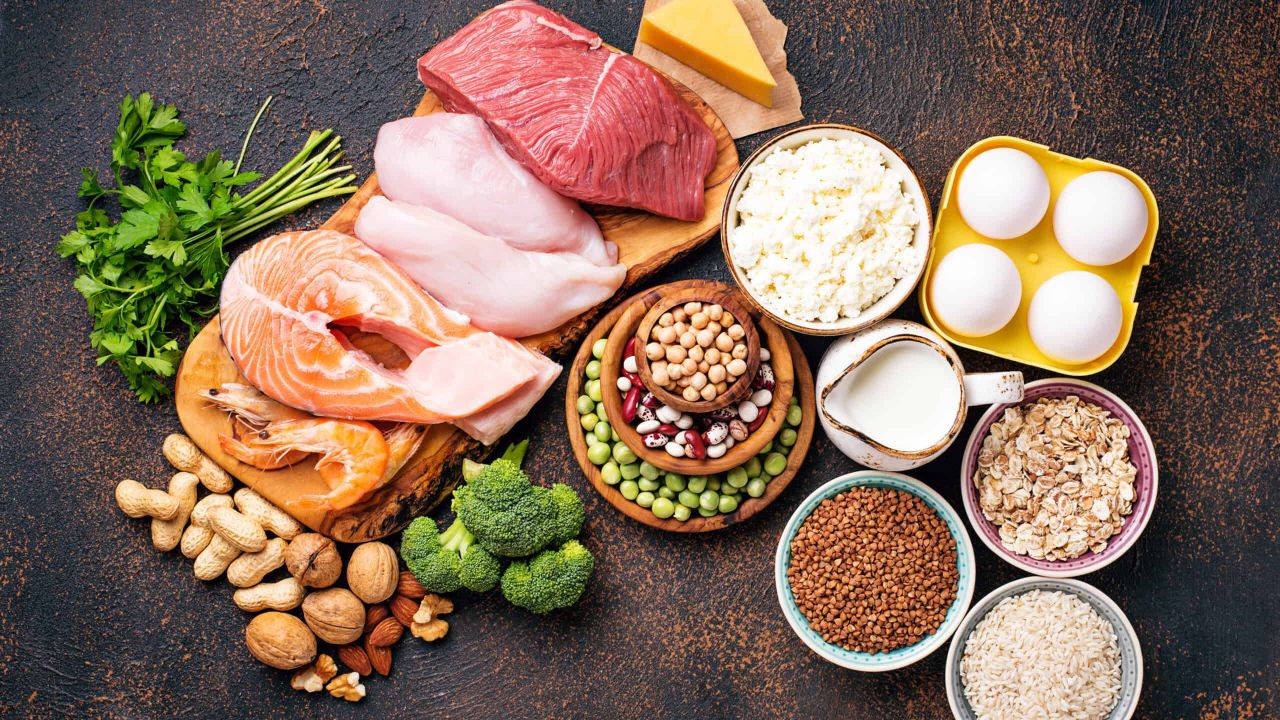
In the vibrant landscape of New Zealand, where the pursuit of a healthy lifestyle integrates seamlessly with the country's rich natural bounty, understanding the best high-protein foods for muscle growth is more than just a dietary choice—it's a cultural embrace. As Kiwis continue to prioritize fitness and well-being, selecting the right sources of protein becomes crucial to achieving their fitness goals.
Exploring Protein Sources in New Zealand
When it comes to protein, New Zealand offers a diverse array of options that cater to different dietary preferences and lifestyles. The country's agricultural strength provides a strong foundation for various protein-rich foods, from traditional meats to plant-based alternatives.
Traditional Protein Powerhouses
- Grass-Fed Beef: New Zealand is renowned for its grass-fed beef, which is not only a rich source of protein but also contains higher levels of omega-3 fatty acids compared to grain-fed beef. This makes it a healthier choice for muscle growth.
- Lamb: As a staple in many Kiwi households, lamb is packed with essential amino acids and is an excellent source of protein, ideal for those aiming to build muscle mass.
- Seafood: With a coastline that stretches for thousands of kilometers, New Zealand is abundant in seafood such as salmon, which is high in protein and omega-3 fatty acids, promoting not just muscle growth but also joint health.
Plant-Based Protein Options
- Lentils and Chickpeas: These legumes are not only high in protein but also versatile in various dishes, making them a favorite among vegetarians and vegans.
- Quinoa: Known for being a complete protein, quinoa is a great plant-based option for those looking to build muscle without animal products.
- Pea Protein: Popular in protein supplements, pea protein is an excellent alternative for those who are lactose intolerant or allergic to dairy.
Case Study: The Rise of Plant-Based Diets in New Zealand
Over the past few years, there has been a significant shift towards plant-based diets in New Zealand, driven by a combination of health consciousness and environmental concerns. A report by the Ministry of Business, Innovation, and Employment (MBIE) indicated a 30% increase in plant-based food consumption over the last decade. This trend reflects a broader global movement towards sustainable eating habits and has implications for muscle growth strategies among Kiwis.
One notable example is the success of Sunfed Meats, a New Zealand-based company that produces plant-based meat alternatives. By using pea protein as their primary ingredient, Sunfed has not only captured a growing market of vegetarians and flexitarians but also demonstrated how plant-based diets can support muscle growth effectively. Their innovative products offer a protein source comparable to traditional meats, without the environmental footprint.
Debunking Common Myths About Protein and Muscle Growth
Despite the availability of diverse protein sources, misconceptions about protein intake for muscle growth remain prevalent. Let's address some common myths:
- Myth: "You need to consume protein immediately after a workout to build muscle." Reality: While post-workout protein can aid recovery, studies show that overall daily protein intake is more crucial for muscle growth.
- Myth: "Plant-based proteins are inferior to animal proteins." Reality: When consumed in a balanced diet, plant-based proteins can provide all essential amino acids needed for muscle building.
- Myth: "More protein always equals more muscle." Reality: Excessive protein intake does not automatically lead to increased muscle mass and can strain the kidneys over time.
Future Trends: The Evolution of Protein Consumption in New Zealand
Looking ahead, the protein consumption landscape in New Zealand is poised for further evolution. With the growing popularity of sustainable and ethical eating, plant-based proteins are expected to see continued growth. According to a forecast by NZTech, plant-based protein sales are projected to increase by 50% by 2030, driven by advancements in food technology and increased consumer awareness.
Moreover, innovations in food science are likely to bring forth new protein sources, such as lab-grown meats and algae-based proteins, offering additional options for those seeking muscle growth.
Conclusion: Embrace a Balanced Approach
In the quest for muscle growth, New Zealanders have a unique advantage with access to a diverse range of high-quality protein sources. Whether through traditional meats, seafood, or emerging plant-based options, the key lies in maintaining a balanced diet that aligns with individual health goals and ethical considerations.
As you navigate your fitness journey, consider integrating these protein sources into your diet and stay informed about emerging trends that can support your goals. Share your experiences and insights with the community—after all, the journey to better health is one best traveled together.
People Also Ask
- What are the best high-protein foods for muscle growth in New Zealand? New Zealand offers a variety of high-protein foods including grass-fed beef, lamb, seafood, lentils, chickpeas, and quinoa, catering to different dietary preferences.
- Are plant-based proteins effective for muscle growth? Yes, plant-based proteins can be effective for muscle growth when consumed in a balanced diet, providing all essential amino acids needed.
- What is the future of protein consumption in New Zealand? The future of protein consumption in New Zealand is leaning towards sustainable options, with plant-based proteins expected to grow by 50% by 2030.
Related Search Queries
- Best protein sources for muscle building NZ
- Plant-based protein trends in New Zealand
- High-protein diet for vegetarians in NZ
- Impact of protein supplements on muscle growth
- Sustainable protein sources in New Zealand