




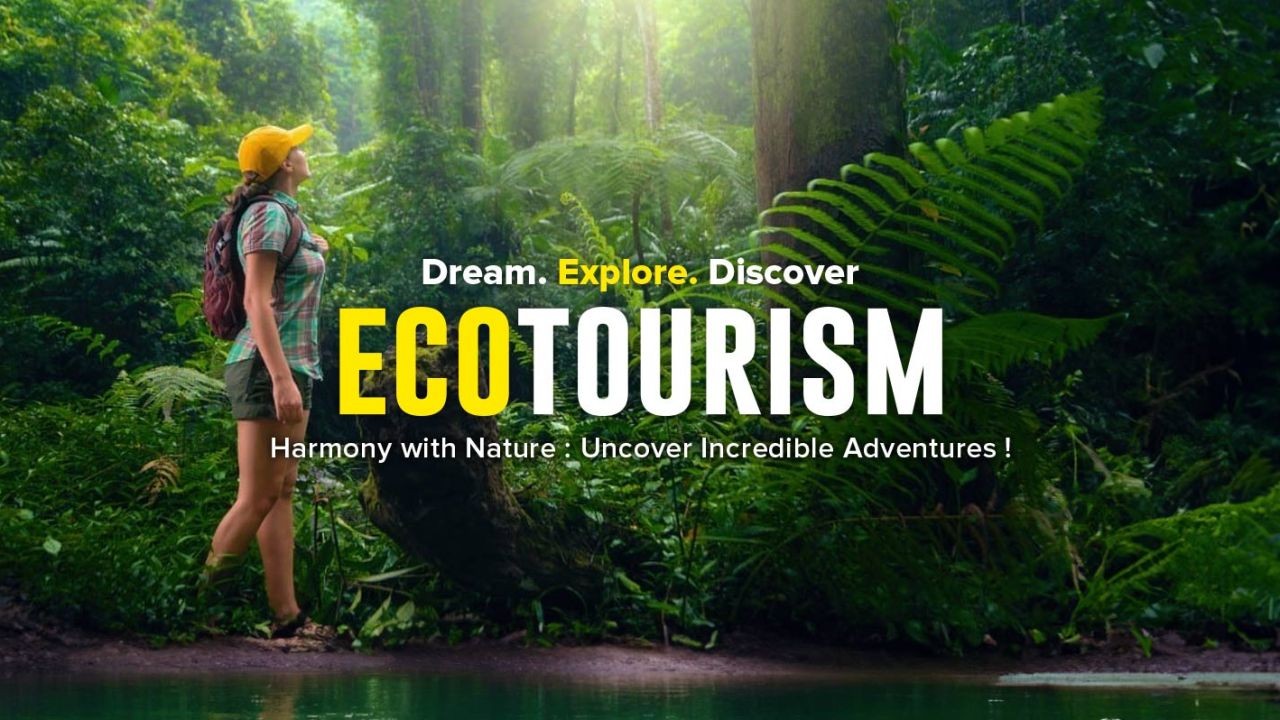
The transformation of a remote New Zealand village into a global eco-tourism hub is not just a tale of geographical advantage but a masterclass in strategic execution and sustainable practices. In an era where eco-conscious travel is gaining momentum, New Zealand's unique approach offers a blueprint for regions worldwide. This journey is particularly relevant as the country balances its natural allure with economic growth, addressing both environmental and social challenges.
From Isolation to Global Recognition: A Case Study
Case Study: Okarito – A Paradigm of eco-tourism Excellence
Okarito, a small coastal settlement on New Zealand's South Island, faced the typical challenges of remote communities: limited infrastructural development and economic stagnation. Yet, it has emerged as a quintessential example of eco-tourism success.
Problem:
Okarito struggled with attracting sustainable economic activities. Local businesses were heavily dependent on seasonal tourism, which was not sufficient to sustain year-round revenue. This led to fluctuating income levels and limited local employment opportunities.
Action:
To address these issues, Okarito adopted a strategic eco-tourism model focused on sustainable practices and community engagement. They leveraged their natural assets, including the Okarito Lagoon and its rich biodiversity, to attract eco-conscious tourists. Partnerships with conservation groups and local Māori communities were pivotal, ensuring that tourism development aligned with environmental preservation and cultural respect.
Result:
Within five years, Okarito saw a significant rise in eco-tourists, leading to a 40% increase in local employment. The community's commitment to sustainability also garnered international recognition, placing Okarito on the map as a must-visit destination for eco-tourism enthusiasts. Local businesses reported a 50% increase in revenue, demonstrating the economic viability of sustainable tourism practices.
Takeaway:
This case study underlines the importance of integrating environmental and cultural elements into tourism strategies. For New Zealand, replicating Okarito's model could enhance the tourism sector's sustainability, aligning with the country's broader environmental goals. Future trends suggest that regions embracing eco-tourism will not only thrive economically but also contribute significantly to conservation efforts.
eco-tourism in New Zealand: Data-Driven Insights
According to the Ministry of Business, Innovation, and Employment (MBIE), tourism contributes significantly to New Zealand's GDP, with eco-tourism emerging as a rapidly growing segment. In 2023, eco-tourism alone accounted for approximately 25% of the tourism revenue, highlighting its potential as a key economic driver.
One critical element in the success of eco-tourism is the integration of technology. For instance, digital platforms offer virtual tours, enhancing accessibility while reducing the environmental footprint associated with travel. This approach aligns with New Zealand's commitment to sustainability and innovation, as outlined in the country's Tourism 2025 & Beyond strategy.
Balancing Tourism Growth with Environmental Sustainability
While the benefits of eco-tourism are evident, challenges remain. The industry must balance growth with the preservation of New Zealand's pristine landscapes. This is where policy intervention plays a crucial role, ensuring that tourist activities do not compromise the environment.
The New Zealand government has introduced several policies to support sustainable tourism, such as the Tourism Infrastructure Fund, which aims to improve facilities in high-demand areas, and the Tiaki Promise, encouraging visitors to respect and protect the natural environment.
Pros and Cons of eco-tourism
Pros:
- Economic Growth: eco-tourism boosts local economies, providing employment and increasing revenue.
- Environmental Conservation: Encourages preservation of natural habitats and biodiversity.
- Cultural Engagement: Fosters respect and understanding of local cultures, particularly Māori traditions.
Cons:
- Environmental Impact: Despite intentions, increased foot traffic can lead to degradation if not managed properly.
- Seasonal Dependency: eco-tourism often relies on specific seasons, leading to economic volatility.
- Infrastructure Strain: Increased visitor numbers can strain local infrastructure without adequate investment.
Debunking Common Myths about eco-tourism
Myth: "eco-tourism is not profitable."
Reality: As demonstrated by Okarito, eco-tourism can be highly profitable, with the right strategy and community involvement leading to significant economic benefits.
Myth: "eco-tourism doesn't require regulation."
Reality: Effective regulation is essential to maintain sustainability and protect natural resources, ensuring long-term viability.
Myth: "eco-tourism is just for nature lovers."
Reality: eco-tourism appeals to a broad audience, including those interested in culture, adventure, and sustainability.
Future Trends in eco-tourism
The future of eco-tourism in New Zealand appears promising, with several trends set to shape the industry. The integration of technology, such as augmented reality and AI-driven personalization, will enhance the visitor experience while minimizing environmental impact. Additionally, the focus on regenerative tourism—aiming to leave destinations better than they were found—will likely gain traction, aligning with New Zealand's environmental ethos.
Conclusion
New Zealand's approach to eco-tourism, exemplified by villages like Okarito, offers valuable lessons for regions worldwide. By prioritizing sustainability and community engagement, the country not only enhances its tourism sector but also contributes to global conservation efforts. As future trends evolve, New Zealand remains at the forefront of eco-tourism, setting a standard for sustainable travel practices.
What’s your take on eco-tourism's potential in New Zealand? Share your insights below!
People Also Ask (FAQ)
How does eco-tourism impact businesses in New Zealand? eco-tourism in New Zealand boosts local economies by providing employment and increasing business revenue, with sectors like hospitality and retail benefiting significantly.
What are the biggest misconceptions about eco-tourism? A common myth is that eco-tourism is not profitable. However, data from the MBIE shows that eco-tourism contributes significantly to New Zealand's GDP.
What are the best strategies for implementing eco-tourism? Experts recommend integrating community engagement, leveraging technology for virtual tours, and ensuring sustainable practices to balance tourism growth with environmental preservation.
Related Search Queries
- eco-tourism destinations in New Zealand
- Sustainable tourism strategies
- New Zealand tourism trends 2024
- Environmental impact of tourism in NZ
- Community-based tourism models
- Future of eco-tourism globally
- Tourism Infrastructure Fund NZ
- Tiaki Promise New Zealand
- Augmented reality in tourism
- Regenerative tourism practices