






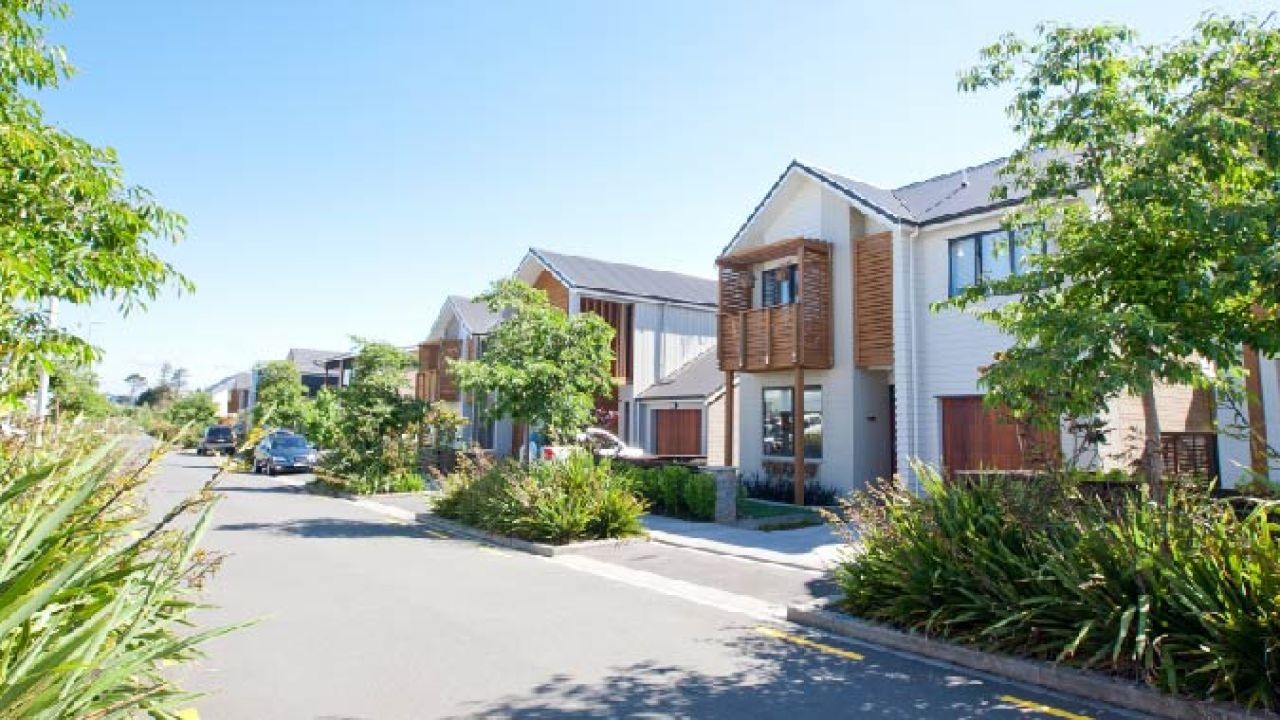
Purchasing a rental property in New Zealand can be a strategic move, offering investors a stable income stream and long-term capital appreciation. However, the process is fraught with complexities unique to the Kiwi market. Understanding the nuances of local regulations, tax implications, and market trends is crucial for making informed investment decisions.
Comparative Analysis: New Zealand's Rental Market
New Zealand's rental market has experienced significant fluctuations due to various economic factors. According to Stats NZ, the median rent in the country saw a 5.3% increase in the year ending June 2023, reflecting the ongoing demand for rental properties. This trend is driven by a combination of population growth and a sustained housing supply shortage, making the rental market an attractive proposition for investors.
In comparison to other markets, New Zealand offers unique advantages such as relatively high rental yields and a stable political environment. However, the market is not without its challenges. Regulatory changes, such as the Healthy Homes Standards introduced in 2021, require landlords to meet specific health and safety criteria, adding to the cost of property management.
Step-by-Step Guide to Buying a Rental Property in New Zealand
Embarking on the journey to acquire a rental property necessitates a strategic approach. Here's a step-by-step guide to help navigate this complex process:
1. Assess Your Financial Situation
Begin by evaluating your financial health. This includes understanding your credit score, assessing your savings, and determining your borrowing capacity. Engaging with a mortgage broker can provide valuable insights into the best financing options available in the current market.
2. Research the Market
Conduct thorough research on potential locations. Areas experiencing infrastructural development or population growth often provide higher rental yields. For instance, regions like Tauranga and Hamilton have shown promising growth due to their expanding economies and proximity to major cities.
3. Understand Legal and Tax Implications
Familiarize yourself with New Zealand's legal and tax requirements for property investors. The Overseas Investment Amendment Act 2018, for instance, restricts foreign buyers from purchasing existing residential properties. Consult a legal expert to ensure compliance with all regulations.
4. Secure Financing
Once you've identified a property, securing financing is the next step. The Reserve Bank of New Zealand's current loan-to-value ratio (LVR) restrictions require a minimum deposit of 30% for investment properties, which can influence your purchasing power.
5. Conduct Due Diligence
Before finalizing your purchase, carry out due diligence. This includes property inspections, reviewing council records for zoning laws, and assessing potential rental income. A comprehensive analysis ensures you're making a sound investment decision.
Real-World Case Study: Successful Rental Investment in Auckland
Case Study: Auckland Investor – Navigating Market Challenges
Problem: An Auckland-based investor, Sarah, faced challenges due to rising property prices and stringent lending criteria. The competitive market made it difficult to find affordable properties with high yield potential.
Action: Sarah leveraged her network to gain insights into upcoming developments in South Auckland. She targeted properties near the new City Rail Link stations, anticipating increased demand and value appreciation.
Result: Within two years, Sarah's property value increased by 15%, and rental demand surged, resulting in a 7% rental yield. Her strategic location choice and timing proved crucial in overcoming market challenges.
Takeaway: Investors can benefit from staying informed about infrastructural developments and market trends. Strategic location selection can significantly impact investment returns.
Common Myths & Mistakes
Investing in rental properties is often shrouded in misconceptions. Here are a few myths and realities:
- Myth: "Property prices in New Zealand will always rise." Reality: Market fluctuations are expected, and while long-term growth is likely, investors should prepare for short-term volatility.
- Myth: "Any property can be a good rental investment." Reality: Location, infrastructure, and economic factors greatly influence a property's rental potential.
- Myth: "Managing properties is easy and requires little time." Reality: Property management is complex, often requiring professional assistance to handle tenant issues and compliance with regulations.
Future Trends & Predictions
Looking ahead, the New Zealand rental market is poised for continued evolution. As per a report by MBIE, the demand for rental properties is expected to grow, driven by urbanization and migration trends. However, investors should brace for potential policy changes aimed at cooling the housing market, such as stricter lending regulations or increased property taxes.
Conclusion
Investing in New Zealand's rental property market offers promising opportunities, albeit with its set of challenges. By understanding market dynamics, complying with legal requirements, and making informed financial decisions, investors can navigate the complexities successfully. Are you ready to embark on your property investment journey? Share your insights and experiences below!
People Also Ask
How does the rental property market impact investors in New Zealand? New Zealand's rental property market, with its rising demand and regulatory landscape, offers investors opportunities for high yields but requires careful navigation of legal and market conditions.
What are the biggest misconceptions about buying rental property in New Zealand? A common myth is that property prices will always rise. However, market fluctuations are common, requiring investors to be prepared for both long-term growth and short-term volatility.
Related Search Queries
- Best cities for rental properties in New Zealand
- New Zealand property investment strategies
- Legal requirements for buying rental property in NZ
- Impact of interest rates on NZ property market
- How to calculate rental yield in New Zealand


























AmeliaFcv3
1 month ago