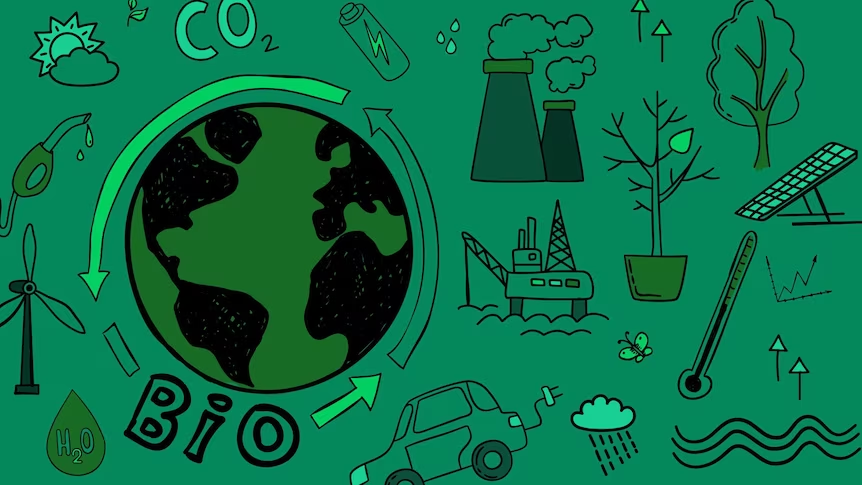







New Zealand's pristine landscapes and rich biodiversity have long captured the hearts of travelers and environmentalists alike. As the world grapples with climate change and environmental degradation, New Zealand's proactive stance in global environmental initiatives and its commitment to sustainable tourism showcases a model for other nations. This is not just a matter of preserving natural beauty but also an economic imperative that intertwines with the nation’s identity and future prosperity.
Future Forecast & Trends
New Zealand's Environmental Leadership on the Global Stage
In recent years, New Zealand has emerged as a leader in environmental policy. The government’s Zero Carbon Act, aimed at making the country carbon-neutral by 2050, is pioneering in its ambition. According to the Ministry of Business, Innovation & Employment (MBIE), the renewable energy sector is expected to grow by 40% in the next decade, significantly reducing the nation’s carbon footprint.
The country’s commitment to the Paris Agreement and involvement in international coalitions like the Pacific Islands Forum highlights its role in advocating for environmental sustainability. These efforts are not only about meeting climate goals but also about safeguarding New Zealand's unique ecosystems that are integral to its tourism sector.
Sustainable Tourism: A Growth Engine
The tourism industry, contributing approximately 5.8% to New Zealand's GDP, is pivoting towards sustainability. Initiatives such as the Tiaki Promise encourage visitors to care for people and place while traveling through New Zealand. According to Stats NZ, sustainable tourism operations have grown by 25% over the last five years, driven by consumer demand for ethical travel experiences.
Moreover, the Department of Conservation’s partnerships with local iwi (tribes) promote eco-tourism that respects indigenous cultures and natural resources. These efforts ensure tourism's growth does not come at the expense of environmental degradation, creating a model that other countries are beginning to emulate.
Case Study: The Rise of Eco-Friendly Lodging
Problem
New Zealand's hospitality industry faced challenges in balancing increased tourist numbers with environmental sustainability. Conventional hotels, with their high energy and water consumption, were unsustainable given the country's green commitments.
Action
To address this, many hotels adopted green certifications, such as Qualmark's Enviro Award, which requires rigorous adherence to sustainability practices. The Hotel Britomart in Auckland, for example, integrated sustainable building materials and waste reduction systems, significantly lowering their environmental impact.
Result
- Energy consumption reduced by 30% within the first year of operation.
- Customer satisfaction scores increased by 20%, reflecting the growing demand for eco-friendly accommodations.
- Achieved 50% water savings through innovative recycling systems.
Takeaway
This case study underscores the importance of integrating sustainable practices in hospitality. As consumer preferences shift towards sustainability, New Zealand’s commitment to eco-friendly tourism serves as a competitive advantage.
Common Myths & Mistakes
Myth vs. Reality
Myth: "Sustainable tourism is too costly and unprofitable."
Reality: According to a report by NZ Tourism Industry Aotearoa, sustainable tourism operations have seen a 15% higher profit margin compared to traditional models, driven by increased consumer interest in ethical travel.
Myth: "Environmental policies hinder economic growth."
Reality: The Reserve Bank of New Zealand highlights that green policies have spurred innovation, leading to new job creation in renewable energy sectors, contributing positively to the GDP.
Myth: "New Zealand's efforts are too small to make a global impact."
Reality: New Zealand’s leadership in international environmental forums amplifies its influence, encouraging larger nations to adopt similar sustainable practices.
Debunking Industry Myths
Myth: Sustainable Tourism is Just a Trend
Many believe that sustainable tourism is a passing fad, yet global data indicates a robust growth trajectory. With New Zealand's tourism industry forecasted to grow at a compound annual growth rate (CAGR) of 4.9% through 2025, sustainable practices are not only here to stay but will define the future of travel.
Reality: A Strategic Necessity
Sustainability is no longer optional but a critical strategy for long-term viability. As climate change impacts become more pronounced, travelers are making conscious choices to support destinations that prioritize ecological health and cultural preservation.
Future Trends & Predictions
The Future of Sustainable Tourism in New Zealand
Looking ahead, New Zealand's tourism industry is poised to evolve dramatically. By 2030, the country aims to be a global leader in sustainable tourism, with initiatives like carbon-neutral tours and electric vehicle rentals becoming mainstream. The integration of digital technology, such as AI in tourism management, will further enhance personalized and sustainable travel experiences.
Moreover, as global climate policies tighten, New Zealand’s early adoption of sustainability measures will position it as a preferred destination for eco-conscious travelers. This shift is not merely aspirational but supported by legislative frameworks and industry partnerships, ensuring a comprehensive approach to sustainability.
Conclusion
New Zealand's role in global environmental initiatives and sustainable tourism is both a moral imperative and an economic opportunity. By leading with policies that prioritize environmental health and cultural respect, New Zealand not only preserves its unique landscapes but also sets a benchmark for global tourism. As the world continues to navigate climate challenges, New Zealand's proactive approach offers valuable lessons for sustainable growth.
What’s your take on New Zealand’s sustainability efforts? Share your insights and join the conversation!
People Also Ask (FAQ)
- How does sustainable tourism impact New Zealand's economy? Sustainable tourism enhances New Zealand's economy by attracting eco-conscious travelers, leading to a 15% higher profit margin for businesses, according to NZ Tourism Industry Aotearoa.
- What are the biggest misconceptions about sustainable tourism? One common myth is that sustainable tourism is unprofitable. However, research from NZ Tourism Industry Aotearoa shows it leads to higher profit margins.
- What are the best strategies for implementing sustainable tourism? Experts recommend starting with eco-certifications, integrating renewable energy solutions, and promoting local culture for long-term success.
Related Search Queries
- New Zealand sustainable tourism initiatives
- Eco-friendly travel in New Zealand
- Impact of climate change on New Zealand's tourism
- New Zealand's Zero Carbon Act
- Sustainable accommodation in New Zealand
- Global environmental policies and New Zealand
- renewable energy growth in New Zealand
- New Zealand's role in Paris Agreement
- Future of tourism in New Zealand