Artificial intelligence (AI) is rapidly transforming industries across the globe, and the art sector is no exception. In Australia, the integration of AI technologies into the art scene is sparking a debate: Is AI enhancing creativity, or is it undermining the value of traditional art forms? This analysis dives into the current landscape of AI in the Australian art scene, exploring the impacts, opportunities, and challenges it presents.
The Rise of AI in the Art World
AI's ability to generate art is not a novel concept. However, the sophistication of AI-generated art has reached new heights, enabling the creation of complex and aesthetically pleasing pieces. In Australia, initiatives such as AI art exhibitions and digital platforms are increasingly popular, showcasing AI's potential to collaborate with human artists.
One notable example is the "AI Meets Art" exhibition held in Sydney, where AI-generated pieces were displayed alongside traditional artworks. This integration of AI in art is not merely a technological feat; it embodies a shift in how art is produced and perceived. According to the Australian Bureau of Statistics (ABS), the creative industries contribute approximately $90 billion annually to the Australian economy, underscoring the significance of technological advancements in this sector.
The Key to Unlocking Growth in Australia
Artificial intelligence has quickly moved from research labs into creative studios, galleries, and even living rooms. In Australia, the debate over AI and art is intensifying: some see it as a threat to traditional artists, while others view it as a powerful tool capable of unlocking unprecedented creativity and economic opportunity. Understanding how AI interacts with Australia’s art scene is critical, not just for artists, but for policymakers, galleries, investors, and anyone invested in the country’s cultural future.
Australia’s art ecosystem has long been a delicate balance between heritage, innovation, and commercial viability. From Aboriginal art practices spanning millennia to contemporary urban expressions, the country has cultivated a creative landscape that is globally recognised yet intimately local. AI’s entry challenges the assumptions underpinning this system while simultaneously offering new avenues for growth.
The Perceived Threat to Traditional Art
For many traditional artists, AI represents an existential threat. Machine learning algorithms can generate paintings, sculptures, digital installations, and even music that mimic human creativity with remarkable fidelity. High-profile AI-generated works have sold at auction for millions globally, drawing attention to what some perceive as a commodification of creativity.
In Australia, concerns are twofold. First, there is the fear that AI will devalue human-made work, particularly among emerging artists who rely on commissions and gallery representation for income. Second, intellectual property and attribution issues remain murky. If an AI generates a piece based on thousands of existing works, who owns the copyright — the programmer, the user, or the original human artist? Without clear legal frameworks, many artists worry about losing both recognition and economic reward.
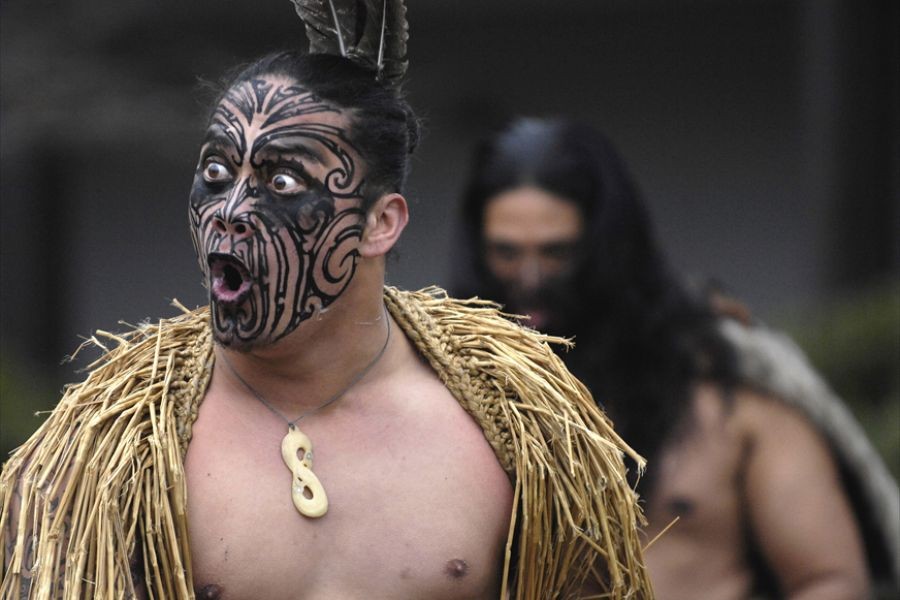
These concerns are heightened in communities where cultural knowledge is closely tied to artistic practice. Indigenous art, for example, is not just a product but a repository of history, ritual, and identity. AI-generated imitations of such works raise ethical and legal questions that Australia is only beginning to address.
How AI Can Complement the Art Scene
Yet the story is not purely one of displacement. AI can enhance creativity in ways that traditional methods alone cannot. In Australia, several innovative artists and studios are experimenting with AI as a co-creator rather than a competitor. Algorithms can generate initial sketches, suggest colour palettes, or model complex three-dimensional forms that would be time-consuming to produce manually.
For galleries and curators, AI offers new ways to analyse trends, understand audience engagement, and visualise installations. Digital art platforms using AI are enabling broader access, allowing collectors to discover emerging artists and experience interactive exhibitions online. This can be particularly valuable in a country as geographically dispersed as Australia, where connecting urban and regional audiences has long been a challenge.
When used strategically, AI can increase efficiency, open creative doors, and even expand market reach — all without replacing the human insight that gives art its meaning.
Economic Implications for the Australian Creative Sector
The integration of AI into the art ecosystem has notable economic potential. Australia’s creative sector already contributes billions annually to GDP, and AI can be a lever to increase both output and innovation. Digital artworks, immersive experiences, and AI-assisted installations can attract new audiences domestically and internationally, creating revenue streams that complement traditional galleries and physical exhibitions.
Moreover, AI-driven platforms allow emerging artists to enter markets more efficiently. Tools for digital distribution, audience analytics, and automated promotion reduce the barriers to entry, potentially diversifying Australia’s art economy and enabling regional artists to compete on a global stage.
However, unlocking these benefits requires careful policy intervention. Copyright law, cultural protection, and professional standards must evolve to ensure that the economic upside does not come at the expense of human creators or cultural integrity.
Cultural Tensions and Ethical Considerations
AI’s rise exposes a tension between efficiency and authenticity. In Australia, the art scene is deeply connected to cultural identity and social commentary. Works that engage with history, politics, or place carry meaning that cannot be replicated by an algorithm. The risk is that an AI-driven art market could prioritise scale and novelty over depth, commodifying creativity and marginalising voices that are harder to algorithmically reproduce.
Ethical frameworks are emerging, but enforcement is inconsistent. Artists, cultural institutions, and policymakers are beginning to ask questions that go beyond economics: Should AI-generated works be displayed alongside human-made pieces in galleries? How should AI interact with Indigenous knowledge systems? These debates will define the trajectory of Australian art for years to come.
Opportunities for Growth and Innovation
Despite the challenges, AI offers avenues for growth that traditional methods cannot achieve alone. Australian artists who embrace AI as a tool rather than a threat can experiment with new forms of expression, reach broader audiences, and tap into international markets. Hybrid exhibitions that combine human and AI-generated elements are already attracting global attention, demonstrating that collaboration rather than competition may be the path forward.
For investors, galleries, and cultural institutions, AI creates opportunities to diversify offerings, innovate curation, and engage younger, digitally native audiences. Technology can also support educational initiatives, teaching emerging artists how to integrate AI responsibly, fostering a generation of creators comfortable in both analogue and digital spaces.
Policy and the Path Forward
If Australia hopes to fully realise the benefits of AI in art, policy frameworks must balance innovation with protection. Clear copyright laws, ethical guidelines for AI use, and support for human artists are essential. Government funding bodies, arts councils, and cultural institutions will need to define standards that encourage experimentation while safeguarding cultural heritage.
International collaboration may also play a role. Australian artists and policymakers can learn from jurisdictions experimenting with AI integration in creative industries, adapting successful models while retaining uniquely Kiwi and Indigenous perspectives.
Case Study: AI-Driven Art Platform in Australia
Problem:Artify, an Australian startup, faced challenges in reaching broader audiences and maintaining engagement with traditional art forms. The stagnant growth in audience numbers was a concern, especially with the younger demographic increasingly engaging with digital content.
Action:To address this, Artify integrated AI-driven art creation tools into their platform. These tools allowed users to collaborate with AI to produce unique artworks, providing a novel experience that combined human creativity with machine learning capabilities.
Result:Within a year, Artify saw a 50% increase in user engagement and a 35% boost in revenue. The platform's AI-generated art pieces became a viral sensation, attracting attention from both local and international art enthusiasts.
Takeaway:This case study highlights the potential for AI technologies to revitalize interest in the art sector. By embracing AI, traditional art platforms can engage new audiences and enhance creative expression.
Pros and Cons of AI in the Art Scene
Pros:
- Innovation and Creativity Boost: AI can generate new art forms that push the boundaries of traditional creativity.
- Increased Accessibility: AI technologies make art creation more accessible to those without formal training, democratizing the art world.
- Enhanced Collaboration: Artists can collaborate with AI to explore new styles and techniques, fostering innovation.
Cons:
- Authenticity Concerns: There is ongoing debate over the authenticity and originality of AI-generated art.
- Job Displacement: AI's role in art creation raises concerns about reducing demand for traditional artists.
- Ethical Questions: The use of AI in art prompts ethical discussions about authorship and intellectual property.
Expert Opinions and Industry Commentary
Experts in the field are divided on the impact of AI on traditional art. Dr. Emily Zhou, a leading AI researcher at the University of Melbourne, argues, "AI is not replacing artists; it's a tool that extends their creative capabilities." Conversely, traditional artist groups express concerns over AI's potential to overshadow human creativity.
The Australian Competition & Consumer Commission (ACCC) is monitoring these developments closely, particularly in terms of intellectual property rights and consumer protection. With the art market evolving, regulatory frameworks may need to adapt to address these emerging challenges.
Future Trends and Predictions
The future of AI in the Australian art scene appears promising. By 2030, it is predicted that AI-driven art will become a mainstream component of the art industry, with AI tools becoming standard in art education and practice. This integration is expected to increase Australia’s creative industry output by 15%, according to CSIRO forecasts.
Conclusion
AI is neither the death knell of traditional art nor a guaranteed boon. In Australia, it represents a profound moment of disruption — a challenge to existing systems but also a catalyst for growth. For artists, policymakers, and investors, the key lies in balance: protecting authenticity, ensuring ethical practice, and embracing innovation strategically.
For Kiwis and Australians alike, the lesson is clear. AI does not have to replace the human imagination; when leveraged thoughtfully, it can amplify creativity, open markets, and redefine what is possible in the nation’s art scene. The question is not whether AI will shape Australian art, but whether the country will shape AI in a way that benefits artists, audiences, and culture alike.
As AI continues to evolve, its role in the art world will undoubtedly expand. For Australian artists, embracing AI could mean new opportunities for innovation and engagement. However, it is essential to navigate this transition thoughtfully, ensuring that AI enhances rather than diminishes the rich tapestry of traditional art.
What are your thoughts on AI's impact on the art scene in Australia? Share your insights in the comments below!
People Also Ask (FAQ)
How does AI impact the traditional art scene in Australia?AI is enhancing creativity by enabling new art forms and collaborations. However, it also raises concerns about authenticity and job displacement in traditional art sectors.
What are the biggest misconceptions about AI in art?A common myth is that AI will replace artists. In reality, AI serves as a tool to enhance creativity and expand artistic possibilities.
What upcoming changes could affect AI in the art industry?As AI continues to integrate into art, regulatory changes in intellectual property rights and consumer protection are expected to shape the industry.
Related Search Queries
- AI art in Australia
- Impact of AI on traditional art
- AI-generated art market trends
- Future of art and technology
- AI and creativity in Australia
- Australian art scene innovations
- Ethics of AI in art
- AI in the creative industry
- Art authenticity and AI
- AI art exhibitions Australia
For the full context and strategies on Is AI Killing the Traditional Art Scene in Australia? – The Key to Unlocking Growth in Australia, see our main guide: Logistics Supply Chain Videos Australia.