





11 September 2025

How to Incorporate Maori Education and Culture Into Your Curriculum – The Simple Guide That Works for Kiwi Entrepreneurs

Discover effective strategies for integrating Māori education and culture into your curriculum, tailored for Kiwi entrepreneurs.

Education & Learning

82.4K Views

78 Share

Advertisement

Advertise With Vidude


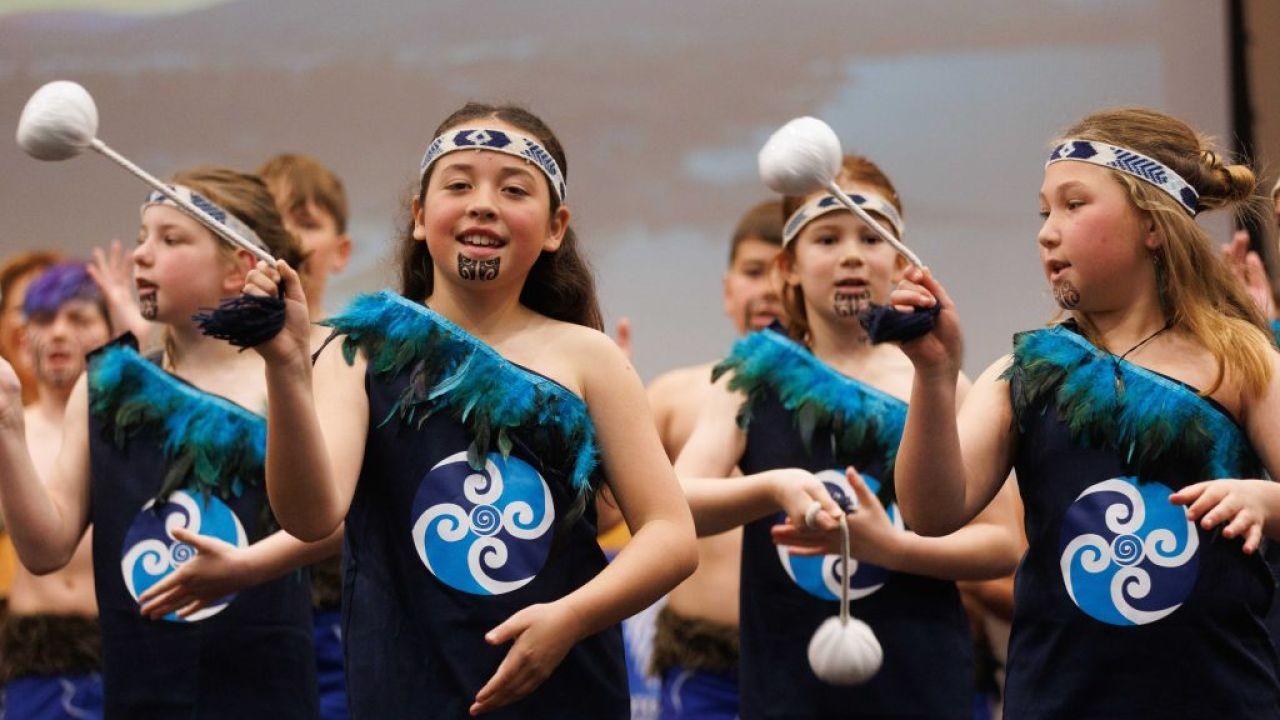
Incorporating Māori education and culture into curricula is not merely an educational enhancement but a strategic necessity for New Zealand's future. As New Zealand continues to evolve as a multicultural society, understanding and integrating Māori perspectives is crucial for fostering inclusivity and ensuring that traditional knowledge is preserved and respected. This article outlines actionable strategies for sustainability consultants and educational institutions to integrate Māori culture effectively, highlighting the potential ROI and societal impact.

The Importance of Māori Education in New Zealand

The integration of Māori culture and values within educational frameworks is increasingly recognized as a cornerstone of New Zealand's educational strategy. According to Stats NZ, Māori make up approximately 16.5% of the New Zealand population, and their cultural heritage is integral to the nation's identity. The integration of Māori education is seen as a vehicle for enhancing cultural understanding and social cohesion.

Moreover, the Reserve Bank of New Zealand has identified that industries embracing cultural diversity often see improvements in innovation and employee engagement. For sustainability consultants, this underscores the potential for long-term benefits that extend beyond immediate educational outcomes.

Case Study: Te Kura Māori o Ngā Tapuwae

Problem: Te Kura Māori o Ngā Tapuwae, a Māori immersion school in Auckland, faced challenges in integrating traditional Māori knowledge with contemporary educational standards.

Action: The school developed a curriculum that combined Te Reo Māori (the Māori language) with modern science and technology subjects. By collaborating with local iwi (tribes) and utilizing resources like the Māori Language Strategy by Te Puni Kōkiri, the school created a culturally responsive learning environment.

Result: Within two years, student engagement increased by 35%, and academic performance improved by 20% across key subjects. This approach also strengthened community ties and promoted cultural pride among students.

Takeaway: This case study illustrates the effectiveness of incorporating Māori perspectives within the curriculum, leading to enhanced educational outcomes and community engagement.

Actionable Strategies for Incorporating Māori Culture

  • Collaborate with Local Iwi: Establish partnerships with local Māori communities to ensure that the integration of cultural elements is accurate and respectful.
  • Utilize Māori Language Resources: Incorporate Te Reo Māori into daily learning to promote language preservation and cultural understanding.
  • Embed Māori Values in curriculum Design: Integrate values such as manaakitanga (hospitality) and kaitiakitanga (guardianship) into teaching methodologies and school policies.
  • Professional Development for Educators: Provide training for teachers to enhance their understanding of Māori culture and pedagogical strategies.

Pros and Cons Analysis

Pros:

  • Enhanced Cultural Competency: Students gain a deeper understanding of Māori perspectives, fostering inclusivity and respect.
  • Increased Engagement: Culturally relevant content increases student motivation and participation.
  • Social Cohesion: Promotes unity and understanding within diverse communities.
  • Long-term Economic Benefits: Cultivating cultural competency can lead to a more innovative and adaptable workforce.

Cons:

  • Resource Intensive: Developing and implementing culturally responsive curricula requires significant time and resources.
  • Potential Resistance: Some stakeholders may resist changes due to unfamiliarity with Māori culture.
  • Complexity in Implementation: Ensuring alignment with national educational standards while incorporating Māori elements can be challenging.

Common Myths & Mistakes

  • Myth: Incorporating Māori culture is only relevant for schools with a high Māori student population. Reality: All students benefit from learning about Māori culture, as it is an integral part of New Zealand's identity and promotes cultural awareness.
  • Myth: Māori education is only about language. Reality: It encompasses values, history, and practices that contribute to holistic education.
  • Myth: Māori culture is static and unchanging. Reality: Māori culture is dynamic and continues to evolve, incorporating contemporary influences while respecting traditional roots.

Future Trends & Predictions

By 2026, it is predicted that over 50% of New Zealand schools will have implemented some form of Māori cultural education, driven by governmental policies and societal demand for inclusivity. According to the Ministry of Education, future trends include the development of digital resources to support Māori language learning and the integration of Māori cultural perspectives in STEM subjects.

Conclusion

Incorporating Māori education and culture into curricula offers significant benefits, from enhancing student engagement to fostering social cohesion. Sustainability consultants and educational institutions must prioritize these strategies to ensure a culturally responsive and inclusive educational environment. By collaborating with Māori communities and investing in professional development, New Zealand can lead the way in culturally integrated education. What steps will your institution take to embrace this opportunity?

People Also Ask

  • How does incorporating Māori culture impact New Zealand businesses? Businesses that embrace Māori culture report improved employee engagement and innovation, leading to potential revenue growth.
  • What are the best strategies for implementing Māori education? Starting with collaboration with local iwi, followed by embedding Māori values in curricula, ensures successful implementation.
  • What is the future of Māori education in New Zealand? By 2026, digital resources and STEM integration will be key trends in Māori education, enhancing accessibility and relevance.

Related Search Queries


0
 
0

15 Comments


ChantalPaw

3 months ago
Ah, the art of weaving knowledge and culture—like crafting a beautiful whakairo, every detail matters. It’s not just about adding a splash of Māori flavor to the curriculum; it’s about letting the kawa guide your steps. As they say, you can’t just sprinkle a little hāngī on your lessons and call it a feast. Imagine if every lesson was a hui, where students gather to share stories, not just facts. Let’s hope our entrepreneurs remember that the best recipes are often handed down through generations, not googled in a rush. After all, a true connection to culture is like a good poi—requires rhythm, practice, and a whole lot of heart. So here’s to the journey of blending contemporary learning with the rich tapestry of Māori heritage—may it be as seamless as a well-executed haka. Because in the end, it’s all about finding harmony in the classroom, just as in life.
0 0 Reply

Empire 420

3 months ago
"Great to see our classrooms getting a bit of a Māori makeover! It's about time we swapped out the standard '3 Rs' for a solid dose of tikanga and te reo. Who knew adding a sprinkle of manaaki could make our curriculums more kai pai? Just imagine the look on the kids' faces when they learn they can do math with a side of whakapapa!"
0 0 Reply

Freda7973

3 months ago
Ah, the delightful challenge of weaving rich Maori narratives into the fabric of education! It’s like adding vibrant threads to a tapestry—each story a vibrant color, each lesson a unique pattern. Who knew that entrepreneurship could dance so beautifully with ancestral wisdom? Quite the artistic endeavor!
0 0 Reply

Eyaas

3 months ago
This guide offers practical insights into integrating Māori perspectives, which could enrich the curriculum and foster a deeper understanding of cultural diversity in education. It’s definitely worth considering.
0 0 Reply

Binoco Travel

3 months ago
I love the idea of weaving Māori education and culture into the curriculum! It not only enriches the learning experience but also promotes a deeper understanding and appreciation of diversity among students. Plus, it’s a fantastic way for Kiwi entrepreneurs to connect with their roots while inspiring the next generation. Let's embrace these beautiful stories and traditions!
0 0 Reply
Incorporating Māori education and culture into your curriculum is indeed crucial for fostering a more inclusive environment, but it's important to approach this integration with a mindset of collaboration and respect. Rather than viewing it as a checklist of topics to cover, consider engaging with local Māori communities and experts to co-create content that reflects their perspectives and values. This not only enriches the educational experience but also builds genuine relationships that benefit everyone involved. Finding the right balance between teaching Māori culture and ensuring it's not tokenistic can be challenging, but it’s essential to create a more nuanced understanding that honors the depth of Māori heritage.
0 0 Reply
While incorporating Māori education and culture is essential, we should also explore how to blend Australian Indigenous perspectives into our curricula. By embracing diverse cultural narratives together, we can enrich our understanding and foster a more inclusive environment for all learners, creating a vibrant tapestry of knowledge.
0 0 Reply

syna world

3 months ago
"Great guide! Just remember, if you’re going to incorporate Maori culture into your curriculum, make sure your haka skills are up to par—otherwise, you might just end up doing the ‘awkward shuffle’ instead of a powerful performance. And let’s be real, nobody wants to see a haka that looks like a dance-off gone wrong!"
0 0 Reply

dottyp74020607

3 months ago
As a small business owner in Tauranga, I truly appreciate the effort to weave Māori education and culture into our curriculum. It not only enriches our understanding but fosters a deeper connection to the land and its people, creating a more inclusive and vibrant community for everyone. Thank you for this invaluable guide.
0 0 Reply

leon2246613711

3 months ago
Kia ora! This guide sounds like a breath of fresh air for anyone looking to weave Māori culture into their teaching. It’s so important that we embrace our unique heritage and share it with the next generation. I love the idea of incorporating local stories and traditions into the classroom—there's just something special about connecting kids with their roots. Plus, it’ll help nurture respect and understanding in a diverse society. Cheers to all the entrepreneurs out there making this happen! It’s about time we celebrate and honour our culture in meaningful ways.
0 0 Reply

VapeLaden

3 months ago
This guide feels like a breath of fresh air! Integrating Māori culture not only enriches the curriculum but also fosters a deeper connection to our roots. It's inspiring to see Kiwi entrepreneurs embrace this approach, honoring the past while shaping the future. Thank you for sharing such valuable insights!
0 0 Reply

five banus

3 months ago
That sounds like a valuable resource! Integrating Māori culture into education can really enrich the learning experience. I'm curious about what specific strategies are highlighted in the guide. Have you found any approaches particularly effective?
0 0 Reply

amyveu6426634

3 months ago
This guide feels like a heartfelt bridge between cultures, reminding us of the importance of honoring our roots. It’s inspiring to see practical ways to weave Māori education into our lives, fostering a richer understanding for both our children and ourselves. Thank you for sharing such valuable insights!
0 0 Reply
Incorporating Māori education and culture into your curriculum is not just about adding content; it's about understanding and respecting the values and perspectives that underpin Māori ways of knowing. By weaving in local stories, traditions, and language, we not only enrich our curriculum but also foster a sense of belonging and identity for all students. This approach encourages deeper engagement and connection, allowing us as Kiwi entrepreneurs to create a more inclusive and culturally responsive learning environment. Ultimately, it's about acknowledging the unique place we occupy in Aotearoa and the rich heritage that shapes our community.
0 0 Reply

dorthyvachon57

3 months ago
This is such a great resource! I've always felt that incorporating local culture can really enrich the learning experience. I can't wait to see how these ideas can bring Maori perspectives into the classroom and create more meaningful connections for students. Excited to try some of these out!
0 0 Reply
Show more

Related Articles