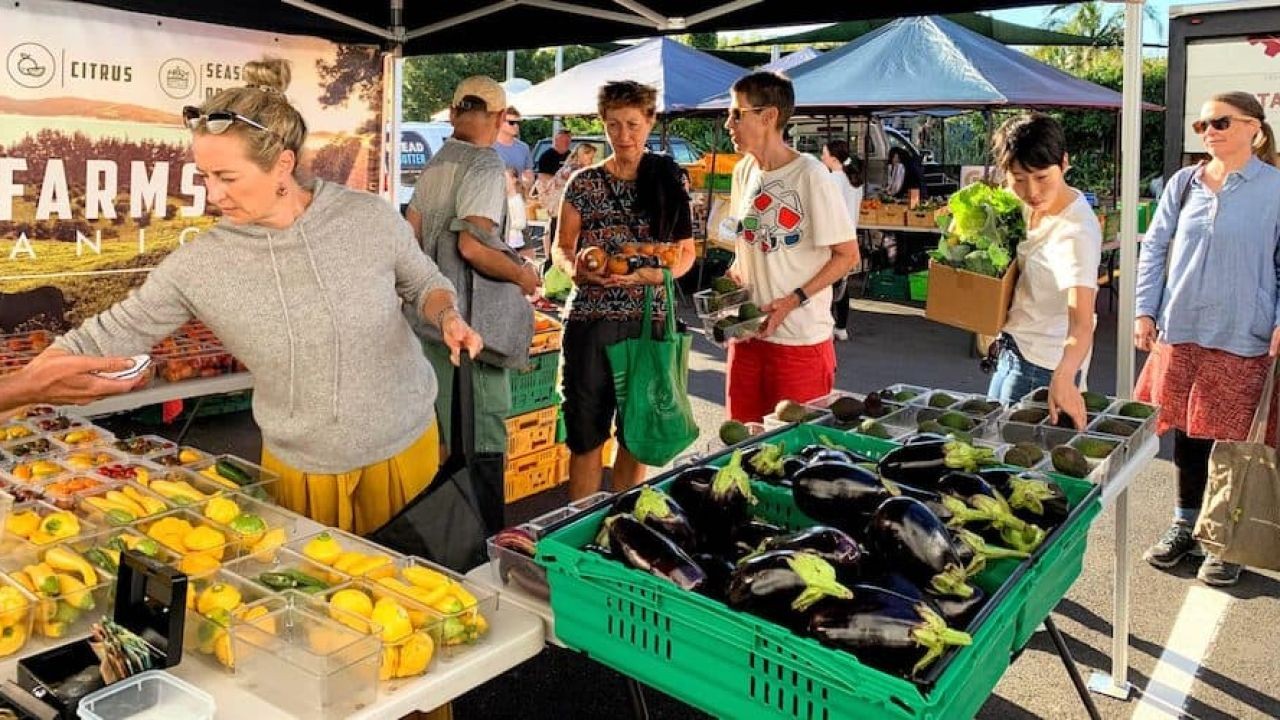






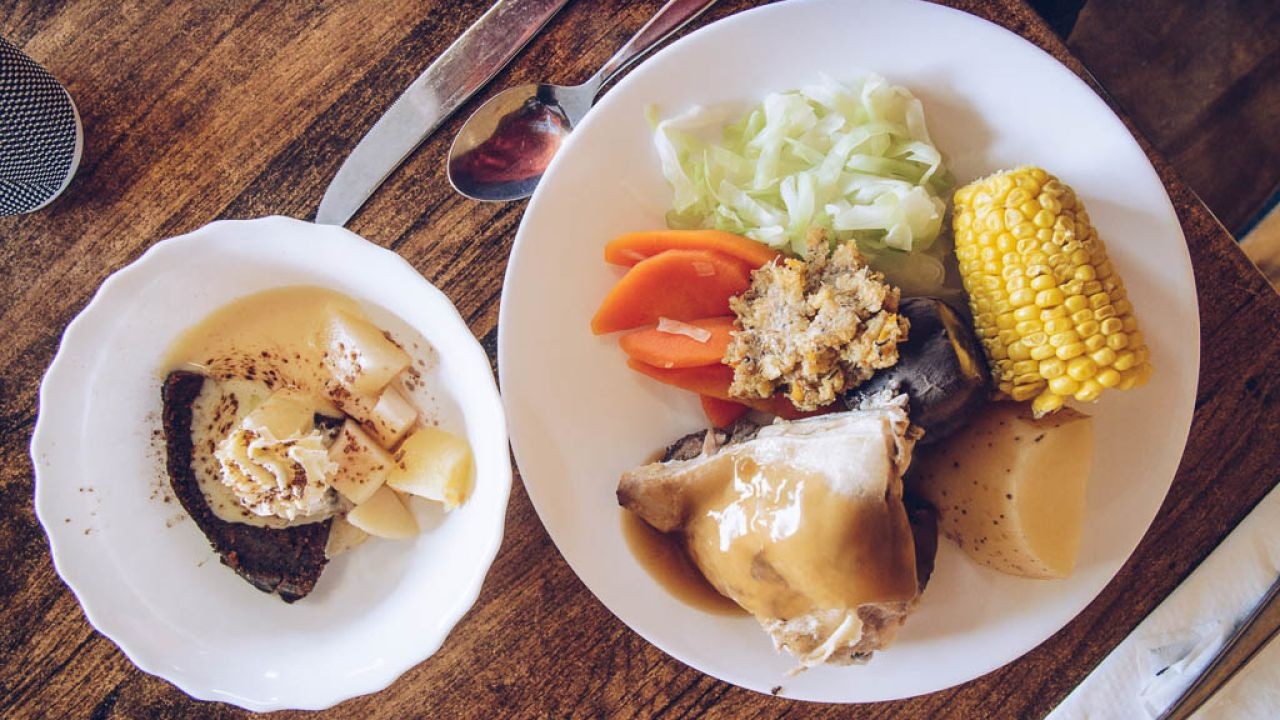
In recent years, the culinary world has seen a burgeoning interest in indigenous cuisines, and Māori cuisine is emerging as a significant player on the global stage. This trend is not only reshaping the gastronomic landscape in New Zealand but also influencing how foodies and chefs worldwide perceive indigenous flavors. The rise of Māori cuisine is a testament to the growing recognition of the cultural and economic importance of indigenous foods in New Zealand.
Future Forecast & Trends
The rise of Māori cuisine is part of a broader trend towards embracing indigenous and traditional foods globally. As health consciousness and sustainability become more pressing concerns, consumers are gravitating towards foods that are not only nutritious but also culturally significant. In New Zealand, this movement aligns with a national push towards recognizing and preserving Māori culture.
According to a report by the Ministry of Business, Innovation and Employment (MBIE), there is a 15% annual increase in consumer demand for indigenous foods in New Zealand. This growth is driven by a combination of factors including tourism, cultural pride, and the global food movement towards sustainability and authenticity.
Globally, the demand for indigenous cuisines is projected to increase. A study by Deloitte indicates that by 2030, indigenous foods will represent a significant portion of the global culinary market, driven by increasing consumer awareness and demand for sustainable food sources. For New Zealand, this means the potential for Māori cuisine to become a key export, bolstering the country's economy.
Data-Driven Report
The rise of Māori cuisine also has economic implications for New Zealand. As reported by Stats NZ, the food and beverage sector contributes significantly to the country's GDP, with indigenous foods gaining a larger share each year. The Māori economy, valued at over $50 billion, is poised to benefit significantly from this trend, as indigenous enterprises tap into the global market.
One notable example is the success of Māori-owned food companies such as Kono, which has successfully integrated traditional Māori ingredients into mainstream markets. Kono's use of native ingredients like kawakawa and pikopiko has not only differentiated their product line but also highlighted the economic potential of Māori cuisine. This approach has resulted in a 20% increase in product sales over the past two years, showcasing the lucrative opportunities within this market.
Pros & Cons Evaluation
Pros:
- Cultural Preservation: Promotes the preservation and celebration of Māori culture and traditions.
- Economic Growth: Supports the Māori economy and creates new business opportunities.
- Sustainability: Encourages the use of sustainable and locally-sourced ingredients.
- Health Benefits: Indigenous foods are often nutrient-rich and beneficial to health.
Cons:
- Market Challenges: Indigenous foods may face challenges in mainstream market acceptance.
- Cultural Sensitivity: Risk of cultural appropriation if not handled with respect and authenticity.
- Supply Chain Issues: Limited availability of indigenous ingredients can impact supply.
Industry Insights
Māori cuisine's rise is not happening in isolation. Industry experts suggest that this trend could reshape New Zealand's food and tourism sectors. Dr. Amanda Hughes, a property market researcher, notes that integrating Māori cultural experiences into the tourism industry could enhance visitor experiences and provide economic benefits to local communities.
Furthermore, the New Zealand government has been supportive of initiatives that promote indigenous foods. Policies aimed at supporting Māori-owned businesses and promoting cultural tourism are expected to further boost the sector. This support is crucial as it helps bridge the gap between traditional practices and modern market demands.
Globally, the success of indigenous cuisines can be seen in countries like Mexico, where traditional foods have been recognized as intangible cultural heritage by UNESCO. This recognition has not only elevated the cuisine on the world stage but also boosted tourism and local economies. New Zealand could follow a similar trajectory by promoting Māori cuisine as part of its cultural heritage.
Common Myths & Mistakes
- Myth: Indigenous foods are not suitable for modern diets. Reality: Indigenous foods are often more nutritious and aligned with health-conscious diets, providing essential nutrients and unique flavors.
- Myth: Māori cuisine is not scalable for mass production. Reality: With proper investment and innovation, Māori cuisine can be scaled to meet global demand while maintaining authenticity.
- Myth: Indigenous foods lack culinary appeal. Reality: Māori cuisine offers a wide range of flavors and textures that are increasingly popular among chefs and food enthusiasts worldwide.
Biggest Mistakes to Avoid
- Underestimating the importance of cultural authenticity. Solution: Engage with Māori communities to ensure cultural practices are respected and incorporated.
- Ignoring the supply chain complexities of indigenous ingredients. Solution: Develop sustainable sourcing strategies to ensure a consistent supply of ingredients.
- Failing to market Māori cuisine effectively. Solution: Highlight the unique flavors and cultural significance to create compelling marketing narratives.
Future Trends & Predictions
Looking ahead, the future of Māori cuisine is promising. As consumer preferences continue to shift towards sustainable and culturally-rich foods, Māori cuisine is well-positioned to capture a larger share of the global market. By 2030, it is predicted that Māori cuisine could become a staple in international culinary circles, much like Japanese or Mexican cuisine today.
Furthermore, as New Zealand strengthens its commitment to promoting indigenous culture through policies and tourism, the culinary landscape will likely see an increase in Māori-owned food businesses and innovations. This growth will not only benefit the Māori economy but also enrich New Zealand's cultural identity on the global stage.
Conclusion
The rise of Māori cuisine is more than just a culinary trend; it's a movement that celebrates cultural heritage, promotes sustainability, and offers economic opportunities. As New Zealand continues to embrace indigenous foods, both locally and internationally, the potential for Māori cuisine to become a global culinary phenomenon is immense.
To stay ahead in this evolving landscape, businesses and food enthusiasts alike should explore the unique flavors and cultural significance of Māori cuisine. Whether you're a chef, a traveler, or a foodie, embracing Māori cuisine offers a chance to experience a rich tapestry of flavors and traditions that New Zealand has to offer. Share your thoughts and experiences with Māori cuisine in the comments below!
People Also Ask (FAQ)
- How does Māori cuisine impact New Zealand's economy? Māori cuisine supports the Māori economy, boosts tourism, and creates new business opportunities, contributing significantly to New Zealand's GDP.
- What are the biggest misconceptions about Māori cuisine? One common myth is that indigenous foods lack culinary appeal. However, Māori cuisine offers unique flavors that are gaining popularity globally.
- What are the best strategies for promoting Māori cuisine? Experts recommend engaging with Māori communities, developing sustainable sourcing strategies, and creating compelling marketing narratives to highlight cultural significance.
Related Search Queries
- Māori cuisine recipes
- Indigenous foods of New Zealand
- Cultural significance of Māori food
- Traditional Māori ingredients
- Sustainable food trends in New Zealand
- Māori-owned food businesses
- Global indigenous cuisines
- New Zealand food and beverage industry
- Māori culinary experiences
- Tourism and Māori culture