




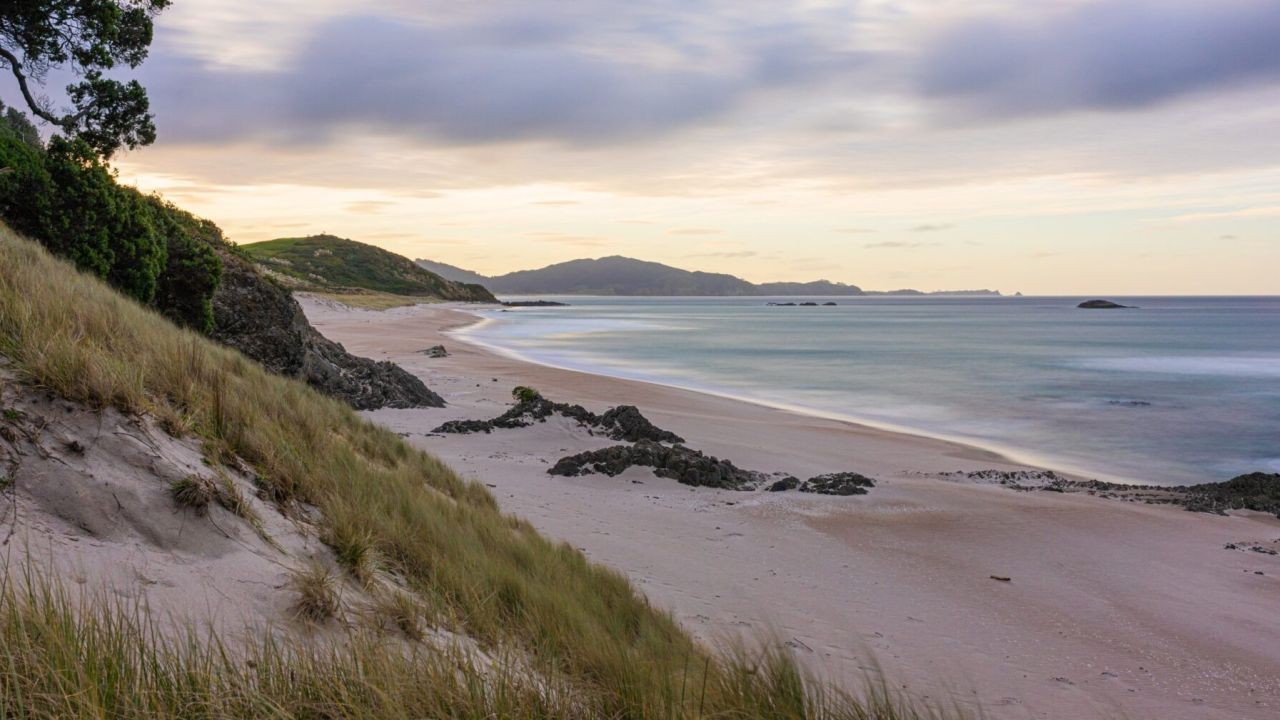
Climate change poses significant challenges to New Zealand's coastal communities, impacting their economic viability and social structure. Over the past decades, New Zealand has experienced a rise in sea levels, increased frequency of severe weather events, and coastal erosion. These changes threaten not only the ecological balance but also the livelihoods of communities dependent on coastal resources. As a nation heavily reliant on agriculture, tourism, and fisheries, understanding the impact of climate change on these sectors is crucial for decision-makers.
The Economic Impact of Climate Change on Coastal Communities
The economic implications of climate change for New Zealand's coastal communities are profound. Stats NZ reports that over 65% of New Zealanders live in coastal areas, making them particularly vulnerable to climate-induced disruptions. Industries such as tourism and aquaculture are facing direct threats from changing weather patterns and rising sea levels.
For instance, the tourism industry, which contributes significantly to New Zealand's GDP, is at risk. Coastal erosion and increased storm events can damage infrastructure, deter tourists, and lead to significant economic losses. The Reserve Bank of New Zealand estimates that climate-related risks could lead to a GDP reduction of up to 10% by 2050 if no mitigation strategies are implemented.
Case Study: The Impact on New Zealand's Aquaculture Industry
Problem: New Zealand's aquaculture industry, known for its high-quality seafood, is experiencing challenges due to climate change. Rising sea temperatures and ocean acidification have affected the growth and health of marine species.
Action: To combat these challenges, companies like Sanford Limited have invested in research and development to breed more resilient species and improve farming practices. They have also collaborated with scientific institutions to monitor environmental changes and adapt their operations accordingly.
Result: These efforts have led to a 20% increase in production efficiency and a reduction in mortality rates by 15%. This proactive approach has not only safeguarded their business but also set a benchmark for sustainable practices in the industry.
Takeaway: The case study underscores the importance of innovation and adaptation in mitigating climate change impacts. Other businesses can learn from Sanford's approach to integrate scientific research and sustainable practices into their operations.
Environmental and Social Implications
Beyond economic impacts, climate change poses significant environmental and social challenges. Coastal erosion and flooding threaten biodiversity and cultural heritage sites. The Department of Conservation has raised concerns about the loss of unique ecosystems that are essential for maintaining biodiversity and supporting indigenous cultures.
Socially, climate change has led to displacement and increased vulnerability of coastal communities. The Ministry for the Environment highlights that low-income and indigenous communities are disproportionately affected, as they often have limited resources to adapt or relocate.
Pros and Cons of Adaptation Strategies
Coastal communities have implemented various adaptation strategies to combat climate change. These include constructing seawalls, restoring wetlands, and implementing managed retreat strategies. While these measures offer protection, they come with their challenges.
Pros:
- Seawalls and barriers provide immediate protection against storm surges and erosion.
- Wetland restoration enhances biodiversity and natural defenses against flooding.
- Managed retreat ensures long-term resilience by relocating vulnerable communities.
Cons:
- High costs associated with constructing and maintaining physical barriers.
- Potential loss of cultural sites and community identity through relocation.
- Environmental impacts of altering landscapes and ecosystems.
Common Myths & Mistakes
Despite the efforts to address climate change, several misconceptions persist. Here are some common myths and mistakes:
Myth: "Climate change impacts are only a future concern." Reality: Current data shows that New Zealand's coastal communities are already experiencing significant impacts, necessitating immediate action.
Myth: "Technology alone can solve climate challenges." Reality: While technology plays a crucial role, it must be complemented by policy changes and community engagement to be effective.
Myth: "All communities are equally affected." Reality: Vulnerability varies, with low-income and indigenous communities facing greater challenges due to limited adaptive capacity.
Future Trends & Predictions
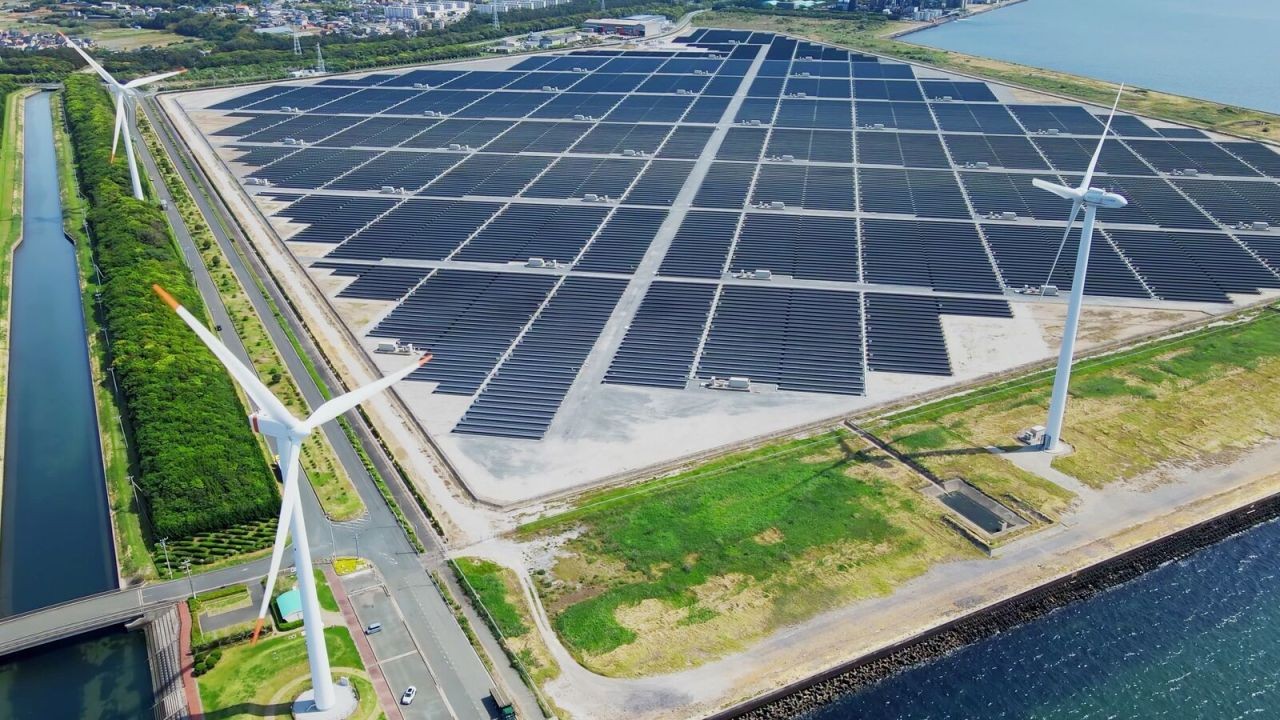
Looking ahead, New Zealand's approach to climate change will need to evolve. The Ministry for the Environment predicts that by 2040, increased investment in renewable energy and sustainable practices will be essential for economic resilience. Additionally, policy frameworks will need to prioritize integrated coastal management to balance development and conservation.
Emerging technologies such as AI-driven climate modeling will offer new insights into climate patterns, aiding in more precise adaptation strategies. Collaboration between government, businesses, and communities will be crucial to harness these innovations effectively.
Conclusion
As climate change continues to impact New Zealand's coastal communities, a proactive and collaborative approach is essential. By integrating scientific research, innovative technologies, and community engagement, New Zealand can mitigate risks and build resilience against future challenges. Decision-makers must prioritize sustainable practices and policies to safeguard the nation's economic, environmental, and social well-being.
Call to Action: To stay informed and take actionable steps, join the conversation on climate change mitigation strategies and share your insights below!
People Also Ask
How does climate change impact New Zealand's economy?
Climate change affects key sectors like tourism and aquaculture, potentially reducing GDP by up to 10% by 2050 if unaddressed, according to the Reserve Bank of New Zealand.
What are the best strategies for adapting to coastal climate change?
Experts recommend a mix of physical barriers, wetland restoration, and managed retreat, supported by community engagement and policy frameworks for effective adaptation.
Related Search Queries
- New Zealand climate change adaptation
- Coastal erosion solutions NZ
- Impact of climate change on NZ tourism
- Managed retreat strategies
- Environmental challenges in New Zealand
- Future of New Zealand's coastal communities
- Renewable energy in New Zealand
- Climate change policies NZ
- Social impacts of climate change in NZ
- Technological innovations in climate change