




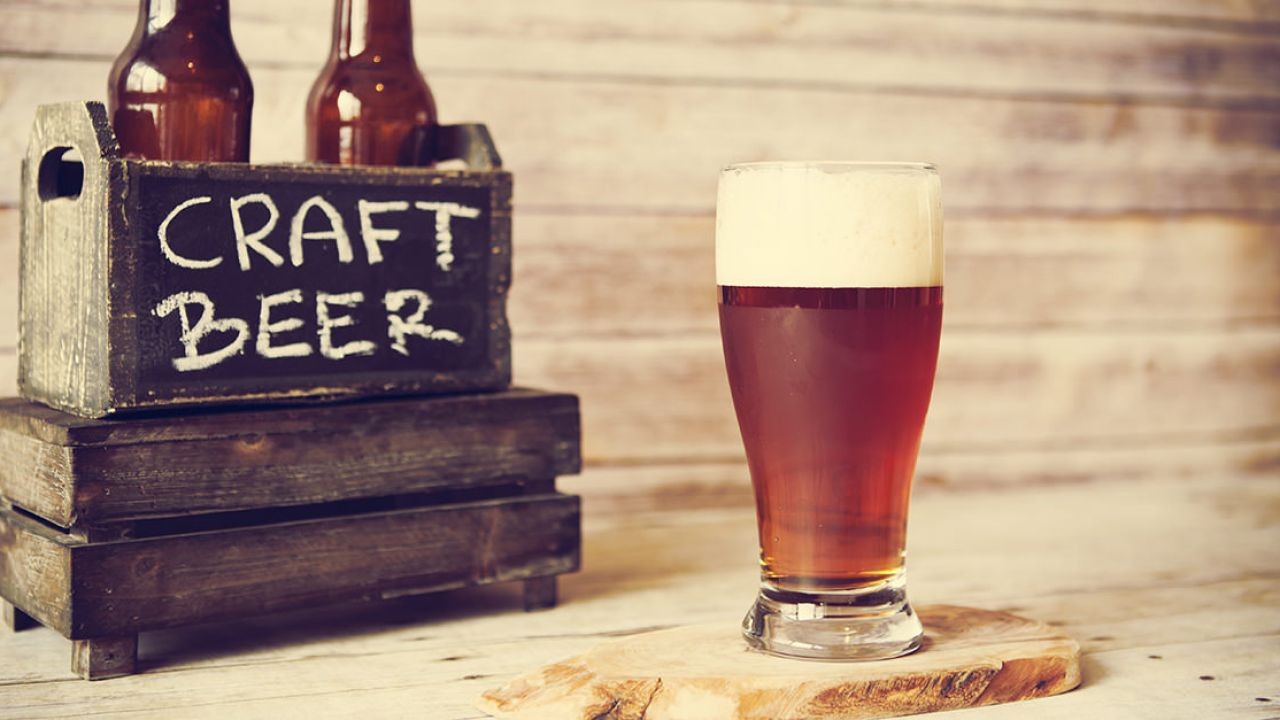
The frothy, convivial image of New Zealand's craft beer scene belies a market undergoing a profound and painful consolidation. What began as a grassroots rebellion against monolithic brewing has matured into a fiercely competitive, capital-intensive industry where passion alone is no longer a viable business model. From my vantage point, having worked with multiple NZ startups in the food and beverage sector, I've observed a critical inflection point: the era of easy growth is over. The market is now separating the commercially astute from the merely enthusiastic, with significant implications for investors, founders, and the economic fabric of regional New Zealand.
From Garage to Global: The Meteoric Rise and Inevitable Plateau
The narrative is well-rehearsed. Inspired by pioneers like Emerson's and aided by the Sale and Supply of Alcohol Act 2012, which eased restrictions on small-scale brewers, the sector exploded. At its peak, New Zealand boasted over 200 independent breweries, a staggering number for a nation of 5 million. This growth was fueled by a perfect storm of consumer demand for localism and flavour experimentation, readily available equipment, and a supportive hospitality network. However, this very success sowed the seeds of the current challenge. Market saturation became inevitable. According to Stats NZ, the value of manufactured beer sales actually declined by 2.2% in the year to March 2023, even as production volumes from smaller players increased. This indicates a brutal price squeeze and a zero-sum game for tap handles and shelf space.
The Capital Conundrum: Scaling Beyond the "Lifestyle Business"
The most pervasive myth I encounter is that a craft brewery is a "lifestyle business." This is a dangerous fallacy. In practice, with NZ-based teams I’ve advised, the journey from a 500-litre nano-system to a sustainable, profit-generating enterprise requires a seismic shift in mindset and capital structure. Initial setups can be bootstrapped, but true scaling—investing in automated canning lines, establishing a dedicated sales force, building a brand with national cut-through, and managing complex logistics—demands institutional capital. The problem? Many brewery founders are artists first, business managers second, and are often unprepared for the dilution and rigorous governance that professional investment entails.
Key actions for Kiwi brewery founders: Treat your business plan with the same rigor as a tech startup. Model your cash flow to the last cent, understand your unit economics (cost per litre, margin per SKU), and build a capital strategy that extends 18-24 months. Seek advisors who understand both consumer goods and the nuances of the NZ regulatory environment.
A Data-Driven Diagnosis: The Core Financial Pressures
To understand the sector's stresses, one must look at the pressure points from an investment banking perspective. The challenges are systemic and interlinked.
- Input Cost Inflation: The war in Ukraine and global supply chain disruptions sent the price of malt, hops, and aluminium soaring. Unlike multinationals, small brewers lack the purchasing power to hedge or secure long-term fixed-price contracts.
- Distribution Tyranny: The duopoly of Lion (Kirin) and DB (Heineken) still controls a vast majority of the on-premise tap network through tied-house arrangements and formidable sales forces. Gaining traction in major pubs and chains often requires conceding margin or accepting unfavourable terms.
- The Retail Bottleneck: Supermarket shelves are a battleground. Slotting fees and promotional costs can erase already thin margins. A study by the New Zealand Institute of Economic Research (NZIER) highlighted the reduced competition in the grocery sector, a market structure that inherently disadvantages small suppliers trying to negotiate fair terms.
- Crowded Consumer Mindshare: With hundreds of brands and limited SKU space, consumer loyalty is fleeting. Marketing and brand-building costs have escalated, necessitating professional-grade digital campaigns and experiential activations.
Case Study: Panhead Custom Ales – The Strategic Exit Blueprint
Problem: Panhead, founded in 2013 in Upper Hutt, rapidly developed a cult following for its bold, American-style ales and iconic brand. By 2016, it was one of NZ's fastest-growing independent breweries. However, this growth created a classic scaling paradox: demand outstripped production capacity, requiring significant capital investment for a new brewery. The founders faced a choice: take on dilutive venture capital, struggle with debt financing, or seek a strategic partner.
Action: In 2016, Panhead was acquired by Lion (Kirin) for a reported sum in the tens of millions. Critically, the deal was structured to preserve Panhead's operational autonomy and brand identity within Lion's "Craft Portfolio." Lion provided the capital for a state-of-the-art brewery in Mangatainoka, access to its national and international distribution networks, and economies of scale in purchasing.
Result: The acquisition was a landmark success.
- Panhead's production and distribution scaled nationally and into key export markets like Australia.
- The brand retained its authentic, edgy image while benefiting from corporate infrastructure.
- For the founders, it represented a highly successful liquidity event and a validation of their brand's value.
Takeaway: The Panhead case is not a sell-out narrative; it's a masterclass in strategic capital allocation. It demonstrates that for some founders, a trade sale to a larger entity with a dedicated craft division can be the optimal path to achieve brand legacy and scale, while providing a clear return for early investors. Drawing on my experience in the NZ market, this model is increasingly relevant as more successful independents reach their growth ceiling.
The Great Debate: Independence vs. Strategic Partnership
This case study frames the sector's central debate: is purity of independence worth the constraints on growth and financial risk?
✅ The Purist Argument (Stay Independent)
Advocates argue that true craft ethos is inextricably linked to independence. They believe:
- Brand Authenticity: Consumer trust is built on genuine independence. Any corporate association can damage the brand's credibility with the core customer base.
- Creative Freedom: Independent brewers can take risks on novel styles without corporate sales targets dictating the portfolio.
- Community Connection: Remaining locally owned reinforces the "local hero" status and keeps profits within the community.
Proponent View: "Our brand is our community. Selling out would betray the very people who built us," states a Wellington-based brewery owner who rejected acquisition overtures.
❌ The Pragmatist Argument (Consider Strategic Capital)
Critics of the purist stance see willful limitation. They contend:
- Scale is Survival: In a crowded market, only brands with scale can afford effective marketing, R&D, and withstand economic shocks.
- Access to Market: Corporate partners provide instant access to distribution channels that would take decades to build independently.
- Founder Reward & Continuity: A sale provides founder liquidity, rewards early risk, and can ensure the brand's long-term survival with professional management.
Critic View: "Romanticism doesn't pay the excise bill. Without the capital to compete on brand awareness and shelf presence, you become a footnote," argues a food & beverage investment analyst.
⚖️ The Middle Ground: Hybrid Models and Alternative Capital
The future likely lies in nuanced models. Based on my work with NZ SMEs, we are seeing the rise of:
- Minority Stakes: Selling a non-controlling stake to a family office or impact investor to fund growth without losing operational control.
- Co-operative Consolidation: Groups of independent brewers pooling resources for shared purchasing, distribution, and marketing—a model seen in Scandinavia.
- Specialist Funds: The emergence of investment funds dedicated to craft beverage brands, offering more founder-friendly terms than traditional VC.
Common Myths and Costly Mistakes
Myth 1: "If you brew great beer, they will come." Reality: This is the most dangerous assumption. In a saturated market, superior product is merely the price of entry. Commercial success is 70% business execution—marketing, sales, logistics, and financial management. From consulting with local businesses in New Zealand, I've seen brilliant brewers fail due to a neglect of basic commercial hygiene.
Myth 2: "Taproom revenue is a sustainable foundation." Reality: While high-margin, taproom revenue is capped by physical capacity and location. It is vulnerable to seasonal swings, weather, and local competition. Relying on it for more than 30-40% of revenue creates significant volatility. Sustainable scale requires winning in the off-premise (retail) channel.
Myth 3: "Export markets are a golden ticket." Reality: Exporting is a capital-intensive, high-risk strategy. It involves navigating complex regulations, building distributor relationships from afar, and competing in unfamiliar markets. Many NZ brewers have burned capital on ill-planned export forays. It should be pursued only after establishing a strong, profitable domestic base.
❌ Biggest Financial Mistakes to Avoid
- Under-Capitalising for Growth: The "if we build it, they will come" expansion. Investing in a larger brewery before securing committed sales channels is a direct path to insolvency.
- Ignoring Unit Economics: Not knowing the true production cost of each beer, including excise, packaging, and labour. This leads to pricing that fails to generate a sustainable margin.
- Poor Debt Structuring: Using short-term debt (e.g., overdrafts) to finance long-term capital assets (fermentation tanks). This creates a perpetual refinancing risk.
- Founder Dependence: The business is inseparable from the founder's daily involvement, making it unsaleable and unfinanceable. Building a professional management layer is essential for value creation.
The Future of NZ Craft: Consolidation, Premiumisation, and Experientialisation
The next five years will be defined by three dominant trends, synthesised from market data and global analogues.
- Accelerated Consolidation: The number of operational breweries will contract by 20-30%. This will occur through outright failures, mergers between regionals, and strategic acquisitions by both local consolidators and multinationals. This is a healthy market correction, not a catastrophe.
- Extreme Premiumisation: To protect margins, the surviving players will shift focus upwards. This means more limited releases, barrel-aged programmes, and ingredient-forward styles that command higher price points and cannot be easily replicated by large-scale producers.
- The Brewery as a Destination: The taproom will evolve from a sales channel to a core experiential product. Successful breweries will integrate full kitchens, host events, offer tours, and leverage their site as a tourism asset—a trend already evident in regions like Nelson and Queenstown.
Bold Prediction: By 2028, we will see the first NZ craft brewery listing on the NZX's Small Cap board, having used public capital to fund a roll-up strategy of smaller regional brands, creating the first independent, publicly-listed craft beverage group in the country.
Final Takeaway & Strategic Call to Action
New Zealand's craft beer scene is not dying; it is maturing. The adolescence of unchecked growth has given way to the adulthood of strategic finance and operational excellence. For investors, this presents a more rigorous but potentially more rewarding landscape—look for teams that balance brewing prowess with commercial acumen. For founders, the mandate is clear: professionalise or perish.
The romantic, garage-born era is a cherished part of our story, but the future belongs to the strategically savvy. The question for every player in this ecosystem is no longer just "what's in your glass?" but "what's on your balance sheet, and what's your path to sustainable scale?"
What’s your next move? Are you a founder needing a strategic capital roadmap, or an investor assessing this sector's viability? The conversation has moved from the bar to the boardroom. Let's discuss.
People Also Ask (PAA)
How does the grocery duopoly impact NZ craft brewers? The concentrated power of major supermarkets allows them to impose high slotting fees and promotional costs on suppliers. This squeezes the already thin margins of small brewers, making it difficult to achieve profitability through retail without significant scale or brand power.
What are the best exit strategies for a successful craft brewery? The optimal exit depends on goals. A trade sale to a strategic (like Lion/DB) offers full liquidity and scale. A sale to a private equity-backed consolidator can provide partial liquidity and growth capital. For founders wishing to stay involved, a minority sale to a specialist fund or employee ownership trust are viable alternatives.
What upcoming regulatory changes could affect the industry? Potential reforms stemming from the Commerce Commission's market study into groceries could improve wholesale access for small brewers. Additionally, any changes to the Alcohol Excise Act, which currently taxes based on alcohol volume rather than product value, would significantly impact the high-ABV, premium end of the craft market.
Related Search Queries
- NZ craft brewery investment opportunities 2024
- Craft beer market saturation New Zealand
- Cost to start a microbrewery NZ
- Panhead Brewery acquisition case study
- NZ beer excise tax rate impact
- Independent vs owned craft breweries NZ
- Exporting New Zealand craft beer challenges
- Craft brewery business plan financial model
- Stats NZ alcohol manufacturing data
- Future of hospitality for NZ breweries
For the full context and strategies on 11. New Zealand's Craft Beer Scene – Why It’s Making Headlines in NZ, see our main guide: Community Centric Advertising Vidude Vs Global Ad Platforms.