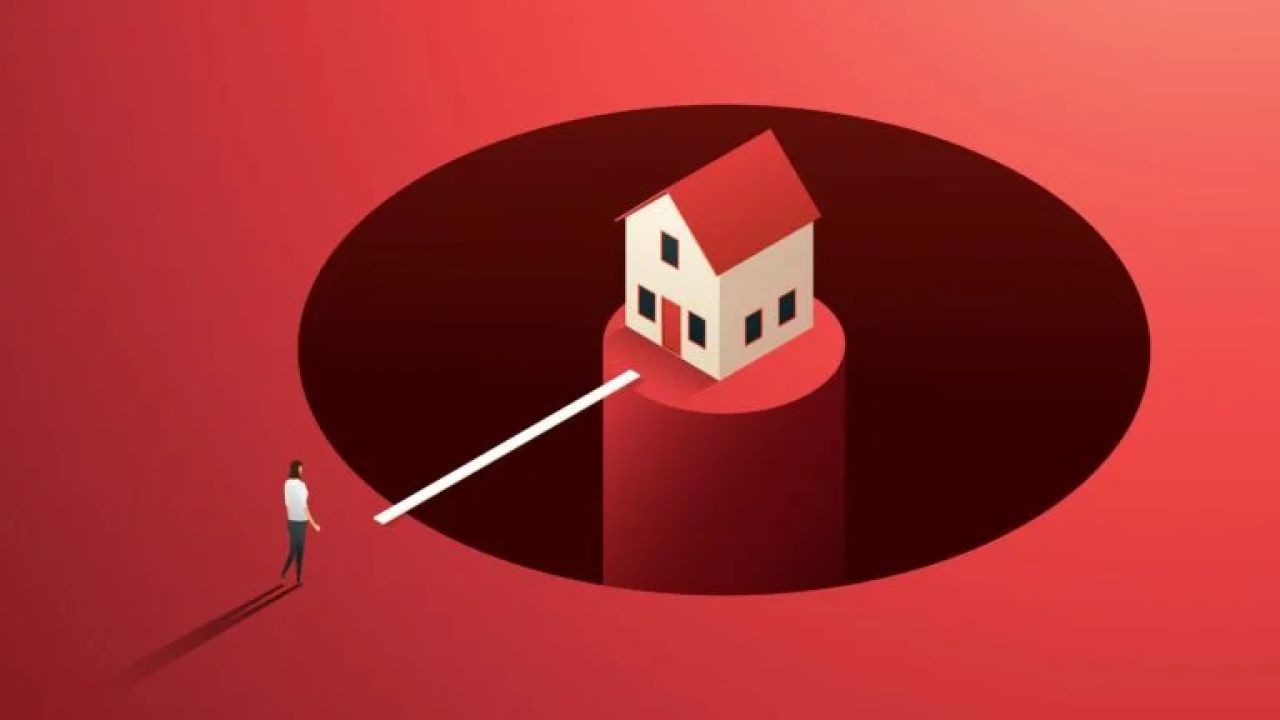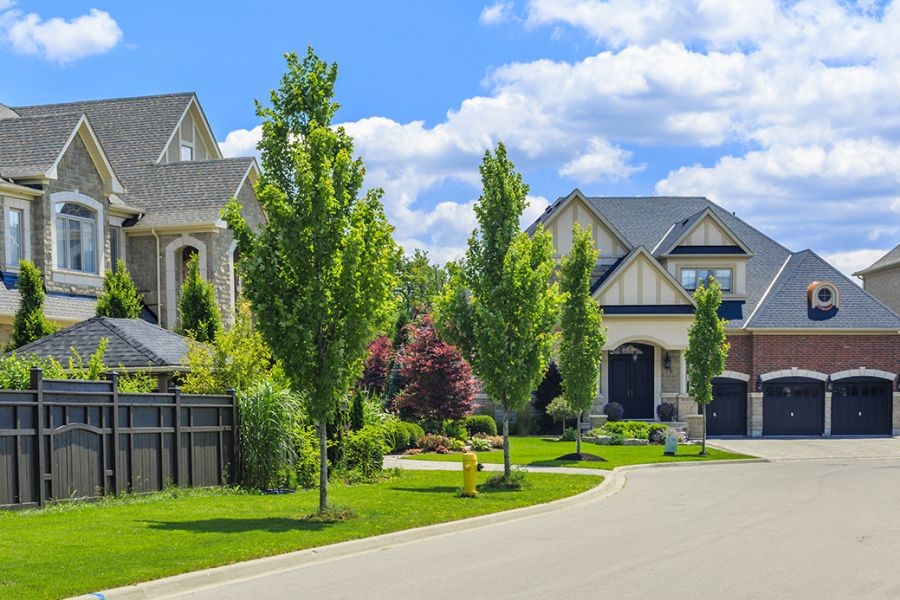






Understanding the dynamics of the middle class in New Zealand is crucial for property investors looking to align their strategies with socioeconomic shifts. As affordability and economic stability become increasingly pressing concerns, this article delves into whether it's viable to be middle class in New Zealand today, using data-backed insights and expert analysis.
What Defines the Middle Class in New Zealand Today?
Traditionally, the middle class is characterized by moderate income levels, home ownership, and financial stability. However, recent data from Stats NZ indicates that the median household income has not kept pace with the rising cost of living, especially in urban centers like Auckland and Wellington. This income stagnation challenges the ability of many to maintain a middle-class lifestyle, particularly when factoring in property ownership—a key component of middle-class status.
Are Rising Property Prices Excluding the Middle Class?
Property prices in New Zealand have soared, with the Reserve Bank of New Zealand noting a 27% increase in the national median house price over the past five years. This has significant implications for middle-class families, as purchasing a home becomes increasingly unattainable. For investors, this presents a dual-edged sword: while property value increases can boost portfolio values, the shrinking pool of potential middle-class homeowners may affect rental demand and resale opportunities.
How Are Economic Policies Impacting the Middle Class?
Government policies, such as the Healthy Homes Standards, aim to improve living conditions but also inadvertently increase costs for landlords, which are often passed on to tenants. The Ministry of Business, Innovation and Employment (MBIE) has highlighted that compliance costs could reduce housing affordability further, thus stretching the middle class even thinner.
Case Study: The Auckland Housing Market
Problem: With a booming population and limited housing supply, Auckland has become one of the least affordable cities in the world.
Action: The Auckland Council initiated the Unitary Plan to increase density and housing supply.
Result: Although this plan increased housing stock by 9% over three years, property prices continued to rise due to demand outpacing supply.
Takeaway: Investors should consider the potential long-term benefits of increased housing density but remain cautious of ongoing demand-induced price hikes.
Common Myths & Mistakes About the Middle Class in NZ
Myth 1: "Owning a home is always a sign of being middle class."
Reality: Many middle-class families in New Zealand now rent due to prohibitive housing costs, challenging traditional notions of middle-class status.
Myth 2: "The middle class is shrinking globally, not just in New Zealand."
Reality: While global trends show a decline, New Zealand's specific economic policies and housing market conditions exacerbate this trend locally.
Myth 3: "Government policies will soon alleviate middle-class struggles."
Reality: While policies aim to assist, the complexity and slow implementation mean significant impacts may not be felt for years.
Future Trends: What Investors Should Watch
Looking forward, investors must stay informed about regulatory changes and economic forecasts. According to a Deloitte report, New Zealand's property market may see a correction by 2026, which could affect asset values and investment strategies. Additionally, technological advancements and remote work trends might shift demand from urban to rural properties, altering traditional investment hotspots.
Final Takeaways
- Fact: The middle class in New Zealand is under significant pressure due to rising living costs and stagnant incomes.
- Strategy: Investors should diversify portfolios to include both urban and emerging rural markets.
- Mistake to Avoid: Do not assume government policies will quickly resolve housing affordability issues.
- Pro Tip: Consider long-term investments in areas poised for growth due to new infrastructure projects.
Are you ready to adapt your investment strategy to these changing dynamics? Share your thoughts in the comments below and stay ahead by subscribing to our insights newsletter.
People Also Ask
How does the middle class impact property investment in New Zealand?
The shrinking middle class affects property demand, particularly in home ownership, requiring investors to adjust strategies towards rental markets and diversified portfolios.
What are the biggest misconceptions about the middle class in New Zealand?
A common myth is that home ownership always indicates middle-class status. However, high property prices now make renting a more common reality for many.
What are the best strategies for investing in New Zealand's property market?
Experts recommend focusing on areas with infrastructure growth, considering rental properties, and staying informed on regulatory changes impacting housing.
Related Search Queries
- New Zealand middle class income 2026
- Property investment strategies NZ
- Auckland housing market trends
- Middle class economic challenges in NZ
- Future of real estate in New Zealand