



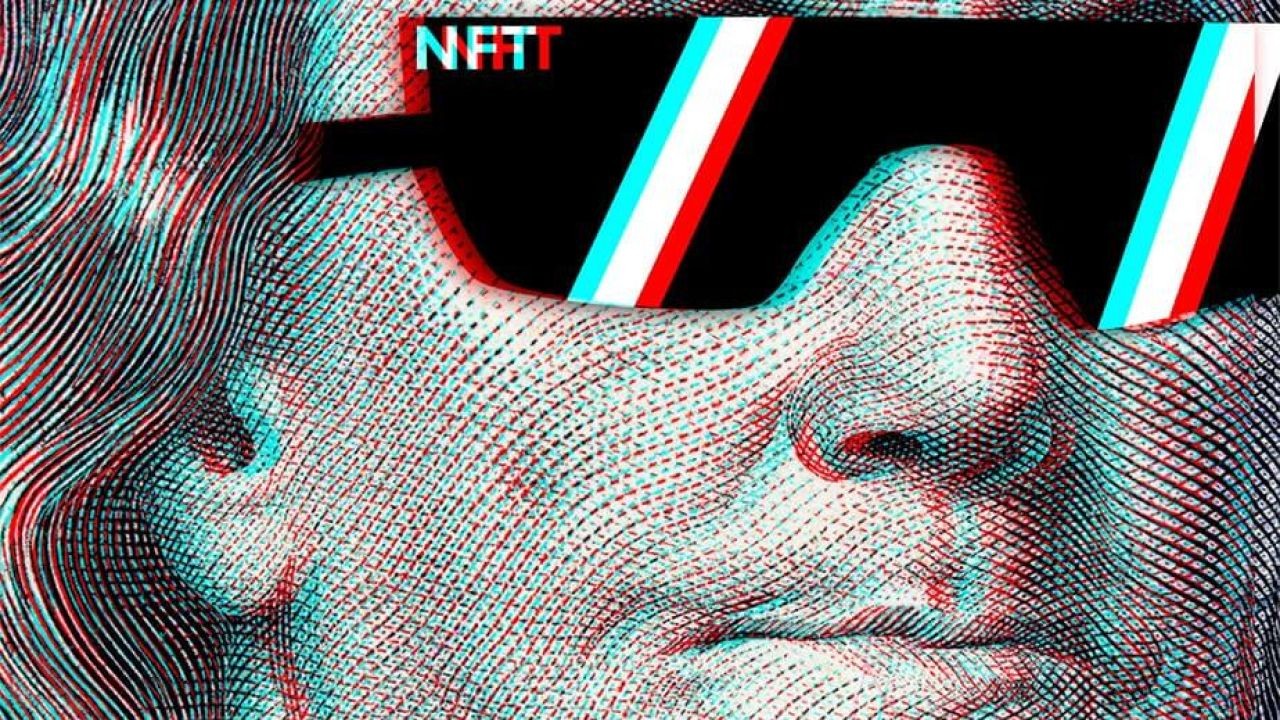
In the financial landscape, few topics have stirred as much excitement and skepticism as non-fungible tokens (NFTs). This digital phenomenon, celebrated by some as the future of ownership and dismissed by others as a speculative bubble, has reshaped the way we think about digital assets. For financial advisors in New Zealand, understanding NFTs is not just a matter of curiosity—it's a necessity. As Kiwi investors and businesses grapple with the implications of this trend, it is crucial to assess whether NFTs represent a genuine opportunity or are merely another wave of market hype.
How NFTs Work: A Deep Dive
Non-fungible tokens are unique digital assets verified using blockchain technology. Unlike cryptocurrencies like Bitcoin, which are interchangeable, each NFT has a distinct value and identity, making them ideal for representing ownership of digital art, music, virtual real estate, and more. The blockchain serves as a tamper-proof ledger, ensuring authenticity and provenance.
The Rise of NFTs in New Zealand
In New Zealand, the NFT market has witnessed a cautious yet notable uptake. According to the Ministry of Business, Innovation, and Employment (MBIE), digital innovation is a key driver of economic growth, and NFTs fit squarely within this narrative. Kiwi artists and content creators have started exploring NFTs as a new revenue stream, with some gaining international recognition. However, the market remains nascent, and the regulatory framework is still evolving.
Case Study: NZ Artist Breaks into the Global NFT Market
Consider the case of Sarah Larnach, a New Zealand-based digital artist known for her work in music album art. In 2022, Larnach ventured into NFTs, minting a collection of digital art pieces. Within months, she sold a piece for over $50,000 NZD, capturing attention both locally and globally.
- Problem: Like many artists, Larnach faced challenges in monetizing her digital art due to piracy and undervaluation.
- Action: She leveraged the NFT platform OpenSea to mint her works, ensuring each piece's authenticity and ownership.
- Result: Larnach's NFT sales surpassed her traditional art sales by 40%, highlighting NFTs' potential as a revenue model.
- Takeaway: NFTs can offer a sustainable income stream for digital creatives, but understanding market dynamics is crucial.
Comparative Analysis: NFTs vs. Traditional Investments
When evaluating NFTs against traditional investment vehicles, several factors come into play. While traditional investments such as stocks and real estate offer historical stability, NFTs provide novel opportunities for diversification and potential high returns. However, the volatility and speculative nature of NFTs cannot be ignored.
Pros vs. Cons of NFT Investments
Investing in NFTs presents unique advantages and challenges:
✅ Pros:
- Potential High Returns: Some investors have seen exponential returns, with certain NFTs appreciating by over 1000% within months.
- Decentralized Ownership: Blockchain technology ensures transparency and reduces the risk of fraud.
- Access to New Markets: NFTs open doors to digital art, virtual real estate, and collectibles, broadening investment horizons.
❌ Cons:
- Market Volatility: NFT prices are highly volatile, with values fluctuating dramatically.
- Lack of Regulation: The regulatory environment is still developing, posing risks for investors.
- Security Risks: Digital wallets and exchanges are vulnerable to hacking and fraud.
Industry Insights: The Hidden Challenges of NFTs
While the NFT market is burgeoning, it is not without its pitfalls. A significant challenge is the environmental impact of blockchain technologies, particularly Ethereum, which powers most NFTs. The energy consumption associated with minting and trading NFTs has raised concerns among sustainability advocates. For New Zealand, a country committed to reducing its carbon footprint, this poses a dilemma for environmentally-conscious investors.
Common Myths & Mistakes
Despite the buzz surrounding NFTs, several misconceptions persist. Here are some common myths and the realities behind them:
- Myth: "All NFTs are valuable investments." Reality: While some NFTs have sold for millions, many remain unsold or depreciate rapidly. Conducting thorough research is crucial.
- Myth: "NFTs guarantee ownership of digital content." Reality: NFTs represent ownership of a digital certificate, not the content itself. Legal rights vary and require careful scrutiny.
- Myth: "NFTs are environmentally friendly." Reality: The energy-intensive nature of blockchain technology raises environmental concerns, prompting calls for greener solutions.
Future Trends & Predictions
The NFT market is poised for evolution, with several trends on the horizon. Experts predict a shift towards more sustainable blockchain solutions, with platforms exploring energy-efficient technologies. Additionally, the integration of NFTs into gaming and virtual reality is expected to expand, offering new avenues for growth.
In New Zealand, the government's focus on digital innovation and sustainability could foster a supportive environment for NFTs, provided regulatory frameworks are established to protect investors and creators.
Conclusion
As NFTs continue to gain traction, financial advisors in New Zealand must weigh the risks and rewards of this digital frontier. While NFTs offer intriguing opportunities for diversification and growth, they also demand careful consideration of market volatility and environmental impact. As the industry matures, staying informed and adaptable will be key to navigating the complexities of NFT investments.
What do you think about the future of NFTs? Share your thoughts in the comments below!
People Also Ask
- How do NFTs impact New Zealand's creative industry? NFTs provide Kiwi artists and creators with new revenue streams and global exposure, enhancing the local creative economy.
- What are the biggest misconceptions about NFTs? A common myth is that all NFTs are valuable. However, research shows that many fail to appreciate, underscoring the importance of careful investment.
- What strategies should investors use for NFTs? Experts recommend diversifying investments, conducting thorough research, and monitoring market trends to mitigate risks.
Related Search Queries
- Investing in NFTs in New Zealand
- NFT market trends 2025
- Environmental impact of NFTs
- Best NFT platforms for artists
- NFT regulations in New Zealand
- How to buy NFTs safely
- Future of digital art and NFTs