



Globalization has been hailed as a liberating force, breaking down barriers and connecting disparate cultures. Yet, for the Maori people of New Zealand, this tide of global influence presents a paradox. As the Maori work to preserve and revitalize their unique heritage, they face immense pressure from the forces of globalization, which often prioritize economic gains over cultural preservation. This article explores the clash and potential coexistence of Maori cultural preservation and globalization within New Zealand's socio-economic landscape.
Introduction: The Maori Cultural Dilemma
Imagine a world where the ancient traditions of the Maori seamlessly integrate with modern economic practices. This vision is as compelling as it is complex. The Maori, who make up about 16.5% of New Zealand's population (Stats NZ, 2023), are not only key stakeholders in the nation’s cultural identity but also significant contributors to its economy. However, the rapid pace of globalization poses challenges to their cultural preservation efforts.
As the global economy continues to influence New Zealand's policies and industries, the Maori face a critical question: Can their cultural heritage coexist with the economic imperatives of globalization? This article delves into the intricate balance between these two forces, offering insights into how they might align or clash.
Understanding the Stakes: Maori Culture and Globalization
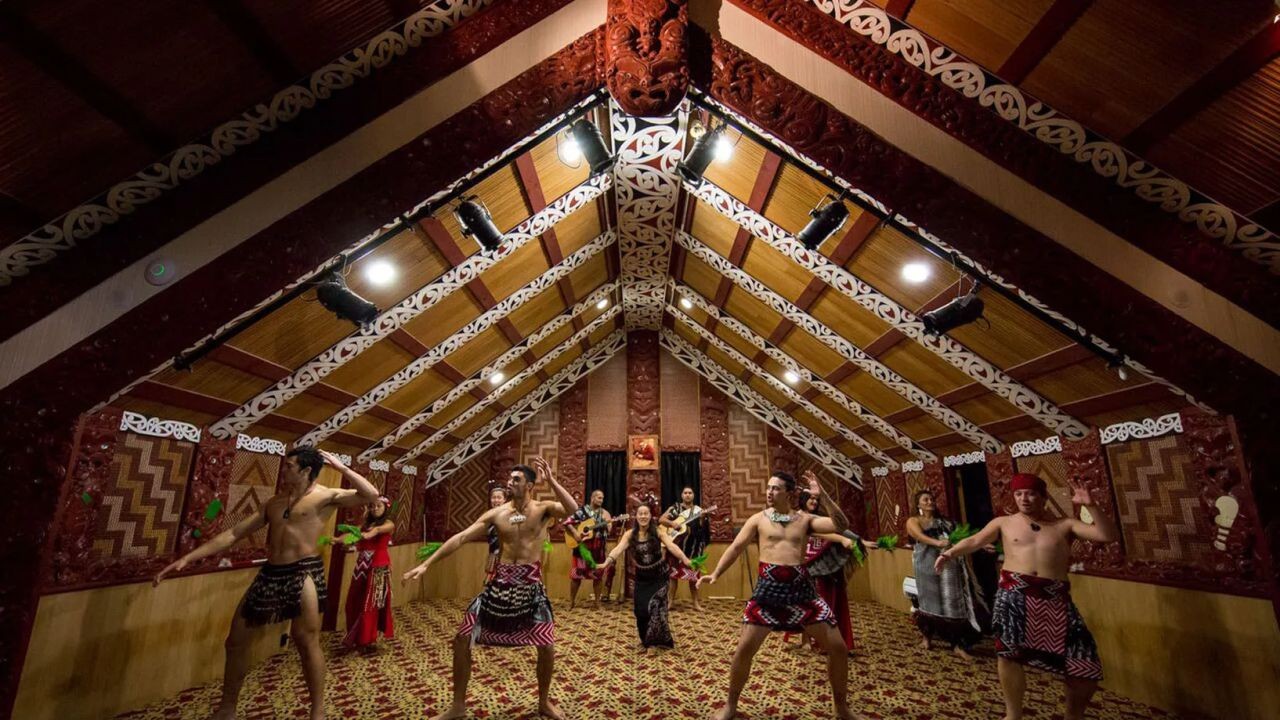
Globalization has brought both opportunities and threats to Maori culture. On one hand, it has facilitated the export of Maori art and culture, leading to increased global recognition. On the other, it risks diluting cultural practices by commodifying them for global consumption.
- Opportunities: The global market for cultural tourism has grown, offering Maori communities economic benefits through cultural exhibitions and performances.
- Threats: The commercialization of Maori symbols and traditions can lead to cultural erosion and misrepresentation.
In New Zealand, the government recognizes the importance of protecting Maori culture. The Ministry of Business, Innovation and Employment (MBIE) has initiated policies to support Maori enterprises, aiming to balance cultural preservation with economic growth. However, the challenge lies in maintaining this equilibrium as globalization intensifies.
Case Study: Te Urewera and the Integration of Maori Values
Problem:
Te Urewera, formerly a national park, faced challenges in integrating Maori values with environmental and economic goals. The area, inhabited by the Tuhoe Maori tribe, was under threat from government-led tourism initiatives that prioritized economic benefits over cultural preservation.
Action:
In 2014, Te Urewera was granted legal personhood, recognizing its entire ecosystem as an entity with intrinsic rights. This unprecedented move allowed the Tuhoe to co-manage the land, ensuring that their cultural values and traditional knowledge were incorporated into environmental management and tourism strategies.
Result:
- Tourism activities in Te Urewera are now aligned with Maori values, emphasizing sustainable practices.
- The area's biodiversity has improved, showcasing the effectiveness of integrating traditional ecological knowledge with modern conservation techniques.
Takeaway:
This case highlights the potential for Maori values to coexist with economic activities through innovative governance structures. Such models can inspire other regions to adopt culturally sensitive approaches to economic development.
Pros and Cons of Globalization for Maori Cultural Preservation
Pros:
- Increased Visibility: Globalization has elevated Maori culture on the world stage, enhancing its visibility and appreciation.
- Economic Opportunities: Maori businesses have tapped into global markets, boosting economic prospects.
- Knowledge Exchange: Globalization fosters cross-cultural exchanges, enriching Maori cultural practices through new perspectives.
Cons:
- Cultural Dilution: The commercialization of Maori culture risks reducing it to mere products for global consumption.
- Loss of Autonomy: Global economic pressures can undermine Maori self-determination in cultural matters.
- Identity Challenges: Younger generations may struggle to reconcile traditional values with global influences.
Contrasting Viewpoints: Cultural Preservation vs. Economic Growth
Advocate Perspective:
Proponents of globalization argue that economic integration can empower Maori communities by providing resources to preserve and promote their culture. They cite the success of Maori businesses in the tourism and arts sectors as evidence that globalization can be a force for good.
Critic Perspective:
Critics caution that the economic benefits of globalization often come at the expense of cultural integrity. They highlight instances where Maori symbols have been appropriated without consent, leading to cultural misrepresentation and exploitation.
Middle Ground:
A balanced approach that prioritizes Maori leadership in global ventures can help mitigate these risks. By ensuring Maori voices are central in decision-making, New Zealand can protect cultural integrity while pursuing economic growth.
Common Myths and Mistakes
Myth vs. Reality
- Myth: "Globalization will inevitably lead to cultural loss." Reality: With strategic policies and local leadership, globalization can coexist with cultural preservation, as seen in Te Urewera.
- Myth: "Maori culture is static and resistant to change." Reality: Maori culture is dynamic, with a history of adapting and integrating new influences.
- Myth: "Economic growth always benefits cultural preservation." Reality: Unchecked economic expansion can undermine cultural values if not managed with cultural sensitivity.
Future Trends and Predictions
As New Zealand navigates the future, the integration of Maori cultural values into economic practices is likely to gain traction. By 2030, it is predicted that Maori-led enterprises will play a pivotal role in the nation’s economy, driven by a unique blend of traditional knowledge and modern innovation (Deloitte, 2023).
Moreover, the global trend towards sustainable and ethical business practices aligns with Maori cultural values, offering a competitive edge in international markets. This alignment presents opportunities for Maori culture to not only survive but thrive in a globalized world.
Conclusion: Embracing a Harmonious Future
The coexistence of Maori cultural preservation and globalization is not only possible but also essential for New Zealand's future. By fostering an environment where Maori values are integral to economic strategies, New Zealand can set a precedent for cultural resilience in a globalized world.
To achieve this harmonious future, ongoing collaboration between Maori communities, government, and industry is crucial. By prioritizing cultural integrity alongside economic growth, New Zealand can ensure that its rich cultural tapestry remains vibrant and influential on the global stage.
What are your thoughts on this complex interplay? Share your insights and join the discussion!
Related Search Queries
- Globalization impact on indigenous cultures
- Te Urewera legal personhood
- Maori cultural preservation strategies
- New Zealand globalization policies