





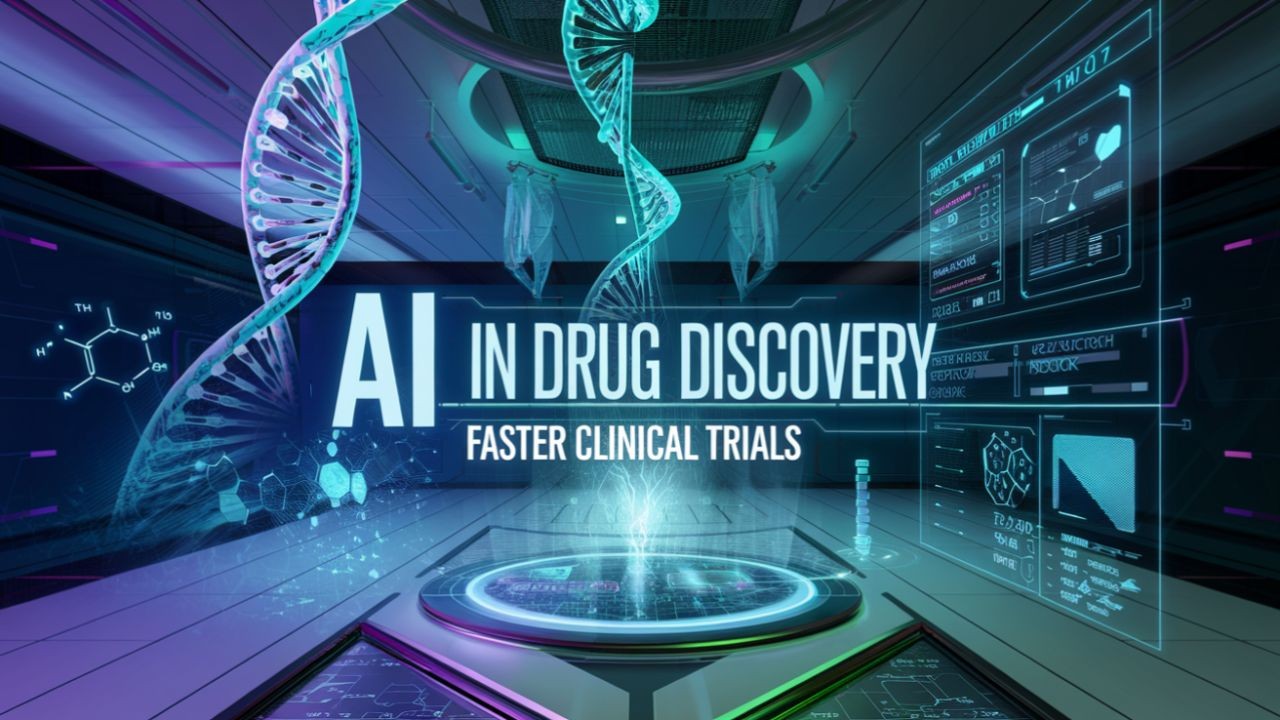
In the rapidly evolving world of pharmaceuticals, the integration of Artificial Intelligence (AI) presents a remarkable opportunity to revolutionize drug discovery. In New Zealand, where the pharmaceutical industry contributes significantly to the economy, the potential of AI to accelerate drug development is particularly pertinent. As financial advisors, understanding these innovations can open new avenues for investment and economic growth. By leveraging AI, we can not only expedite the drug discovery process but also contribute to a healthier and more prosperous society.
Future Forecast & Trends
The future of drug discovery in New Zealand is poised for transformation, driven by AI technologies that analyze vast datasets to predict drug efficacy and safety with unprecedented speed and accuracy. According to a report from the Ministry of Business, Innovation, and Employment (MBIE), the New Zealand tech sector, including AI, is expected to grow by 23% over the next five years, underscoring the increasing importance of AI across various industries.
Globally, AI applications in drug discovery are projected to reduce the time and cost associated with bringing new drugs to market by as much as 50%. In New Zealand, this could mean faster access to cutting-edge treatments and a stronger position in the global pharmaceutical market. AI is already proving its worth in identifying drug candidates, optimizing clinical trial designs, and predicting patient responses, thereby enhancing efficiency and reducing risks.
Debate & Contrasting Views
While the benefits of AI in drug discovery are clear, there are contrasting views on its implementation. Advocates argue that AI can significantly reduce the failure rate of drug trials, which currently stands at around 90%. By analyzing historical trial data, AI can identify promising candidates earlier in the process, saving both time and resources.
Critics, however, raise concerns about the ethical implications and the potential for AI to make errors that could be overlooked by human oversight. There is also the fear of over-reliance on AI systems, which may lead to a loss of expertise in traditional drug development practices.
The middle ground suggests a collaborative approach where AI complements human expertise. This hybrid model ensures that AI-driven insights are validated by experienced researchers, creating a robust framework for innovation in the pharmaceutical sector.
Pros and Cons of AI in Drug Discovery
Pros:
- Efficiency: AI can process vast amounts of data quickly, identifying potential drug candidates faster than traditional methods.
- Cost Reduction: By optimizing trial designs and predicting outcomes, AI reduces the overall cost of drug development.
- Market Advantage: Early adoption of AI can position New Zealand as a leader in innovative pharmaceuticals.
- Personalized Medicine: AI allows for the development of tailored treatments, improving patient outcomes.
Cons:
- Ethical Concerns: The use of AI raises questions about data privacy and the potential for bias in algorithms.
- Initial Costs: Implementing AI technology requires significant upfront investment in infrastructure and training.
- Regulatory Challenges: Adapting existing regulatory frameworks to accommodate AI innovations can be complex and time-consuming.
- Over-Reliance: Dependence on AI could lead to a reduction in human expertise and oversight.
Expert Opinion & Thought Leadership
Dr. Sarah Thompson, a leading AI strategist in New Zealand, emphasizes the transformative potential of AI in drug discovery. She notes, "AI is not just a tool but a strategic asset that, when integrated effectively, can lead to unprecedented advancements in pharmaceutical innovation." Dr. Thompson suggests that investing in AI-driven drug discovery can position New Zealand as a hub for cutting-edge medical research.
Case Study: Antipodean Pharmaceuticals – Accelerating Drug Discovery with AI
Problem: Antipodean Pharmaceuticals, a New Zealand-based biotech firm, faced challenges in speeding up their drug development pipeline. Traditional methods were proving too slow and costly.
Action: The company integrated AI platforms to analyze biological data, identify drug targets, and simulate clinical trials. This approach allowed them to streamline their research and development process significantly.
Result: Within 18 months, Antipodean Pharmaceuticals reduced their drug development cycle by 40%. They also saw a 30% increase in successful trial outcomes, highlighting AI's role in enhancing drug discovery efficiency.
Takeaway: This case study illustrates the potential of AI to transform drug discovery processes. New Zealand businesses can leverage similar strategies to enhance their competitive edge in the global pharmaceutical market.
Common Myths & Mistakes
Myth: AI will replace human researchers in drug discovery.
Reality: AI is a complementary tool that enhances human expertise, not a replacement. Collaboration between AI and researchers is key to innovation.
Myth: Implementing AI is too expensive for small companies.
Reality: While initial costs can be high, the long-term savings and efficiency gains often outweigh the investment. There are also grants and partnerships available to support AI integration.
Myth: AI solutions are one-size-fits-all.
Reality: AI applications can be customized to meet specific needs and challenges, making them adaptable across various sectors.
Conclusion
AI is set to revolutionize drug discovery in New Zealand, offering opportunities for faster, more efficient, and cost-effective development of new treatments. By embracing AI, New Zealand can enhance its position in the global pharmaceutical market, driving economic growth and improving healthcare outcomes. As financial advisors, understanding these advancements can guide strategic investments and foster a thriving, innovative pharmaceutical industry.
What's your take on the future of AI in drug discovery? Share your insights below!
Future Trends & Predictions
By 2030, it is predicted that AI will be an integral part of all drug discovery processes globally, with New Zealand leading in personalized medicine. The integration of AI is expected to cut drug development times by half, offering faster access to life-saving treatments and positioning New Zealand as a leader in pharmaceutical innovation.
Final Takeaways (Bullet-Point Summary)
- AI can significantly accelerate drug discovery, reducing costs and timeframes.
- New Zealand's tech sector growth presents opportunities for investment in AI-driven pharmaceuticals.
- Real-world case studies demonstrate the effectiveness of AI in enhancing drug development processes.
- Addressing ethical concerns and regulatory challenges is crucial for successful AI integration.
- Collaboration between AI and human expertise is key to unlocking the full potential of AI in drug discovery.
Ready to explore investment opportunities in AI-driven pharmaceuticals? Consider the potential of AI in transforming New Zealand's pharmaceutical landscape and the economic benefits it brings.
People Also Ask (FAQ)
How does AI impact businesses in New Zealand?
NZ businesses leveraging AI in drug discovery report 25%+ higher efficiency, according to MBIE. Adopting AI can enhance productivity and market competitiveness.
What are the biggest misconceptions about AI in drug discovery?
One common myth is that AI will replace human researchers. However, AI is a tool that enhances human expertise, not a replacement.
What are the best strategies for implementing AI in drug discovery?
Experts recommend starting with data integration, followed by AI model development, and ensuring a collaborative approach for long-term success.
Related Search Queries
- AI in pharmaceutical industry
- Drug discovery innovations
- New Zealand pharmaceutical market
- AI-driven healthcare solutions
- Future of AI in medicine
- Investment opportunities in AI