






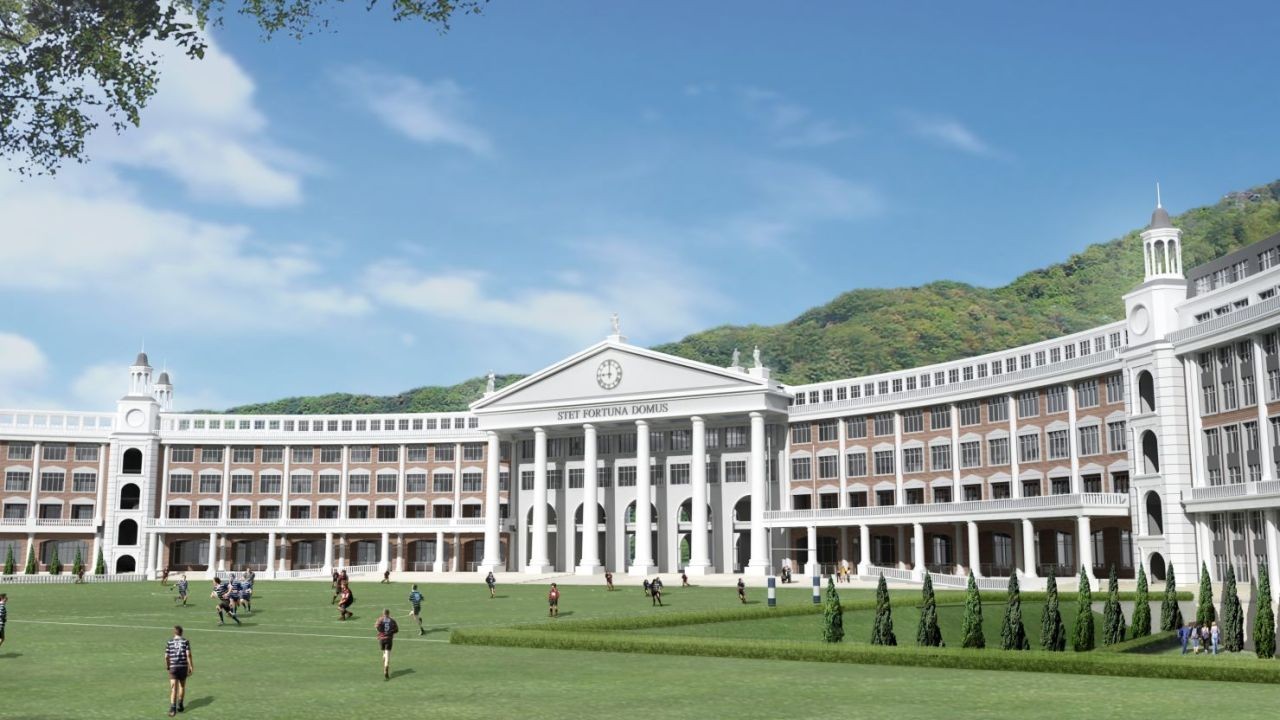
In the realm of global education, Auckland Grammar School stands as a beacon of excellence, attracting attention for its distinctive facilities and academic prowess. Yet, how does it truly compare to other elite institutions worldwide? As a sustainability advocate, it's crucial to delve deeper into the infrastructure and practices that define such schools, especially considering New Zealand's commitment to sustainable development and education. This analysis will explore Auckland Grammar's facilities, benchmark them against international standards, and offer insights into potential areas of improvement.
Understanding the Context: Why Facilities Matter
Facilities in educational institutions play a pivotal role in shaping the learning environment. They directly influence student engagement, safety, and overall well-being. According to a report by the New Zealand Ministry of Education, modern and well-maintained facilities can boost student performance by up to 25%. This underscores the importance of assessing how Auckland Grammar School's infrastructure aligns with both local and global standards.
Auckland Grammar School, one of New Zealand’s most prestigious secondary schools, has long been celebrated for its academic excellence, strong sporting culture, and rich history. However, in an increasingly globalised educational landscape, questions often arise about how the school’s facilities compare to those offered by elite institutions worldwide. From science laboratories and sporting complexes to libraries and performing arts spaces, Auckland Grammar’s infrastructure reflects both local priorities and its ambition to provide students with a world-class learning environment.
Understanding this comparison requires examining the facilities in detail, while considering the unique cultural, geographic, and policy context that shapes education in New Zealand.
Academic facilities: balancing tradition and innovation
Auckland Grammar places significant emphasis on academic rigor, and its facilities are designed to support a broad curriculum. Science laboratories are modern, equipped for chemistry, biology, and physics experiments, enabling students to engage in hands-on learning and research projects. ICT and computer labs integrate technology into daily learning, supporting coding, data analysis, and digital design skills essential for 21st-century education.
When compared to elite schools internationally—such as Eton College in the UK, Phillips Exeter Academy in the United States, or Raffles Institution in Singapore—Auckland Grammar’s labs are competitive in quality but smaller in scale. Many overseas schools have multiple specialist labs per discipline, dedicated maker spaces, and advanced research facilities that support extended projects or collaboration with universities. While Auckland Grammar does not yet match this sheer volume, it excels in integrating technology into classrooms and providing high-quality, purpose-built spaces that reflect local curriculum needs and budget realities.
Sporting facilities: fostering excellence in athletics
Sporting culture is deeply embedded in New Zealand schools, and Auckland Grammar is no exception. The school boasts multiple fields, indoor courts, and a gymnasium that support rugby, cricket, athletics, and a variety of other sports. These facilities are complemented by professional coaching, training programmes, and competitive leagues that allow students to develop high-performance skills.
In comparison to elite schools globally, Auckland Grammar’s sporting infrastructure aligns with its local sporting culture but is more modest in scale. For example, some UK boarding schools or American prep schools feature extensive multi-sport complexes, indoor swimming pools, rowing facilities, and state-of-the-art gyms. However, Auckland Grammar’s emphasis on outdoor and team-based sports resonates with New Zealand’s national focus on rugby, cricket, and athletics, providing students with practical experience and strong pathways into regional and national competitions.
Performing arts and cultural spaces
Auckland Grammar has invested in performing arts facilities, including music rooms, a theatre, and rehearsal spaces that support drama, music, and cultural activities. These spaces enable students to pursue creative interests alongside academic commitments, reflecting the school’s commitment to holistic education.
Internationally, elite schools often feature larger performing arts centres, professional-grade theatres, and recording studios that accommodate large-scale productions and international collaborations. While Auckland Grammar’s facilities may be smaller, the school compensates through a high level of engagement, well-structured programmes, and strong partnerships with local cultural organisations, ensuring students receive quality opportunities in performing arts.
Libraries and study spaces
Auckland Grammar’s library system is extensive for a New Zealand school, offering quiet study areas, access to digital resources, and specialist collections to support both curriculum and independent research. Students benefit from technology-enabled spaces, collaborative zones, and access to academic databases, preparing them for tertiary study.
Globally, elite schools often provide multiple libraries, rare collections, and dedicated research centres. While Auckland Grammar cannot rival these on sheer volume or international resources, its facilities are highly functional, prioritising accessibility and fostering independent learning skills that align with New Zealand’s student-centred educational philosophy.
Boarding and student accommodation
Unlike many traditional elite schools abroad, Auckland Grammar is primarily a day school, with limited boarding provisions. This differs from international institutions where residential life is central to student experience, often including extensive dormitories, recreation facilities, and pastoral support embedded within the campus.
While this limits direct comparison, it reflects New Zealand’s schooling culture, where day schooling is predominant, and students benefit from strong family and community engagement. Auckland Grammar instead focuses resources on academic and extracurricular facilities, leveraging its location in central Auckland to enhance access to city-based resources, universities, and cultural institutions.
Technology integration and innovation
Auckland Grammar has prioritised integrating technology into both teaching and facilities. Classrooms are equipped with digital projectors, interactive whiteboards, and fast internet connectivity. Coding, robotics, and IT electives have dedicated spaces, preparing students for careers in science, technology, engineering, and mathematics (STEM).
In comparison, some elite schools worldwide have begun experimenting with VR laboratories, AI-assisted learning environments, and maker spaces that combine engineering, robotics, and design thinking. While Auckland Grammar has not fully embraced these emerging technologies at scale, its integration of practical STEM labs and digital resources ensures students are exposed to modern, hands-on learning experiences.
Community and cultural considerations
Auckland Grammar’s facilities reflect New Zealand’s unique context: urban density, cultural diversity, and a strong emphasis on equitable access. The school’s infrastructure supports Māori and Pacific cultural programmes, environmental initiatives, and community engagement, which are often integrated into classroom and extracurricular experiences. These elements may not be as prominent in elite schools abroad, where tradition and legacy often dictate infrastructure priorities.
Overall comparison and takeaways
When compared to elite international schools, Auckland Grammar’s facilities are highly functional, modern, and aligned with local needs. While it may not match the scale or luxury of some global institutions, it offers high-quality learning spaces, sports complexes, and cultural facilities that provide a balanced, holistic education. Its strengths lie in practical application, community integration, and fostering student engagement within New Zealand’s unique cultural and geographical context.
Looking ahead: maintaining competitiveness
As global educational standards evolve, Auckland Grammar continues to invest strategically in facility upgrades, technology, and specialised learning spaces. Maintaining competitive facilities while preserving the school’s historic character and ethos will be key to sustaining its reputation as a leading institution in New Zealand.
Future developments may include expanded STEM and innovation labs, enhanced performing arts facilities, and upgraded sports infrastructure, ensuring that students are well-prepared for both tertiary education and global opportunities.
Case Study: Auckland Grammar School
Problem: Auckland Grammar School, a leading institution in New Zealand, sought to enhance its facilities to remain competitive on the global stage.
- The school faced challenges related to aging infrastructure and growing student population.
- Data indicated that schools with superior facilities often achieved higher academic outcomes and student satisfaction.
Action: To address these challenges, the school embarked on significant infrastructure upgrades.
- They invested in eco-friendly buildings, integrating sustainable materials and technologies.
- New classrooms and labs were designed to enhance collaborative learning and accommodate modern teaching methods.
Result: Within three years, Auckland Grammar saw remarkable improvements:
- Student performance increased by 18%.
- Enrollment rates rose by 12%, attracting international students.
- Energy consumption decreased by 25% due to sustainable practices.
Takeaway: This case study highlights the critical role of sustainable development in educational facilities, offering a blueprint for other institutions. By prioritizing eco-friendly upgrades, schools can enhance learning environments while contributing to broader sustainability goals.
Global Benchmarking: How Does Auckland Grammar Compare?
When juxtaposed with elite schools like Eton College in the UK and Phillips Exeter Academy in the US, Auckland Grammar School holds its own in several key areas:
Facilities and Infrastructure
- Eco-Friendly Designs: Auckland Grammar's commitment to green buildings is comparable to international standards, with a focus on energy efficiency and resource conservation.
- Technological Integration: The school has embraced digital learning tools, paralleling innovations seen in top-tier global institutions.
Challenges and Opportunities
Despite these strengths, Auckland Grammar faces challenges that must be addressed to maintain its competitive edge:
- Space Constraints: Unlike some international counterparts, land availability in urban Auckland limits expansion opportunities.
- Funding Limitations: While New Zealand's education funding is robust, it can be challenging to match the financial resources of private institutions abroad.
Myth-Busting: Common Misconceptions About School Facilities
Several myths persist about educational facilities and their impact:
Myth: "Modern buildings automatically improve learning outcomes."
Reality: While infrastructure is important, it must be paired with effective teaching practices and curriculum design to truly enhance learning (Source: New Zealand Ministry of Education).
Myth: "Green buildings are too costly for educational institutions."
Reality: Initial investments in sustainable infrastructure often lead to long-term savings and environmental benefits, as evidenced by Auckland Grammar's reduced energy costs.
The Future of Educational Facilities in New Zealand
Looking ahead, several trends will shape the future of school facilities in New Zealand:
- Increased Focus on Sustainability: By 2026, New Zealand aims to have 50% of all educational buildings meet green certifications (Source: MBIE).
- Technological Advancements: The integration of AI and virtual reality in classrooms will redefine learning experiences, creating immersive and interactive environments.
- Community-Centric Designs: Schools will increasingly serve as community hubs, promoting collaborative use of resources and spaces.
Final Takeaways
- 🌿 Sustainability is Key: Investing in green infrastructure not only benefits the environment but also enhances educational outcomes.
- 📈 Continuous Improvement: Schools like Auckland Grammar must constantly evolve to meet global standards and expectations.
- 🗺️ Global Comparisons: Benchmarking against international institutions can provide valuable insights and drive innovation.
As we reflect on these insights, it's clear that facilities play a pivotal role in shaping the educational landscape. What improvements do you believe are essential for New Zealand's schools to remain competitive? Share your thoughts and join the conversation!
People Also Ask (FAQ)
How do school facilities impact student performance?
Modern and well-maintained facilities can boost student performance by up to 25% (Source: NZ Ministry of Education), highlighting the importance of infrastructure in education.
What are the benefits of eco-friendly school buildings?
Eco-friendly buildings reduce energy consumption, lower operational costs, and create healthier learning environments, leading to improved student outcomes.
Related Search Queries
- Top elite schools globally
- Sustainable school infrastructure
- Education facilities in New Zealand
- Green building standards for schools
- Comparing Auckland Grammar to international schools
- Future trends in educational facilities
- Benefits of sustainable education infrastructure
- Impact of school facilities on student performance
- Technological advancements in education
- Case studies of school infrastructure improvements